
Beavers are fascinating creatures that play a key role in our ecosystem. They are known for building dams and lodges, but there is so much more to learn about these semi-aquatic rodents. Here are 10 interesting facts about beavers that highlight their unique behaviors and the benefits they bring to nature.
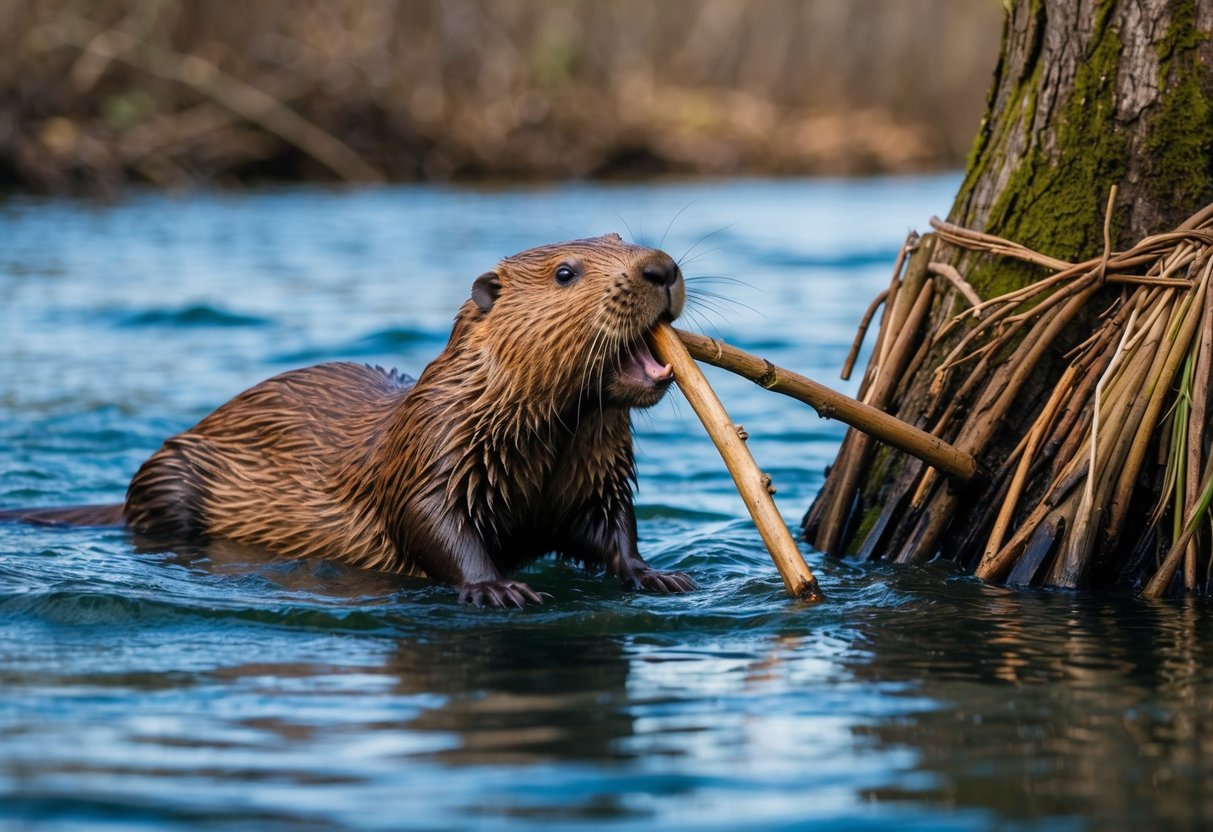
From their impressive swimming skills to their sharp teeth designed for cutting wood, beavers are truly remarkable animals. These furry builders help create wetlands, which support a variety of wildlife and improve water quality.
As you read more, you’ll discover how their habits not only shape their environment but also influence other species around them.
Whether you’re a nature lover or just curious about wildlife, understanding beavers gives you a greater appreciation for the natural world. So, dive in and explore these amazing facts about beavers that will certainly surprise you!
Beaver Basics: Species and Habitat

Beavers play an important role in many ecosystems. By understanding the different species and their habitats, you can appreciate how they contribute to their environments.
Diverse Species
There are two main species of beavers: the North American beaver and the Eurasian beaver. The North American beaver is larger, weighing between 35-60 pounds. In contrast, the Eurasian beaver typically weighs 40-110 pounds. While both species are similar, they adapt to different environments and climates.
Eurasian beavers are found across Europe and parts of Asia. They are known for their thick, water-resistant fur, which helps them survive in varying climates. Both species are mostly nocturnal, meaning they are most active at night. The unique traits of each species help them thrive in their specific habitats.
Natural Habitats
Beavers prefer freshwater habitats such as rivers, streams, ponds, and lakes. They are most commonly found in wetlands, where their dam-building creates new ecosystem niches.
The dams help control water flow, creating meadows and marshes that benefit many plants and animals. These wetlands are vital for wildlife. They provide rich habitats for insects, birds, and amphibians.
Climate change poses a threat to these habitats. Changes in water levels and temperature can affect beaver populations significantly. Protecting their natural habitats is crucial for their survival and the many species that rely on wetlands.
Anatomical Adaptations

Beavers have fascinating anatomical features that help them thrive in their semi-aquatic environment. Their unique tails, impressive swimming skills, and special eyesight adaptations make them remarkable creatures.
Unique Tails
A beaver’s tail is broad and flat. It plays several important roles. You may notice that they use it for communication, making loud slaps on the water to warn others of danger.
Their tails also act as a rudder while swimming, helping them steer through water with ease. Additionally, beavers store fat in their tails, which provides energy during food shortages. Interestingly, their tails are not used for carrying materials like mud.
Swimming Skills
Beavers are excellent swimmers, often seen gliding effortlessly through the water. Their bodies are designed for this lifestyle. They have webbed feet that work like paddles, allowing them to move quickly.
Beavers can hold their breath for up to 15 minutes while submerged. This ability helps them evade predators and find food underwater. Their strong limbs also support their powerful swimming, making them one of the most agile rodents in their habitat.
Vision Underwater
Beavers have a special adaptation for their eyes. They can see clearly underwater thanks to transparent eyelids. These eyelids act like goggles, protecting their eyes while allowing them to spot food and navigate.
This ability is crucial since beavers are mostly nocturnal. They are active at night, which means good vision is needed in low light. With these adaptations, beavers are perfectly equipped for their environment, thriving where water and land meet.
Beaver Behavior and Diet

Beavers have unique behaviors and diets that are closely tied to their environment. They are known for their strong gnawing habits, which are essential for their survival. Their plant-based diet primarily consists of various trees and aquatic plants, which play a big role in their daily activities.
Gnawing Habits
Beavers are remarkable gnawers! They have strong, sharp teeth that grow continuously. To keep their teeth from getting too long, they must gnaw on wood regularly. You might see them working on trees like aspen and willow.
Their gnawing not only helps them maintain their teeth but also serves a purpose. They gnaw down trees to create dams and lodges. This building behavior creates ponds that provide safety from predators and a habitat for their food sources.
Plant-Based Diet
Beavers are herbivores, meaning they only eat plants. Their diet mainly consists of bark, leaves, and twigs from trees. They enjoy aquatic plants too. Some favorites include water lilies and various grasses.
In the spring and summer, their diet varies as they find fresh greens. During winter, they rely more on the bark of trees. Their plant-based diet is crucial for their health and energy, supporting their activities like building dams and maintaining their homes.
Beavers as Ecosystem Engineers
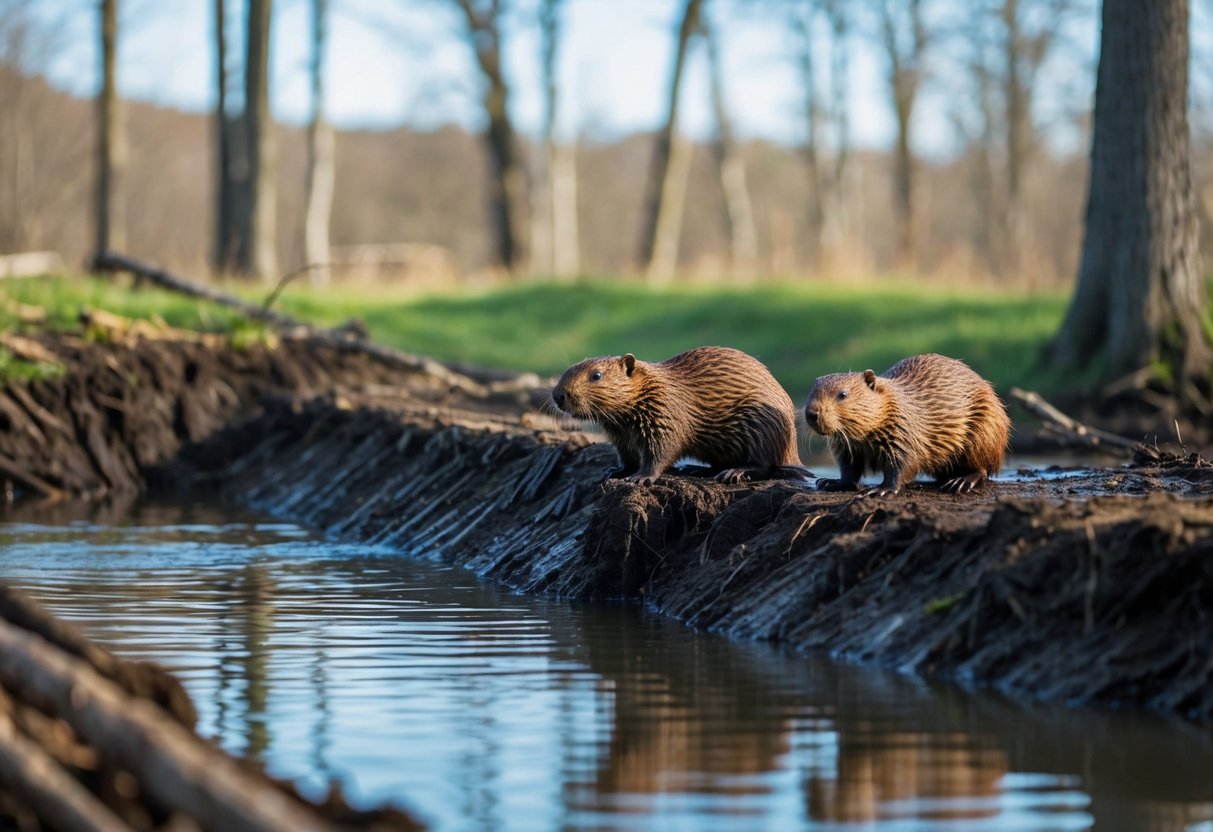
Beavers play a vital role in their environments by building structures that support diverse ecosystems. Their activities shape the landscape and provide numerous ecological benefits that affect many species.
Building Dams and Lodges
Beavers are known for their impressive construction skills. They build dams from branches, mud, and rocks. These structures create ponds that serve to increase water availability in drier areas.
The ponds formed by beaver dams provide a habitat for fish, birds, and other wildlife. Beavers also construct lodges, which are dome-shaped homes made from sticks and mud. These lodges keep beavers safe from predators and provide a warm place for baby beavers to grow up.
In the past, even giant beavers, like the now-extinct Castoroides, were known for similar activities.
Ecological Impact
The ecological benefits of beavers are significant. Beavers help reduce flooding by creating wetlands. During heavy rains, these wetlands slow down water flow.
Wetlands act as natural sponges, soaking up excess water and releasing it slowly over time. This slowing effect also creates a more stable environment for many organisms.
The presence of beaver ponds can promote diverse plant life, which in turn supports various animal species. Beavers also help filter water, improving its quality.
Their activities contribute to biodiversity and make ecosystems more resilient against climate change. Hunting bans in some areas allow beaver populations to thrive, further enhancing these benefits in their habitats.


