
Beavers are fascinating creatures, but can they pose a risk to your dog? Many dog owners might wonder if their pets can get sick from encounters with these animals. Yes, dogs can get infections from beavers. They mainly get them through parasites found in contaminated water. Understanding this connection can help you keep your furry friend safe.
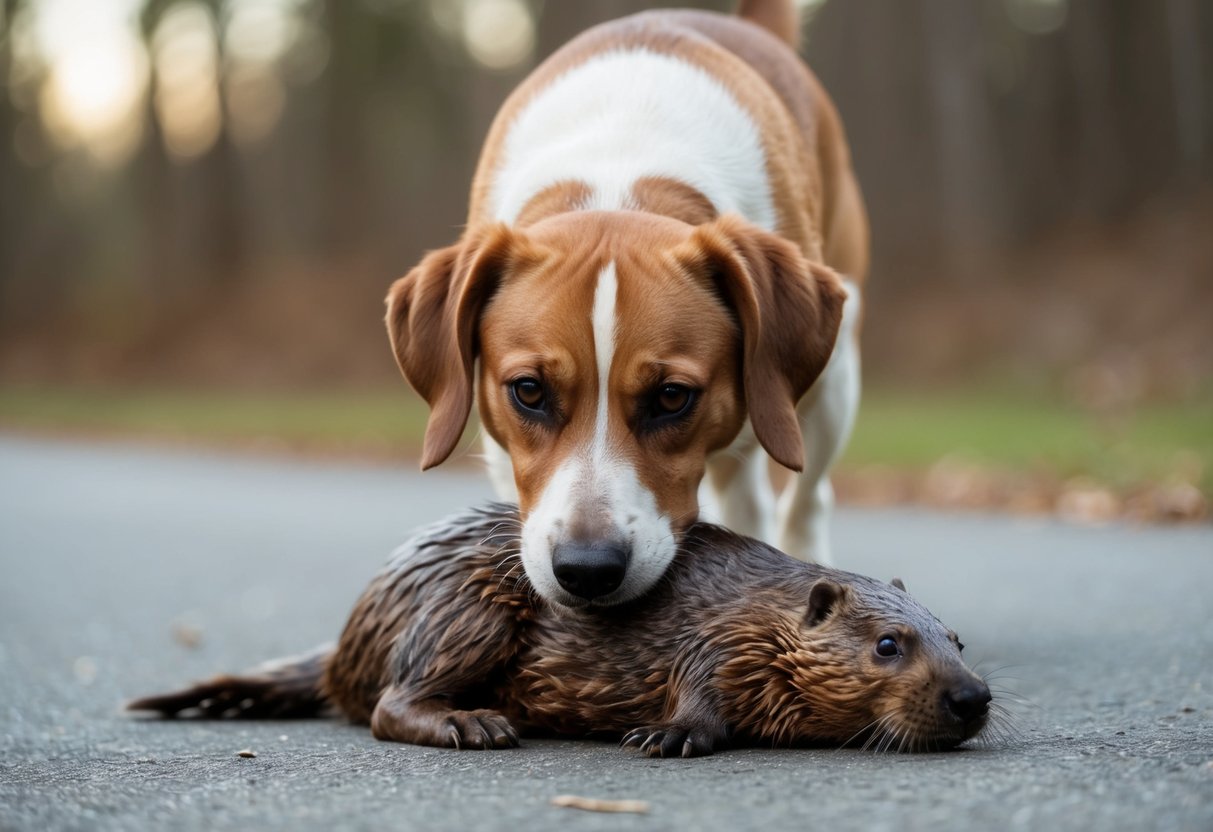
You may enjoy walks near lakes or rivers where beavers live, but it’s essential to stay aware of potential hazards. When dogs drink from or swim in infected water, they can contract illnesses like giardiasis, often referred to as “beaver fever.” This infection can lead to symptoms such as diarrhea and stomach cramps. So, it’s crucial to prevent your dog from drinking untreated water.
Protecting your pet involves staying informed and taking precautions during outdoor adventures. Knowing how beavers can affect your dog’s health helps ensure your time together is enjoyable and safe.
Understanding Diseases Transmittable from Beavers to Dogs

Beavers can sometimes carry diseases that may affect dogs. It’s important for you to know how these diseases can spread, the symptoms to watch for, and the specific illnesses your dog may face.
Common Zoonotic Diseases
One of the primary diseases associated with beavers is giardiasis, often called “beaver fever.” This illness is caused by a microscopic parasite called Giardia, found in contaminated water or food. Another concern is leptospirosis, which can spread through water contaminated with animal urine.
There are also other diseases like rabies and tularemia. Rabies is less common but still a serious threat, as it can be transmitted through bites. Tularemia, usually contracted from infected rodents, could also be an issue if your dog hunts or interacts with wild animals in areas where beavers live.
Risk Factors and Transmission
Dogs are at higher risk of contracting these diseases when they roam near ponds, lakes, or places where beavers are present. Contaminated water sources are significant, especially when dogs drink from them. The feces of infected animals, including beavers, can contaminate these areas.
Additionally, if your dog comes into contact with infected wildlife or spends time in areas with heavy rodent populations, the risk increases. Rodents, such as mice and rats, can also carry diseases that affect dogs and may live near beaver populations.
Symptoms of Zoonotic Infections in Dogs
If your dog contracts a zoonotic disease, you may notice several symptoms. Common signs of giardiasis include diarrhea, vomiting, and weight loss. Dogs may also seem lethargic or have a reduced appetite.
For leptospirosis, symptoms might include fever, muscle pain, and jaundice. If your dog shows signs of rabies, such as aggressive behavior, excessive drooling, or seizures, seek immediate veterinary care. Early detection of these symptoms is vital for treatment.
Specific Diseases Transmitted by Beavers
Giardiasis, or “beaver fever,” is directly tied to water contamination from beaver feces. This parasite can infect not only dogs but humans as well, making it a significant concern.
Leptospirosis can also be linked to beavers, as their urine may contaminate water sources. This bacterial infection can have severe consequences for both dogs and humans.
Although less common, rabies can be a risk if a dog is bitten by an infected animal. Lastly, tularemia can occur when dogs come into contact with infected wild animals. If you suspect any transmission of these diseases, it is crucial to consult your veterinarian.
Diagnosing and Treating Infections
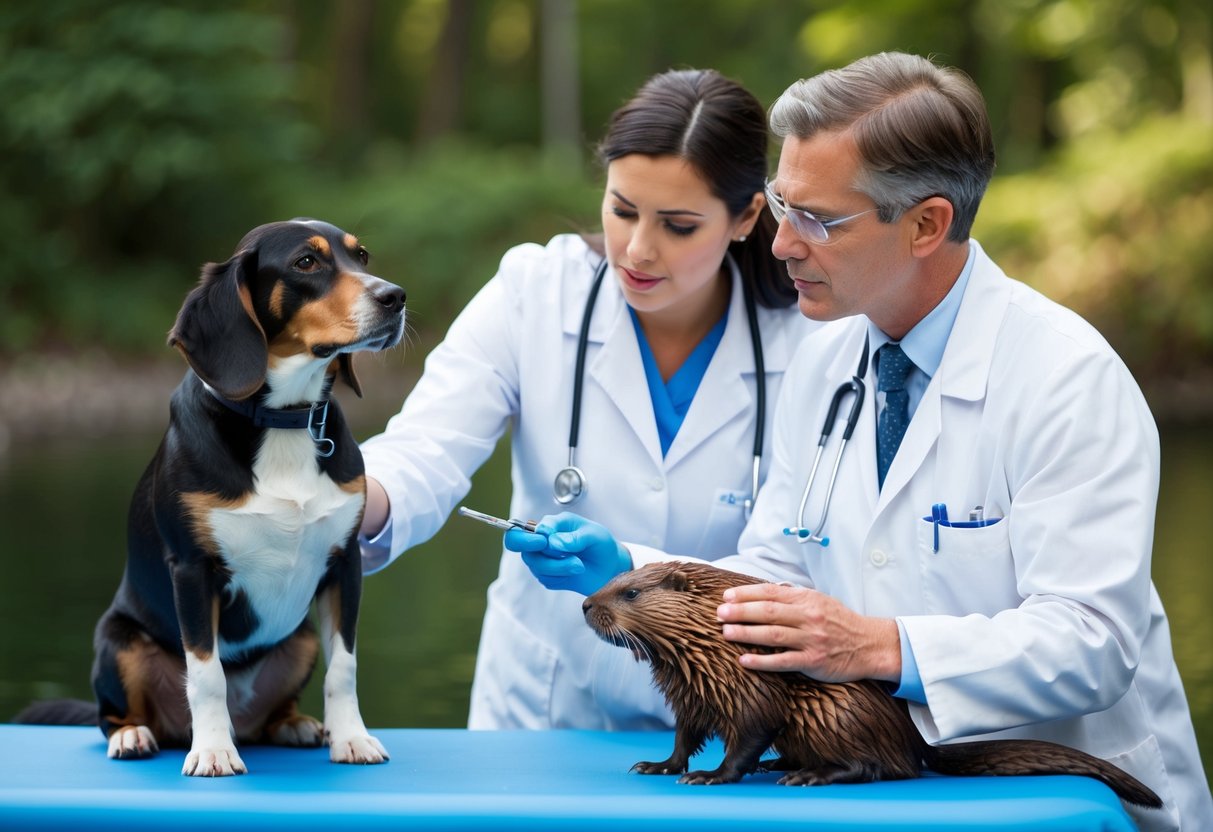
When your dog shows signs of illness, it’s important to identify the cause quickly. This section covers how veterinarians diagnose infections and the common treatments available.
Veterinary Diagnosis
If you notice symptoms like fever, vomiting, diarrhea, or coughing in your dog, it’s time to see a veterinarian. They will start with a physical examination, checking for signs of dehydration and weight loss. Your vet may also ask about your dog’s recent activities, including any contact with wildlife like beavers.
To reach a diagnosis, your veterinarian might run blood tests or fecal exams to check for infections, such as giardia. Signs of giardia include diarrhea and lethargy. Proper diagnosis is essential for effective treatment and ensuring your dog’s health.
Common Treatments for Infections
Treatments will depend on the specific infection diagnosed. For bacterial infections, your vet may prescribe antibiotics. In cases of parasites like giardia, medications such as metronidazole or fenbendazole are common.
If your dog is dehydrated due to vomiting or diarrhea, your veterinarian might recommend fluids, either orally or through IV. Managing your dog’s symptoms can include anti-nausea medications and dietary changes to regain their appetite.
Always follow your vet’s advice closely to help your dog recover fully.
Preventive Measures and Best Practices

To keep your dog safe from potential diseases linked to beavers, it’s important to focus on interacting safely with wildlife, maintaining a clean environment, and ensuring that your dog is up to date on vaccinations and routine check-ups.
Safe Interaction with Wildlife
When in areas where beavers are present, supervise your dog closely. Avoid letting them interact with wildlife. If your dog spots a beaver or other wild animals, call them back to you immediately.
It’s also wise to keep your dog on a leash during walks near water bodies. This reduces the chance of them drinking from potentially contaminated water. Be cautious of untreated water, as it may harbor harmful bacteria or parasites. If your dog appears to have red eyes or unusual behavior after encountering wildlife, contact your veterinarian promptly.
Environmental Hygiene
Maintaining good environmental hygiene is key to preventing infections. After walks, wipe your dog’s paws with a damp cloth to remove dirt and contaminants, especially if they’ve been near areas inhabited by beavers.
Furthermore, avoid letting your dog dig in contaminated soil or play in muddy areas. Regularly cleaning your yard and preventing access to standing water can help reduce risk. If your dog wanders into areas near ponds or rivers, check for any signs of sickness afterward. Keeping your living space clean and free of debris can also help protect your dog.
Vaccinations and Routine Check-Ups
Keeping your dog up to date on vaccinations is essential for their health. Speak with your veterinarian about vaccines that may help protect against diseases spread by wildlife, including those potentially linked to beavers.
Additionally, scheduling regular routine check-ups allows your vet to monitor your dog’s health and catch any potential issues early on.
During these visits, you can discuss your dog’s environment and any specific concerns regarding wildlife exposure. A proactive approach helps ensure that your dog remains healthy and happy.


