
Have you ever wondered how old the oldest beaver was? Recent discoveries show that the oldest known beaver lived around 30 million years ago. This ancient beaver, named Microtheriomys articulaquaticus, was a semi-aquatic creature that roamed what is now Montana.
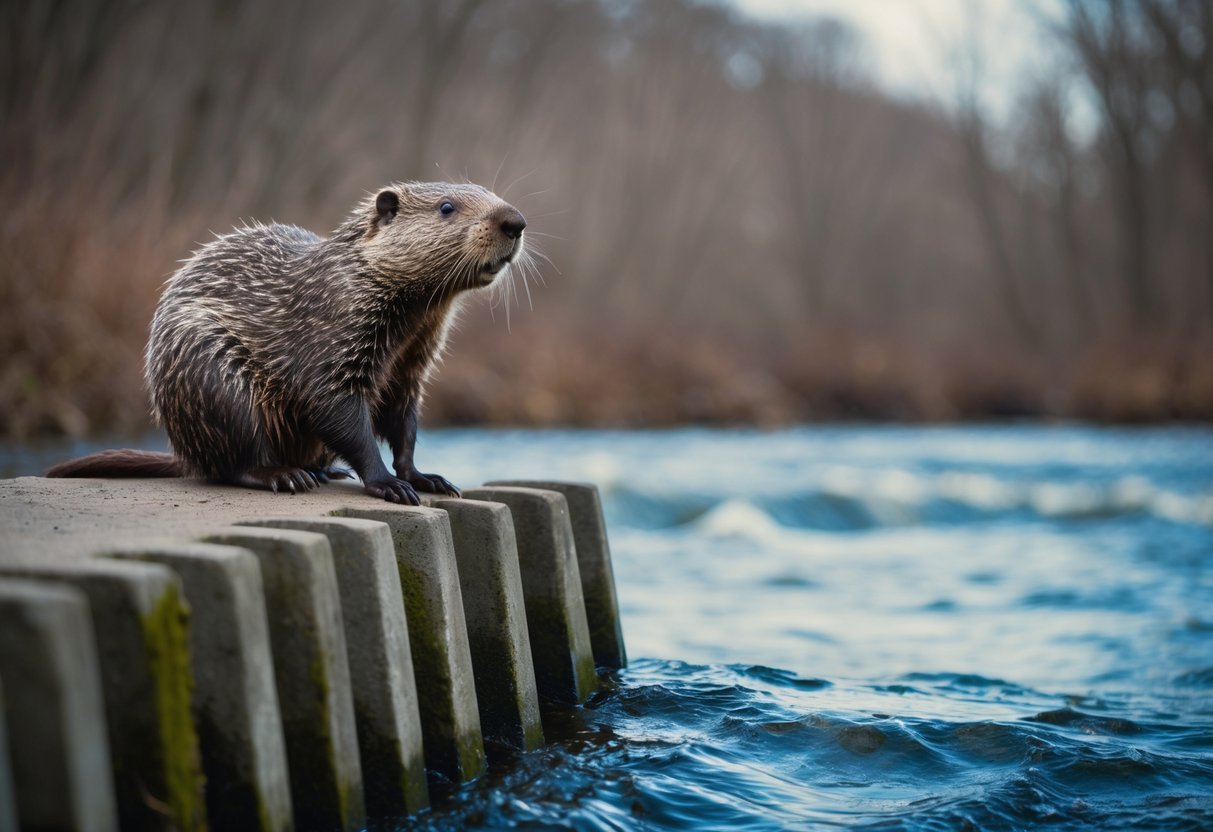
Beavers are often associated with North America, but they actually have relatives across the globe, like the Eurasian beaver, or Castor fiber. The North American beaver, known scientifically as Castor canadensis, is a significant species today.
Exploring the history of beavers can provide insight into the evolution of these fascinating rodents, which have adapted well to their environments over millions of years.
As you dive deeper into the story of these remarkable animals, you’ll uncover how their past shapes the present population and the role they play in our ecosystem. The journey of the beaver is not just about their age but also about their influence on nature.
Understanding Beavers and Their Habitat
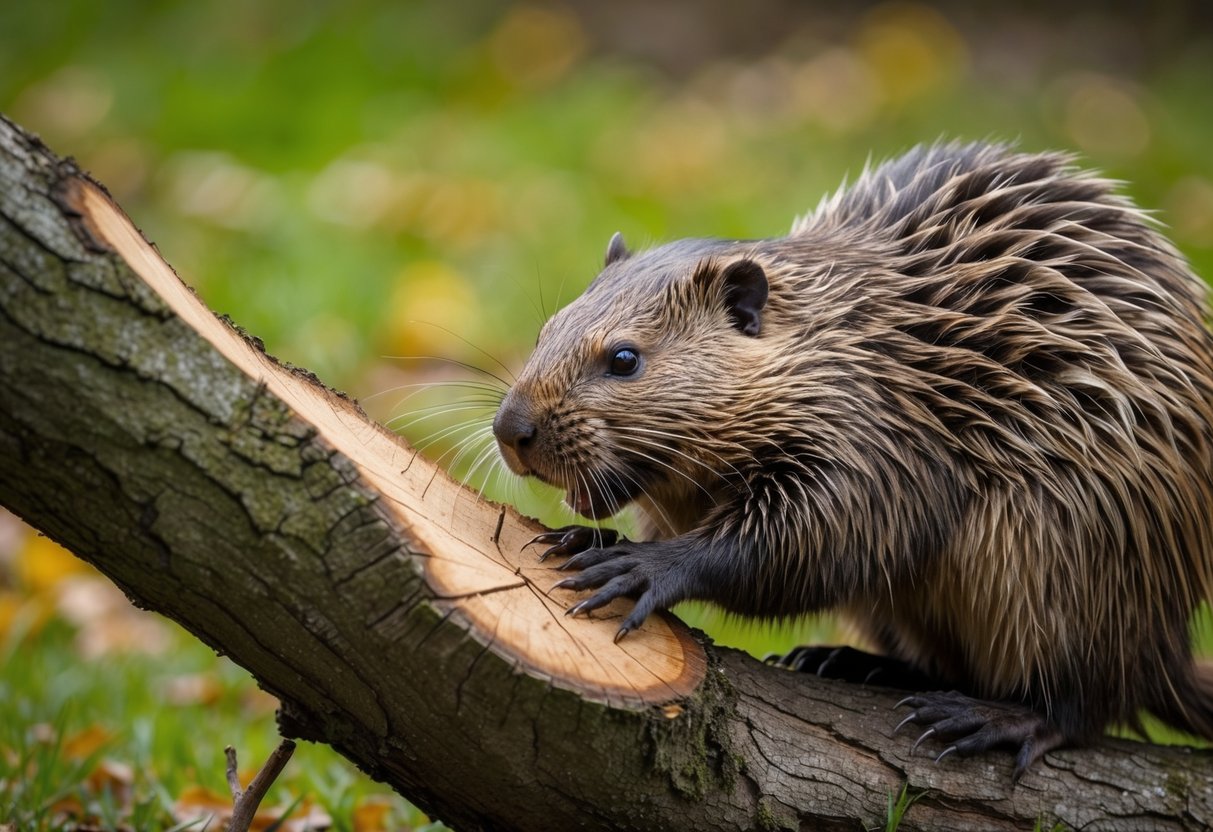
Beavers are fascinating creatures that play a significant role in their ecosystems. Their physical traits and behaviors help them thrive in semi-aquatic environments.
Additionally, their activities greatly influence biodiversity and the health of wetlands.
Physical Characteristics and Behavior
Beavers belong to the family Castoridae and are the largest rodents in North America. They typically weigh between 35 and 70 pounds. Beavers have strong, flat tails and webbed feet, which aid in their semi-aquatic locomotion. Their fur is thick and waterproof, providing insulation in cold water.
These animals are known for their impressive building skills. You can often find their dams made of branches, mud, and stones in streams and rivers. This behavior helps create ponds that offer shelter from predators while attracting various species.
Beavers are mostly nocturnal and tend to be social animals, living in family groups.
Beavers as Ecosystem Engineers
Beavers serve as essential ecosystem engineers. By building dams, they create wetlands that benefit many other species. These wetlands trap sediment and nutrients, improving water quality in surrounding areas.
Moreover, their activity promotes biodiversity by providing habitats for fish, birds, and other wildlife. The ponds they create expand the habitats available for various aquatic plants and animals. This enhancement of semi-aquatic ecology is vital for maintaining healthy ecosystems.
Beavers not only improve their environment but also help prevent erosion and manage water flow in their habitats.
The Evolutionary History of Beavers
Beavers have a fascinating evolutionary story that dates back millions of years. Their history reveals how they adapted to different environments and changed over time, leading to the species we see today. Here, you’ll learn about the ancestral species and the key changes that shaped beaver evolution.
Ancestral Species and Fossil Discoveries
The beaver lineage started evolving in the Cenozoic era. Fossils provide important clues about their ancestry. Among these discoveries, the oldest known semi-aquatic beaver is Microtheriomys articulaquaticus. This species lived around 30 million years ago and was found in what is now Montana.
Before Microtheriomys, beavers had relatives that were quite different. The Giant Beaver, known as Castoroides ohioensis, lived during the Pleistocene epoch and grew up to 8 feet long. Fossils of these ancient creatures help scientists piece together the story of beaver evolution.
The diversity of fossil records shows that different beaver species adapted to the changing climates and environments over millions of years.
Key Evolutionary Developments in Beavers
Beavers have undergone significant evolutionary changes that enhanced their survival. One important development was the evolution of locomotion. Early beavers, like Microtheriomys, did not have the flat tails we see in modern beavers. This adaptation allows them to swim efficiently.
Other key changes include the ability to consume a variety of plant materials. While ancient beavers may have fed primarily on soft plants, modern beavers are known for chewing down trees.
Understanding these adaptations helps you appreciate how beavers became better suited for aquatic life over time. The fossil record from the Miocene and Pliocene epochs shows how these traits developed, demonstrating the diverse evolutionary paths taken by beavers throughout history.
Cultural and Historical Significance of Beavers
Beavers have played a crucial role in both trade and mythology throughout history. Their pelts were highly valued, impacting economies and cultures, while tales about their unique characteristics have inspired stories and legends. Let’s explore these two significant aspects.
Beavers in Trade and Economy
Beaver pelts were among the most sought-after goods in North America and Europe. During the fur trade era, pelts became a major economic driver. Traders exchanged them for various items, including tools, food, and even land.
The demand for beaver fur led to the establishment of trading posts and increased exploration. This trade impacted Indigenous peoples and European settlers alike. The pursuit of beavers significantly shaped colonial economies and even influenced the borders of nations.
The Royal Society Open Science published articles highlighting how the fur trade around beavers transformed regions. Stopovers in trading routes were often named after the animal, reflecting its economic importance.
Beavers in Mythology and Folklore
Beavers hold an important place in many Indigenous cultures. They symbolize hard work, cooperation, and ingenuity. Stories often depict them as builders who create dams and shape landscapes.
In some Micmac tales, beavers represent unity and resourcefulness. One popular story features a boy who marries a beaver woman, showcasing the cultural significance of beavers in family and community.
The Golden Beaver is another notable figure in lore, representing strength and adaptability. These stories help convey moral lessons and cultural values, showing how deeply connected people are to beavers.


