
When you think about beavers, you might not think of them smelling good. However, beavers do have their own unique scent that plays an important role in their lives. They use castoreum, a substance produced in their castor glands, to communicate and mark their territory. This helps them attract mates and signal others that a space is occupied.
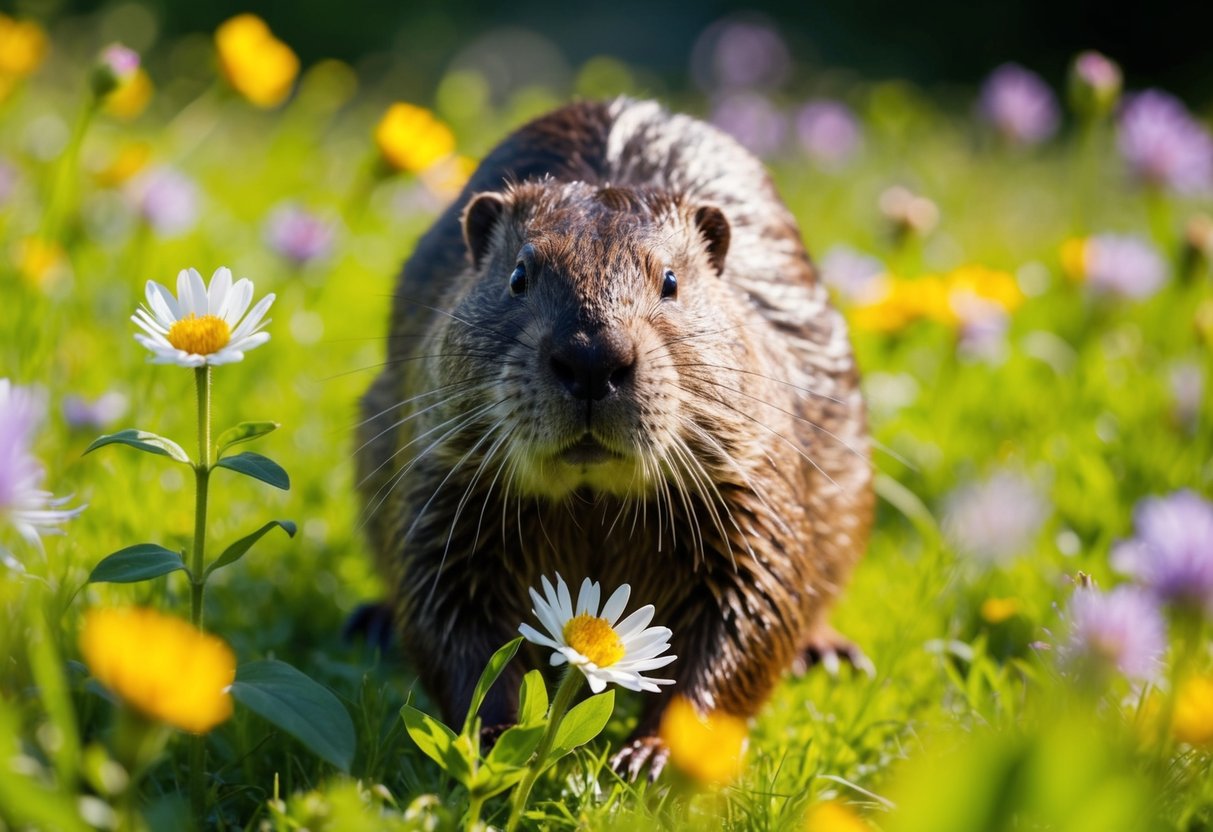
Beavers have a strong sense of smell, which they rely on for many tasks such as finding food and navigating their environment. While they might not smell like a fresh flower, their natural scent serves vital purposes in their daily activities.
Understanding how beavers use their sense of smell can give you a whole new appreciation for these fascinating creatures.
Curious to know more about the odors that beavers create and how they impact their behavior? You might be surprised to learn just how essential smell is to their survival and social interactions.
Beaver Biology and Behavior

Beavers are fascinating creatures with unique adaptations that help them thrive in their environments. Their biology and behavior are closely linked, contributing to their role as ecosystem engineers. Understanding these aspects can give you a better appreciation of how these animals live.
Beavers as Semi-Aquatic Mammals
Beavers are semi-aquatic mammals, which means they live both on land and in water. They have webbed feet that help them swim effectively. Their bodies are built for life in the water, with a layer of fat for insulation and dense fur that keeps them warm.
Beavers are nocturnal, meaning they are most active during the night. This behavior helps them avoid predators while they gather food and build their homes. They create beaver ponds by building dams with branches, mud, and other materials, creating a safe environment for themselves and their young.
Diet and Foraging
Beavers are herbivores, primarily feeding on aquatic plants, tree bark, and leaves. Their strong teeth allow them to gnaw through tough wood and access the tender cambium layer beneath the bark. This diet is critical for their energy and health.
During foraging, beavers often leave behind scent mounds. These mounds are made from mud mixed with secretions from their castor sacs, which have a distinct and somewhat pleasant scent. This helps them communicate with other beavers and mark their territory.
Sensory Capabilities
Beavers have well-developed senses that aid them in their daily activities. Their sense of smell is particularly important; it helps them locate food and communicate via scent mounds.
Additionally, their hearing is acute, allowing them to detect sounds while underwater. Though their vision is not strong, beavers rely on touch and sound to navigate their environment. Their whiskers, or vibrissae, are sensitive and help them feel their way in dark waters. These senses work together to guide beavers as they go about their busy lives.
Beaver Castor and its Uses

Beaver castor is an interesting substance with various applications. It has roles in industry and contributes to the environment in meaningful ways.
Castor in Industry
Beaver castor, also known as castoreum, has been used for centuries in different industries. This substance is often found in natural flavoring, especially in products like perfumes and food.
Many companies utilize castor to add a unique scent that can enhance their products. The sweet, vanilla-like aroma is what gives some flavors their depth. You may find it in ice cream or candies, making it a delightful surprise in your treat.
In perfumery, castor is valued for its ability to add warmth and richness to fragrances. It’s used in high-end perfumes, offering a lasting scent that people adore.
Environmental Contribution
Beavers play a crucial role in maintaining biodiversity in their habitats. The castor produced by these animals is not just for their own use; it helps mark territory and communicate with others.
When beavers are active in their environment, they create wetlands. These wetlands provide essential habitats for many species, including salmon. Salmon thrive in these areas as they offer protection and food sources.
By using castor to mark their territory, beavers contribute to a healthy ecosystem. Their activities promote a balance that benefits other wildlife, making them vital to environmental health.
Human-Beaver Interactions

Interactions between humans and beavers can be complex. Beavers can sometimes cause challenges, but there are ways to manage these situations effectively. Different strategies can help prevent damage while promoting coexistence with these unique animals.
Beaver-Related Challenges
You may encounter various challenges due to beaver activity. North American beavers can create flooding by building dams, which may affect your property. This flooding can damage plants and other structures, leading to significant beaver problems.
Additionally, beavers can gnaw on trees and shrubs for food and materials. This behavior can result in tree damage over time. Understanding these challenges can help you take steps to prevent or mitigate potential issues.
Effective Repellents and Deterrents
To keep beavers away, you can use natural repellents. Scents that beavers dislike, such as garlic, peppermint oil, and vinegar, can be effective. These scents can interfere with their sense of smell, making it harder for them to locate food sources.
You might also consider physical barriers like fencing. Properly installed fencing around valuable trees and gardens can deter beavers from accessing these areas. Rotating different repellents can keep beavers guessing and encourage them to move on.
Conservation and Coexistence
Promoting conservation can help reduce potential conflicts with beavers. Understanding the role of beavers in the ecosystem is important. They provide benefits, like creating wetlands that support diverse wildlife.
Encouraging a friendly coexistence is beneficial for both you and the beavers. Leaving “messy” riparian areas can provide food sources for them. This will not only support their population but also enhance the environment around your home.


