
The giant beaver, a fascinating creature from the past, once roamed North America during the Ice Age. These massive rodents could grow up to seven feet long and weighed as much as 275 pounds. Unfortunately, giant beavers are not alive today; they went extinct around 10,000 years ago.
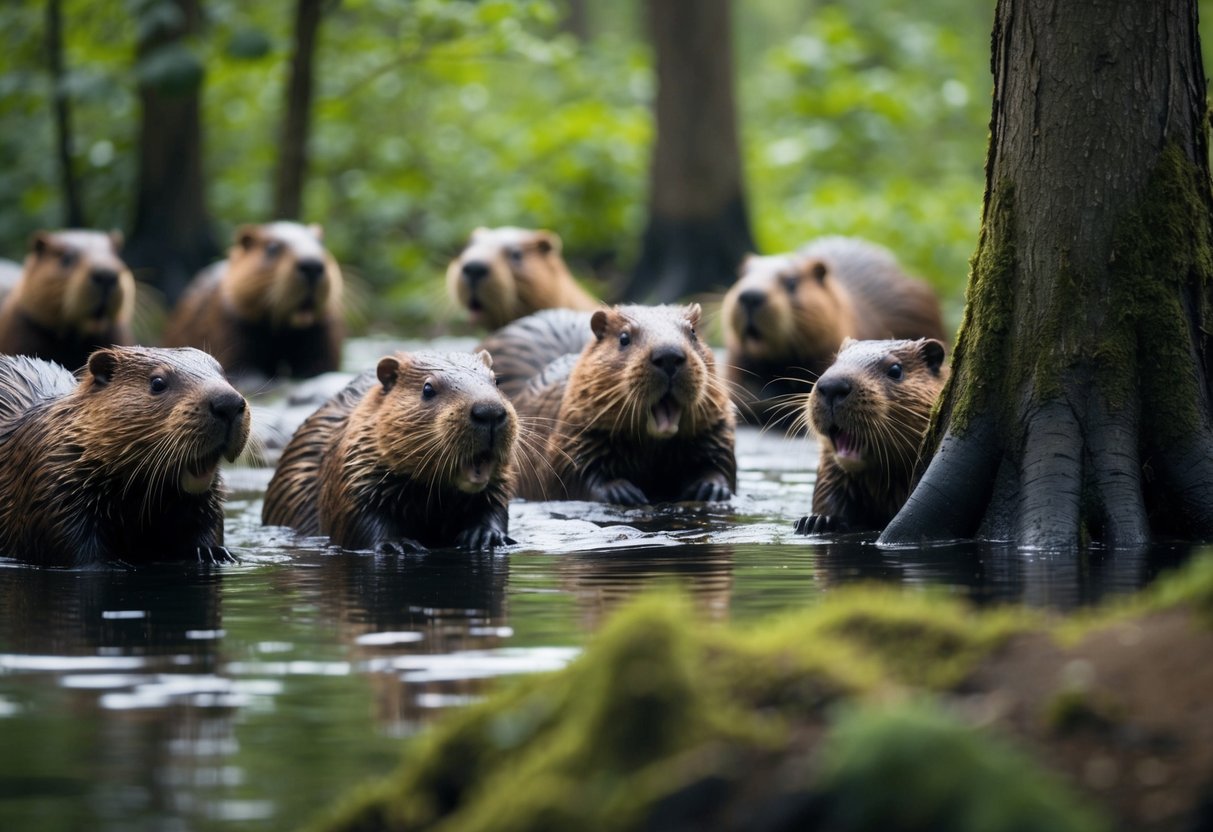
Fossils of these impressive animals have been discovered, helping scientists understand their size, habitat, and lifestyle. You might be surprised to learn that these ancient beavers played a significant role in their environment, much like modern beavers do today.
If you’re curious about what led to their extinction and what their fossils tell us, stick around. The story of the giant beaver is not just about their disappearance, but also about the clues they left behind in the Earth.
The Giant Beaver’s Historical Overview
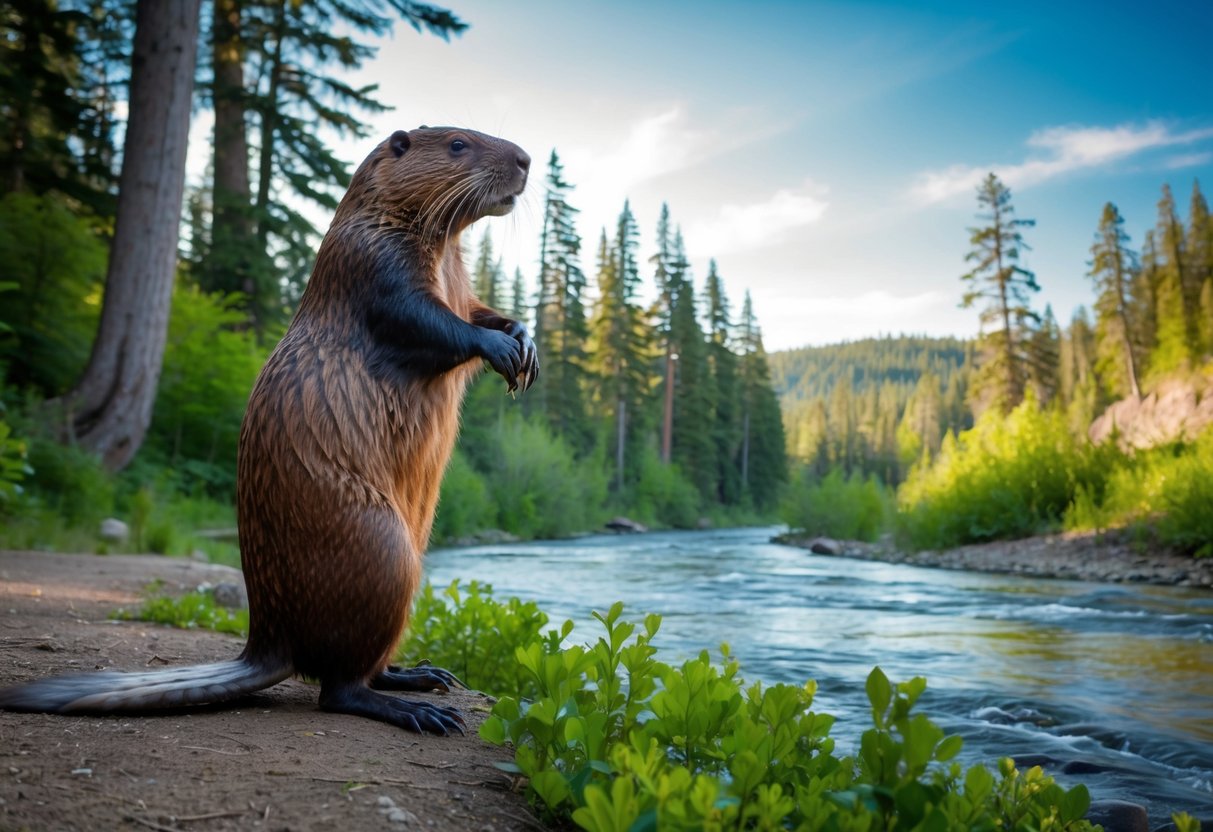
The giant beaver, known scientifically as Castoroides, was a fascinating creature during the Pleistocene epoch. These impressive animals lived in various habitats and had specific physical traits that made them unique. Their remains have provided significant insights into their life in ancient wetlands.
The Ice Age Habitat
During the Ice Age, giant beavers thrived in the lush, wet environments of North America. They preferred areas rich in lakes, rivers, and wetlands. These habitats were not only ideal for foraging but also provided ample materials for building dams.
As they roamed through ancient wetlands, they likely interacted with other megafauna, such as woolly mammoths and mastodons. The climate during the Pleistocene supported a diverse ecosystem where these large animals could coexist.
Physical Characteristics
Giant beavers were remarkable for their size. They could reach up to seven feet in length and weigh around 200 pounds. This made them the largest rodents ever to inhabit North America.
Their physical features included large hind feet, which were proportionally bigger than those of modern beavers. However, their legs were shorter. The long, broad tail may not have been paddle-shaped like today’s beavers, hinting at differences in lifestyle.
Discovery and Fossil Records
Fossil bones of the giant beaver have been discovered across North America, especially in areas with ancient wetlands. The most notable species, Castoroides ohioensis, left behind evidence that helps us understand their biology.
Many skeletons have been found in places like Indiana, where preserved skulls have been studied. These fossils show that giant beavers were well-adapted to their environment and were an important part of their ecosystem. The ongoing study of these remains continues to shed light on their life during the Ice Age.
Ecology and Lifestyle
Understanding the ecology and lifestyle of giant beavers reveals their unique characteristics and the significant roles they played in their environments. This information helps you appreciate their impact on the ecosystems they inhabited.
Diet and Foraging
Giant beavers primarily consumed various aquatic plants, which formed the main part of their diet. They had large, chisel-like front teeth, perfect for cutting through tough vegetation. Some favored plants included cattails and other soft-stemmed species found in wetland habitats.
Their foraging was essential for maintaining healthy ecosystems. The act of eating vegetation contributed to controlling plant overgrowth, promoting biodiversity. This behavior is similar to modern beavers, who also thrive on aquatic plants but have adapted to a variety of diets depending on their specific habitat.
Giant Beavers vs. Modern Beavers
Giant beavers, which existed during the Pleistocene epoch, were strikingly different from today’s beavers. They could reach lengths of up to 7 feet and weighed as much as a black bear. In contrast, modern beavers (Castor canadensis) are usually smaller, averaging 3 to 4 feet in length.
While both types of beavers are ecosystem engineers known for building dams, the size and structure of their habitats have changed over time. Giant beavers created large-scale wetland environments, which were crucial for diverse wildlife. Modern beavers still impact their habitats dramatically but at a smaller scale.
Ecosystem Impact
As ecosystem engineers, giant beavers significantly altered their environments through dam-building, creating wetlands that supported a variety of plants and animals. The dams helped retain water, maintain habitat stability, and ensure a healthy ecosystem for other species.
These changes promoted biodiversity and improved water quality by filtering runoff. Even after the extinction of giant beavers, the alterations they made had lasting effects on North American landscapes. Modern beavers continue this legacy, demonstrating the vital role these creatures play in supporting wetland habitats and the overall health of ecosystems.
Reasons for Extinction
Giant beavers faced several challenges that contributed to their extinction around 10,000 years ago. Key factors included changes in their habitat due to climate change, pressures from predators, and human impact. Understanding these elements can help you grasp why these remarkable creatures no longer roam the earth.
Climate Change and Habitat Loss
Climate change had a significant impact on giant beavers. As the last Ice Age ended, temperatures rose, leading to changes in their wetland habitats.
Wetlands where giant beavers thrived began to dry up. This loss of habitat made it difficult for them to find food, especially the submerged aquatic plants they depended on.
With fewer resources available, their populations dwindled. This process of habitat loss was a major factor in the decline of many species during the global megafauna extinction event.
Pressures from Predators and Humans
In addition to habitat loss, giant beavers faced increased pressures from predators. Large mammals, including some humans, posed a threat.
As humans expanded their reach, they likely hunted giant beavers for their meat and fur. This added stress on their populations contributed to their downfall.
Predation and hunting by both natural and human threats created ecological vulnerabilities that giant beavers could not withstand. With their numbers declining, reproductive rates fell, making recovery increasingly difficult.
Competing Theories
There are various theories about why giant beavers went extinct. Some scientists believe that their diet limited their ability to adapt to changing environments.
Unlike smaller modern beavers, giant beavers relied heavily on specific plants found in wetlands. As these areas disappeared, their food sources vanished along with them.
Others suggest that factors such as competition with other herbivores, like mammoths and mastodons, played a role. These animals challenged giant beavers for resources, making survival even more precarious.
Overall, multiple factors intersected, leading to the species’ decline. Understanding these theories can provide insights into ecological resilience and vulnerability.
Legacy and Scientific Significance
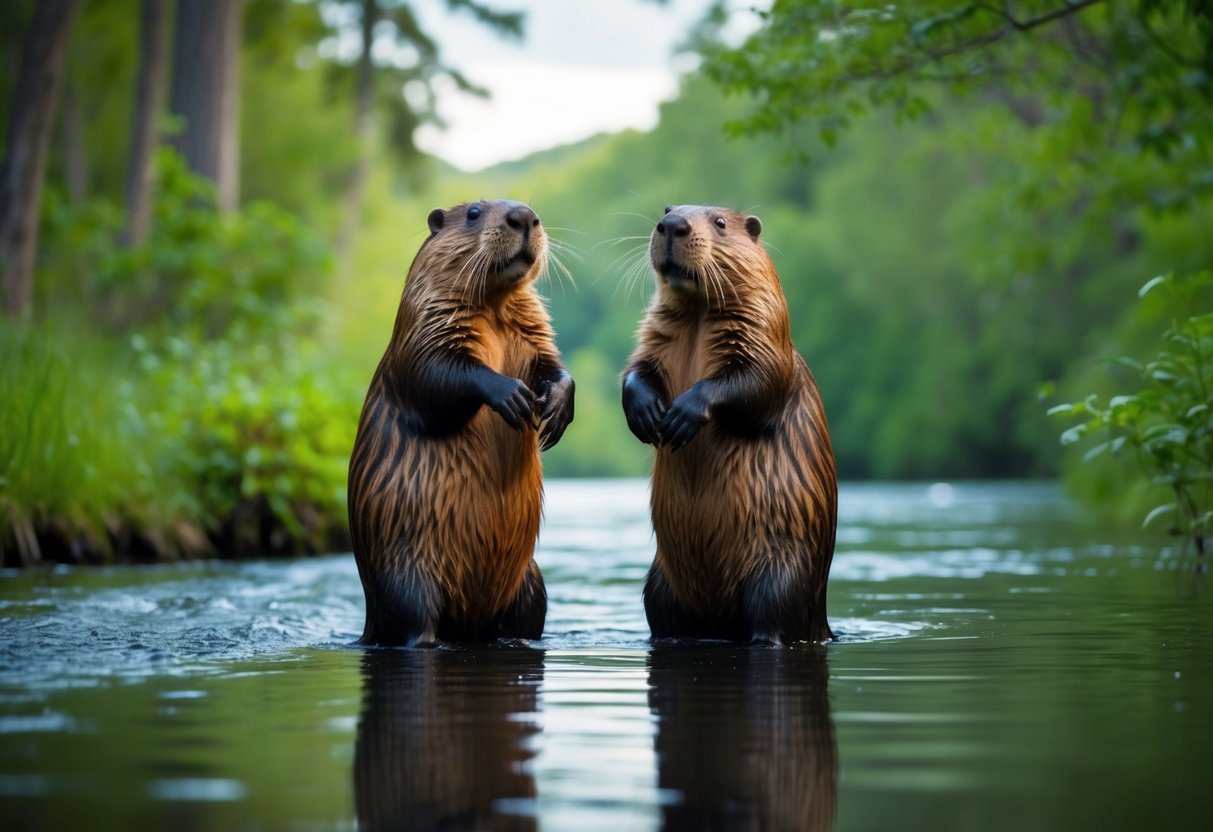
The giant beaver, or Castoroides ohioensis, holds an important place in scientific research and cultural history. Understanding its anatomy and ecological roles allows you to appreciate its legacy in the context of both ancient and modern ecosystems.
Comparative Anatomy
Studying the anatomy of Castoroides ohioensis provides insights into its adaptations. Fossils reveal that these beavers were much larger than today’s modern beavers. They could grow up to seven feet long and weigh around 200 pounds.
Key features include:
- Enlarged teeth: Their large incisors were effective for gnawing through tough plants.
- Robust limbs: These allowed for greater mobility in ancient wetlands.
By examining stable isotopes found in fossils, scientists can learn about their diets and habitats, offering clues to the environments they thrived in during the Pleistocene epoch.
Conservation Lessons
The extinction of the giant beaver teaches valuable lessons about conservation today. It coexisted with other megafauna in ancient wetlands but eventually vanished, likely due to changing climates and human activity.
Protecting modern ecosystems means understanding how past species interacted with their environments. Learning from the fate of the giant beaver helps in:
- Habitat preservation: Safeguarding wetlands is crucial for current wildlife.
- Biodiversity: Supporting various species leads to more resilient ecosystems.
Efforts to manage extant beaver populations can provide insight into how best to protect the remaining natural habitats, emphasizing the need to balance human needs with wildlife conservation.
Cultural Impact
The giant beaver has also left a mark on cultural narratives, especially among First Nations communities. Stories and legends often feature large animals, showcasing how people understood their environments.
The presence of giant beavers in ancient wetlands created rich hunting grounds. Artifacts that include tools and remains reveal how these creatures influenced daily life.
These interactions show how the giant beaver becomes part of a larger discussion about how cultures recognize and adapt to their ecosystems. The study of such historical connections can inform your understanding of present-day environmental challenges.


