
Beavers are often seen as cute, harmless creatures, but they can become dangerous in certain situations. Yes, there have been reports of beavers attacking humans, and while these incidents are rare, the injuries can be serious.
As more people explore natural habitats, interactions between humans and beavers have increased, leading to some surprising encounters.
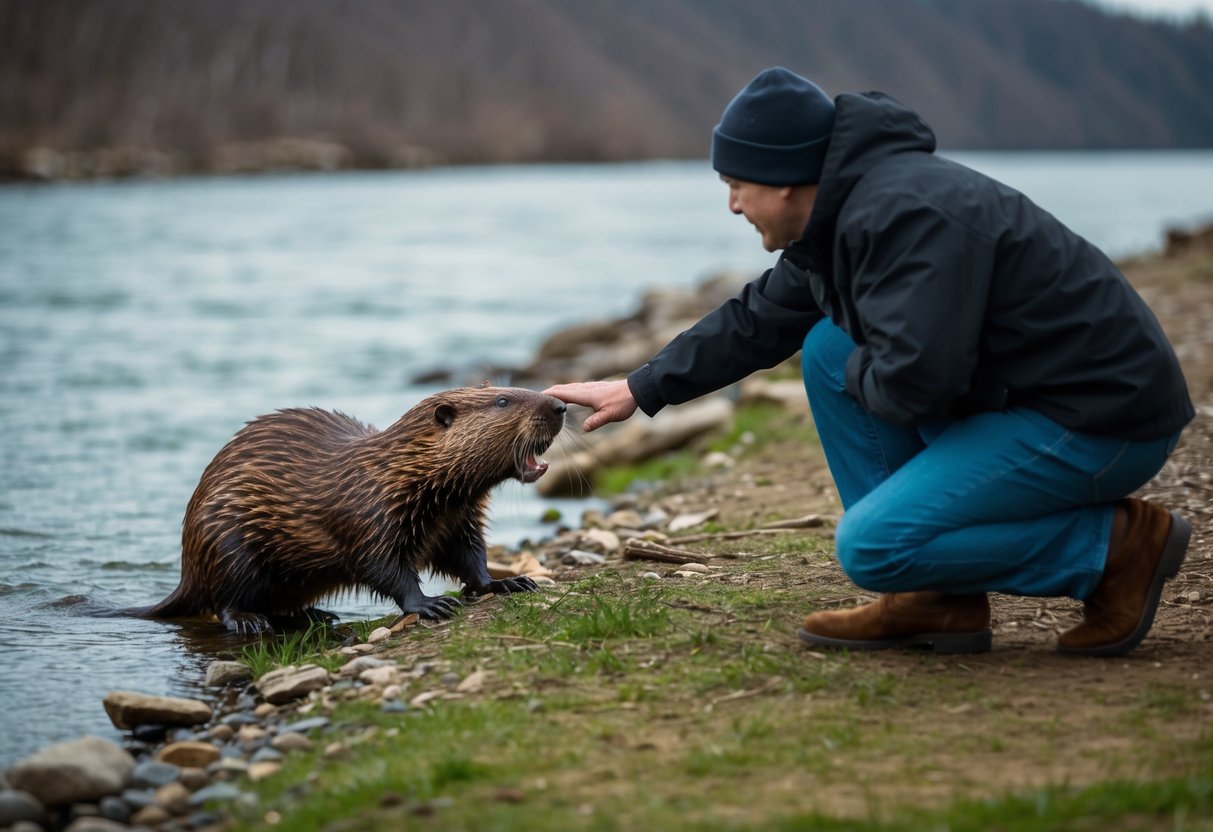
You might be wondering what prompts a beaver to attack. These animals are generally not aggressive, but they will defend their territory if they feel threatened. There have been cases where beavers have bitten people, sometimes resulting in serious injuries.
Understanding how to safely observe wildlife can help you enjoy beaver sightings without getting too close for comfort.
It’s important to know the risks and take precautions if you’re in beaver territory. If you’re curious about how these incidents occur or what signs to look for, keep reading to learn more about the fascinating yet sometimes risky world of beavers.
Understanding Beavers
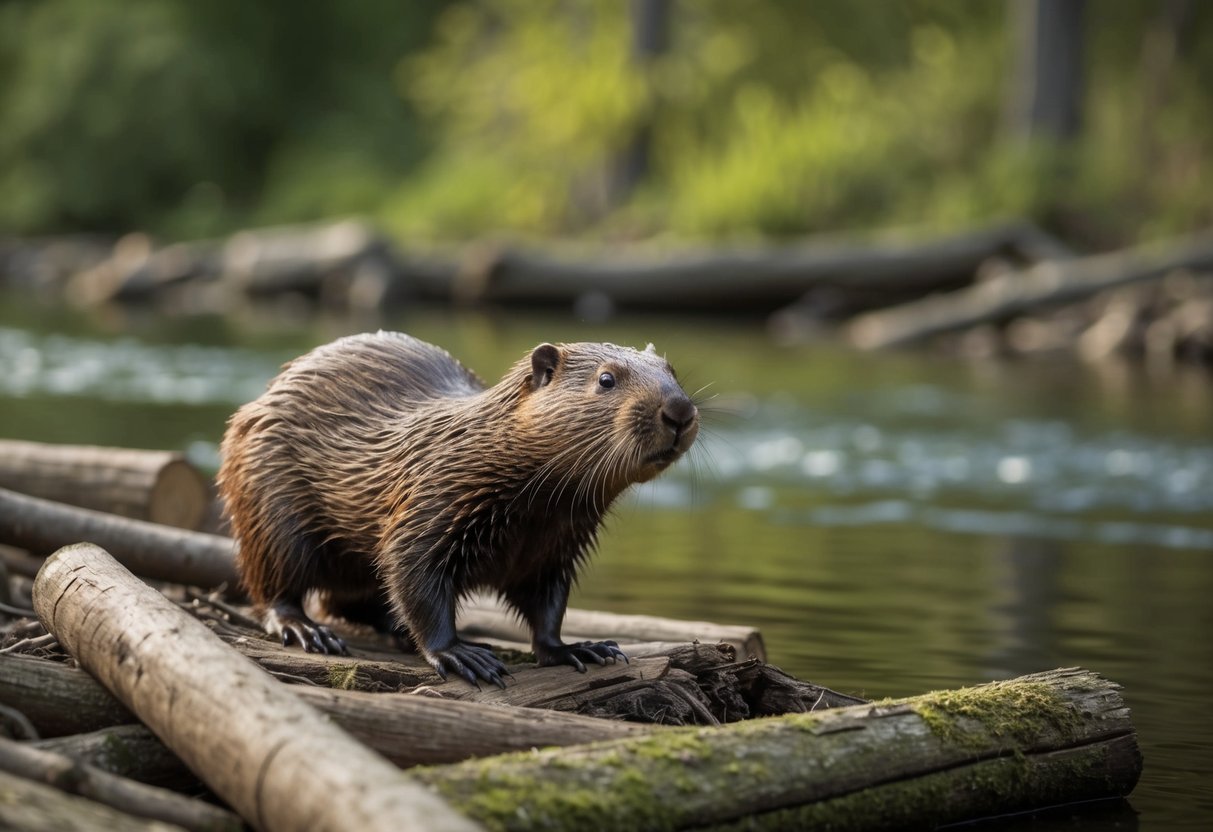
Beavers are fascinating animals known for their unique characteristics and important role in ecosystems. Understanding their behavior, habitat, and population can help you appreciate these creatures better.
Beaver Characteristics
Beavers are the largest rodents in North America, weighing between 35 to 70 pounds. They have thick, waterproof fur that keeps them warm in cold water, and their flat tails serve multiple purposes. You might notice their tails are used for swimming, balance, and even communication.
In addition to their physical traits, beavers are known for their impressive building skills. They construct beaver lodges from branches, mud, and stones. These structures provide shelter and protection from predators. Beavers have strong teeth that continuously grow, so they constantly chew on wood to keep them trimmed.
Habitat and Lifestyle
Beavers typically live near rivers, streams, and lakes, creating ponds by building dams. These dams slow water flow, which creates a safe habitat for them and other wildlife.
As they work on their dams, beaver activity can significantly alter the environment, benefiting various species.
You can often find a beaver lodge submerged in water, with an entrance underwater to avoid predators. Beavers are primarily nocturnal, meaning they are most active at night. They eat a variety of vegetation, including tree bark, leaves, and aquatic plants, ensuring a balanced diet.
The Beaver Population
Beavers were once on the brink of extinction due to fur trading and habitat loss. Today, they are considered a near threatened species in some areas but have made a notable comeback. Their population varies by region and depends on factors like habitat availability and human interactions.
In recent years, conflicts between beavers and humans have become more common. Many people may not realize how important beavers are to their ecosystems. They play a vital role in maintaining healthy wetlands and improving water quality by creating diverse habitats for many plants and animals.
Human-Beaver Interactions
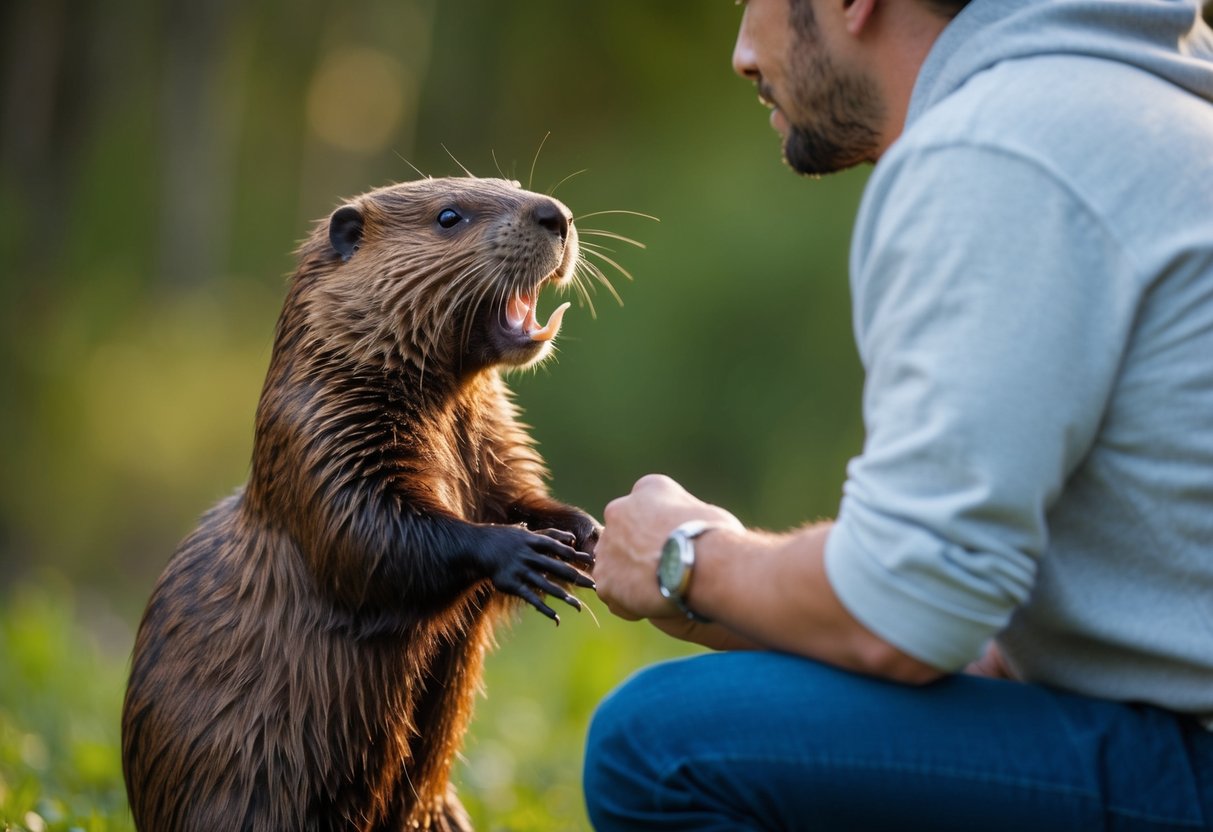
Interactions between humans and beavers can be interesting. Beavers play a vital role in their ecosystem, but they can also show aggression in certain situations.
Beavers in the Ecosystem
Beavers are essential for maintaining healthy ecosystems. They create ponds that provide habitats for many wild animals and fish like salmon. These ponds help sustain biodiversity by creating wetlands, which can improve water quality and reduce flooding.
The beaver population has seen a significant recovery over the years. This comeback benefits ecosystems, as increased beaver activities lead to more habitat creation. Beavers manage landscapes by cutting down trees, which opens up the area for various plants and wildlife to thrive.
Instances of Aggression
While attacks on humans are rare, beavers can become aggressive. They often defend their territory when they feel threatened. If you come too close to their dams or young, they might react.
Reports of aggression have increased as humans interact more with these animals. Rabies can also lead to unusual behavior in beavers, causing them to act aggressively. It’s important to give these wild animals space and respect their habitats to avoid conflicts.
Health Risks Associated with Beavers
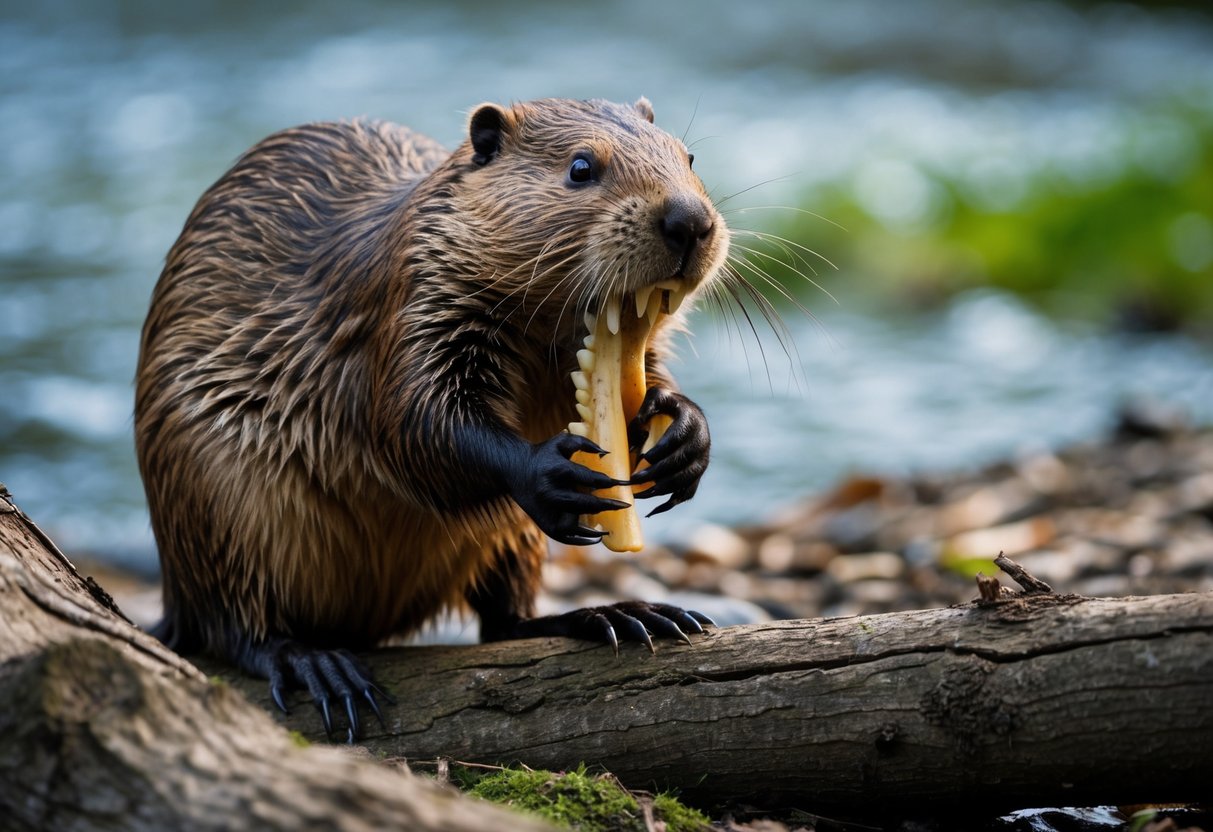
Beavers can pose certain health risks, particularly when it comes to diseases and injuries. Understanding these risks is important for anyone who may encounter these animals. Let’s look at the key health concerns related to beavers.
Rabies in Beavers
Rabies is a serious viral disease that can affect beavers. If a beaver is rabid, it may act unusually aggressive, which can lead to attacks. Rabies is transmitted through bites, so a beaver bite can pose a risk if the animal is infected.
Symptoms of rabies in beavers include behavioral changes, lack of fear of humans, and extreme aggression. If you are bitten, it’s crucial to seek medical attention immediately to evaluate the need for post-exposure rabies treatment.
Beaver attacks due to rabies are rare, but they can happen. Protecting yourself by avoiding close encounters is key.
Other Diseases and Complications
In addition to rabies, beavers can carry other diseases. One of these is giardiasis. This waterborne illness is caused by a parasite found in contaminated water sources.
If you drink or wade in water where beavers have been, you risk exposure to this parasite, which can cause stomach issues. Symptoms may include diarrhea, bloating, and cramps.
A beaver bite can also lead to serious injuries, including bleeding and infection. Always clean any wound immediately and monitor for signs of infection.
By staying aware of the health risks associated with beavers, you can better protect yourself during outdoor activities.
Prevention and Safety Measures
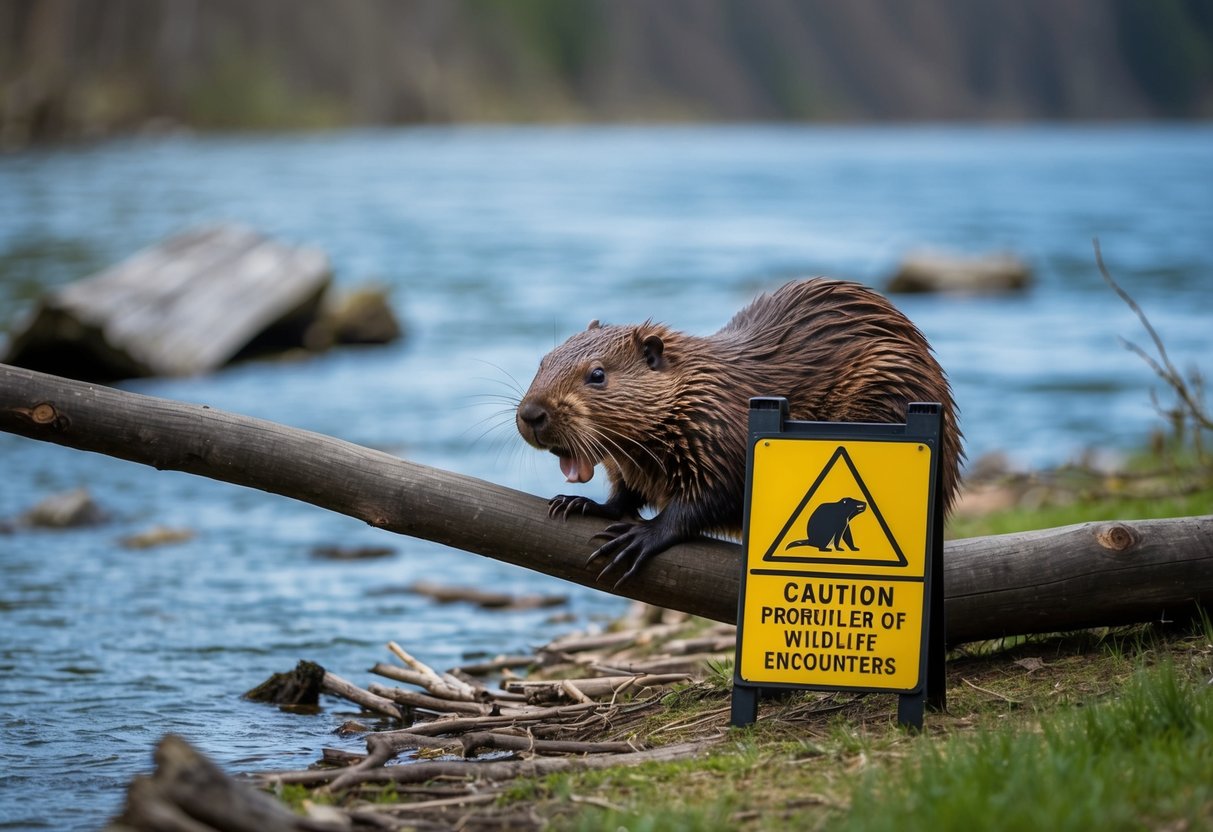
When enjoying nature around ponds, it’s important to know how to stay safe from beavers. They can be protective of their territory, especially if you get too close. Here’s how to avoid conflicts and what to do if you have a close encounter.
Avoiding Beaver Attacks
To prevent beaver attacks, keep your distance from beavers and their homes. Beavers are known to defend their territory aggressively. When visiting areas like a western Massachusetts pond, keep at least 50 feet away from the water’s edge and any beaver dams.
Avoid feeding them or attracting them with food. If you see a beaver, back away slowly without making sudden movements or loud noises.
Always keep pets, especially dogs, on a leash. Dogs can be perceived as threats, which may trigger an attack. Watch for signs that might indicate beaver activity, like gnawed trees, but don’t venture too close.
What to Do After an Encounter
If you find yourself close to a beaver and it behaves aggressively, stay calm. Do not attempt to touch or capture the animal. Back away slowly without turning your back on the beaver.
If a beaver bites you, clean the wound immediately and seek medical attention. Beavers can carry rabies, so it’s crucial to get checked out. Report any aggressive behavior to local wildlife authorities if it poses a threat to others.
Knowing these steps can help you enjoy your time outdoors while staying safe around beaver habitats.


