
If you’ve ever wondered about the history of beavers in Britain, you’re not alone. Beavers once thrived in rivers and streams across England and Scotland. However, overhunting and habitat loss caused them to become extinct by the 16th century, leaving the landscape forever changed.
You might be surprised to learn that the Eurasian beaver was common throughout Europe before its decline. In Britain, these fascinating creatures were hunted for their fur and meat, leading to their disappearance. As you read on, you will discover more about how beavers lived and what their extinction meant for the environment.
The story of beavers is not just about their past; it also holds lessons for our future. Understanding when and why they went extinct can help you better appreciate ongoing efforts to reintroduce these important animals back into British ecosystems. Let’s explore this captivating history together.
Historical Overview of Beavers in Britain
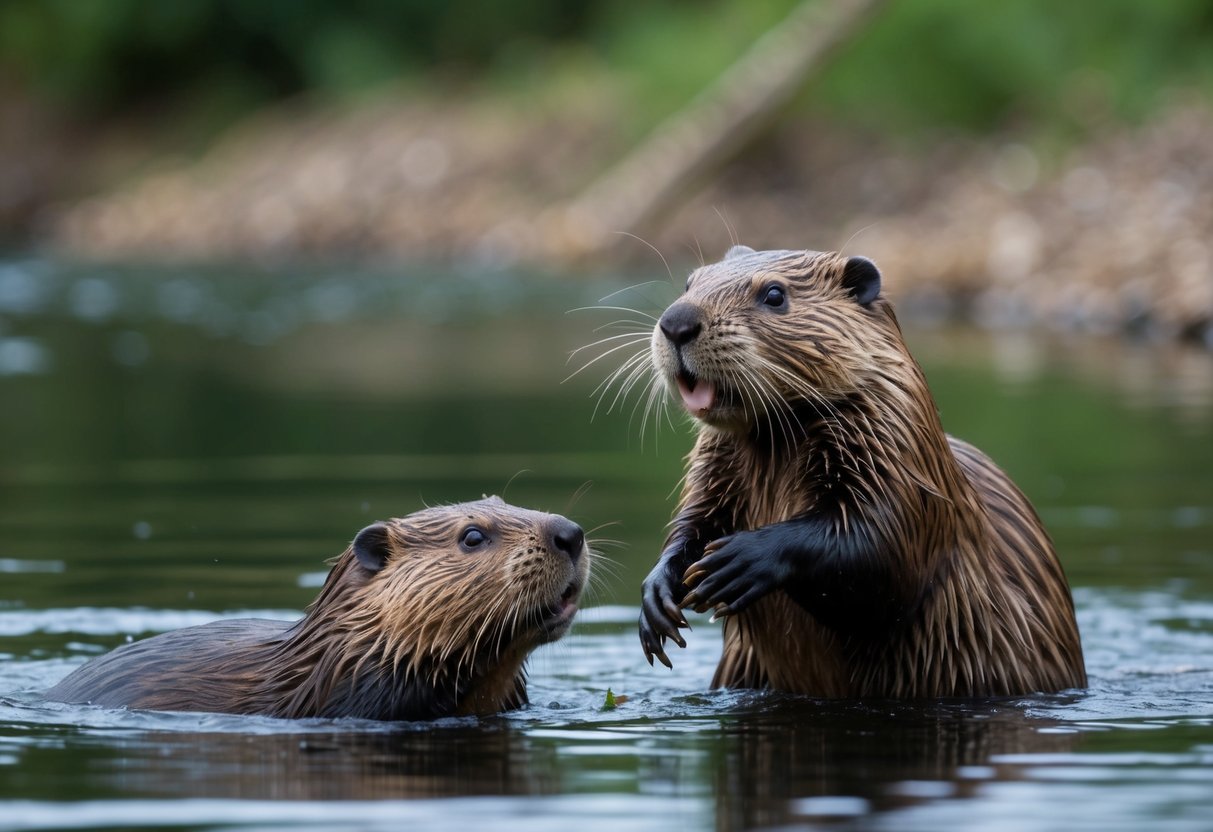
Beavers once thrived in Britain, playing a vital role in the ecosystem. Understanding the reasons behind their extinction and the effects on biodiversity helps appreciate their importance.
Factors Leading to Extinction
Beavers in Britain faced many challenges that led to their disappearance. One major factor was the intense hunting for their fur and meat. This fur trade peaked during the Middle Ages, with beavers being sought after for their pelts.
Additionally, habitat destruction played a significant role. Wetlands, where beavers flourished as ecosystem engineers, were drained for agriculture and development. As their habitats shrank, beavers struggled to find suitable places to live and raise their young.
Predation also impacted beaver populations. While wolves and lynx were once natural predators, the decline of these species reduced balance within the ecosystem. With fewer predators, beavers had less competition, but habitat loss ultimately proved more harmful to their survival.
Impact on Biodiversity and Ecosystems
The extinction of beavers heavily affected biodiversity in Britain. As ecosystem engineers, they created wetlands that supported numerous plant and animal species. Without them, many smaller creatures lost their homes and food sources.
Wetlands help filter water and prevent flooding. The loss of beavers meant fewer wetlands, leading to water quality issues and increased flooding risks in nearby areas. This change disrupted local ecosystems and reduced the diversity of plant and animal life.
With beavers gone, habitats became less dynamic. The once diverse ecosystems struggled to adapt, showing that every species plays a crucial role in maintaining balance. The absence of beavers is a clear reminder of how important they were to Britain’s natural heritage.
Conservation Efforts and Reintroduction
Beaver conservation in Britain has seen significant efforts aimed at reintroducing this important species. These initiatives focus on restoring ecosystems and balancing biodiversity. The following details key movements and trials that have shaped these conservation efforts.
Early Movements for Beaver Reintroduction
Beaver reintroduction began gaining attention in the late 20th century. Early advocates recognized beavers as a keystone species, vital for maintaining healthy ecosystems. They help create wetlands, which improve water quality and prevent eutrophication.
In the early 2000s, conservation groups pushed for legal changes to allow beaver reintroduction. The Scottish government started considering strategies for restoring beaver populations. These movements set the stage for more organized efforts in the years to come.
Scottish Beaver Trial and its Significance
In 2009, the Scottish Beaver Trial began in Knapdale, Scotland. This project aimed to study the impact of beavers on local ecosystems. It marked the first official trial of beaver reintroduction in Britain.
During the trial, beavers were monitored for their effects on biodiversity and habitat. The results showed positive changes in wetland areas, supporting a variety of wildlife. In 2019, beavers were officially designated as a European Protected Species in Scotland. This recognition underscored the importance of their role in conservation.
River Otter Beaver Trial and Beyond
Following the success of the Scottish Beaver Trial, the River Otter Beaver Trial started in 2015. This project focused on the Devon area, aiming to assess beaver behavior in mixed agricultural landscapes. It also investigated how beavers interact with other wildlife.
The trial reported successful breeding and a stable population of beavers. It highlighted the benefits of reintroduction for local ecosystems. The evidence from the trial has encouraged more regions to consider beaver reintroduction projects.
Beaver Biology and Ecology
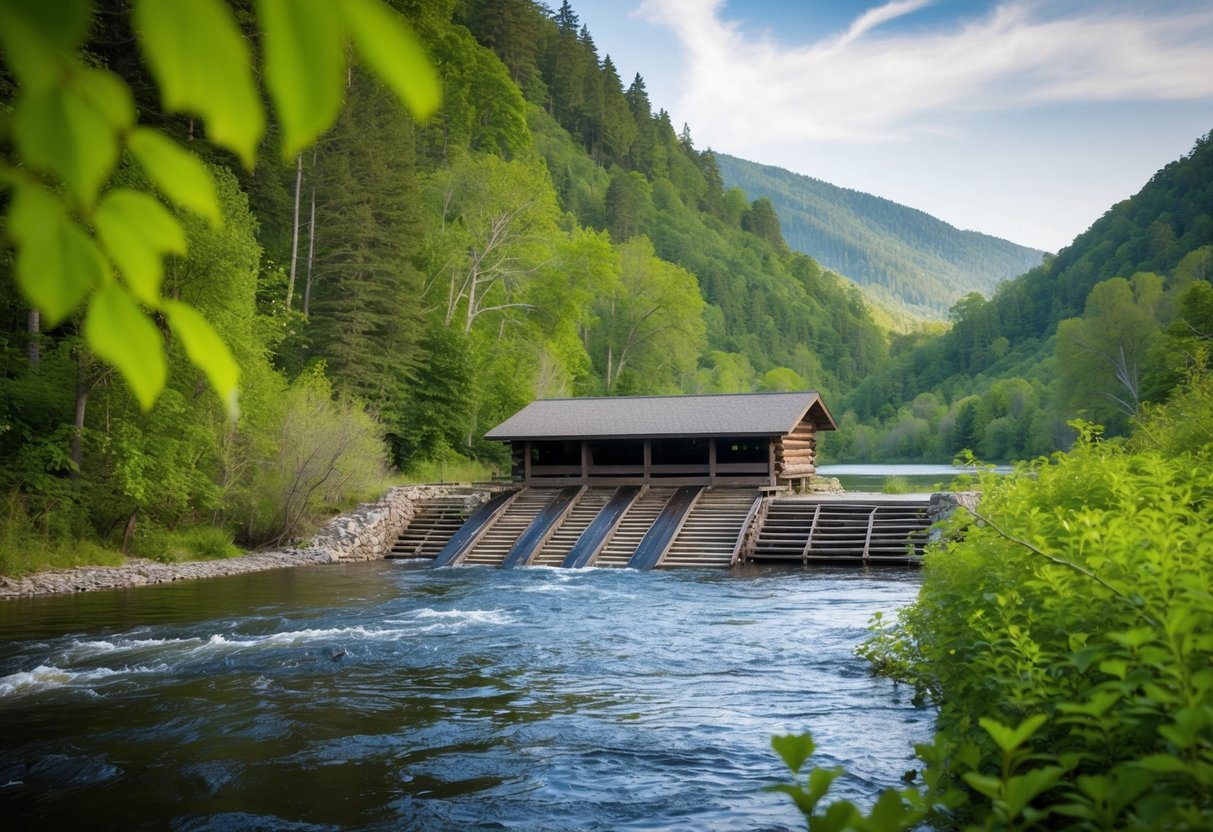
Beavers play a key role in their ecosystems. Understanding their biology and how they interact with their habitat gives you insight into their importance.
Diet and Habitat Preferences
Eurasian beavers primarily feed on woody plants, including tree bark, leaves, and twigs. They enjoy species like aspen, willow, and birch. Their diet changes with the seasons, allowing them to adapt and thrive.
Beavers prefer habitats near water, such as rivers, ponds, and lakes. They need consistent access to these areas for food and as building sites for their dams. A healthy beaver habitat supports diverse plant life, which contributes to the whole ecosystem’s health.
Beaver Dams as Ecosystem Modifiers
Beavers build dams. These dams create ponds that help manage water flow. This leads to increased flooding in certain areas, which can be beneficial.
Ponds provide habitats for many species. These include amphibians and various fish species. The slow-moving water allows plants to grow, boosting biodiversity. Additionally, beavers can improve water quality by trapping sediments and removing pollutants.
Understanding these dynamics reveals how crucial beavers are to maintaining healthy ecosystems.


