
If you enjoy taking your dog out near water, you might wonder about the risks of wildlife encounters. Beavers, known for their building skills and playful nature, can become a concern for pet owners. Beavers can indeed be dangerous to dogs, especially if they feel threatened or cornered.
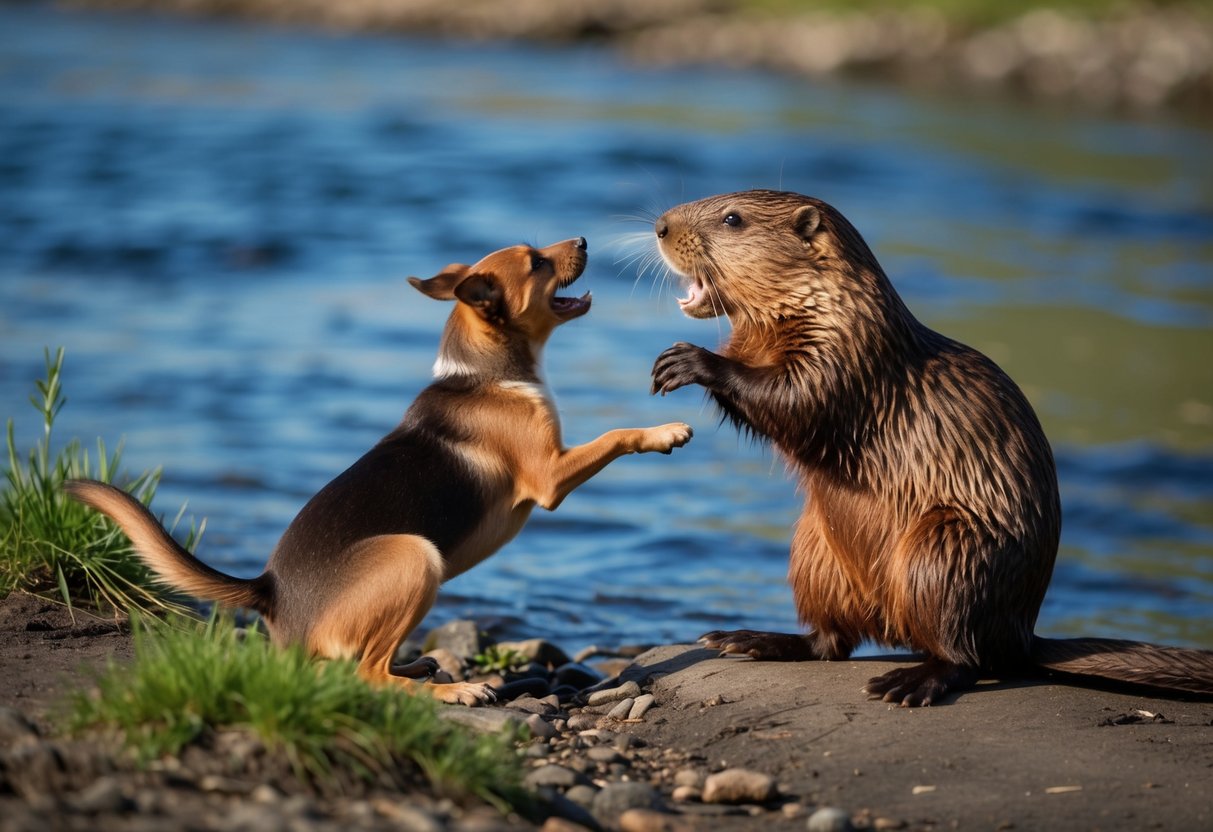
When your dog splashes around, it may unintentionally disturb a beaver’s territory. This can lead to defensive behavior from the beaver, which might result in injuries to your pet.
Understanding how beavers react in different situations can help you keep your furry friend safe while still enjoying outdoor adventures.
As you explore this topic, you’ll find tips on how to recognize potential dangers and what actions to take if you see beavers while out with your dog. With the right knowledge, you can enjoy your time in nature without worrying about unexpected encounters.
Understanding Beaver Behavior
Beavers are fascinating creatures with unique behaviors that can help explain their interactions with dogs and other animals. By understanding their instincts and surroundings, you can better navigate encounters with them.
Territorial Instincts and Aggression
Beavers are known for their strong territorial instincts. They can become aggressive when they feel their territory is threatened. When humans or pets approach too closely, beavers may see them as intruders.
Their aggression can include vocalizations or even charging. While beavers are usually shy, their behavior can change if they feel cornered. You should always keep a safe distance if you see a beaver. Recognizing their personal space is key to avoiding conflicts, particularly with your dog or other pets.
Signs of a Beaver Attack
Beavers can attack if they feel threatened. It’s important to watch for certain signs. If a beaver slaps its tail on the water, it’s warning you or showing agitation.
Approaching a beaver too closely can lead to trouble. They are capable of inflicting serious injuries with their razor-sharp teeth or heavy front claws. You should ensure your dog is secured and away from the area if you observe this behavior. Staying alert can prevent any harmful encounters.
Beaver Habitats and Territory
Beavers primarily live near rivers, lakes, and streams. Their homes, or lodges, are built from sticks, mud, and reeds. This habitat allows them to be close to their food sources, which include various plants and tree bark.
Each beaver has a defined territory that they will defend from intruders. If your dog wanders into this area, it may provoke a reaction. Understanding that beavers are protective of their home can help you keep your pets safe. Avoiding beaver habitats during walks will minimize any risks for both you and your dog.
Potential Risks to Dogs
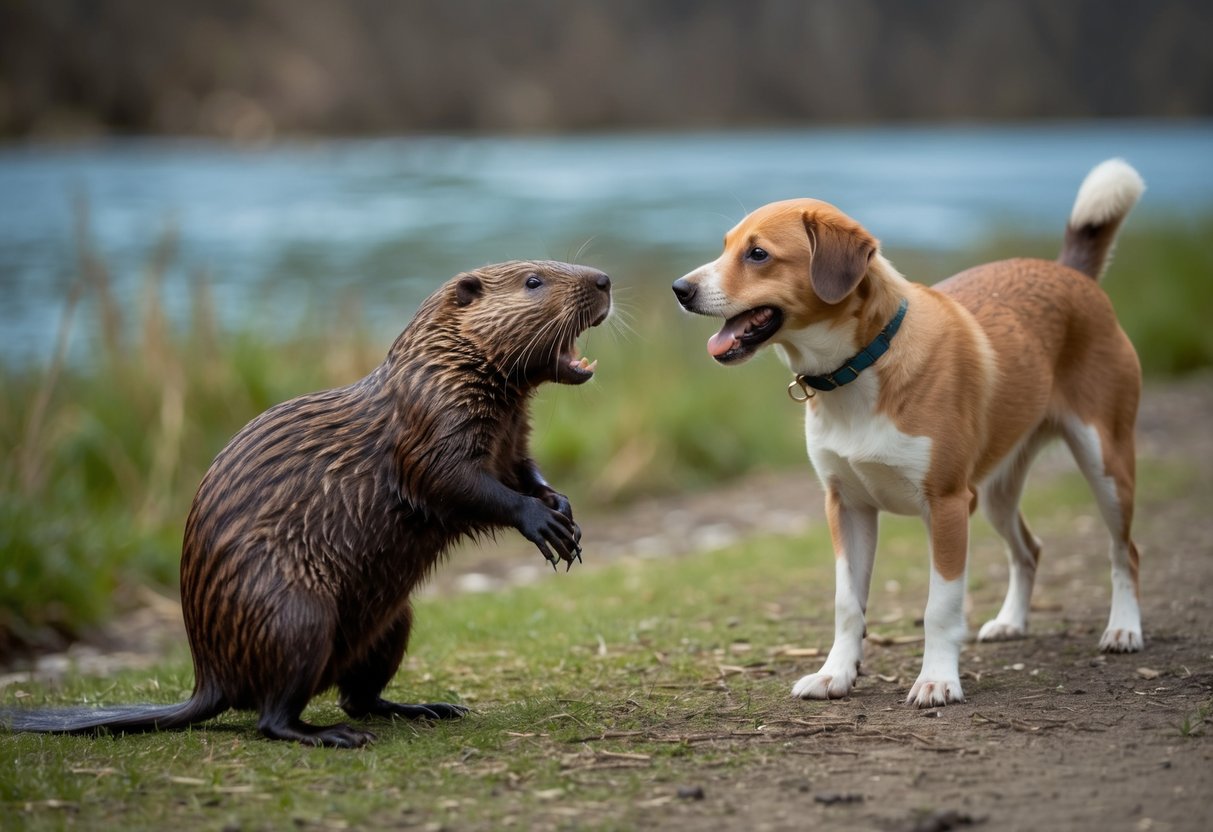
When exploring areas with beavers, it’s important to be aware of the potential risks to your dog. Understanding these hazards can help you keep your furry friend safe in the wild.
Hazards of Beaver Dams and Ponds
Beaver dams create unique ecosystems, but they can also pose risks for your dog. The water around beaver ponds can be deeper than it looks. Your dog could easily slip and fall in, leading to accidental drowning.
Additionally, the surrounding area can be very muddy and unstable. If your dog runs near a dam, they might get stuck or injured. Flooding from beaver activity can also create dangerous conditions, leading to unexpected traps or swift currents.
Always keep an eye on your dog when near beaver habitats to prevent accidents.
The Threat of Beaver Bites
While beavers are generally not aggressive, they can become defensive if they feel threatened. If your dog approaches a beaver, especially if your pet is barking or chasing them, a beaver may react by biting.
Beaver bites can be serious due to their sharp teeth and strong jaws. These injuries may require immediate veterinary attention, as they can lead to infections.
It’s wise to keep your dog on a leash when walking in areas where beavers live. This way, you can avoid any startling encounters that could lead to a bite.
Rabies and Other Health Concerns
There is a slight chance that beavers could carry rabies, which is a serious concern for pets. Although rabid beavers are rare, any animal exhibiting unusual behavior should raise alarms.
If your dog is bitten by a beaver, it’s essential to consult your vet. Besides rabies, beavers can carry parasites and diseases like Giardia. These can affect your dog’s health if they come into contact with contaminated water or food.
Keeping your dog’s vaccinations up to date can help protect them from these health risks. Regular vet check-ups are also a good practice to ensure your dog’s ongoing health.
Preventing and Managing Conflicts
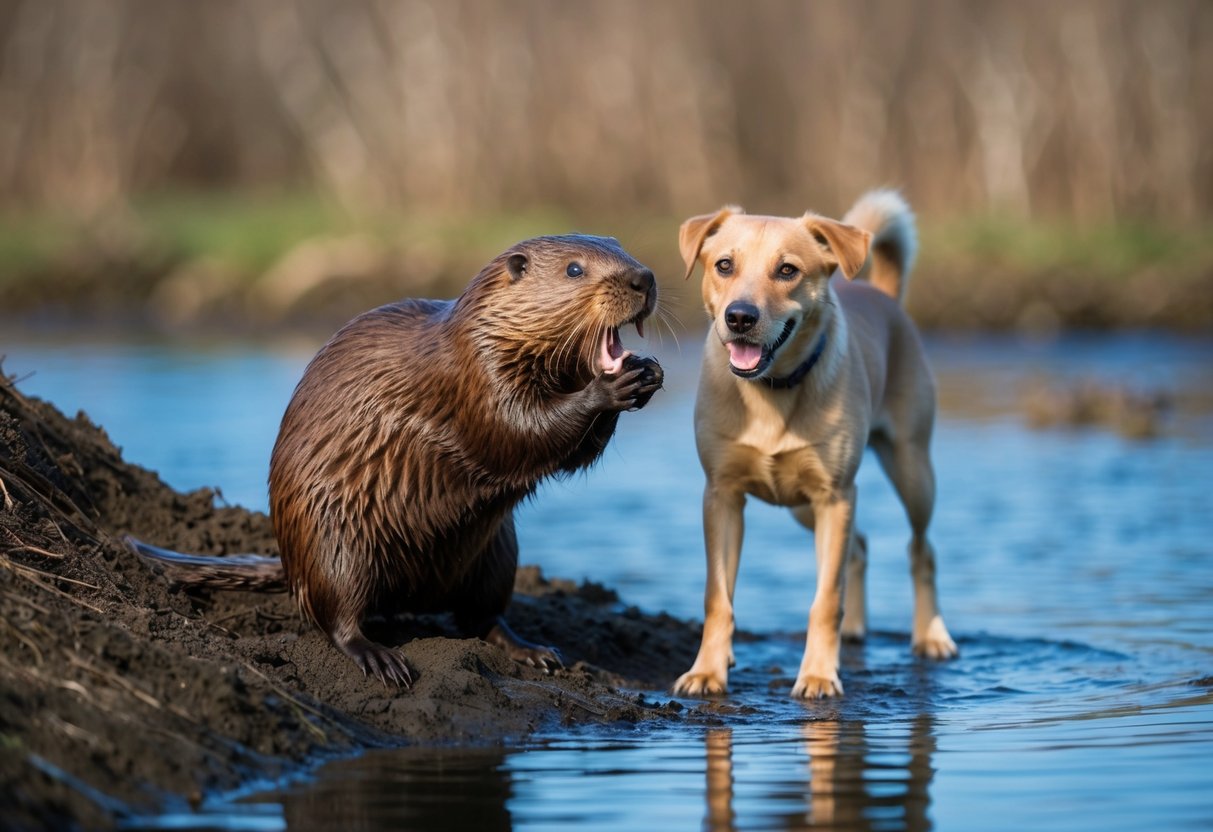
Taking steps to prevent conflicts between your dog and beavers is important for keeping both safe. Understanding how to protect your dog and knowing when to control beaver populations can help you coexist peacefully with these wildlife neighbors.
Protecting Your Dog from Beavers
To keep your dog safe, supervise them when they are near water where beavers might live. Be aware of signs of beaver activity, such as gnawed trees or mud piles. If you notice these signs, it may be wise to keep your dog on a leash.
Additionally, be cautious of your dog’s behavior around beavers. If your dog shows intense curiosity, redirect them away immediately. Training your dog with commands like “leave it” can be effective. Installing barriers, like fences, can also help keep your dog away from areas where beavers are active.
When to Get Rid of Beavers
If beavers are consistently causing problems, like damaging property or creating dangerous conditions around water, you may need to seek help. It’s essential to contact a wildlife biologist to assess the situation. They can provide advice on how to manage the beaver population effectively.
In some cases, relocation may be necessary. However, regulations often govern this process. It’s vital to consult your local wildlife authority to understand the laws. They can guide you on safe and humane methods to handle beaver conflicts.
Conservation and Coexistence
Protecting your dog is important, but remember that beavers play a significant role in the ecosystem. They create wetlands that benefit many species.
Consider strategies that promote coexistence rather than conflict.
Habitat modifications, like installing spillways in beaver dams, can reduce flooding without harming beavers. You can also implement noise deterrents to encourage beavers to stay away from specific areas.
Engaging in local conservation efforts can enhance understanding of how wildlife, including beavers, can coexist with pets and people.


