
If you’re curious about where to see beavers in the UK, you’re in for a treat. These charming creatures are making a comeback across Britain, thanks to rewilding efforts. The best places to spot beavers are in large enclosures within wildlife parks or by visiting designated areas in nature reserves.
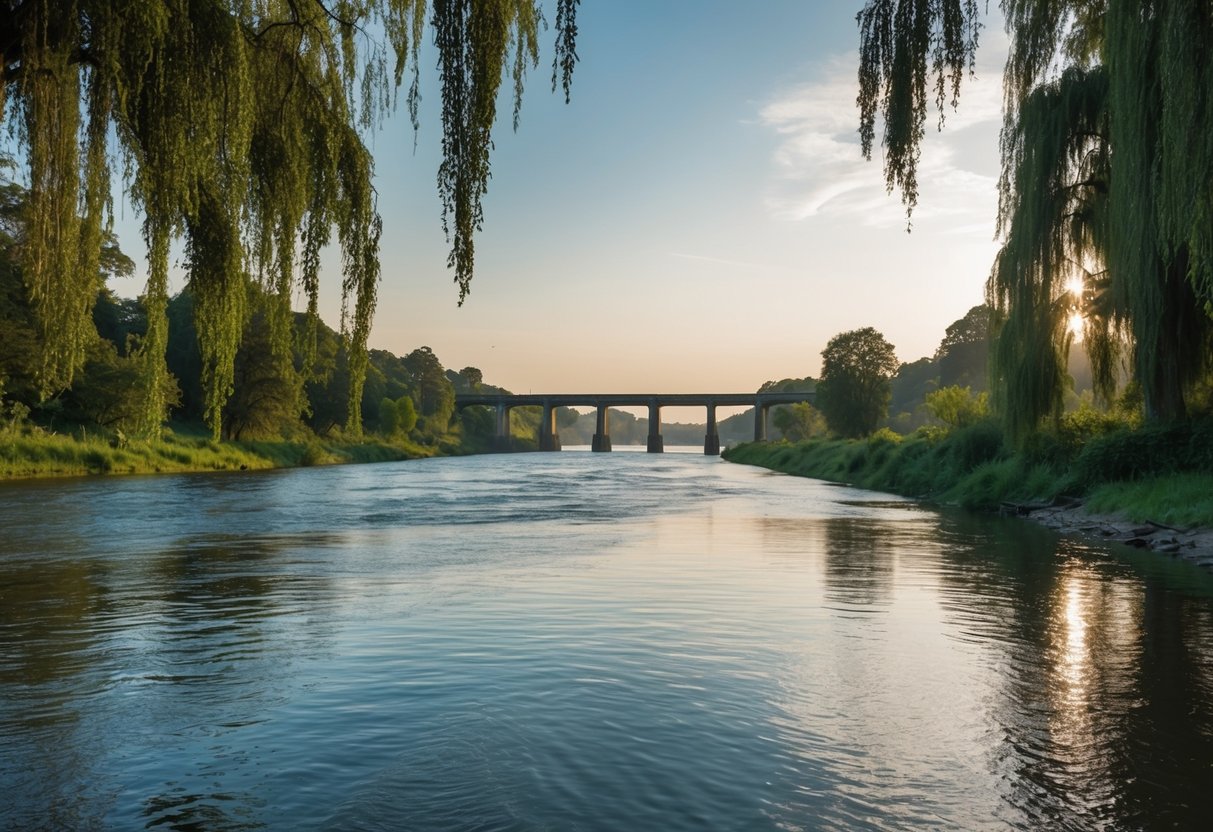
Many locations allow you to see beavers in their natural habitats, where you can witness their impressive dam-building skills. From the tranquil waters of Scotland to various sites in England, you have plenty of options for an adventure.
Exploring these areas not only gives you a chance to see beavers up close but also helps support the important work of wildlife conservation. With a little planning, you can enjoy a memorable experience while connecting with nature.
The Best Beaver Habitats in the UK

If you are looking to spot beavers in the UK, several fantastic habitats offer the chance to see these wonderful animals in their natural settings. Here are some of the best places to explore where you can find wild beavers, their ponds, and dams.
Knapdale Forest in Scotland
Knapdale Forest is a premier site for beaver watching in Scotland. This area is part of a beaver project designed to reintroduce these animals to the wild. You can find well-maintained trails that offer excellent views of beaver ponds and the intricate dams they build.
The local wetlands provide a rich habitat for various wildlife. Visitors often report exciting beaver sightings, especially during dawn or dusk. Joining guided tours can enhance your experience, as knowledgeable guides will help you learn more about beavers and their environmental impact.
Devon’s River Otter
Devon’s River Otter is another hotspot for observing beavers. This river has been a focus of a successful beaver reintroduction project, allowing these animals to thrive. The riverbanks are lush with vegetation, making it an ideal place for beaver foraging.
As you walk along the river, keep an eye out for beaver dams and signs of their activity. The best time for sightings is early morning or late evening when beavers are most active. The tranquil environment and beautiful scenery make this location perfect for a peaceful outing.
River Tay in Perthshire
The River Tay in Perthshire is well-known for its diverse wildlife, including a growing population of beavers. This area has become a wonderful example of how beavers can help restore wetlands and improve the ecosystem.
You can spot beavers working on their dams or swimming in their ponds as you explore. Parks along the river often have information boards that educate visitors about the beavers and their role in nature. Enthusiastic wildlife observers can also join local tours to increase their chances of spotting these fascinating animals.
Wildlife and Ecosystems To Discover While Beaver Spotting
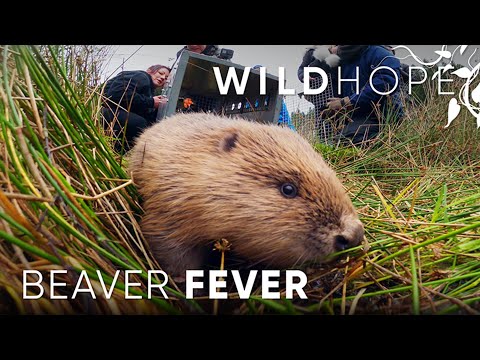
When you go beaver spotting, you’ll likely find an exciting mix of wildlife and unique ecosystems around you. Observing these animals and their habitats enriches your experience and deepens your appreciation for nature.
Local Wildlife
In the areas where beavers thrive, you’ll encounter various fascinating wildlife. Kingfishers are commonly seen darting over the water, their bright colors a striking contrast against the greenery. You might catch sight of otters playing or resting along riverbanks, as they share habitat with beavers.
Moreover, look up! Birds of prey, such as kestrels and buzzards, often nest nearby. They hunt for smaller animals, which adds to the vibrant ecosystem. Keep your eyes open for wildlife sightings at different times of the day, as many animals are more active at dawn and dusk.
Beaver Dams and Their Influence
Beaver dams create vital habitats for various species. These structures help to slow down water flow, leading to the formation of wetlands. This transformation offers a rich environment for fish, amphibians, and countless insects.
The ponds created by beaver dams provide safe breeding grounds for many creatures. You’ll find diverse plant life, which attracts insects and provides food for larger animals. Additionally, these areas help improve water quality and support a broader ecosystem.
Witnessing beavers at work can deepen your understanding of nature’s balance. Their engineering skills lead to thriving ecosystems that benefit many other wildlife species.
Beaver Watching Tips and Tours
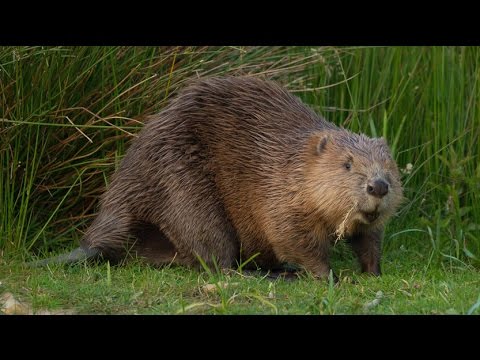
Beaver watching can be an exciting experience, especially if you know what to bring and when to go. Engaging in guided tours can enhance your chances of spotting these fascinating creatures in their natural habitat. Here are some helpful tips and options for your beaver watching adventure.
What You Need for Beaver Spotting
To make the most of your beaver spotting, be prepared. Here’s a checklist:
- Binoculars: These are essential for observing beavers from a distance without disturbing them. Choose a lightweight pair that’s easy to carry.
- Camera: Capture the moments, but remember to respect wildlife and avoid using flash.
- Comfortable footwear: Wear sturdy shoes for walking in nature.
- Weather-appropriate clothing: Dress in layers, as temperatures can change quickly.
Bring a small notebook to jot down your observations. Sharing your experiences will make them more memorable!
Guided Beaver Tours
Opt for a guided tour to enhance your experience. Organizations like Aquila Ecology offer tailored tours along scenic rivers. These guided experiences not only provide you with expert knowledge but also increase your chances of spotting beavers.
You may encounter evening tours that allow you to watch beavers as they become active at dusk. During these tours, guides share fascinating insights about beaver behavior. These opportunities create a deeper connection to nature and its inhabitants.
When To Go Beaver Watching
Timing is key for successful beaver watching. The best periods are during summer evenings when beavers are most active.
- Optimal times: Dusk is ideal, typically between 7 PM and 9 PM.
- Seasons: Spring and summer months, especially from April to August, are great for spotting young beavers as they learn to navigate their environment.
Plan ahead and check local beaver activity reports to increase your chances of a successful outing.


