
If you’ve ever thought about having a beaver as a pet, you’re not alone. These unique animals are fascinating with their playful nature and impressive building skills. However, you cannot own a beaver as a pet in the UK. Beavers are classified as wild animals and have complex needs that make them unsuitable for home life.
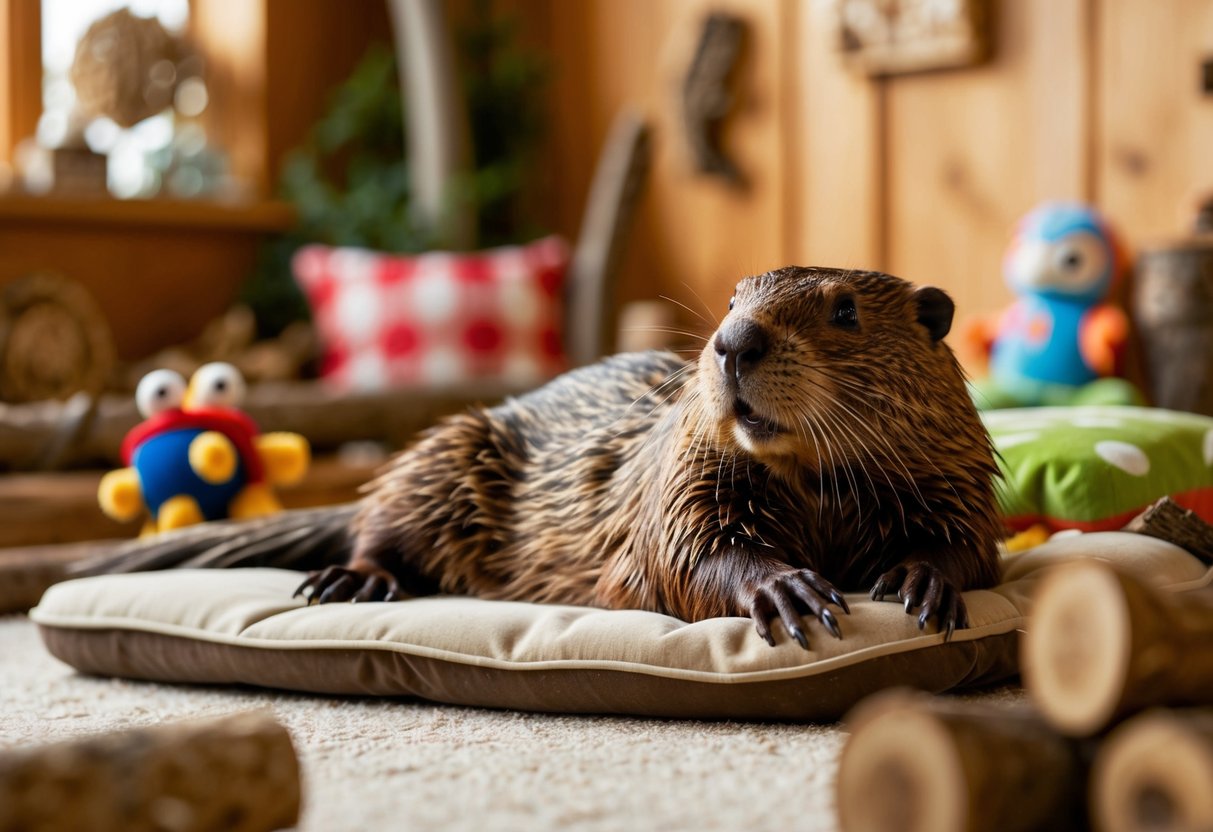
Caring for a pet beaver requires specialized knowledge and resources. They need ample space, specific diets, and plenty of water.
Moreover, their natural behaviors, like gnawing and dam-building, can lead to serious damage in a home environment. This makes keeping them as pets challenging, even in locations where it might be legally permitted.
While it’s tempting to think of having a beaver as a pet due to their cute appearance, it’s important to remember their wild instincts. Instead, consider exploring other pets that may better fit your lifestyle, while appreciating beavers in their natural habitat.
Understanding Beavers as Pets

Beavers are unique creatures with specific needs and characteristics. If you’re considering a beaver as a pet, it’s vital to recognize the legal, ethical, and social aspects involved in this decision.
Legal Considerations
In the UK, keeping beavers as pets is often regulated. They are considered wild animals, which means there are strict laws regarding their care and ownership. You must check local and national regulations before thinking about adopting a beaver.
Many areas have rules against keeping beavers because they play essential roles in ecosystems. Illegal ownership can lead to penalties.
It’s essential to verify the current laws in your area to avoid issues and protect local wildlife.
Ethical Considerations
Ethical concerns play a significant role in the discussion of keeping beavers as pets. Beavers thrive in natural environments, where they can build dams, swim, and socialize. In a domestic setting, you may struggle to meet their complex needs.
Moreover, removing beavers from their habitat can disrupt local ecosystems. They are vital for maintaining wetlands and supporting other wildlife.
Before considering a beaver, think about the potential harm to both the animal and the environment.
Social Media Influence
Social media can heavily influence trends in pet ownership. Pictures and videos of beavers may seem adorable and appealing. However, these posts often overlook the responsibilities and challenges of owning such a wild animal.
Platforms can glamorize beaver ownership without showcasing the reality. Many pet beaver stories end in struggle or surrender when owners can’t provide proper care.
It’s important to remember that social media lacks the full story and can lead to impulsive decisions. Always prioritize research and informed choices over trends before considering a pet beaver.
Beaver Care and Requirements
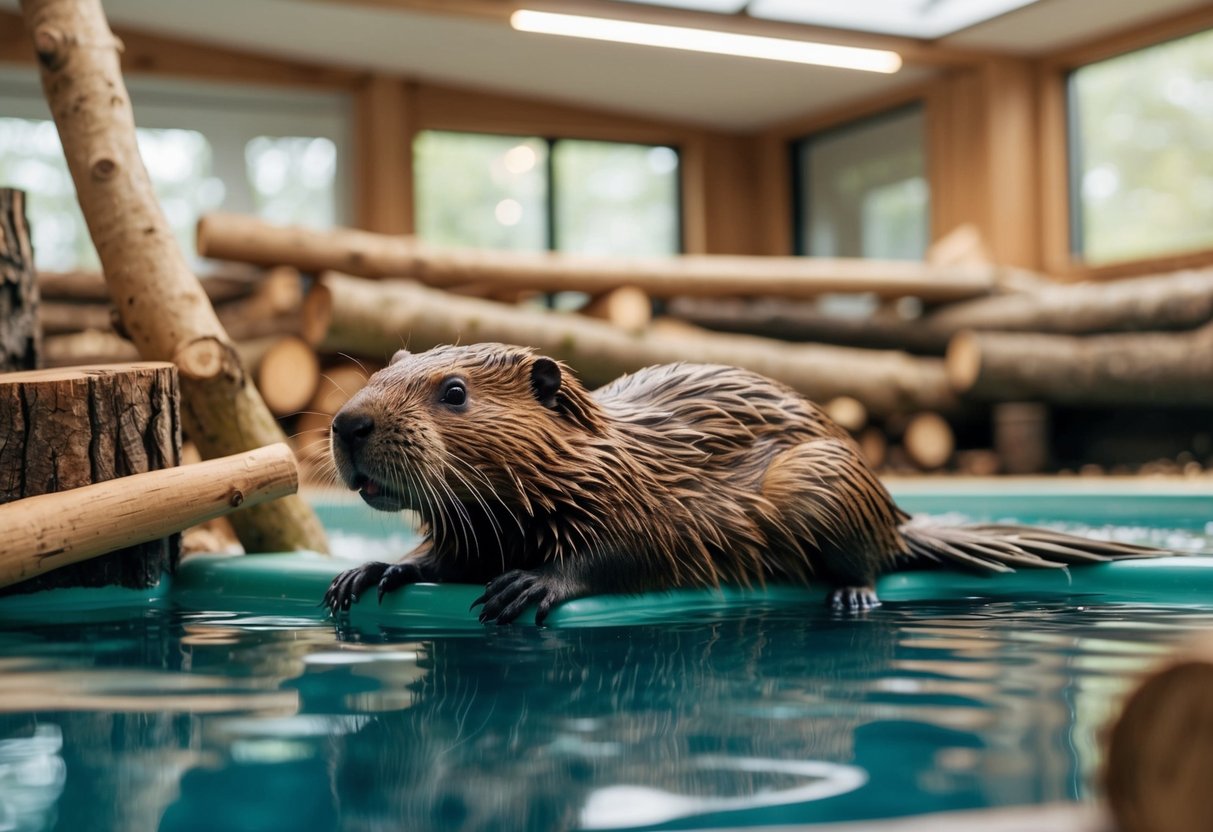
Caring for a beaver requires specific knowledge about their needs. Understanding their diet, habitat, and behavior is essential to ensure their well-being.
Dietary and Habitat Needs
Beavers are herbivores, meaning they thrive on a plant-based diet. Their meals typically include leaves, aquatic plants, and the bark of trees. Providing a mix of these foods is important to mimic their natural diet.
Creating a suitable beaver enclosure is also crucial. They need plenty of space to move and access to water for swimming.
A pond or deep water area is ideal, as this supports their natural behaviors, like building dams. The enclosure should have natural vegetation to provide food and shelter.
Veterinary and Enrichment
Beavers require regular veterinary care, just like any other pet. Finding a vet specialized in exotic animals is advisable. Routine check-ups can help spot health issues early.
Adding enrichment activities to their environment is essential. Giving them materials like fresh branches promotes natural behaviors, such as gnawing and building.
Consider adding tunnels and hiding spots in their enclosure to stimulate their curiosity and encourage exploration.
Behavioral Challenges
Beavers can exhibit certain behavioral challenges. They are naturally social animals and can become stressed if they feel isolated.
It’s important to provide them with companionship or interactive toys.
They may also display destructive behaviors. Chewing on furniture or creating messes can happen if they don’t have enough appropriate things to chew on.
Be prepared for these behaviors and ensure their space is equipped with safe items to keep them occupied.
The Realities of Owning a Beaver
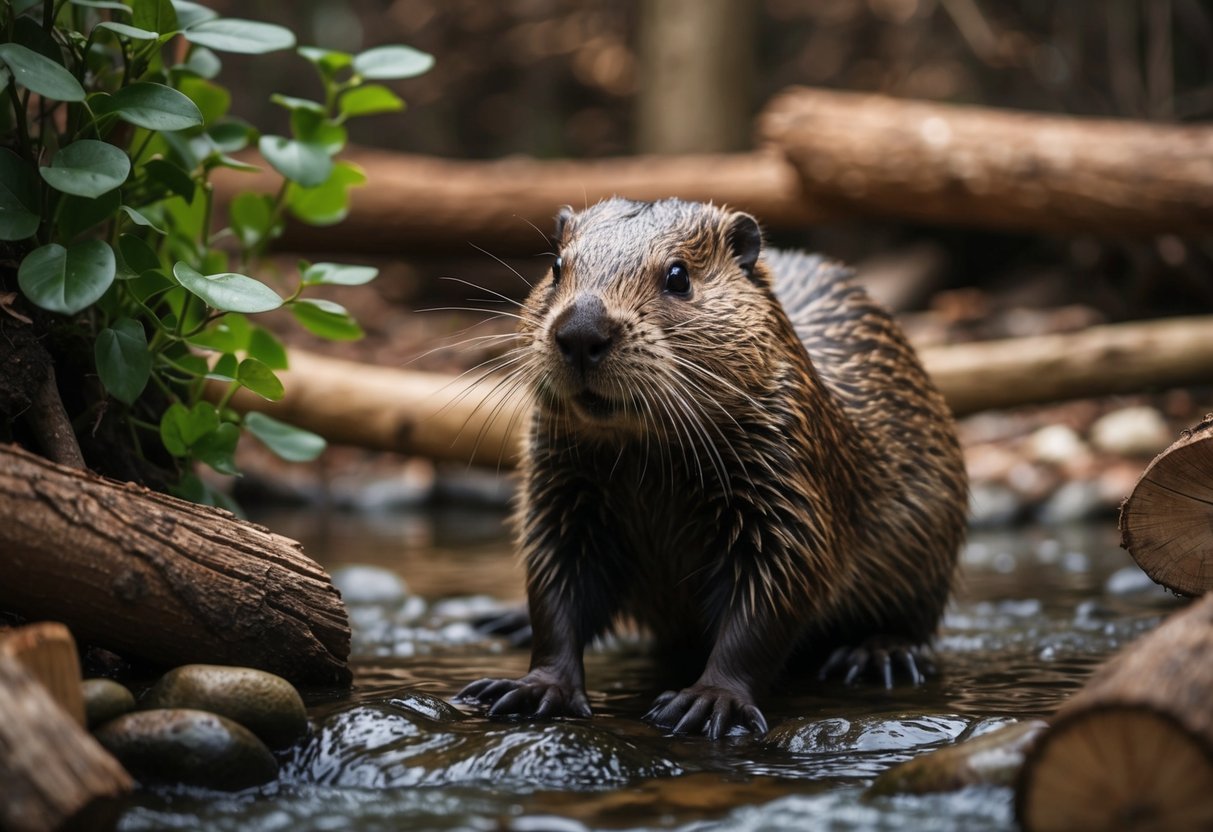
Owning a beaver comes with unique challenges and responsibilities. It raises important questions about conservation and the impact on the environment. You need to consider alternatives to pet ownership that can still satisfy your desire to care for a unique animal.
Challenges and Responsibilities
Caring for a beaver requires a lot of commitment. These animals are semi-aquatic and need specific habitats, like ponds with running water.
You’ll also need to provide a constant supply of wood for chewing. They have strong teeth that keep growing, so chewing is essential for their health.
Additionally, beavers cannot thrive in small cages. They require space to swim and engage in natural behaviors.
Regular veterinary care is another great responsibility. Finding a vet familiar with exotic animals can be challenging.
You must also check local laws, as keeping a beaver can be illegal in some areas due to their status as wild animals.
Beaver Conservation
Beavers are considered a keystone species, which means they play a crucial role in their ecosystems. They help create wetlands, which support a wide variety of wildlife.
Removing beavers from the wild can harm these ecosystems and reduce biodiversity.
When you think about having a beaver as a pet, consider the impact on their populations. Instead of keeping them as pets, supporting conservation efforts is important. This helps ensure their habitats remain protected and healthy for future generations.
Alternatives to Ownership
Aquatic rodent enthusiasts have alternatives to owning a beaver. For example, consider a nutria or a capybara. These animals have similar behaviors and needs but are often easier to care for.
Another option is to engage in wildlife rehabilitation. Many organizations look for volunteers to help care for orphaned or injured animals. This way, you can contribute to animal welfare without keeping a wild animal at home.


