
Beavers were once a common sight in the UK, but hunting and habitat loss led to their extinction many centuries ago. Today, these fascinating creatures are making a comeback. Yes, there are wild beavers in the UK, especially in Scotland, where they have been reintroduced and are now a legally protected species.

Their presence is significant for wildlife and conservation efforts. Beavers play a vital role in creating healthy wetland ecosystems, which benefit many other species.
As you explore the countryside, you might even have the chance to spot these busy builders at work, shaping their environment in ways that support diverse wildlife.
If you’re curious about where to see beavers in the wild or learn more about their conservation, there are several places across Britain dedicated to their protection and observation. Discovering the journey of beavers back to their rightful home can inspire you to appreciate and support wildlife conservation in your area.
History of Beavers in the UK

Beavers have an interesting history in the UK, marked by their extinction and recent reintroduction efforts. Understanding how this species has changed over time can give you insight into their role in the ecosystem.
Extinction and Reasons
The Eurasian beaver, also known by its scientific name Castor fiber, once roamed widely across the UK. However, by the 16th century, these animals faced extinction due to excessive hunting.
Their fur was highly prized, and beavers were hunted not only for it but also for meat and castoreum, a substance used in perfumes and medicine. This relentless persecution led to their disappearance from Britain.
By the time of their extinction, beavers had already played a vital role in creating wetland habitats. Without them, many ecosystems began to suffer.
Current Status and Reintroduction Efforts
In recent years, efforts have been made to reintroduce beavers to their natural habitats in the UK. Wildlife Trusts have been at the forefront of these initiatives.
One key project is the Scottish Beaver Trial at Knapdale, which started in 2009. This trial aimed to monitor the impact of reintroduced beavers on the local environment.
Today, you can find wild populations of beavers in areas of Scotland, England, and Wales. These creatures are now legally protected, helping to restore important wetland ecosystems.
Thanks to these efforts, beavers are returning to their rightful place in the UK’s wildlife.
Beavers’ Role in Ecosystems
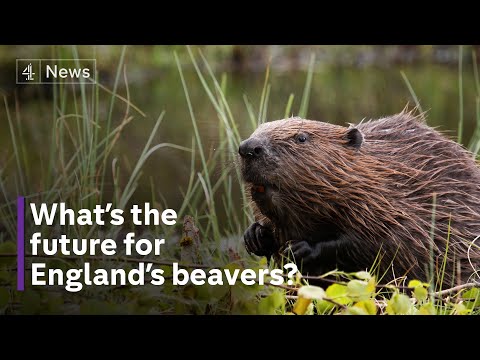
Beavers are important to ecosystems in many ways. They create habitats like wetlands and ponds, which support diverse wildlife. As ecosystem engineers, they significantly influence water quality and biodiversity.
Keystone Species Importance
Beavers are considered a keystone species. This means their presence has a huge impact on their environment. By building dams, they create ponds that slow down water flow. This allows water to soak into the ground, recharging groundwater supplies.
These ponds provide essential habitats for various plants and animals. Many aquatic species thrive in these areas. Furthermore, beaver activities help to prevent downstream flooding by managing water levels in rivers and surrounding areas.
Effects on Biodiversity
The creation of wetlands by beaver dams enhances biodiversity. Wetlands are rich in plant life, which supports many different animal species. This includes fish, amphibians, and birds that rely on these unique ecosystems.
Beavers help improve water quality, as slow-moving water allows sediments to settle. This can lead to clearer water, benefiting all aquatic life. Additionally, these habitats provide crucial resources like food and shelter, fostering a balanced ecosystem where many organisms can thrive.
Challenges and Concerns

Beavers in the UK bring many benefits, but they also create some challenges. These issues often involve human-wildlife conflicts and the impact on agricultural land. It’s important to understand these concerns to balance wildlife conservation with community needs.
Human-Wildlife Conflicts
As beaver populations grow, interactions with humans increase. This can lead to conflicts. For instance, beaver dams can block waterways, causing higher water levels. This disrupts local communities and can lead to property damage.
You might notice that increased flooding risks might affect your riverbank, especially during heavy rains. Beavers also attract predators, which can create anxiety for livestock owners. Educating the community about coexistence can help reduce these conflicts while protecting both beavers and human interests.
Flooding and Agricultural Impact
Beaver dams can create beautiful wetlands, but they also raise concerns about flooding. The water buildup can impact agricultural land, making some areas too wet for crops. This unplanned flooding can lead to losses in harvest and affect your livelihood.
Farmers may need to adapt their practices to manage these changes. Some use fencing or water management techniques to protect crops from flooding. Climate change complicates this issue, as changing weather patterns may exacerbate flooding and alter river systems. Finding a solution that works for everyone is key to addressing these concerns.
Seeing Beavers in the Wild
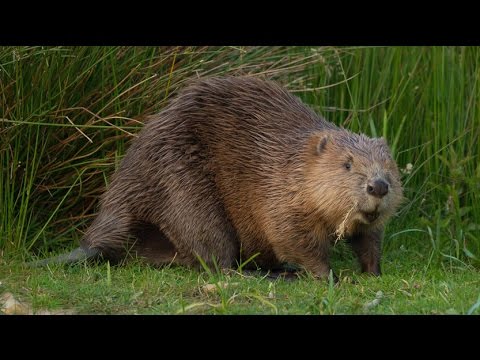
If you’re interested in spotting beavers in the wild, you have some fantastic options in the UK. This section explores the best locations and times for viewing these fascinating creatures, as well as tips for responsible wildlife watching.
Best Locations and Times
To see beavers in the UK, head to regions like the River Otter in Devon. Here, several family groups thrive, and they are often seen in the evening. The River Tay in Scotland is another great spot to witness their activity, especially during crepuscular hours, when they are most active.
You can also visit various beaver projects that offer guided tours or trails. Check if any specific beaver trials are happening, as these can provide excellent viewing opportunities. Remember, beavers are shy, so quiet observation is key. The best time to see them is during dawn or dusk when they are foraging for food.
Responsible Wildlife Watching
When you watch beavers, remember to respect their habitat. Stay at a safe distance to avoid disturbing them. Use binoculars for a closer look without intruding on their space.
If you’re on a trail or near the river, stick to paths to protect their environment. Don’t feed beavers, as this can disrupt their natural behavior. Always follow local guidelines related to wildlife watching.
If you’re part of a beaver project tour, listen closely to your guide for tips on minimizing your impact. Your aim is to enjoy observing these amazing animals while ensuring they remain undisturbed and safe.


