
Beavers are fascinating creatures that play an important role in their ecosystems. In recent years, many people have been discussing their population in the United Kingdom. Due to conservation efforts, their numbers have been on the rise since their reintroduction after nearly being wiped out over 400 years ago.
As of now, there are approximately 1,000 to 1,500 beavers living in the wild across the UK.
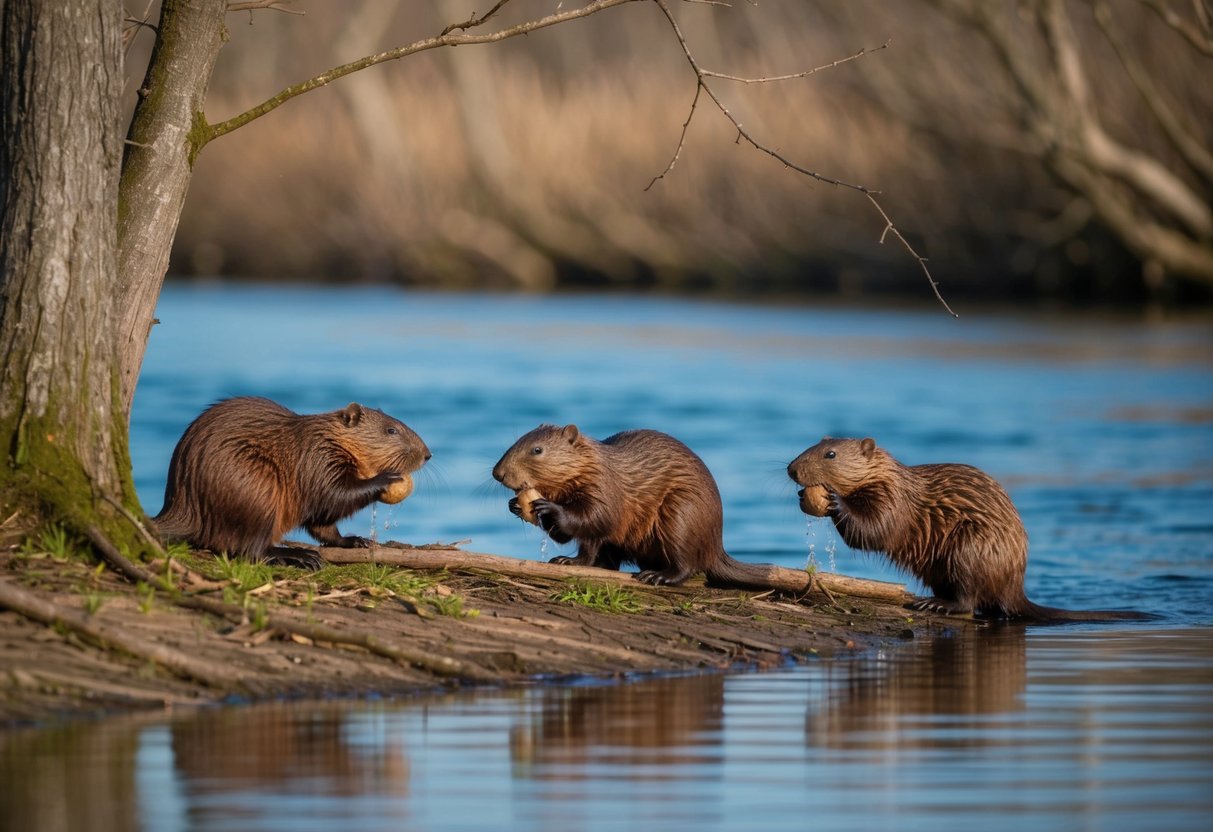
These remarkable animals are not only vital to maintaining healthy wetlands but also enhance biodiversity. The growing beaver population presents an opportunity for many people to learn more about their impact on the environment. If you’re curious about the factors influencing their numbers, and how they are changing the landscape in the UK, keep reading to discover more.
Historical Overview and Reintroduction Efforts
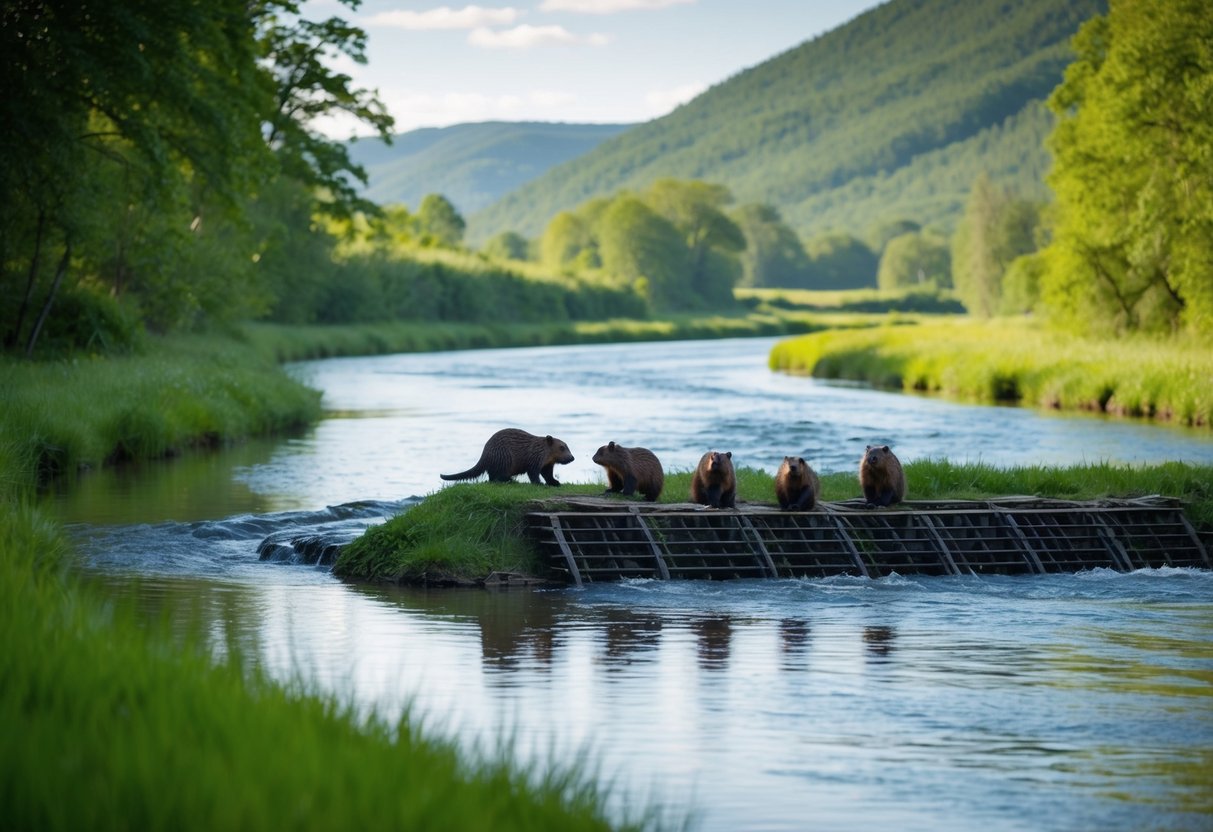
The history of beavers in the UK is marked by their extinction and recent efforts to bring them back. Understanding their past helps you appreciate current rewilding initiatives and the importance of protecting this native species.
Extinction and Reasons for Decline
Beavers once thrived in the UK but faced extinction by the late 19th century. The main reasons for their decline included habitat loss and hunting for their pelts. Social changes and industrial expansion led to deforestation, destroying their natural homes.
In addition, the demand for beaver fur resulted in extensive trapping. With no legal protections, populations dwindled, leading to their complete disappearance. This loss impacted the ecosystem, as beavers are vital for maintaining biodiversity by creating wetlands.
Modern Reintroduction Initiatives
Reintroduction efforts began in the early 2000s, focusing on areas such as Scotland and England. The first official release occurred in 2002 in Kent as part of a pilot project by Wildlife Trust. Since then, around 400 beavers have been reintroduced across various sites.
Key projects include the Scottish Beaver Trial, which started in 2009. This trial aimed to study the ecological impacts of beavers in the wild. Findings showed positive effects on water quality and biodiversity. You’ll find that these initiatives are central to ongoing rewilding efforts.
Legislation and Protected Status
Beavers were granted protected species status under UK law in 2016. This legislation is crucial for their conservation. Being classified as a protected species means they cannot be hunted or disturbed in their habitats.
Natural England and Rewilding Britain play significant roles in managing their populations. These organizations work to ensure successful coexistence between beavers and local communities. Legal protections promote sustainable habitat management and support ongoing research into beaver ecology.
Beaver Population and Distribution
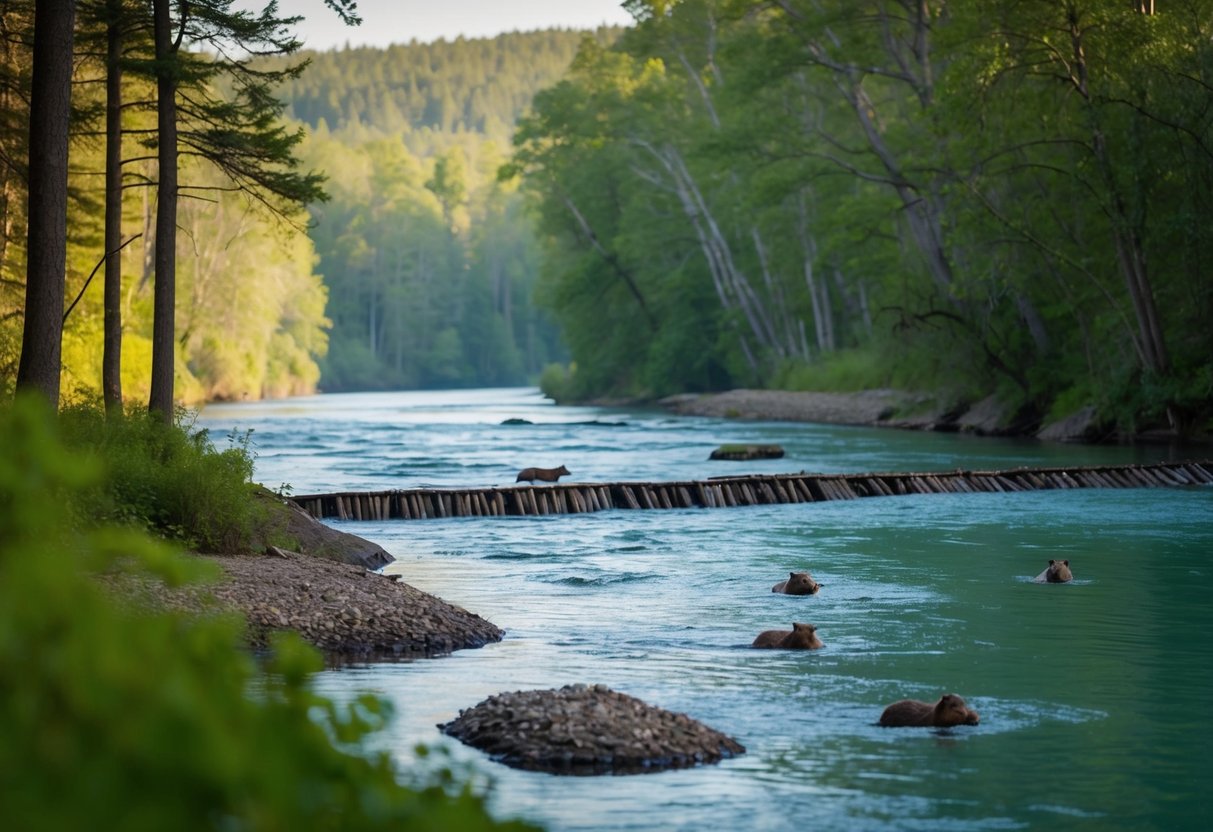
The beaver population in the UK is growing, with efforts to understand their numbers and where they live. You might be surprised to learn that beavers are returning to various regions across Great Britain, including notable areas like Wales, Cornwall, and Kent.
Current Estimates of Beaver Populations
Estimates show that the beaver population in the UK is now over 400 animals. This number has grown due to reintroduction projects and natural migration. There are significant populations found in Scotland, where these creatures are recognized as a native species.
In addition, areas such as Derbyshire, Nottinghamshire, and parts of Essex report increasing sightings. Records indicate that beaver families are forming, which suggests that the population will continue to grow in the coming years.
Geographic Distribution Across the UK
Beavers are making a comeback across several regions of the UK. You can find them in Scotland, where many reintroduction efforts began. Wales also plays a vital role, with beavers introduced to locations like Cors Dyfi Nature Reserve.
In England, sightings have been reported in various counties. Some beavers have made their way to Cornwall and the Isle of Wight. Greater London may even see beaver activity, as they roam near rivers. As the population spreads, it is important to monitor their impact on local ecosystems.
Environmental Impact of Beavers
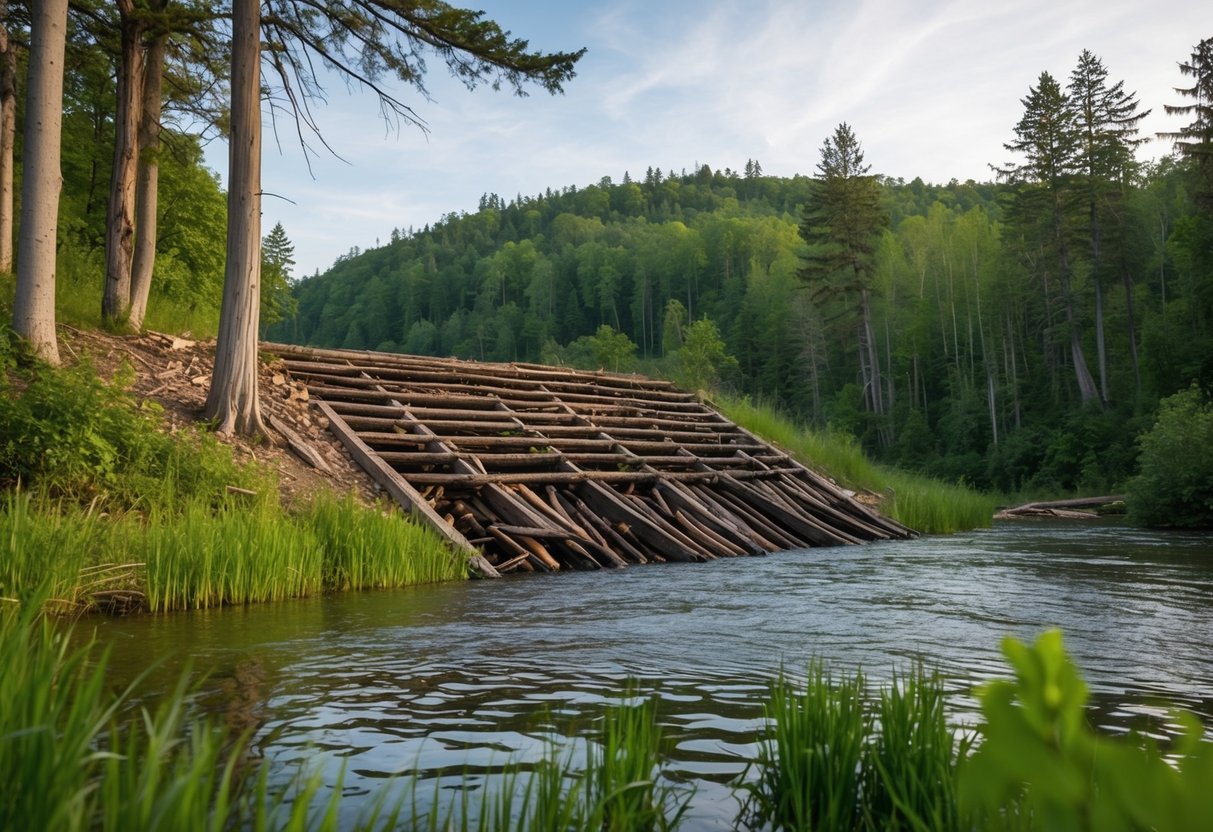
Beavers play a vital role in shaping their environment. Their activities directly affect biodiversity, water quality, and flood management. Understanding these impacts helps you appreciate how important these creatures are to local ecosystems.
Beavers as Ecosystem Engineers
Beavers are known as ecosystem engineers. By building beaver dams, they create new wetland habitats. These dams slow down water flow, which leads to the formation of ponds. As a result, these areas become rich habitats for various species.
The Eurasian beaver is particularly effective at this. Their dam-building efforts improve soil moisture and nurture plant life around riverbanks. This promotes an increase in the variety of wildlife, making these areas thriving ecosystems bringing life to your local environment.
Effects on Biodiversity and Wildlife
The presence of beavers significantly boosts biodiversity. Their dams create wetlands that attract numerous species. Aquatic plants thrive in these wetlands, supporting insects, fish, and birds.
In these habitats, you may spot river otters, frogs, and many bird species like herons. Diverse ecosystems help maintain balance, making them crucial for the health of the environment. Beavers also aid in increasing the biodiversity of insects and other wildlife, which are essential for pollination and pest control.
Flood Management and Water Quality
Beavers help with flood management through their dam constructions. Their ponds catch and retain excess water during heavy rains, reducing flooding risks downstream. This function acts as a natural flood defense.
Additionally, beaver dams improve water quality. As water slows down, sediments settle. This process cleans the water by trapping pollutants and nutrients. Healthy water supports both plant and animal life, further enhancing local ecosystems.
Challenges and Opportunities
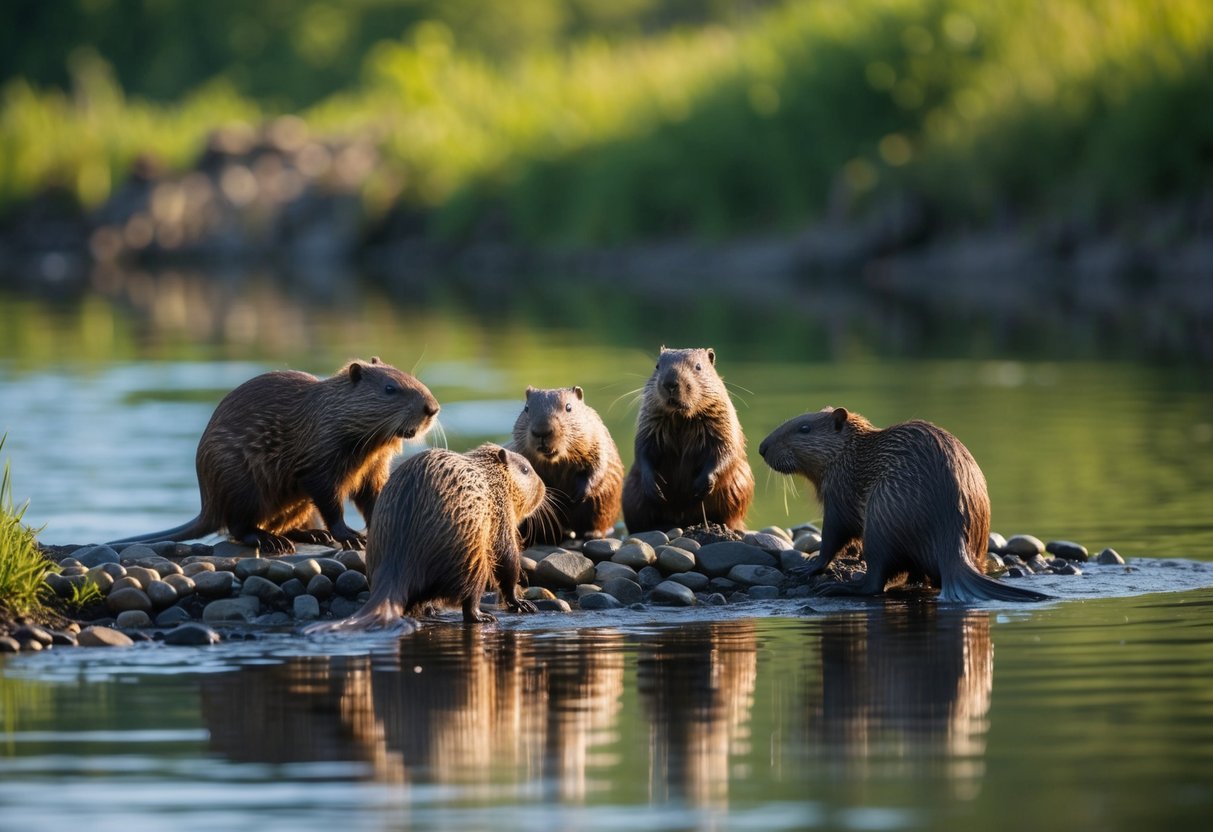
The return of beavers to the UK brings both challenges and opportunities for wildlife and conservation efforts. Understanding these aspects can help you see how important it is to find balance in managing beaver populations.
Conservation Challenges and Conflicts
As beavers repopulate areas, you may face human-beaver conflicts. Beavers, such as Castor fiber, can cause flooding and damage to crops, leading to tensions in communities. In regions like Montgomeryshire, this can impact local farmers and landowners.
Wildlife trusts, including the Beaver Trust, work to ease these conflicts by promoting effective management strategies, such as translocating beavers to suitable habitats. Drought conditions can further complicate these situations, making it vital for conservation efforts to be flexible and responsive.
You might also see local ecosystems change, which can affect species like otters and kingfishers. Balancing the needs of these wildlife species with human interests is a key focus in conservation work.
Economic Aspects and Eco-Tourism Potential
Beavers present an exciting opportunity for eco-tourism. Areas like Idle Valley Nature Reserve and Cors Dyfi Nature Reserve are becoming popular spots for visitors interested in wildlife. Guided tours can educate the public about the role of beavers in the ecosystem, potentially boosting local economies.
Beaver activity promotes biodiversity. Their dam-building behavior creates wetland habitats that benefit various species. This adds value to conservation efforts, as healthy ecosystems attract more visitors.
Engaging local communities in eco-tourism initiatives can help foster a positive relationship with beavers. By understanding the economic benefits, people may be more willing to support conservation efforts, creating a win-win situation for both wildlife and communities.


