
Beavers are fascinating creatures that play a vital role in their ecosystems. Their remarkable ability to build dams and lodges creates habitats for many other animals. As large rodents belonging to the Castoridae family, these semi-aquatic mammals thrive in freshwater environments, making them quite unique among wildlife.
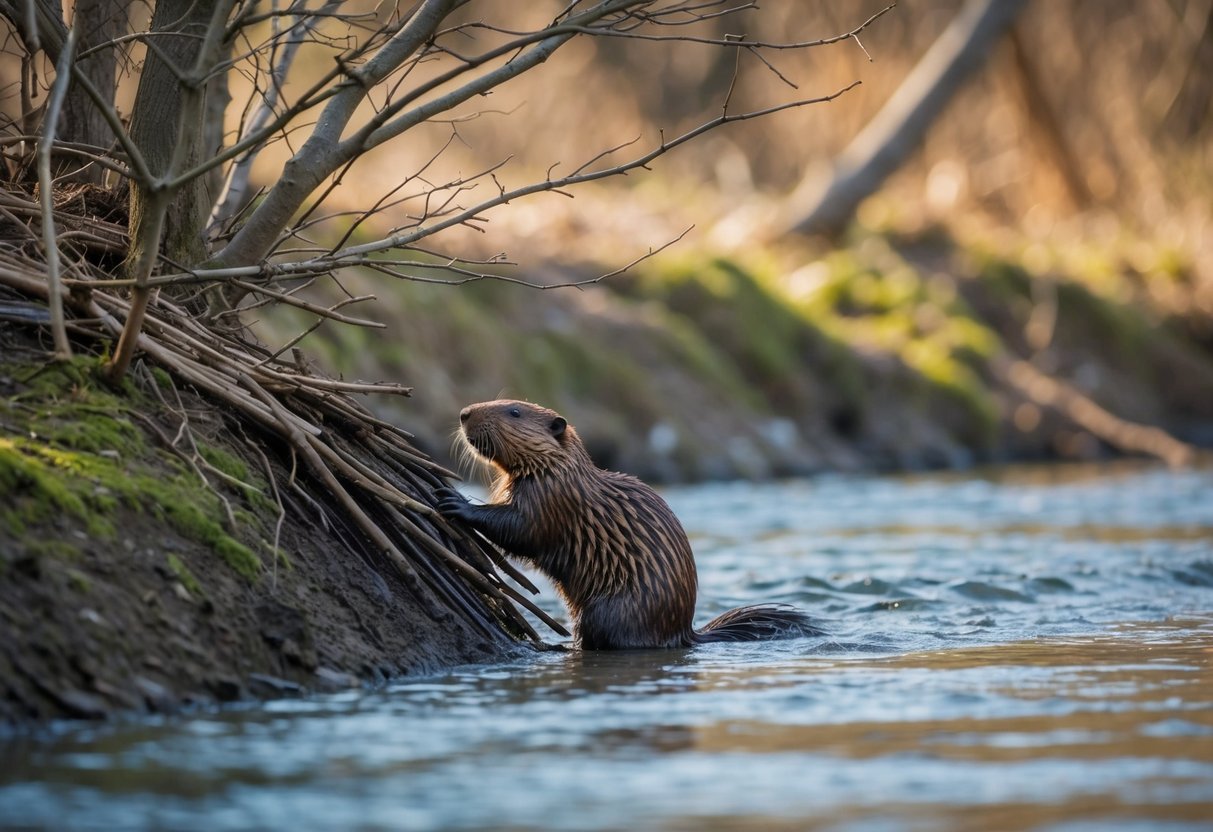
You might be surprised to learn that there are two main species of beavers: the North American beaver and the Eurasian beaver. Both species are known for their strong teeth and their habit of gnawing on trees. This activity not only provides them with food but also helps shape their environment, making them essential engineers of nature.
As you read on, you’ll discover more about what makes beavers so special and why they are often considered nature’s best architects. From their intriguing behaviors to the benefits they bring to the environment, beavers have much more to share than just their iconic dams.
Beaver Habitats and Distribution
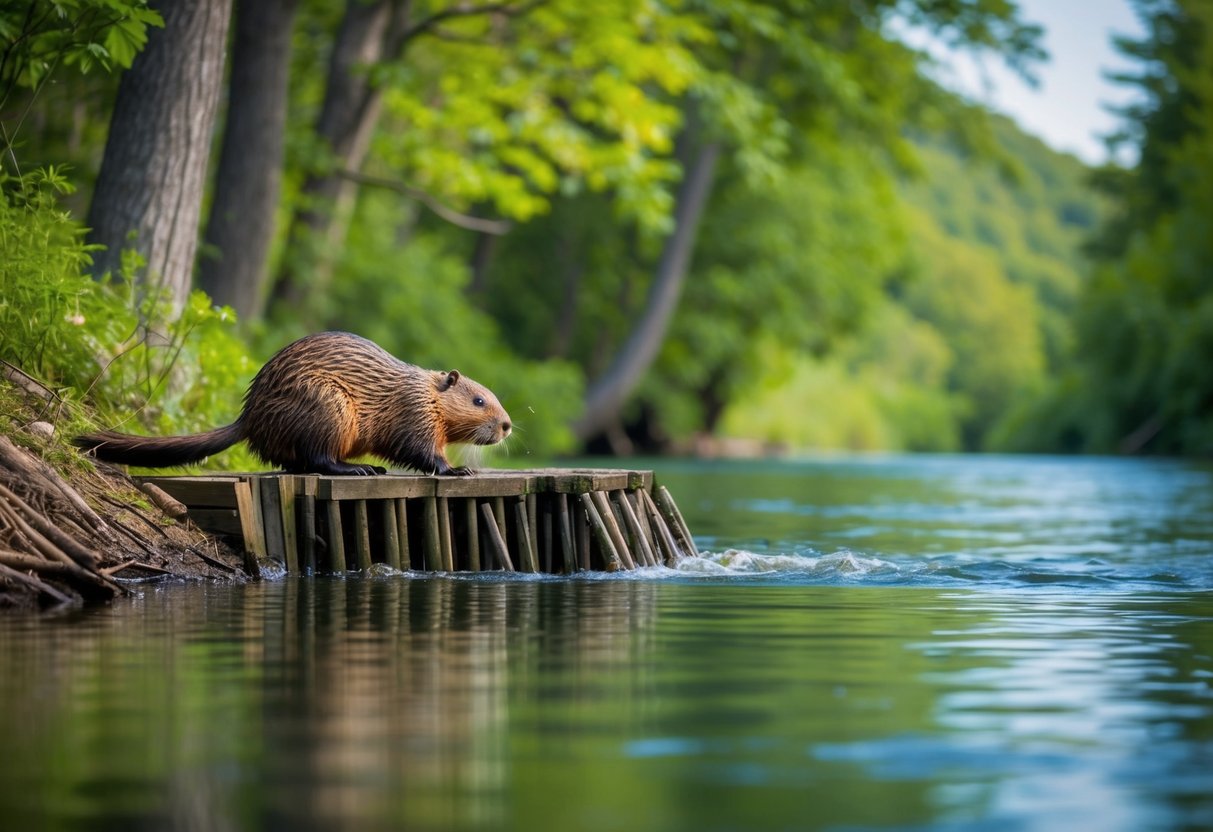
Beavers thrive in a variety of environments, making them fascinating creatures to study. Their habitats not only support them but also play a critical role in the ecosystem.
Diverse Habitats Across Continents
Beavers are found in different regions around the world. In North America, the North American beaver predominantly lives in freshwater habitats. You can find them in rivers, streams, lakes, and ponds.
The Eurasian beaver inhabits portions of Europe and western Asia, favoring similar environments. Both species are experts in creating their homes in wetland areas. They build dams using trees and branches, which help create ponds that serve as perfect homes. These habitats provide food sources and safety from predators.
The Importance of Wetlands
Wetlands created by beavers are vital for many reasons. First, they act as natural water filters, improving water quality by trapping sediments and pollutants.
These ecosystems also support a diverse range of wildlife, from fish to birds. Freshwater habitats provide essential nesting sites and food for various species. Without beavers, many wetlands would not exist, showing how important they are to the ecosystem.
When beavers build dams, they help store water, reducing flooding during heavy rains. This behavior enhances the health of the surrounding environment, making it richer in biodiversity.
Physical Characteristics and Behaviors

Beavers are fascinating creatures with unique traits that help them thrive in their environments. Their physical features and behaviors are well-suited for an aquatic lifestyle, making them remarkable animals to study.
Adaptations for Aquatic Life
Beavers have several traits that help them live and work in water. Their bodies are stout and compact, allowing them to swim efficiently. With webbed feet, they paddle easily through rivers and ponds. Their flat tails serve multiple purposes, acting as a rudder while swimming and a powerful tool for communication.
These animals can dive underwater for extended periods, typically around 15 minutes. While diving, they can use their strong front teeth to gnaw on aquatic plants, gathering food needed to survive. Their orange-colored teeth are made of a hard enamel that helps them maintain strong, sharp edges for cutting wood and plants.
Diet and Foraging Patterns
As herbivores, beavers mainly eat bark, leaves, and various aquatic plants. They have a specific preference for certain types of trees, such as aspen, willow, and birch. You may notice they often strip the bark off trees near water sources, which helps them build dams and lodges.
Beavers are generally nocturnal, which means they do most of their foraging at night. They work hard to gather food and store it underwater, creating a cache for winter months. This behavior ensures they have enough food during colder seasons when foraging becomes more difficult.
Unique Features and Behaviors
In addition to their physical traits, beavers exhibit interesting behaviors. They are known for their impressive ability to construct dams, which create ponds that provide safety from predators. These structures can significantly alter their environment, benefiting other wildlife as well.
Despite their busy lifestyles, beavers are social animals. They often live in family units, working together to maintain their lodges and gather food. Their flat tails are sometimes used for warning signals, slapping the water to alert other beavers of danger. This combination of traits and behaviors makes them one of nature’s true architects.
Beaver Engineering: Dams and Lodges

Beavers are well-known for their impressive building skills. They create structures that greatly affect their environment. This section looks at how beavers construct dams and lodges, and the important roles these structures play in nature.
Construction of Dams and Their Impact
Beavers build dams using branches, mud, and other natural materials. These structures create ponds by blocking water flow, which helps maintain a stable water level. The ponds provide a safe habitat for beavers and many other animals.
The ecological benefits of beaver dams are significant. They improve water quality by trapping sediments and pollutants, which results in cleaner water downstream. Dams also raise the water table, which can help surrounding plants thrive.
You may notice that waterways with beaver dams support richer biodiversity. By creating ponds, beavers offer a home to fish, amphibians, and birds, making them essential to their ecosystems.
Design and Purpose of Lodges
Beaver lodges are more than just homes; they are cleverly designed for safety and comfort. Typically constructed in the middle of ponds, these lodges are built with sticks and mud, making them warm and secure.
Inside the lodge, beavers create multiple chambers. This helps them escape predators and stay dry. The lodge’s underwater entrance prevents unwanted visitors, keeping the beavers safe.
The presence of lodges enhances the surrounding environment. As beavers are active in building and maintaining their structures, they promote healthy water flow and create diverse habitats for various species that rely on the wetland environment.
Conservation and Ecological Importance

Beavers play a vital role in maintaining healthy ecosystems. Their activities not only create habitats for various species but also impact water quality and biodiversity. Understanding their importance helps highlight the need for effective conservation measures.
Beaver as a Keystone Species
Beavers are known as a keystone species because they significantly influence their environment. By building dams, they create ponds that form wetlands, which are among the most productive ecosystems. These wetlands support a variety of plant and animal life, enhancing biodiversity.
Many species, including fish and birds, rely on these habitats for food and shelter. Without beavers, these ecosystems would change drastically. The absence of their dam-building also leads to habitat loss and reduces water availability during dry periods. Thus, beavers are essential for the survival of numerous species.
Challenges and Conservation Efforts
Beavers face several threats despite their ecological importance. Urban development causes habitat loss, which is a significant challenge. Also, climate change poses risks, leading to altered water flows and increased drought conditions.
Conservation efforts are crucial to protect beaver populations. Reintroduction programs aim to restore beavers in areas where they have disappeared. These programs help revitalize ecosystems and enhance biodiversity. Management strategies focus on mitigating human-wildlife conflicts, like addressing concerns from farmers. Promoting awareness about the benefits of beavers supports conservation and helps ensure these valuable animals thrive in their natural habitats.


