
Beavers are fascinating creatures known as the largest rodents in North America. You might wonder, what do they actually do all day? During the day, beavers primarily sleep and rest. But, they become active at night when they gather food, work on their lodges, and maintain their dams. This nocturnal lifestyle helps them avoid predators and makes their busy evenings even more interesting to observe.
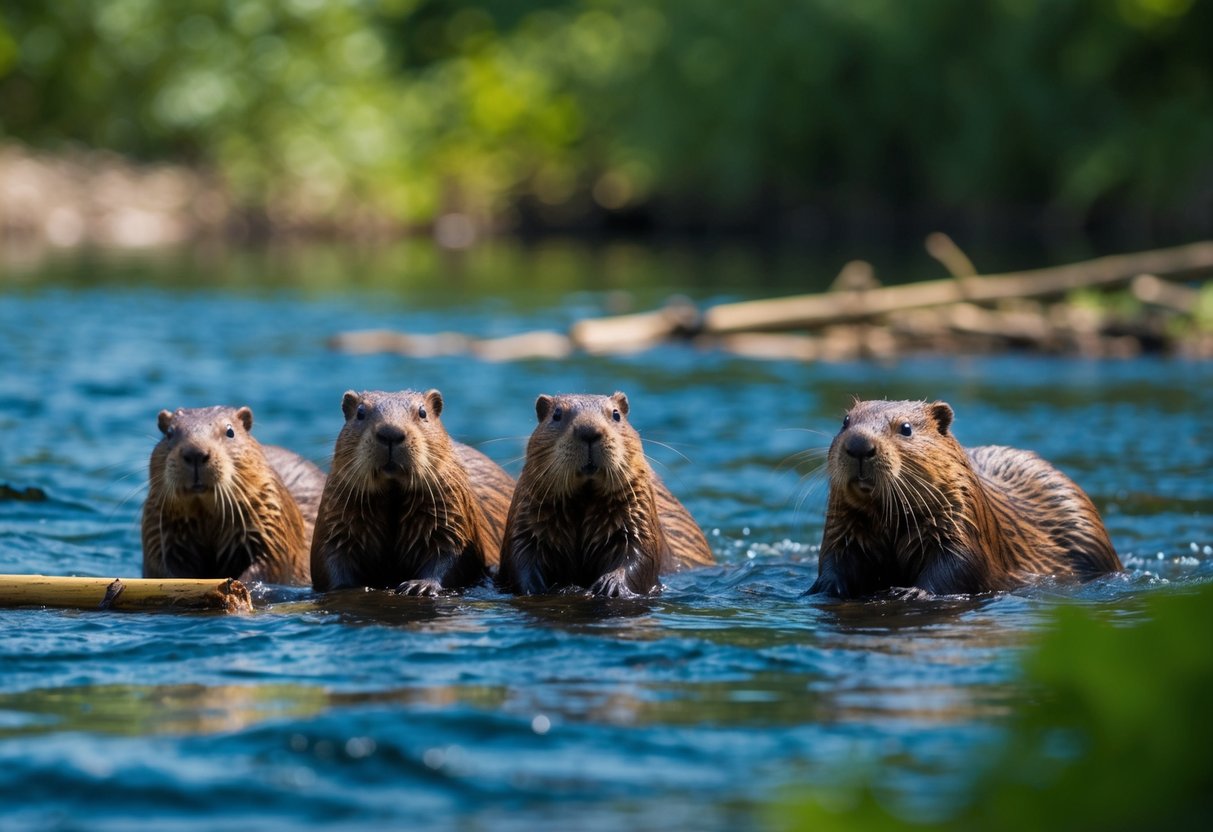
While beavers are mostly quiet during daylight hours, they may occasionally venture out to gather bark, twigs, and aquatic plants. You will find them tirelessly building and repairing their homes, which is crucial for their survival. When you think about their daily activities, it becomes clear that even when they seem to be at rest, beavers play a vital role in maintaining the ecosystem around them.
Physical Characteristics and Behaviors
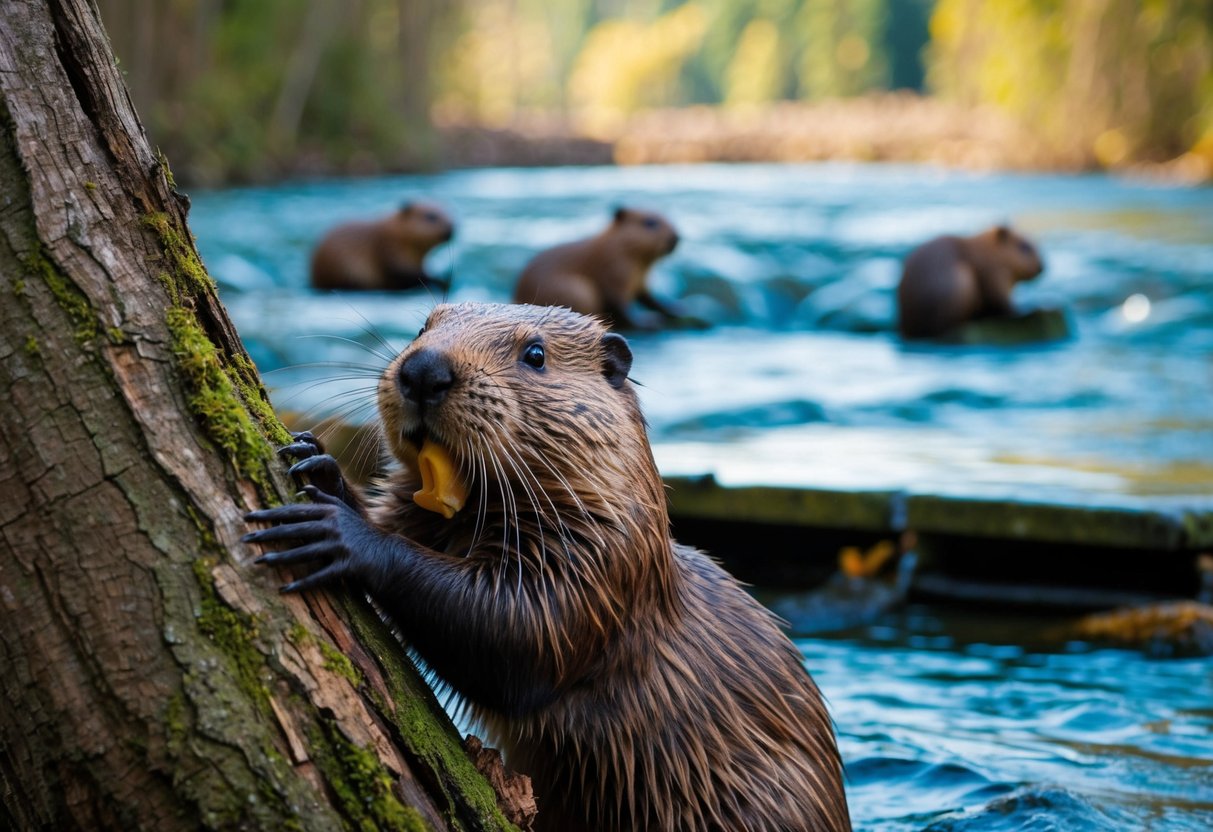
Beavers have unique adaptations that help them thrive in aquatic environments. Their physical features are closely linked to their behaviors. Understanding these characteristics can give you insight into how beavers live and interact in their habitats.
Adaptations for Aquatic Life
Beavers, specifically Castor canadensis, are perfectly designed for life in water. Their flat tails serve multiple purposes. They act as rudders, helping them steer while swimming, and also function as a warning signal to alert others of danger.
Their webbed hind feet make them excellent swimmers, providing strong propulsion through streams and ponds. Additionally, beavers have waterproof fur, which keeps them warm while submerged. These adaptations allow beavers to navigate efficiently, gather food, and build their iconic lodges.
Beaver Dentition and Diet
Beavers possess strong, chisel-like front teeth that never stop growing. This feature is vital, as they need to constantly gnaw on wood to wear them down. Their diet consists mainly of tree bark, leaves, and aquatic plants.
Certain species of trees, like aspens and willows, are particularly favored. Beavers can consume a significant amount of food daily, around 15-20% of their body weight. This high intake is necessary to sustain their energy levels, especially when building dams or lodges.
Communication and Social Behavior
Beavers are known for their strong family bonds. They typically form monogamous pairs and raise their young together in a family unit. Their social structure is essential for survival and cooperation.
To communicate, beavers use various vocalizations, including groans and whines. They also communicate through scent marking, which helps establish territory. In times of danger, beavers will slap their tails on the water’s surface as a warning signal to alert other family members.
These behaviors showcase the importance of teamwork among beaver families as they adapt to challenges in their environment.
Beaver Habitats and Lodges

Beavers are fascinating creatures that build unique homes in various habitats. They create lodges and dams, which serve important purposes in their everyday lives.
Creating a Lodge
Beaver lodges are impressive structures made from branches, twigs, and mud. You’ll often find them built in freshwater streams or ponds. These lodges provide a safe place for beavers to rest, sleep, and raise their young.
Inside the lodge, there are chambers and tunnels. These areas help keep beavers hidden from predators and provide easy access to water. The lodges are also designed with ventilation openings. This allows fresh air to circulate, keeping the inside cozy.
You might see a lodge with a roughly dome shape above the water. The beavers take great care in constructing their homes. Each lodge can even serve as an insulated refuge during harsh winter months, shielding them from cold weather.
Importance of Dams
Beavers are well-known for their ability to build dams. These structures help them create deep pools of water, which are ideal for their lodges. This damming creates a habitat that supports various aquatic plants.
The dam also plays a crucial role in the local ecosystem. As water levels rise due to the dam, it creates new wetlands. These wetlands benefit many species of plants and animals, not just the beavers.
Dams can be complex with multiple layers, sometimes spanning rivers. The beavers continuously maintain them, repairing any damage they encounter. This persistent effort ensures they have a reliable water source and safety from predators.
Habitat and Range
Beavers typically inhabit North America, but they can be found in various regions around the world. They prefer environments where there’s plenty of water, like streams, rivers, and ponds.
Their habitats usually contain abundant aquatic plants, which provide food. Beavers primarily eat bark and leaves, but they particularly enjoy woody plants. This richness in food sources makes their chosen habitats vital for survival.
Interestingly, beavers can create new habitats for other wildlife. As they flood an area, they contribute to biodiversity. This helps support other species of fish, birds, and insects in the ecosystem, demonstrating the beaver’s important role in maintaining environmental balance.
Daily Life and Seasonal Activities
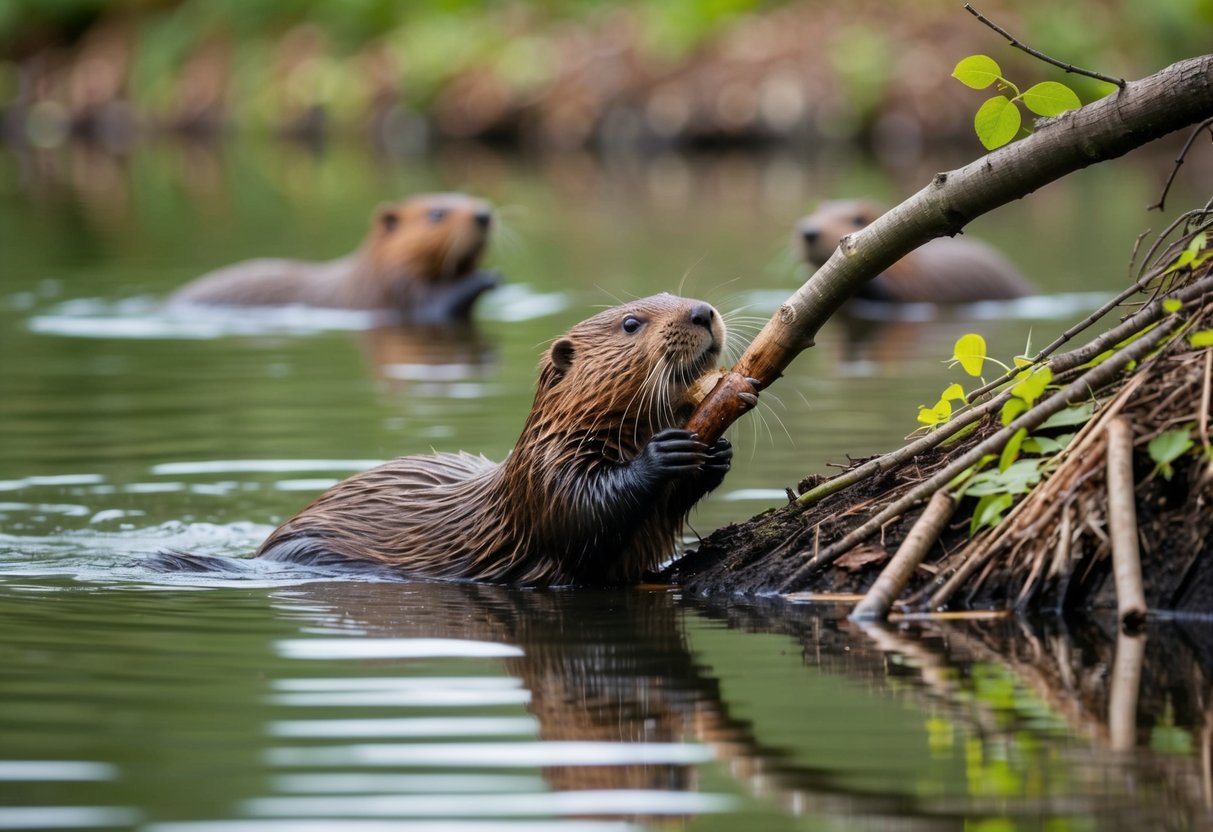
Beavers have a structured daily routine that adapts with the seasons. Their activities include foraging, feeding, family interactions, and reproduction. Understanding their habits can give you insight into their unique lifestyle.
Foraging and Feeding Patterns
Beavers primarily feed on aquatic plants, shrubs, and tree bark. They use their strong teeth to gnaw on wood, collecting food to store for later. Most foraging occurs at dawn and dusk when they feel more secure from predators.
During winter, they often stay close to their dams and lodges. This helps them access food sources that remain underwater. You might observe them bringing branches and twigs closer for easy access.
In spring and summer, their diet expands with new growth. Beavers enjoy tender leaves and various vegetation as they replenish their energy.
Nocturnal and Crepuscular Routines
While beavers are mostly nocturnal, they also exhibit crepuscular behavior. This means they are active during twilight hours, particularly at dawn and dusk. You might spot them working on their dams or foraging for food during these times.
In the daytime, beavers may stay hidden in their lodges or rest. They can experience short bouts of sleep, usually shifting positions for comfort and safety. This pattern helps them to avoid potential dangers while staying alert to their surroundings.
Seasonal changes can influence their activity levels, especially in colder months. They reduce movement when temperatures drop, relying more on stored food.
Family Life and Reproduction
Beavers live in family groups called colonies, generally consisting of the adult pair and their young, known as kits. Kits are usually born in late spring and are dependent on their parents for food and protection.
The family structure is strong, involving shared responsibilities. Adults work together to build and maintain lodges and dams, providing a safe home for kits.
As kits grow, they learn essential skills, like foraging and dam construction. By two years old, they often leave the family to establish their own territories. This social structure is vital for the survival and growth of beaver populations.
Conservation and Coexistence

Understanding how to coexist with beavers is important for their survival and the environment. Beavers play a vital role in ecosystems, but they also face threats that can impact their populations. Recognizing their positive influence on other species can help in their conservation.
Beavers as Ecosystem Engineers
Beavers are known as ecosystem engineers because of their ability to create and maintain wetland habitats. By building dams, they form ponds that provide vital resources for many animals. These ponds help manage water flow and prevent flooding in surrounding areas.
Their bank dens serve as homes, offering shelter and safety. The flooding caused by their dams increases the amount of aquatic vegetation, which benefits herbivores like moose. This increased biodiversity plays a key role in maintaining healthy ecosystems.
Threats to Beaver Populations
Despite their importance, beavers face several threats that can impact their numbers. Habitat loss due to urban development reduces their living space. Climate change can alter water availability and affect the ecosystems they create.
Trapping and hunting are other significant threats. Many states classify beavers as pests, leading to unrestricted trapping. To address this, some areas have removed this classification and promoted non-lethal coexistence strategies, aiming to protect beaver populations and their habitats.
Positive Impact on Other Species
Beavers significantly benefit other wildlife by enhancing their habitats. The wetlands created by beaver dams provide food and shelter for various species.
This includes not just herbivores, but also fish, birds, and amphibians.
The increase in aquatic vegetation and the presence of water-filled tunnels offer a safe environment for animals. As beavers build and maintain these habitats, they contribute to greater biodiversity.
This, in turn, supports a wider range of life in the ecosystem, benefiting all forms of wildlife, including those at risk.


