
Beavers are fascinating creatures that play an important role in our ecosystems. Many people wonder about their status as animals that get hunted. Yes, hunters do hunt beavers, often to manage their populations and prevent damage to property.
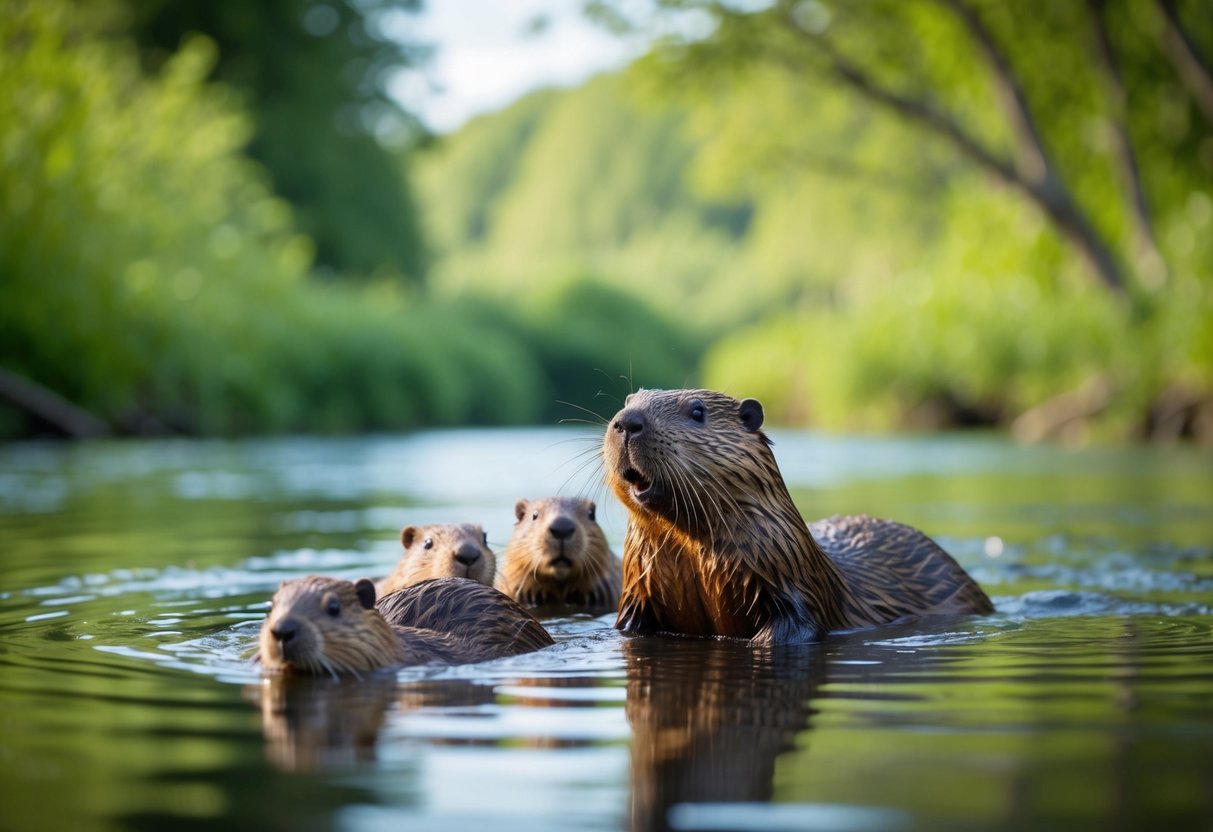
Understanding the reasons behind beaver hunting can help you appreciate these animals even more. While their fur has historically been valued, hunting today is often focused on ecological balance.
As you read on, you’ll learn about the different methods used in beaver hunting and the regulations that protect these unique animals.
Exploring the world of beavers and hunting can reveal much about our connection to nature. You’ll discover how beaver populations can affect your environment and what it means for wildlife conservation.
Beaver Biology and Natural History
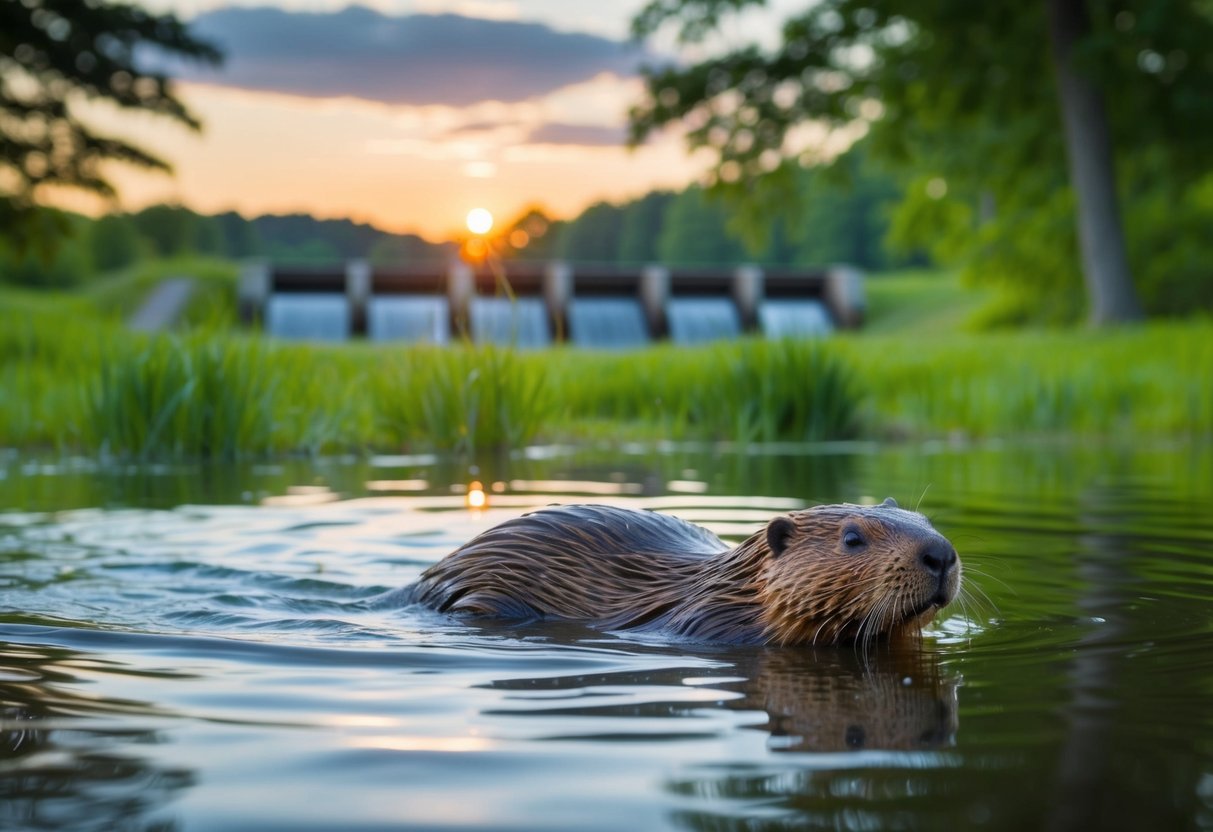
Beavers are fascinating creatures that play vital roles in their ecosystems. Their unique characteristics and behaviors help them adapt to their environments and thrive as a species.
Physical Characteristics and Behavior
Beavers are large rodents belonging to the family Castoridae, with two main species: the American beaver (Castor canadensis) and the Eurasian beaver (Castor fiber). Weighing up to 60 pounds, they have robust bodies covered in thick fur that keeps them warm in water.
Their most distinctive features are their powerful jaws and large, flat tails. These tails assist in swimming and act as a warning signal. Beavers are nocturnal and spend much of their time in the water, making them excellent swimmers.
They are herbivorous, mainly feeding on bark, leaves, and aquatic plants.
Habitats and Ecosystem Roles
Beavers are semi-aquatic mammals found in freshwater habitats across North America and Europe. You’ll often find them in rivers, lakes, and wetlands. They create and maintain their homes through the construction of dams and lodges.
Beaver dams alter water flow and can create ponds, which helps support diverse wildlife. Their activities make them keystone species, meaning they have a significant impact on their environment. By building dams, they create wetlands that benefit other plants and animals, fostering rich ecosystems.
Reproduction and Life Cycle
Beavers are monogamous and usually mate for life. After a gestation period of about 105 to 107 days, a female beaver gives birth to 2-5 kits in the spring. These young beavers are born fully furred and can swim shortly after birth.
The entire family group, which includes parents and older siblings, helps care for the kits. Beavers are social animals and stay with their family until they reach maturity, usually around two years old. As the population grows, some young beavers leave to find new territories.
Species and Distribution
The American beaver is primarily found throughout North America, from northern Mexico to western Canada. It thrives in various habitats, including urban areas.
In contrast, the Eurasian beaver inhabits regions in Europe and parts of Asia. Both species have adapted well to their surroundings through evolutionary changes.
Beaver populations fluctuate due to factors like habitat loss and hunting. Conservation efforts are essential for preserving these important rodents and ensuring they continue to benefit their ecosystems.
Beaver Hunting and Trapping

Beavers have been hunted and trapped for various reasons throughout history. Understanding why, along with the current practices and regulations, is essential for responsible wildlife management. This section explores the historical context, current practices, and conservation efforts regarding beaver hunting and trapping.
Historical Context
Beaver hunting dates back centuries, with the European beaver being a significant part of the fur trade. Hunters valued beaver pelts for their warmth and durability, leading to extensive hunting in North America. This demand created vast hunting colonies, impacting beaver populations.
Historical accounts show that beaver meat and gland secretions were also utilized, providing food and unique ingredients for various recipes, including traditional dishes.
In the 19th century, the fur trade peaked, drastically reducing beaver numbers. As a result, many areas imposed restrictions to protect these animals. Regulations first emerged in response to dwindling beaver populations, intending to promote sustainable practices.
Current Practices and Regulations
Today, wildlife management agencies regulate beaver hunting and trapping. These regulations vary by state, with specific hunting seasons typically set to coincide with beaver activity.
You may use techniques like foothold traps and Conibear traps, which are designed specifically for beavers.
Some hunters appreciate beaver meat, while others value the tail and pelts. Depending on the area, ethical trapping practices are encouraged to ensure humane treatment.
It’s crucial to understand local hunting regulations or guidelines before setting out to hunt beavers.
Certain areas allow landowners to manage beaver populations when they cause damage. You can check with wildlife agencies for permits if you need to trap or remove beavers from your property.
Conservation and Management
Conservation efforts for beavers focus on maintaining population health and habitat viability. The IUCN Red List indicates that some regions still monitor beaver conservation status closely.
Beavers play an important role in ecosystems, creating wetlands that support diverse wildlife. You will find that many state agencies work on management plans that balance hunting and conservation.
Efforts include habitat protection, monitoring of beaver colonies, and promoting coexistence with landowners. These initiatives aim to ensure beavers can thrive while allowing sustainable hunting practices.
Human-Beaver Relationship
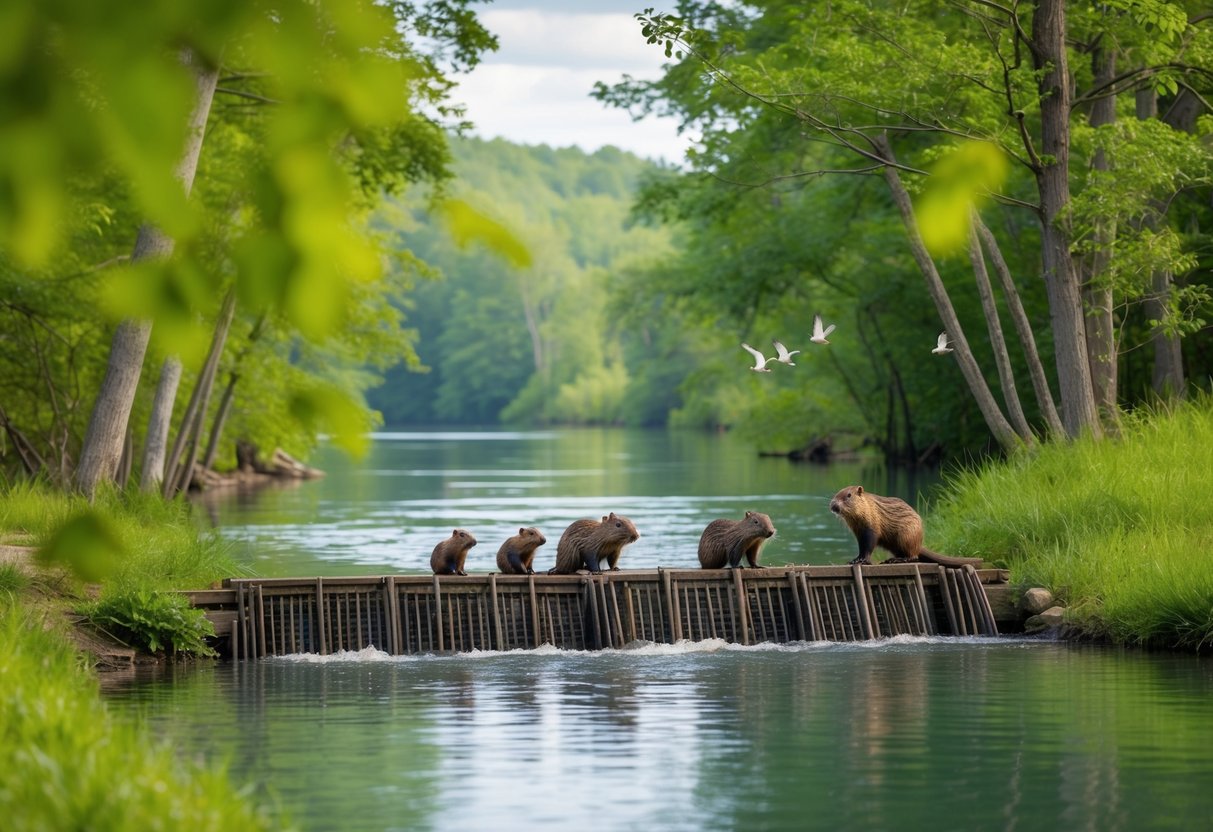
The relationship between humans and beavers is complex and has evolved over time. It involves cultural significance, the challenges posed by beavers as pests, and their important role in science and education.
Cultural Significance
Beavers have held a vital place in many cultures. In the past, their pelts were highly valued during the fur trade, often referred to as “brown gold.” The demand for beaver fur led to extensive hunting, which nearly wiped out populations across North America.
Indigenous peoples utilized beavers not just for their fur but also for food and materials.
Beavers play a significant role in maintaining healthy ecosystems through their natural behaviors. By building dams and lodges, they create habitats for various wildlife, including fish and birds.
Beavers as Pests and Protectors
While beavers are often seen as a nuisance due to damming and flooding, they also serve an essential ecological purpose. Their dams create wetlands that support diverse wildlife and improve water quality. However, these structures can lead to flooding of human property or agriculture.
Managing beaver populations is crucial for balancing their ecosystem benefits and the challenges they create in human areas. Wildlife management includes relocation efforts or installing devices to prevent flooding. Understanding their role can help reduce conflicts and promote coexistence.
The Role of Beavers in Science and Education
Beavers are fascinating subjects for scientific research and education. Studies focus on their behaviors, habitat needs, and the impact on ecosystems. Their damming actions can help scientists understand freshwater management better and biodiversity.
Educational programs often highlight beavers as keystone species. They contribute to discussions about conservation and environmental sustainability. Learning about beavers can inspire individuals to be more involved in wildlife management and ecosystem protection.
By recognizing the importance of this relationship, you can appreciate the significant role beavers play in our environment.


