
Beavers are fascinating creatures that play an important role in the ecosystem. In the UK, these herbivores primarily eat tree bark, twigs, leaves, and a variety of aquatic plants. As you explore their diet, you’ll discover why they prefer certain trees, like willow and cottonwood. This is especially true during the colder months when other food sources may be scarcer.
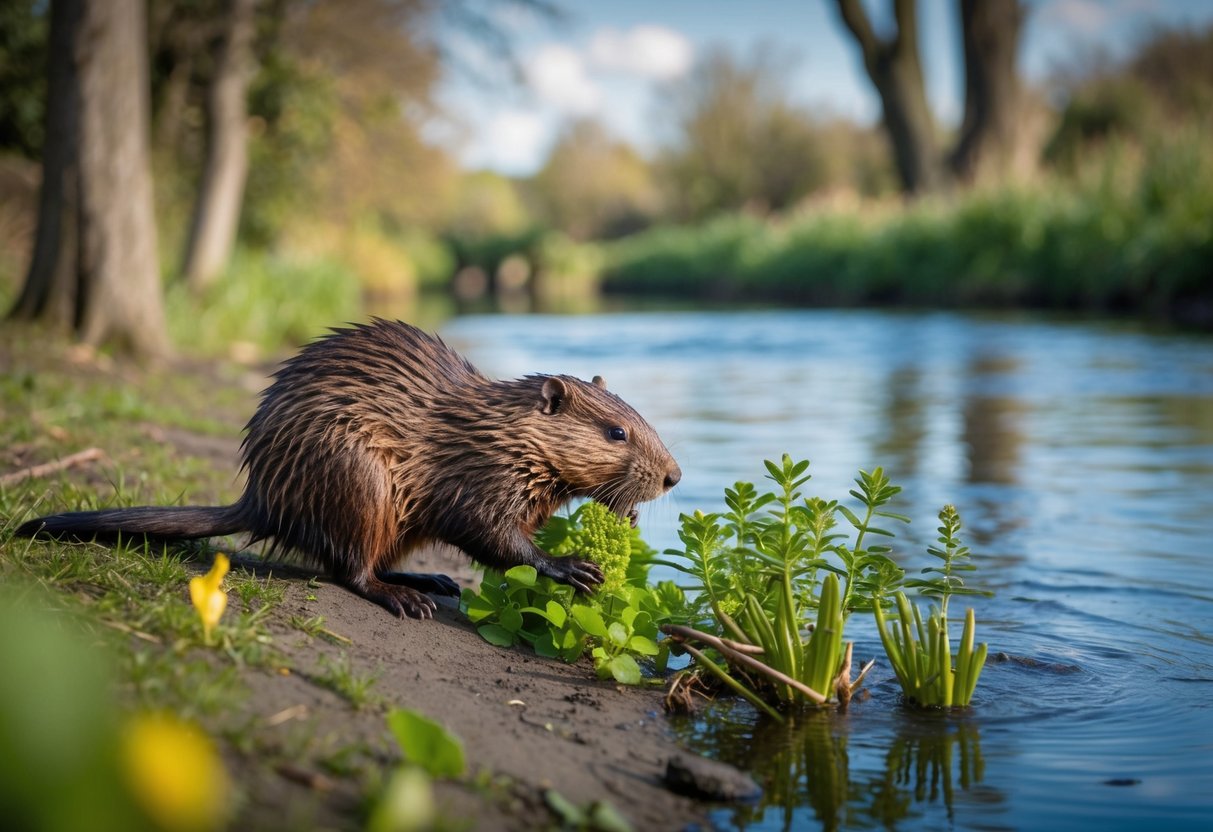
Beavers were once widespread in the UK but faced extinction due to hunting and habitat loss. Thanks to conservation efforts and projects like the Scottish Beaver Trial, their populations are slowly increasing. This reintroduction highlights the significance of these animals in enhancing biodiversity and restoring wetlands, which contributes to better wildlife habitats.
Learning about what beavers eat not only helps you appreciate these unique animals but also sheds light on the importance of wildlife conservation efforts. Understanding their diet can inspire you to support initiatives that protect their natural habitats and promote healthy ecosystems in the UK.
Beaver Habitats in the UK
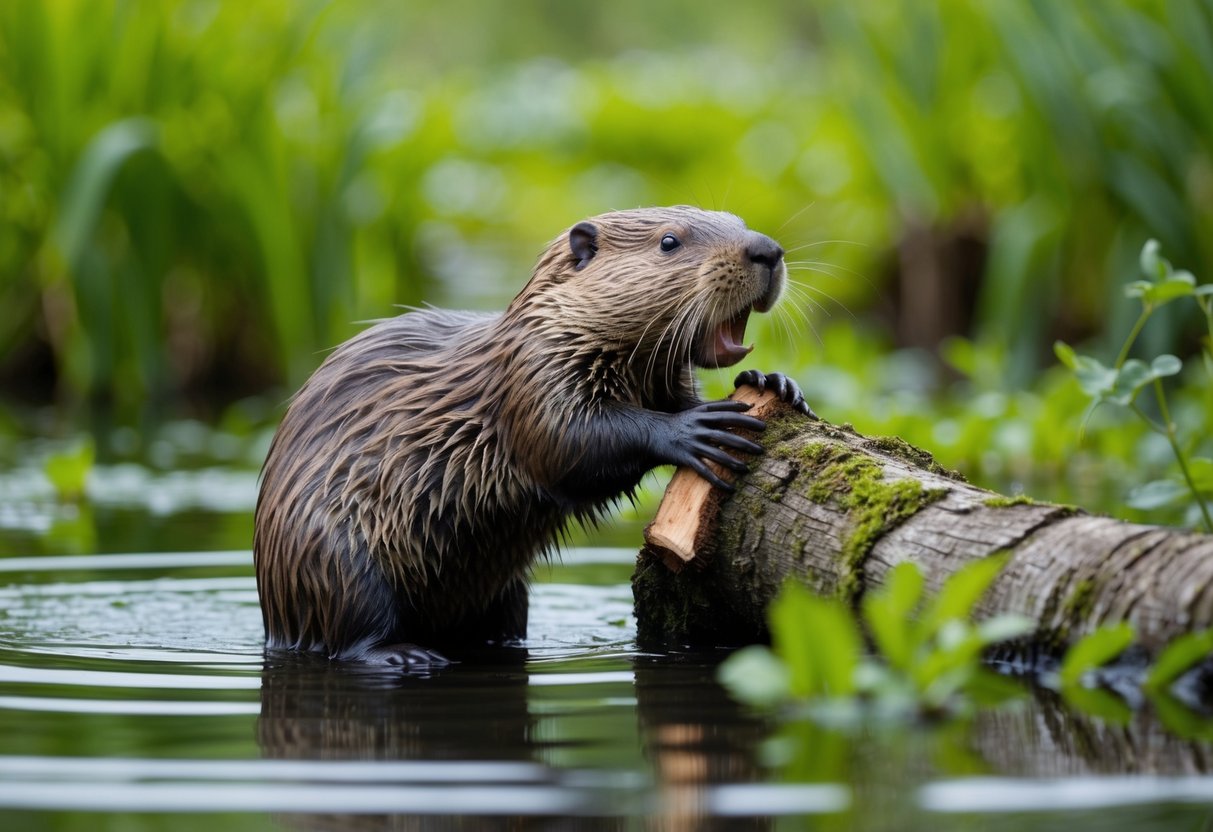
Beavers thrive in diverse environments that play a crucial role in ecosystems. They prefer wetland habitats such as ponds, rivers, and lakes, which help support their lifestyle and diet while offering benefits to the surrounding ecosystem.
Importance of Wetland Habitats
Wetland habitats are vital for beavers. These areas provide the water needed for beavers to build their dams and lodges. When a beaver creates a dam, it floods the surrounding land, forming ponds. This not only offers a safe place for the beaver but also creates a rich environment for various species.
The flooded areas support a variety of plants and animals. By cutting down trees and shrubs, beavers help maintain the health of the woodland. They are considered a keystone species because their activities promote biodiversity. This means the presence of beavers helps many other species thrive in their environment.
Common Locations for Beaver Dwellings
In the UK, beavers can be found in a range of habitats. They often choose locations near rivers and lakes where they have easy access to food and building materials. Ponds created by their dams are common spots for their lodges.
You might spot beaver habitats in places like Scotland, where reintroduction efforts have been successful. Areas like the River Tay and Knapdale are good examples. Additionally, beavers can be found in woodlands that are near wetlands. These locations provide the perfect mix of resources, making them ideal for beaver populations.
Diet of Beavers in the UK

Beavers in the UK have a varied diet primarily made up of plant materials. They prefer both woody and aquatic plants, which provide them with essential nutrients. Understanding what these creatures eat can help in appreciating their role in ecosystems.
Woody Plants and Tree Bark
Your first focus should be on the woody plants that beavers favor. They are particularly fond of tree bark, especially from willow and poplar trees. During the autumn and winter months, beavers often rely on twigs and branches, which provide vital nutrients.
The bark of these trees is a primary food source. Beavers chew through the outer layer to access the soft inner bark, which is rich in carbohydrates. This activity also shapes their environment by trimming tree growth along riverbanks.
In addition to willow and poplar, beavers also eat aspens and occasionally even fruit trees like apples if they are near water. You will often find beaver activity within 30 meters of a riverbank, where they can easily access these trees.
Aquatic Plants and Herbivory
In addition to woody plants, beavers consume a variety of aquatic plants. Their summer diet consists mainly of herbaceous vegetation, including pond weeds, grasses, and leaves. These plants are abundant and provide a rich source of food.
Herbivory is the key term here. Being herbivores, beavers thrive on these lush plants, especially in warmer months. You might notice them foraging near water bodies, where they can easily find their preferred aquatic sources.
Other favorites include sedges and various native plants. These not only serve as food but also help beavers maintain healthy habitats. By consuming these plants, they play a crucial role in their ecosystems, influencing water flow and promoting biodiversity.
Beaver Social Structure and Behavior
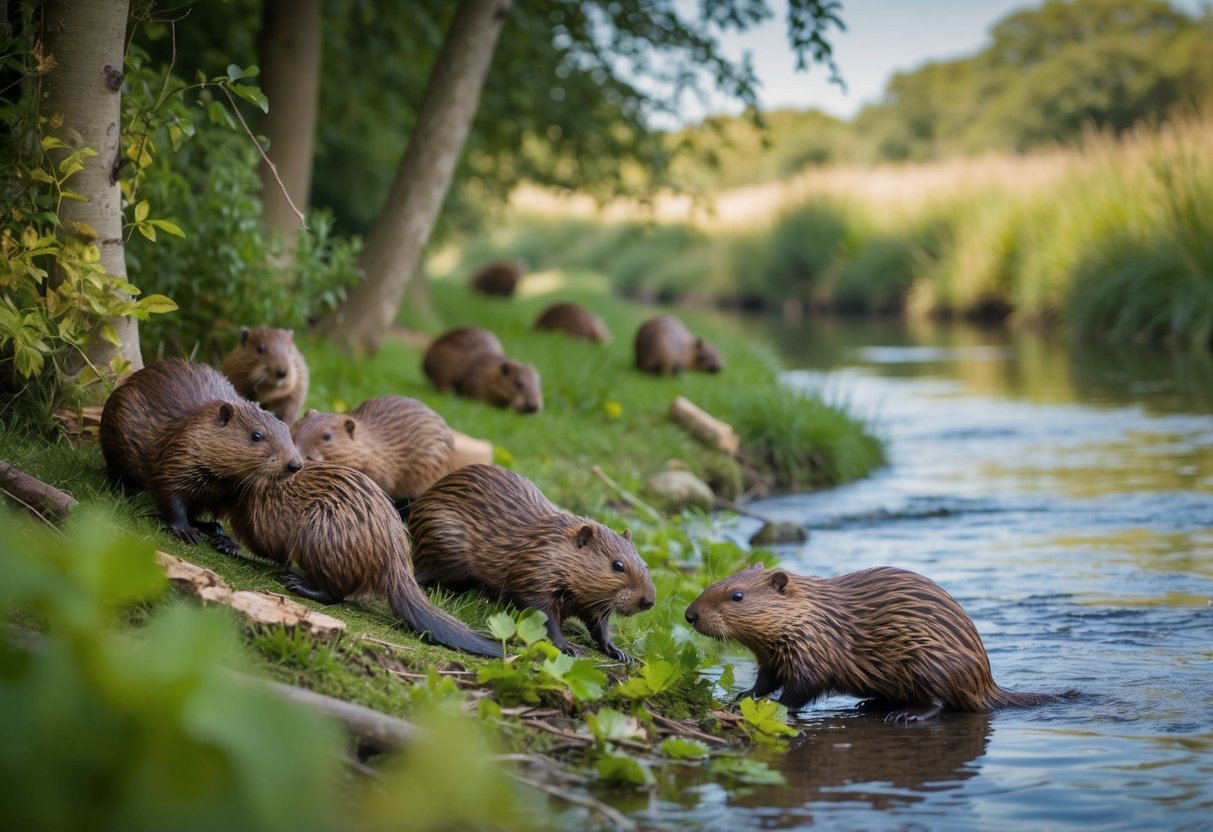
Beavers are fascinating creatures with a complex social life. They live in structured family groups that play a vital role in their behavior and the environment. Understanding their interactions can help you appreciate their importance in the UK.
Family Groups and Breeding
Beavers typically live in family groups known as colonies. Each colony usually consists of a mated pair and their young, called kits. These kits are born in the spring and stay with their parents for several years, learning valuable skills.
Breeding occurs once a year, and beavers are monogamous. The female usually gives birth to 2-4 kits. As the young grow, they learn essential social behaviors while playing and swimming together. Parents care for their kits, teaching them how to build dams and lodges. These family bonds help ensure the survival of the young beavers until they are ready to establish their own territories.
Roles in the Ecosystem
Beavers are known as ecosystem engineers. Their activities have significant effects on their environment. When they build dams, they create wetlands that benefit many species, including fish and birds.
In addition to providing habitat, the dams help maintain water levels and improve water quality. Healthy colonies also play a role in controlling vegetation, which can affect local wildlife. Social behaviors during dawn and dusk, when beavers are most active, help them communicate and stay safe from predators. Understanding these roles showcases why beavers are important to the ecosystem in the UK.
Conservation and Management
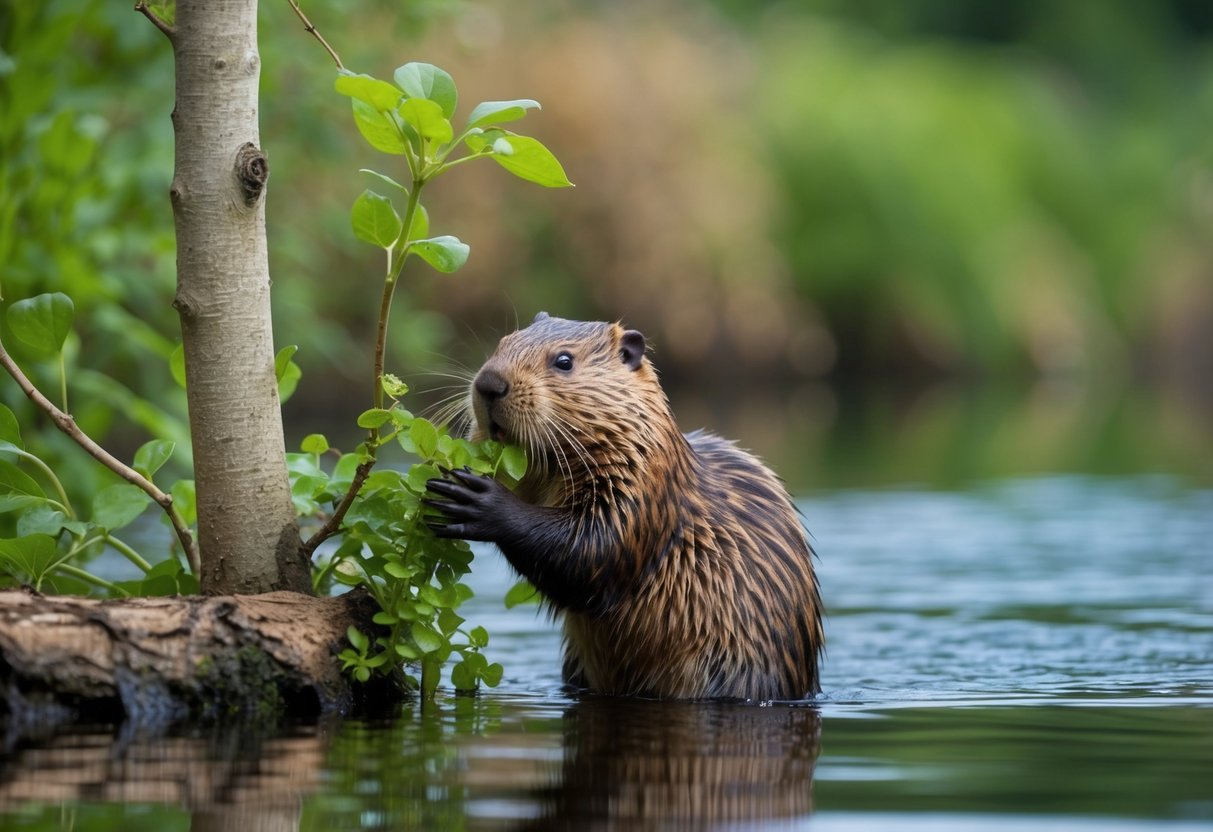
Beavers play an important role in the ecosystem, and efforts are in place to protect and manage their populations. This involves legal protection and careful planning for their reintroduction. Understanding these aspects helps promote biodiversity and supports various habitats.
Reintroduction and Legal Protection
Since their reintroduction, beavers have gained legal protection under UK law. The Conservation of Habitats and Species Regulations safeguards them, meaning they cannot be harmed without proper permission. This is vital for their survival and contributes to a healthier ecosystem.
Local councils and nature reserves often lead projects to reintroduce beavers. These projects help restore habitats, promote biodiversity, and create wetlands that benefit other wildlife. Beavers improve riverbank stability, which can reduce flooding, a significant concern for nearby agricultural land.
Challenges and Benefits
Beavers offer many ecological benefits, but they also present challenges. Their activities can lead to flooding, which may impact agricultural land or residential areas.
As they build dams, water levels change, potentially harming crops and infrastructure.
To manage these challenges, landowners and conservationists work together. Strategies include creating designated areas for beavers and using tree protection measures.
By taking these steps, you can enjoy the benefits of beavers while minimizing their impact on land use. The presence of beavers enriches biodiversity, making ecosystems more resilient and diverse.


