
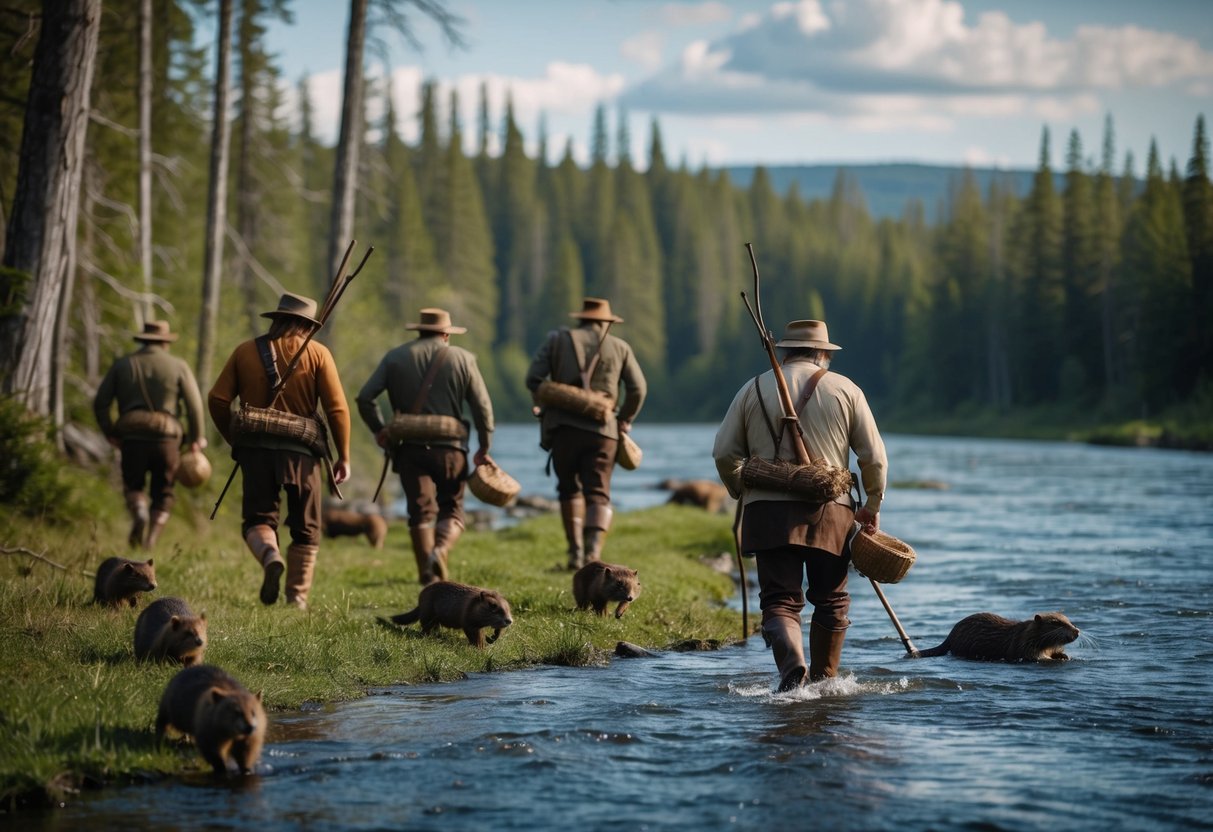
Beavers have a long history of being hunted by various groups throughout different eras. Native Americans hunted beavers for thousands of years. They utilized their fur for clothing and tools, and their meat for food. In more recent history, trappers and settlers in North America also targeted beavers for their valuable pelts, which became highly sought after in the fur trade.

As you explore this topic, you’ll discover how different cultures approached beaver hunting. From the ingenious traps used by Indigenous peoples in Alaska to the rugged Mountain Men of the American West, each group had its own methods for capturing these unique animals.
Understanding who hunted beavers not only reveals insights into historical practices but also shows how these creatures were integral to various societies. Join me on this journey to learn more about the fascinating relationship between humans and beavers over the ages.
Historical Context of Beaver Hunting
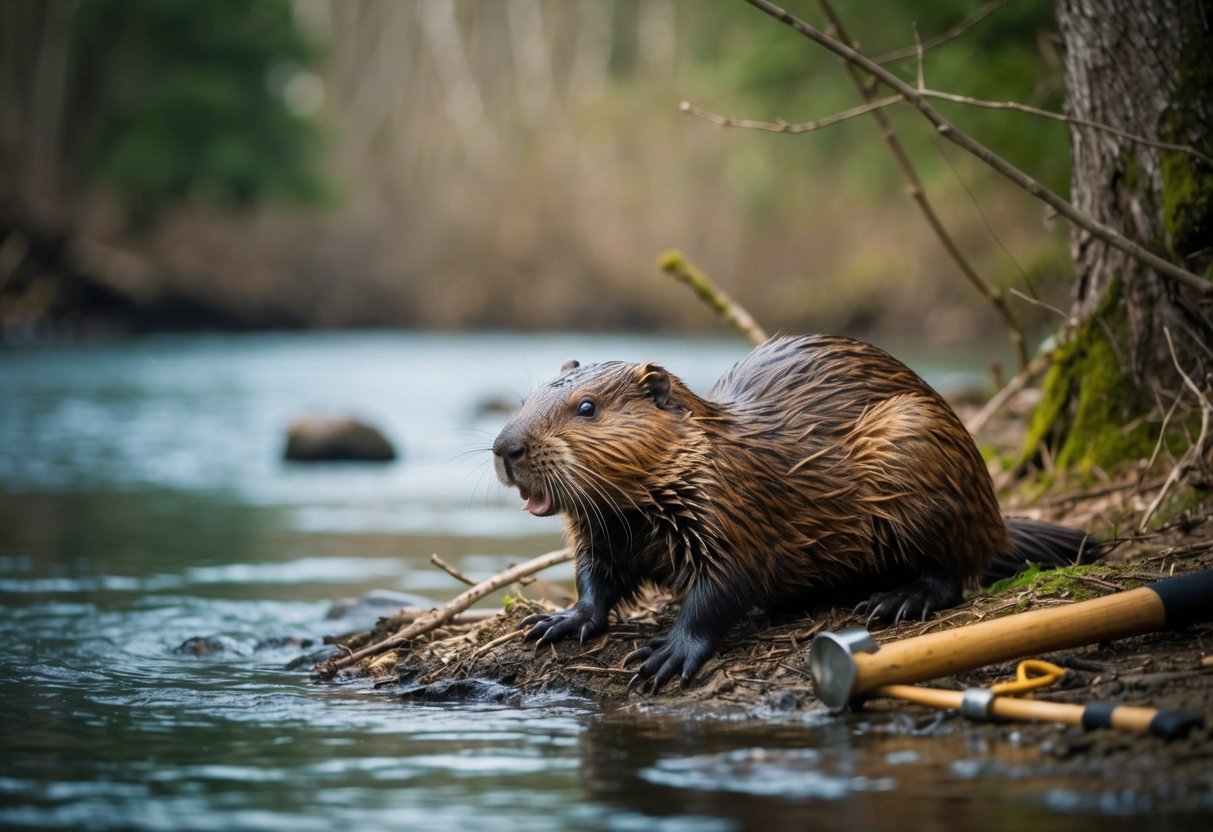
Beavers have played a significant role in human history, especially in early interactions with our ancestors. Understanding these relationships gives insight into how beavers were hunted and their impact on ecosystems.
Early Human Interaction with Beavers
Early humans relied on a variety of food sources, including beavers. These animals were valued for their fat-rich meat, fur, and castoreum, a substance used in medicine and perfumes.
In the Middle Pleistocene, hominins developed dietary strategies that included beavers among their prey choices. Evidence suggests that Neanderthals and early modern humans hunted beavers and other large mammals. Their hunting methods were innovative, often incorporating tools for more efficient capture.
Beavers, such as the Eurasian beaver, were abundant and played a vital role in the food spectrum of hominins. This interaction reflects how important these creatures were for survival during challenging times.
The Role of Beavers in Pleistocene Ecosystems
Beavers were ecosystem engineers during the Pleistocene, influencing their habitat significantly. By building dams, they created wetlands that supported diverse wildlife and plant species. These environments provided shelter and food to various animals.
For instance, the giant beaver (often referred to as trogontherium cuvieri) coexisted with early hominins, contributing to the richness of the ecosystem. The presence of fat-rich animals like beavers shaped the dietary strategies of hominins, who often adapted their hunting techniques based on the availability of these resources.
The interplay between beavers and their environment highlights their importance in maintaining ecological balance. Understanding this relationship helps you appreciate how hunting practices developed over time.
Beaver Hunting Techniques and Tools
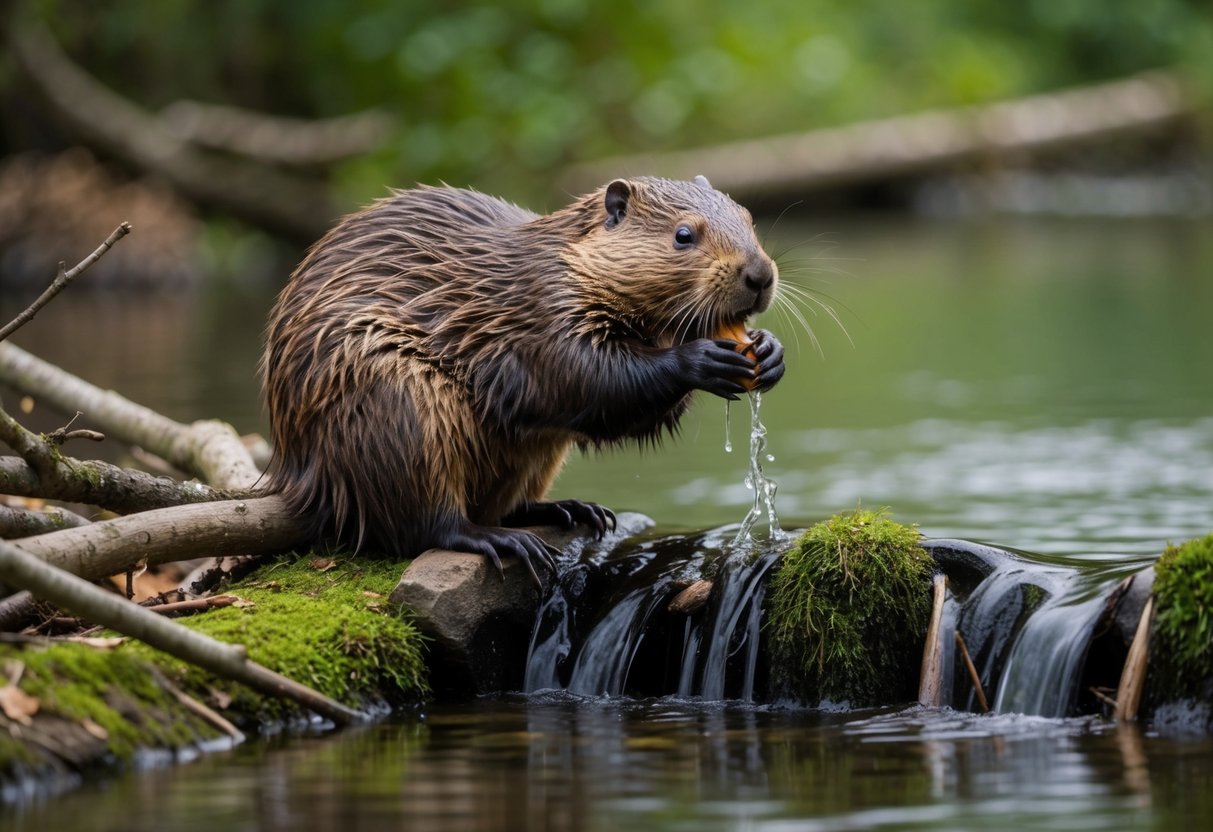
When hunting beavers, it’s important to know the right techniques and tools to use. You can employ various methods, from ancient stone tools to modern trapping techniques, all while respecting the animal and its habitat.
Stone Tools Usage
Researchers and archaeologists have discovered that early humans used stone tools for hunting beavers as far back as 400,000 years ago. These tools were critical for processing beaver materials like fur and meat.
Sharp stone implements allowed hunters to cut through tough hides and prepare the prey effectively.
Even today, some hunters appreciate traditional methods and may use replicas of these stone tools. Using stone tools connects you to ancient hunting practices and can be a rewarding experience. Their design varies, with each stone serving a specific purpose, whether for skinning or cutting.
Trapping and Respect for Prey
Trapping is a widely used method for beaver hunting. Traps like Conibear traps are effective due to their design, which captures beavers without causing unnecessary suffering.
When setting traps, it’s crucial to place them in locations where beaver activity is evident, such as near dams or lodges.
Respecting your prey is fundamental. This means following laws and regulations about hunting. Additionally, utilizing all parts of the beaver is important. You can use meat for food, fur for clothing, and castoreum, a substance from beavers, is used in perfumes. This respect ensures sustainable hunting and helps to maintain the balance in their habitats.
Archaeological Findings and Research
Recent studies have revealed significant insights into the hunting of beavers by early humans. Key findings from specific archaeological sites illustrate the dietary habits and practices of our ancestors, focusing on their interactions with beaver populations around 400,000 years ago.
Evidence from Bilzingsleben and Thuringia
Bilzingsleben, a critical hominin site located in Thuringia, Germany, provides essential evidence of early human activities. Researchers from Johannes Gutenberg University Mainz have extensively examined the area.
They uncovered palaeolithic beaver bones along with cut marks, suggesting that early humans not only hunted these animals but also processed them for food.
The remains primarily belonged to young adult beavers, indicating selective hunting practices. The detailed analysis of these bones helps understand the size and health of historical beaver populations in this region.
This research highlights the diversity of early human diets, challenging previous assumptions that focused mainly on larger mammals. It showcases how beaver remains were a significant part of their diet and daily life.
The Study by Leiden University and Partners
Another vital research initiative involved collaboration between Leiden University and partners, including the Leibniz Zentrum für Archäologie. This study also centered on the beaver remains from the same time period.
It emphasized that early humans had a varied diet consisting of different animal sources. By examining the beaver bones found at various archaeological sites, the study provided insights into hunting strategies.
The presence of beaver remains points to a well-adapted hunting technique, as these animals were not only a food source but also possibly valued for their pelts.
These studies published in Scientific Reports contribute to the growing body of knowledge on how hominins interacted with their environment, revealing a complex relationship with the fauna around them.
Conservation and Modern Perspectives
Today, beaver populations face various challenges and opportunities. Conservation efforts are critical to ensuring that these important animals thrive. Understanding their cultural significance helps frame current protection efforts.
Beaver Populations Today
Beaver populations have experienced fluctuations due to hunting and habitat loss. In North America, beavers are making a comeback after facing near extinction from fur trade, particularly for their valuable pelts.
These large mammals modify ecosystems by building dams, which creates wetlands that support diverse wildlife. A varied diet allows them to thrive, as they feed on leaves, bark, and aquatic plants. As conditions improve, you may find healthy populations in areas like eastern Germany and across the continent.
Conservation efforts often focus on fostering coexistence with humans. This can include using non-lethal methods to manage beaver activity, allowing both people and beavers to benefit from shared landscapes.
Cultural Significance and Protection Efforts
Beavers hold significant cultural importance in many communities. Traditionally, people hunted them for their pelts, which were highly sought after in trade. These animals symbolize nature’s resilience and the balance of ecosystems.
Protection efforts have evolved, recognizing beavers’ ecological roles. Many states now emphasize coexistence strategies. They encourage people to understand the benefits of beavers in water management. This includes promoting the restoration of natural habitats and monitoring populations to avoid over-exploitation.
Programs can also educate the public about beaver contributions to biodiversity. These animals play a vital role in creating wetland habitats, which support many species of flora and fauna. By appreciating their value, you can support ongoing conservation initiatives for beavers and their environments.


