
Many people wonder whether it’s allowed to set beavers free in their natural habitats. Releasing beavers into the wild without a proper license is illegal, and doing so can lead to serious consequences. This law is in place to ensure the safety of both the beavers and the ecosystems they might invade.
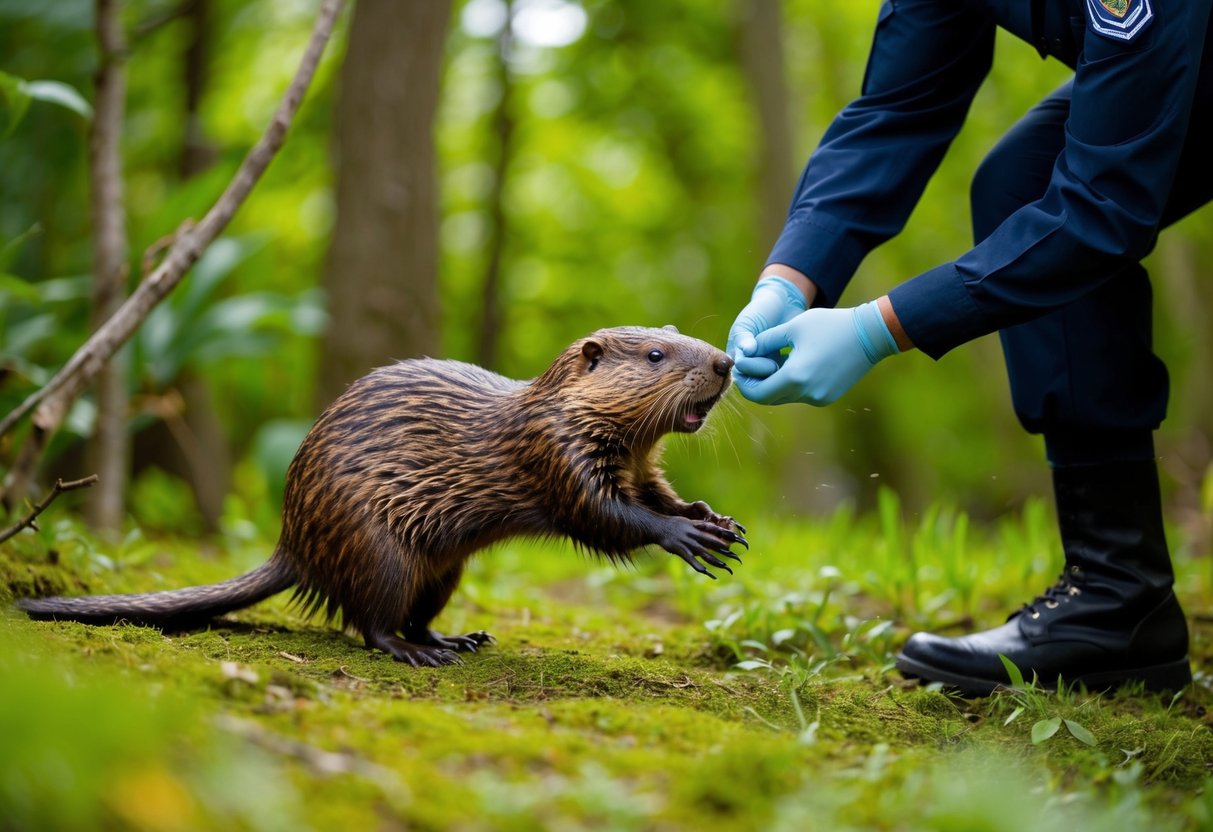
As the conversation about wildlife conservation grows, the reintroduction of beavers has become a popular topic. These animals play a crucial role in creating healthy wetlands and supporting diverse wildlife. However, some activists are taking matters into their own hands, leading to numerous illegal releases that can disrupt local environments. You might be surprised to learn how these unauthorized actions can impact both the beaver population and the ecosystems they enter.
Understanding the current legal landscape around beaver releases is important for anyone interested in wildlife. Keeping them in mind helps protect their future and the natural spaces they enhance. Reading further could help you appreciate why proper management of beaver populations is necessary for ecological balance.
Legal Framework for Beaver Reintroduction
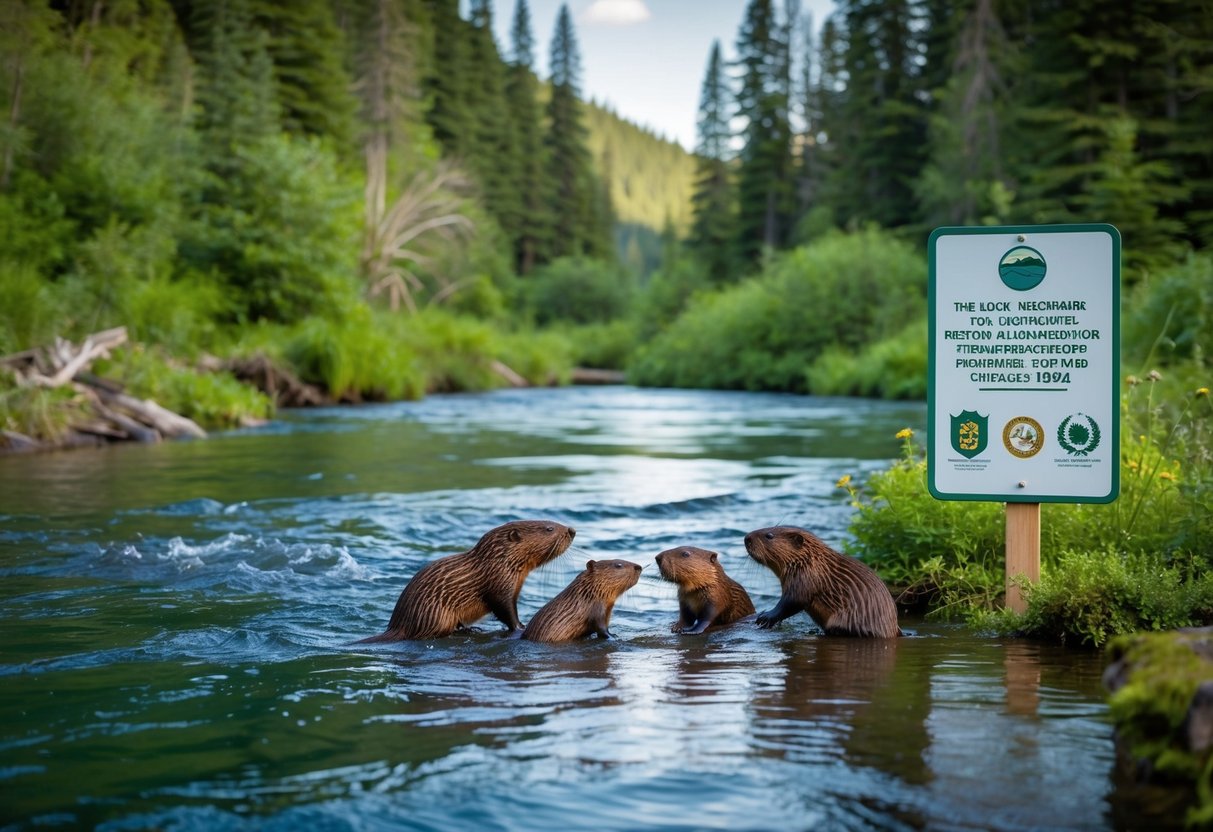
Understanding the legal framework surrounding beaver reintroduction is essential. There are specific regulations that protect beavers, and various laws that govern their management in different regions. You should also be aware of the consequences of unauthorized releases.
Protected Species Regulations
Beavers are classified as protected species under the Wildlife and Countryside Act 1981. This law makes it illegal to intentionally capture, injure, or kill beavers without a license. Additionally, it prohibits the release of beavers into the wild. This protection is crucial for maintaining their populations and habitats.
Natural England plays a role in monitoring beaver populations and issuing licenses for any legitimate relocation efforts. If you’re considering involvement in beaver management, getting familiar with these regulations is necessary to avoid legal complications.
Specific Legislation by Region
Different regions in the UK have their own regulations regarding beavers. For instance, the Scottish Government has developed specific policies for managing wild beaver populations. In Scotland, certain areas allow beavers to thrive while maintaining strict guidelines on how they can be managed.
In England, the Department for Environment, Food & Rural Affairs (Defra) oversees beaver reintroduction trials. They have launched consultations to look into how beavers might be safely managed in the wild. Understanding regional laws helps you navigate the complexities of beaver management and reintroduction.
Consequences of Unauthorised Releases
Releasing beavers without permission can lead to significant legal challenges. Unauthorized releases can result in fines or even prosecution. If caught, you could face a judicial review, which can be lengthy and costly.
These consequences not only affect individuals but can also hinder future beaver management plans. The absence of a national beaver strategy may result in more illegal releases, complicating efforts for an organized reintroduction. Knowing the risks involved is crucial for anyone considering involvement with beaver populations.
Impact of Beavers on Ecosystems

Beavers play a significant role in shaping their environments. Their activities not only enhance water management but also support a diverse range of species. Understanding these impacts helps you appreciate how beavers contribute to ecosystems.
Beaver Dams and Water Management
Beaver dams are known for creating ponds and wetlands. These structures slow down water flow, which can help prevent floods. They also recharge groundwater and maintain water levels during dry seasons.
The ponds formed by beaver dams improve water quality by trapping sediments and filtering pollutants. This natural filtration benefits local aquatic life. In fact, creating a healthy habitat for fish and other wildlife.
By reducing erosion, beaver dams contribute to a balanced ecosystem. This allows plants and animals to thrive in areas that might otherwise become too dry or unstable.
Beavers as Keystone Species
Beavers are often referred to as keystone species because of their unique role in their habitats. Their activities can dramatically alter the landscape, benefiting other species.
When beavers build dams, they create wetlands that provide habitats for numerous organisms. This includes fish, birds, amphibians, and invertebrates. Wetlands support biodiversity and strengthen the ecosystem.
Furthermore, as beavers reintroduce to certain areas, they help restore ecological balance. Their presence can guide conservation efforts, making them important to environmental success.
Biodiversity and Conservation Benefits
Beaver activity leads to increased biodiversity, which is essential for healthy ecosystems. These animals support various species by creating diverse habitats.
Wetlands created by beavers serve as vital breeding grounds and shelters. This encourages the growth of plants, insects, and animals. Many conservationists advocate for beaver reintroductions as a way to restore ecosystems.
In addition to promoting wildlife, beavers also improve carbon storage in wetlands. This helps combat climate change and supports environmental health, making beavers influential in conservation strategies.
Current Beaver Reintroduction Projects

Beaver reintroduction projects are gaining attention as a way to restore ecosystems. These projects aim to bring back wild beavers to their natural habitats, benefiting biodiversity and improving environmental health.
The Scottish Beaver Trial
The Scottish Beaver Trial in Knapdale was an early reintroduction effort. Initiated in 2009, it aimed to study the impacts of beavers on the environment. The trial showed positive effects on biodiversity. Beavers help create wetlands and improve water quality.
Today, the beaver population in Tayside is growing, yet challenges persist. The Scottish government restricts additional releases, which can fragment existing populations. Ongoing monitoring is essential to ensure the sustainability of this species in Scotland.
Efforts by Wildlife Trusts and Conservation Groups
Various wildlife trusts and conservation groups are also working on beaver reintroduction. Organizations like Beaver Trust play a vital role in these efforts. They focus on establishing new populations and ensuring their survival.
Through careful planning, groups like Trees for Life aim to address habitat needs for beavers. Their work includes creating suitable environments and mitigating conflicts with agriculture. Engaging local communities is crucial to these efforts, ensuring everyone understands the benefits of beavers.
Monitoring Genetic Diversity and Breeding Potential
Monitoring genetic diversity among beaver populations is vital for their long-term survival. A healthy genetic mix increases resilience to diseases and environmental changes. Conservation groups continually assess genetic diversity to promote successful breeding.
By tracking breeding potential, organizations can implement strategies to enhance population growth. This helps ensure that beavers can thrive in new habitats. The collaborative efforts of various groups contribute to a successful reintroduction of wild beavers into the ecosystem.
Broader Perspectives on Beaver Reintroduction
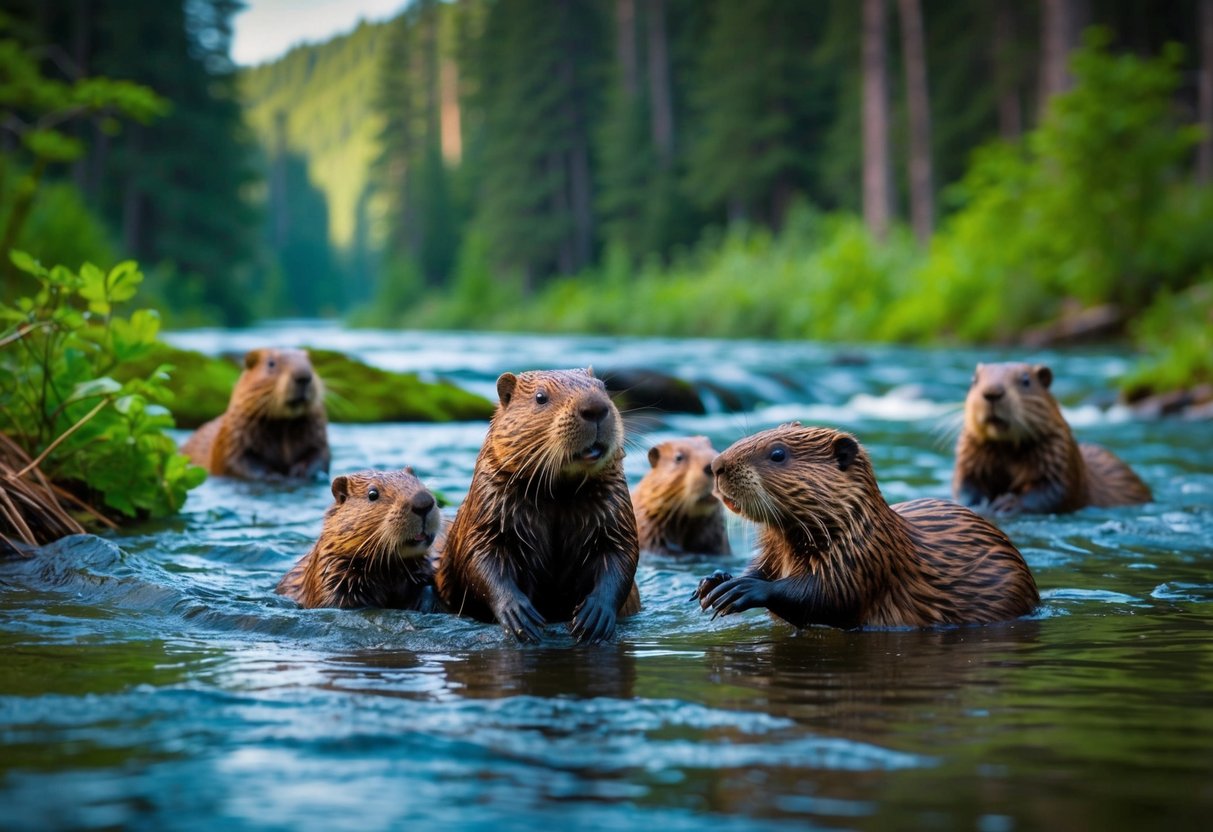
Beaver reintroduction has important implications for environmental recovery and can influence local economies. Understanding these aspects can help you appreciate the role of beavers in landscape recovery and their socio-economic impact.
Climate Change and Landscape Recovery
Beavers play a vital role in enhancing ecosystems, especially in the context of climate change. Their natural dam building creates wetlands, which help manage floodwaters and sustain biodiversity. These wetlands also act as carbon sinks, capturing carbon dioxide from the atmosphere.
In areas like Knapdale Forest, beaver activities have led to rejuvenated landscapes, promoting native woodland growth. This is crucial as habitats evolve due to climate shifts. When beavers thrive, rivers and wetlands benefit, leading to a healthier environment for many species. You may notice that these improved habitats can also increase resilience against nature crises, like extreme flooding events.
Socio-economic Effects and Tourism
The presence of beavers can enhance local tourism, attracting visitors interested in wildlife observation and nature experiences. For communities near places like Beauly, beaver-related activities can lead to increased revenue. Tourists often seek opportunities to engage with nature, and beavers provide just that.
Additionally, beaver dams can improve the quality of nearby arable land by controlling water flow. The right balance of wet and dry areas promotes agricultural activity while maintaining ecosystem health. Understanding these benefits may encourage you to support conservation efforts that help integrate beaver habitats with local economies.
Current Challenges and Future Outlook
Beaver reintroduction faces challenges despite their benefits. Landowners often worry about flooding and damage to crops. Clear communication and understanding of beaver behavior can help address these concerns. Solutions like managed translocation can ensure that beavers thrive without causing undue harm.
As societies adapt to ongoing climate changes, the future outlook for beavers remains uncertain. Continued research and community involvement will be essential in promoting coexistence. By supporting beaver conservation, you contribute to landscape recovery, enhanced biodiversity, and sustainable tourism.


