
If you’re curious about where beavers call home in the UK, you’ll be intrigued to learn that these fascinating creatures have made a remarkable comeback. Beavers primarily live in regions such as Knapdale, the Tay, and the Otter in Scotland. Some have also been introduced to areas in England like Kent and Essex. Their reintroduction is not only about boosting numbers but also about enhancing local ecosystems.

As the only native beaver species in the UK, the Eurasian Beaver has become a symbol of conservation efforts. In May 2009, a project marked the first time in over 400 years that beavers were released into the wild in Scotland. This move has been pivotal in restoring natural habitats and promoting biodiversity.
Understanding where beavers live can deepen your appreciation of these animals and the important role they play in our environment. By supporting their conservation, you help ensure that future generations can enjoy these remarkable creatures in their natural habitats.
Beaver Habitats in the UK
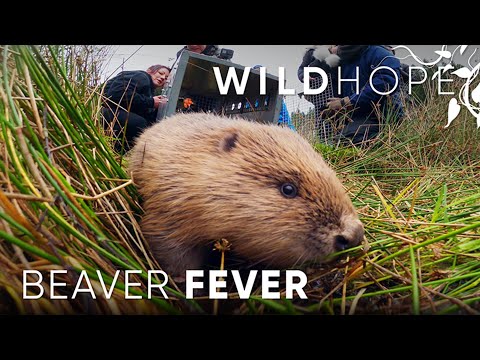
Beavers thrive in specific environments that provide the resources they need. Understanding these habitats helps you appreciate their role in the ecosystem and the places where they live.
Wetland Ecosystems and Wildlife Trusts
Beavers primarily inhabit freshwater ecosystems which include rivers, ponds, lochs, and streams. These areas provide the food and shelter beavers need to survive. Wetlands are rich in biodiversity and are essential for many species, making them important habitats in the UK.
Many Wildlife Trusts work to protect and enhance these ecosystems. These organizations often focus on restoring wetland areas by planting native trees and monitoring water quality. This helps create safe environments for beavers, while also benefiting other wildlife. Beavers contribute to the health of wetlands by creating dams. Their dams can increase water levels and improve habitats for fish and other aquatic life.
Typical Features of Beaver Habitats
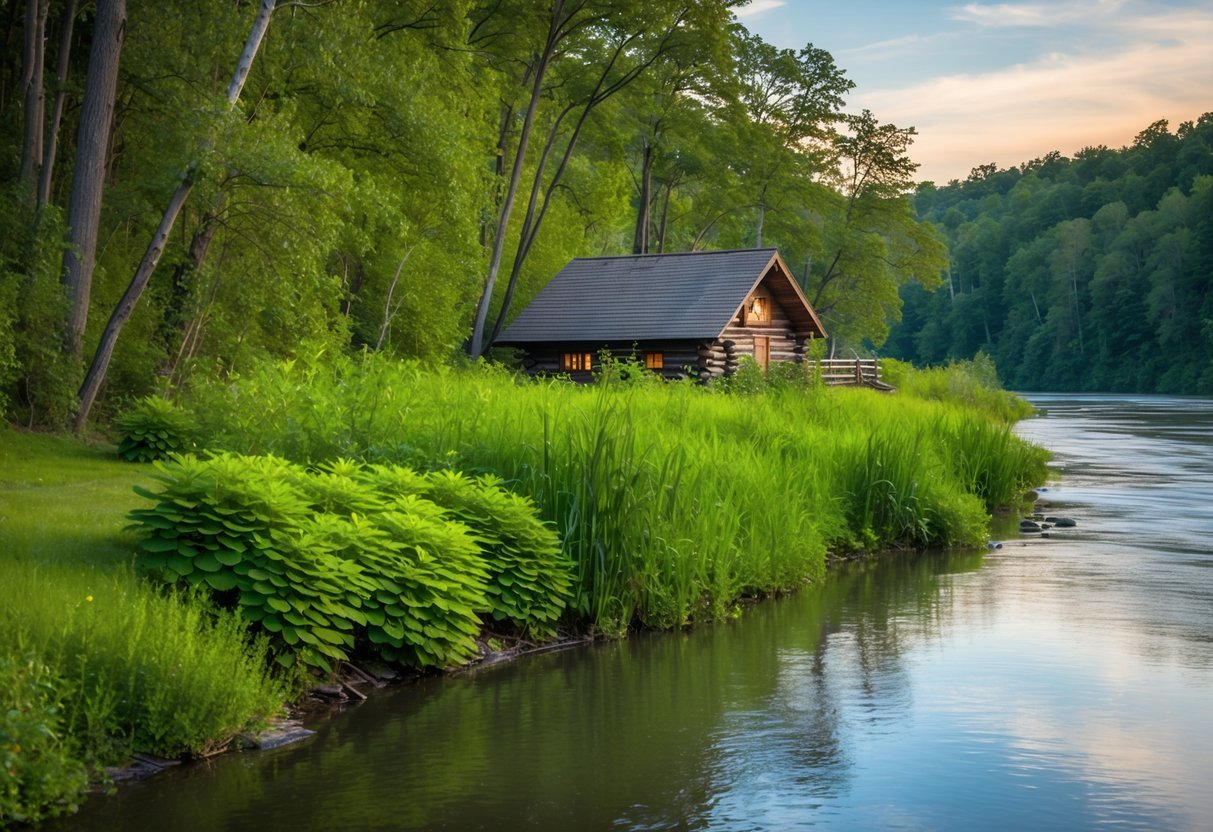
In your exploration of beaver habitats, you’ll notice several typical features. Beavers prefer areas with an abundance of woody plants, like willows and alders, which provide both food and building materials. They usually build their lodges near rivers or streams, using branches, mud, and grass.
You may also see burrows dug into riverbanks, which serve as entrances to their living spaces. These burrows help protect beavers from predators. Look for areas with wetland plants surrounding ponds or streams, as these indicate a healthy habitat. Beaver activity creates diverse environments, allowing various species, including birds and fish, to thrive alongside them.
The Life of Beavers
Beavers have a unique way of life that centers around family and their environment. They are social animals that form tight-knit family groups and play a vital role in the ecosystem.
Social Structure and Daily Activities
Beavers usually live in family groups, commonly called colonies. These groups consist of a pair of adults, known as adults, and their young, called kits. Pairs often stay together for life, working as a team to maintain their home.
Beavers are most active at dawn and dusk. During the day, they rest in their lodges, which are dome-shaped structures made of sticks and mud. These lodges feature underwater entrance tunnels that keep them safe from predators. Beavers spend a lot of time gnawing on trees and vegetation, a necessary behavior for maintaining their teeth, which continuously grow.
Diet and Foraging Behavior
As herbivores, beavers primarily eat leaves, bark, and aquatic plants. They are known for their preference for certain trees, such as willow, aspen, and birch. By gnawing on trees, they not only feed themselves but also create ponds that benefit many other species.
When foraging, beavers collect food and store it in underwater burrows. This ensures they have access to food materials during winter months when the water is frozen. Their ability to transform their environment makes them a keystone species, as their activities can create new habitats for fish and birds.
Beavers as Ecosystem Engineers
Beavers play a vital role in their environments by creating structures that help shape ecosystems. Their activities not only support wildlife but also manage water resources effectively.
Impact on the Environment
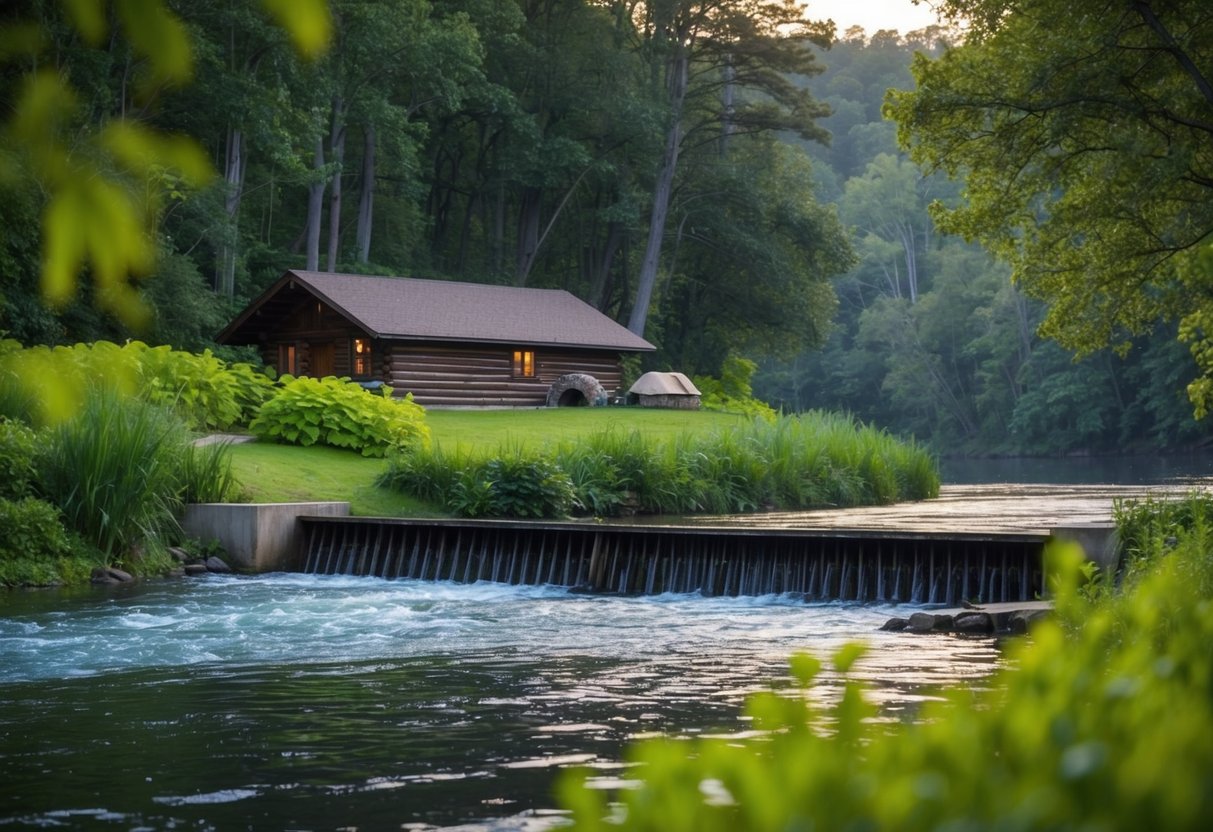
Beavers are often called ecosystem engineers because they significantly alter their habitats. When they build dams, they create ponds that provide homes for numerous species. These ponds support diverse plant life and enable various aquatic ecosystems to thrive.
Their lodges, built with branches and mud, offer shelter to a range of animals. The beaver’s removal of trees opens up spaces for new plant growth. This process, called succession, encourages biodiversity.
Moreover, by creating wetlands, beavers improve water quality. The slow-moving water allows sediments to settle and reduces pollutants. This is crucial for maintaining healthy waterways.
Flood Management and Climate Change
Beaver activity plays an important role in managing flood risks. Their dams can slow down water flow, reducing the impact of heavy rains and seasonal flooding. By holding back water, they create a more stable environment for surrounding habitats.
With climate change leading to more extreme weather events, the ability of beavers to create wetlands offers a natural solution. These wetlands help retain water during dry spells and release it slowly during floods.
The presence of Eurasian beavers, the largest rodent in Europe, can make a big difference. Their excellent swimming skills and flat tails help them build and maintain their structures. This natural management approach shows promise for enhancing beaver populations and promoting ecosystem resilience.
Conservation Efforts for Beavers in Britain

Beavers have faced extinction in Britain due to years of hunting and habitat loss. Nowadays, various conservation efforts are in place to support their reintroduction and ensure their survival.
Reintroduction Programs
Efforts like the Scottish Beaver Trial have been key in reintroducing beavers to their natural habitats. This trial, managed by the Scottish Wildlife Trust, has allowed beavers to thrive in a controlled environment. It helps researchers understand their impact on ecosystems.
Wildlife Trusts across England and Scotland have also set up programs to reintroduce beavers. These programs often involve careful monitoring to assess how beavers affect their surroundings. They create dams, which help restore wetlands and improve water quality. It’s exciting to see how these reintroduced beavers contribute to local biodiversity.
Collaboration with Local Communities
Local communities play an important role in beaver conservation. Many conservation charities actively engage residents to raise awareness about beavers and their ecological benefits.
Education efforts help people appreciate how beavers enhance wetland areas and support various wildlife.
Moreover, community involvement in monitoring beaver populations leads to better cooperation. For instance, when residents report sightings or signs of beaver activity, it aids conservationists in tracking their progress.
Nature reserves also serve as community hubs, where workshops and events educate the public about beaver habitats and the importance of preserving them.
Your participation can truly make a difference in these conservation efforts.


