
Beavers play a surprising role in the countryside, impacting both the ecosystem and the wildlife that call it home. Many experts agree that beavers are good for the countryside as they create important habitats that boost biodiversity. Their dams and ponds help manage water flow, making areas more resilient during droughts and providing vital resources for different animals and plants.

As you explore the effects of beavers on your local environment, you’ll discover how these busy creatures transform landscapes. Their activities enhance vegetation diversity and create wetlands that support various species.
By increasing the abundance of insects and fish, beavers also contribute to healthier ecosystems. This benefits not only wildlife but also the agricultural community.
While some may worry about their potential impact on farmland, understanding the balance they bring can change your perspective. You might find that beavers can coexist with farming practices, bringing more benefits than challenges when properly managed.
Join us in looking closer at the many ways beavers positively influence the countryside and its wildlife.
Beavers as Ecosystem Engineers

Beavers play a crucial role in shaping their environment. They create wetlands, influence local wildlife, and help improve habitats through their activities. Understanding their contribution can show how beneficial they are to the countryside.
Impact on Biodiversity and Habitats
Beavers are often called keystone species because their activities greatly shape ecosystems. When they build dams, they create beaver ponds that serve as habitats for various organisms. These wetlands support a rich diversity of aquatic plants and vegetation.
Additionally, the flooded areas help store water. This can support riparian zones where many native species thrive. Beavers increase biodiversity by creating spaces for fish like trout and salmon
Beavers and Climate Resilience
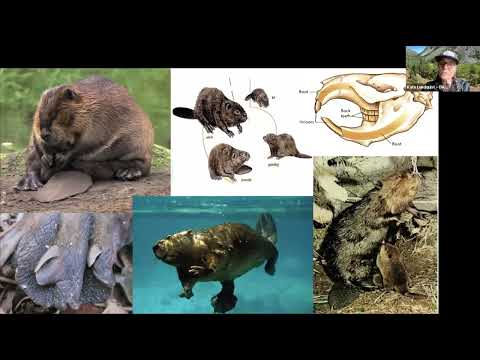
Beavers play a vital role in enhancing climate resilience in the countryside. Their natural behaviors contribute to maintaining healthy ecosystems, which can better withstand disruptive climate events like droughts and floods. Understanding how beavers help mitigate climate change effects and strengthen ecosystems is crucial for appreciating their impact.
Mitigating Climate Change Effects
Beavers help mitigate the effects of climate change in several ways. By creating dams, they form ponds that retain water, especially during dry periods. This water storage helps during droughts by supporting wildlife and vegetation.
Their dams also promote nutrient cycling by trapping organic matter. As plants decompose in the water, they enrich the soil with nutrients. This can enhance plant growth, which further supports biodiversity.
Wetlands formed by beaver dams can reduce the intensity of heatwaves and serve as climate buffers for surrounding areas.
Strengthening Ecosystems Against Natural Disasters
Beavers also strengthen ecosystems, making them more resilient against natural disasters. Their dams provide flood control by slowing down water flow. This action helps prevent downstream flooding during heavy rains.
The wetlands they create act as natural barriers against erosion. This stabilizes banks and shorelines, protecting valuable land. Additionally, healthy wetland ecosystems can store carbon, helping combat climate change.
Through these processes, beavers play a key role in improving ecosystem health and protecting against the impacts of wildfires and other events.
Challenges and Coexistence

Beavers play important roles in the ecosystem, but they can also create challenges for landowners and communities. It’s essential to understand these conflicts and explore ways to coexist with these fascinating animals.
Human-Beaver Conflicts
Beavers are known for their dam-building skills, which can lead to conflicts with humans. Their dams often cause flooding, affecting nearby properties and infrastructure. This flooding can damage crops, disrupt stream flows, and impact drinking water aquifers.
In addition, beavers chew on trees like willow and aspen. This behavior can lead to the loss of valuable trees in your area. As a result, people may feel the need to take action against beavers, leading to tension between wildlife and landowners.
Conservation and Coexistence Strategies
Fortunately, effective ways exist to manage conflicts with beavers while still enjoying their benefits. Techniques like flow devices can help regulate water levels in beaver ponds, reducing flooding risk.
Installing riparian fencing around vulnerable areas also protects trees from being chewed.
Education and community involvement play key roles in promoting coexistence. Organizations often offer workshops to teach landowners about peaceful coexistence strategies.
By embracing methods like rewilding and supporting beaver trial initiatives, you can help foster a balanced ecosystem that benefits both humans and wildlife, including river otters that thrive in the habitats created by beavers.


