
Beavers play a vital role in nature. They are often called ecosystem engineers due to their unique ability to shape their surroundings. Their dam-building activities create wetlands that benefit countless plants and animals, making them a keystone species in many environments. This transformation of landscapes leads to healthier ecosystems, improving water quality and supporting diverse wildlife.

You might wonder why these creatures matter so much. By slowing down water flow and creating ponds, beavers help filter pollutants and provide habitats for fish, birds, and other wildlife. Their presence enhances biodiversity and can even help combat climate change by promoting healthier wetlands, which store carbon.
As you explore further, you’ll discover how beavers not only help the environment but also support farmers and communities. Understanding their significance can change the way you view these often-misunderstood animals, revealing the crucial role they play in maintaining a balanced ecosystem.
Beavers as Ecosystem Architects
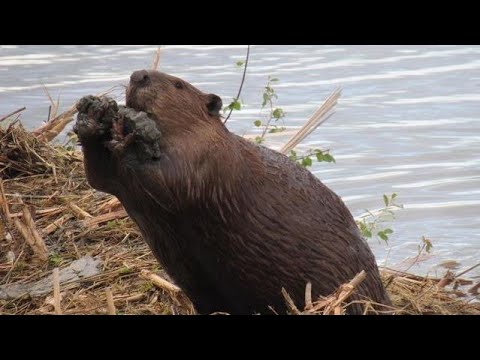
Beavers play a crucial role in shaping their environments. Through their natural behaviors, they create and maintain wetlands while enhancing biodiversity and habitat. Let’s explore how these industrious animals make a significant impact on the ecosystem.
Wetland Creation and Maintenance
Beavers are known for building dams across rivers and streams. This action creates ponds, which are essential for forming wetlands. These wetlands serve as natural buffers against floods and droughts.
As the water level rises, beaver-created ponds provide habitats for various species. These areas help filter pollutants and improve water quality. Both the North American beaver and the Eurasian beaver contribute to this vital process by ensuring that wetlands thrive.
Moreover, beaver lodges add to the structure of these habitats, providing shelter for fish, birds, and other wildlife. The presence of water attracts numerous organisms, enhancing the overall health of the ecosystem.
Impact on Biodiversity and Habitat
Beavers significantly influence biodiversity in their habitats. The pools and wetlands they create offer rich environments for many plants and animals. This increased diversity supports food webs and stabilizes the ecosystem.
When beavers build their dams, they create slow-moving water that benefits species like amphibians and invertebrates. This change in habitat allows various organisms to thrive, leading to a more resilient ecosystem.
Additionally, beaver activities help combat climate change. By retaining water and creating lush habitats, they support carbon storage. This is vital for the health of the environment and helps maintain a balanced ecosystem.
Hydrological Benefits and Flood Control

Beavers play a vital role in improving water quality and managing water levels. Their activities help in flood control and contribute to the health of ecosystems.
Water Quality Improvement
Beaver dams create wetlands that act as natural filters. These wetlands trap sediments, which helps keep water clean. As water flows through these areas, pollutants and excess nutrients are removed. This process improves the overall health of streams and rivers.
In addition, the slowed water movement allows for better absorption by soil and plants. As a result, the surrounding environment becomes richer in biodiversity. Healthy water systems are key for both wildlife and communities.
Beavers also help mitigate drought conditions. Their ponds store water during dry spells. This stored water can support plants and animals when rainfall is scarce.
Water Table and Aquifers
Beaver activity significantly impacts the water table. Dams create ponds that recharge groundwater. This is essential for maintaining aquifers, which supply drinking water to many communities.
By raising the water table, beaver dams help stabilize stream flows. This means fewer extreme changes between floods and droughts. Healthy streams support fish and other wildlife, enriching the ecosystem.
The stored water not only benefits nature but also agricultural lands nearby. Farmers often rely on stable water supplies for their crops. Beaver habitats can help provide that. Their presence fosters a balanced water cycle, making environments more resilient to climate changes.
Beavers’ Role in Ecosystem Services

Beavers play a vital role in providing important ecosystem services, especially in combating climate change and supporting agriculture through nutrient cycling. Their actions create environments that benefit many other species and promote a healthier landscape.
Climate Change Mitigation
Beavers help to mitigate climate change by creating wetlands that capture carbon. Their dams slow down water flow, allowing sediment to settle and store carbon effectively. This process can significantly reduce greenhouse gases in the atmosphere.
Wetlands also enhance water retention. This is crucial during droughts, as it ensures a more stable water supply and can reduce the risk of wildfires. According to the US Fish and Wildlife Service, beaver-created wetlands are essential habitats that support diverse wildlife and promote resilience in our ecosystems.
Agriculture and Nutrient Cycling
Beavers contribute to agriculture by improving soil health and nutrient cycling. Their dams create ponds, which help filter and trap sediments, enriching the water with nutrients. This can promote better growth for plants and crops around the water sources.
Additionally, beaver wetlands create a natural buffer that reduces runoff, preventing soil erosion. This results in healthier farmland, as nutrients stay in place and are not washed away. The presence of beavers can enhance agricultural productivity, benefiting both farmers and the environment.
Threats to Beaver Populations and Conservation Efforts

Beavers are vital for maintaining healthy ecosystems, but they face several threats. You will find that human-wildlife conflicts and habitat loss pose significant challenges. Conservation efforts focus on managing these conflicts and protecting beaver habitats to ensure their survival.
Addressing Human-Wildlife Conflict
Human-wildlife conflict arises when beavers create dams near homes and farmland. These dams can lead to flooding, which disrupts land use and damages property. To address this, you can employ various management strategies.
One approach is to use fencing around sensitive areas to protect crops. Also, using flow devices helps regulate water levels in beaver ponds. These devices allow beavers to thrive while minimizing impacts on human activities.
Education is key. Teaching communities about the importance of beavers can foster coexistence. Understanding their role as ecosystem engineers can encourage supportive attitudes rather than hostility.
Restoration and Legal Protection
Restoring natural habitats is crucial for beaver populations. Many riparian zones have been degraded due to development and pollution.
You can support habitat restoration projects that aim to improve the health of these areas.
Legal protections for beavers are also essential. In North America, several regulations help safeguard beaver habitats and prevent over-harvesting.
Understanding local laws can guide your efforts in conservation.
In addition, many organizations work on beaver conservation. Getting involved with these groups can make a difference.
Supporting initiatives that promote healthy meadows and wetlands lays the groundwork for beavers to thrive alongside various mammals and other wildlife in the environment.


