
Beavers are known for their remarkable skills as builders and problem-solvers. They create intricate dams and lodges, shaping their environment to suit their needs. This ability to modify landscapes makes them key players in their ecosystems, often referred to as ecosystem engineers.
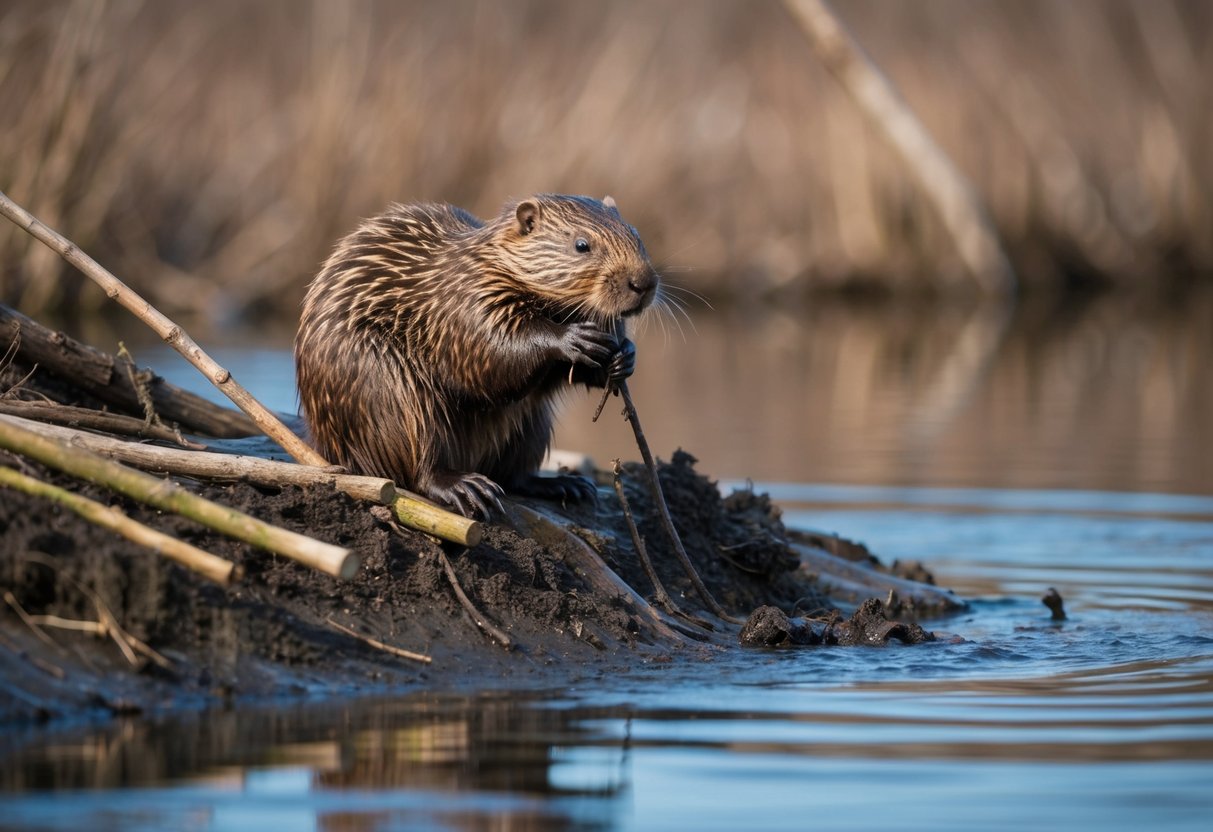
As you explore the world of beavers, you’ll discover they demonstrate various forms of intelligence that rival many animals. From their social structures to their advanced problem-solving techniques, beavers show that there’s more to these furry creatures than meets the eye. You’ll find their behaviors and interactions with the environment both fascinating and enlightening.
Whether you’re a nature enthusiast or just curious about these clever animals, understanding beaver intelligence can change how you view them. You’ll see how vital they are to maintaining ecological balance while being one of nature’s most skilled architects.
Understanding Beavers as Ecosystem Engineers
Beavers play a vital role in shaping their environment. Their activities significantly affect biodiversity and ecosystem dynamics. By building dams, they create and maintain unique habitats that support various species.
Impact on Biodiversity and Ecosystems
Beavers are considered keystone species because their actions enhance biodiversity. When they build dams, they create ponds and wetlands that serve as habitats for many animals and plants. These wetlands support fish, amphibians, birds, and invertebrates.
Moreover, the water from these ponds helps to keep the surrounding area moist. This moisture benefits plants and contributes to a diverse ecosystem. The presence of beaver ponds also helps filter water, improving overall water quality.
In many areas, the absence of beavers would lead to fewer habitats and reduced biodiversity. Their engineering skills promote a thriving environment for countless species.
Dam-Building Abilities and Their Purpose
Beavers are known for their impressive dam-building abilities. They use trees, branches, and mud to construct these structures, which serve multiple purposes. First, dams create ponds that provide water for beavers and other wildlife.
These ponds help keep beavers safe from predators and offer a space for raising their young. Additionally, the flooded area allows beavers to access more food, especially during winter.
Dams also play a critical role in regulating water flow. They slow down fast-moving streams and prevent erosion, helping to maintain healthy ecosystems. In this way, beavers act as natural engineers, working tirelessly to maintain balance in their habitats.
Beaver Habitats and Social Structures
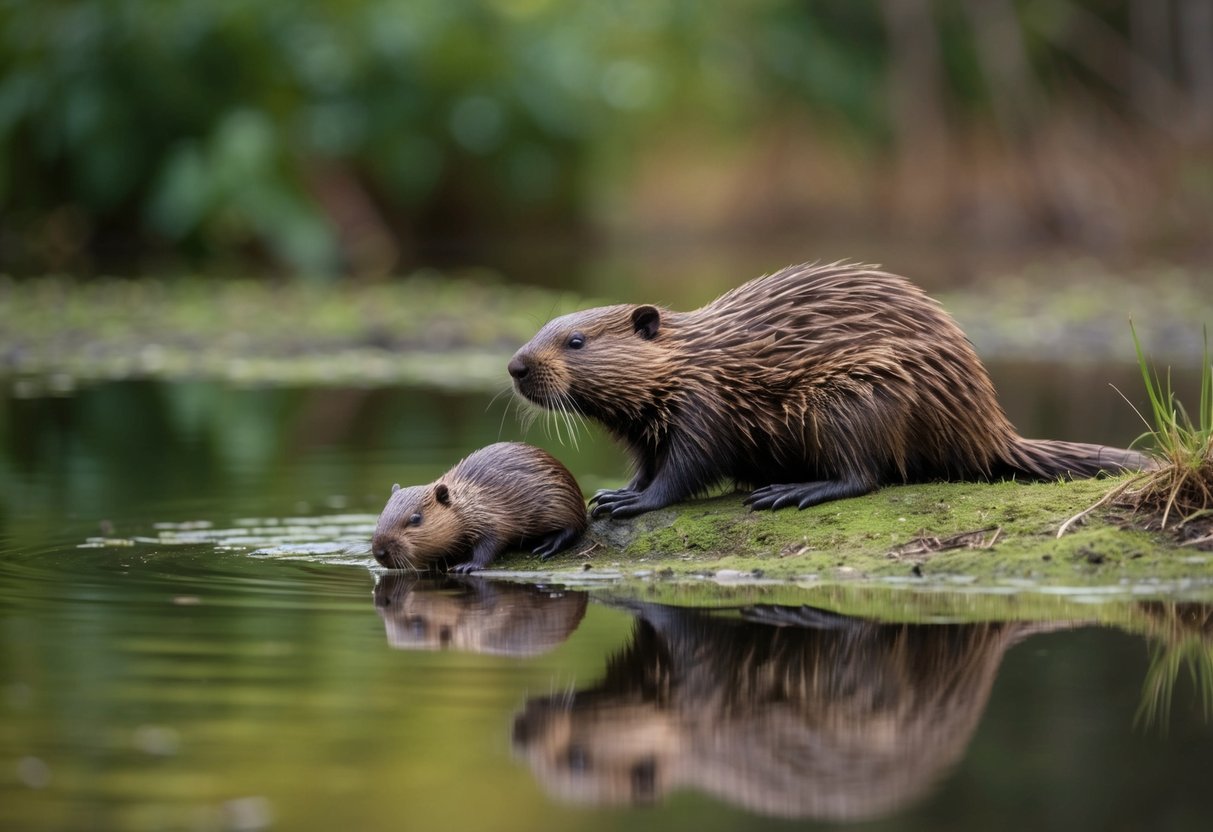
Beavers are fascinating animals known for their unique habitats and strong social bonds. They create intricate homes called lodges and live in well-defined territories. Their social structures revolve around family units, where they play crucial roles in their communities.
Territory and Lodges
Beavers establish territories that can vary in size depending on food availability and water sources. Typically, a beaver colony may occupy a territory of 1 to 3 acres.
Lodges are an important feature of their habitat. These homes are built using branches, mud, and stones. They usually have underwater entrances, which help protect beavers from predators. Inside, lodges have compartments for resting and caring for their young. These shelters keep the beavers safe and warm during harsh weather.
Family Life and Social Behavior
Beavers are known for their strong family ties, often forming a colony made up of a mating pair and their offspring. They usually mate for life, which strengthens their social structure.
A typical beaver family raises 1 to 8 kits, commonly known as baby beavers. Parents teach their young essential skills needed for survival. Family members communicate through sounds and tail slaps, signaling warnings or alerts.
Beavers work together to maintain their habitat, creating ponds and wetlands that benefit many species. This teamwork reflects their essential role in the ecosystem and highlights their social nature.
Adaptations and Survival Strategies
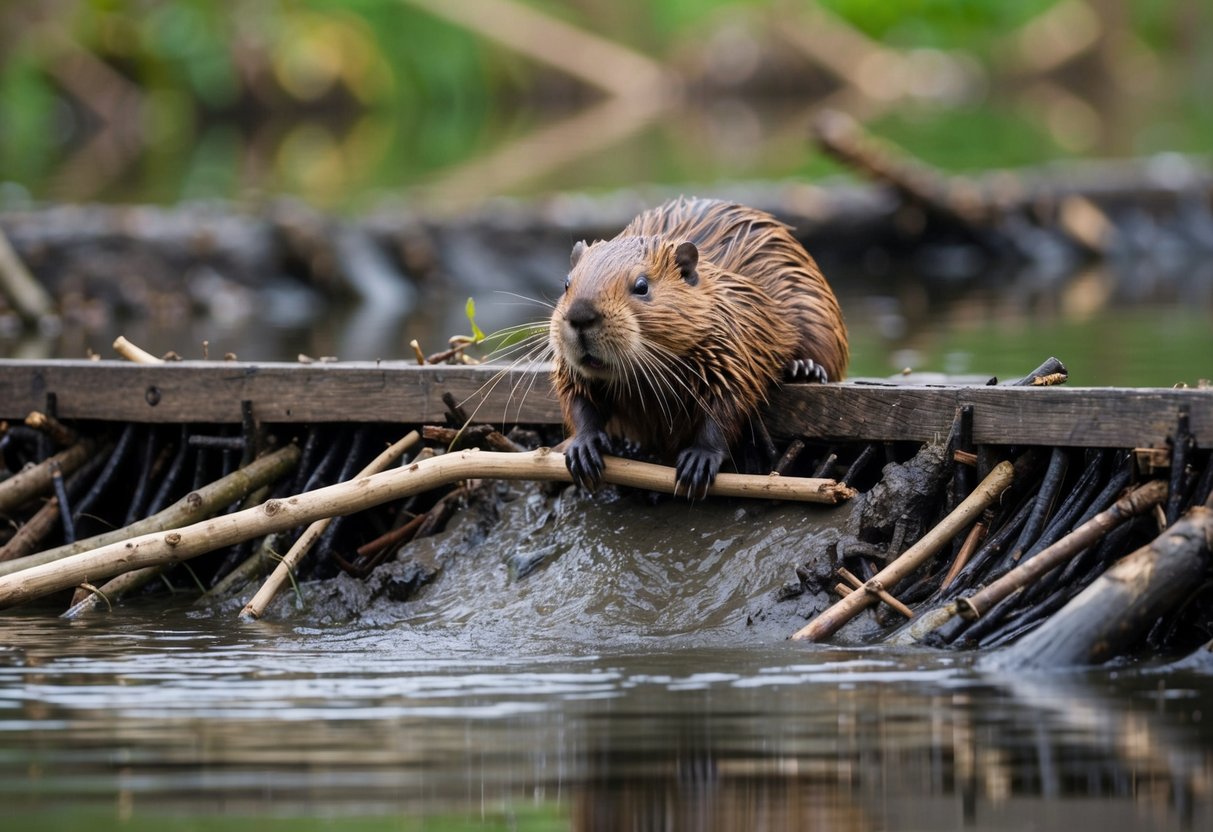
Beavers have developed impressive adaptations that enhance their survival in aquatic environments. Their physical traits help them live comfortably in water, while their cognitive skills allow them to navigate challenges and learn from their surroundings.
Physical Adaptations for Aquatic Life
Beavers are well-equipped for life in the water. Their webbed feet make them excellent swimmers, enabling them to move swiftly and gracefully. These adaptations are crucial for escaping predators and foraging for food.
The beaver’s thick fur provides insulation, keeping them warm in cold waters. Additionally, their flat, paddle-like tail serves multiple purposes. It acts as a rudder while swimming and can also store fat for energy.
When building dens and burrows, beavers ensure safety by constructing them below water level. This strategic placement helps protect them from predators, allowing them to thrive in various environments.
Cognitive Skills and Learning Behavior
Beavers are known for their remarkable cognitive abilities. They are capable of problem-solving, which allows them to adapt their surroundings effectively. Whether building a dam or finding food, their intelligence plays a significant role in their survival.
These animals learn from experience. For example, if a dam fails, they can remember past conditions and make adjustments to prevent future issues. This ability to adapt demonstrates their flexibility in changing environments.
Beavers are also nocturnal, which aids in avoiding predators and efficiently gathering resources during the night. Their strong memory helps them navigate their territory, ensuring they can find food and return to their lodges safely.
Inter-Species Interactions and Communication
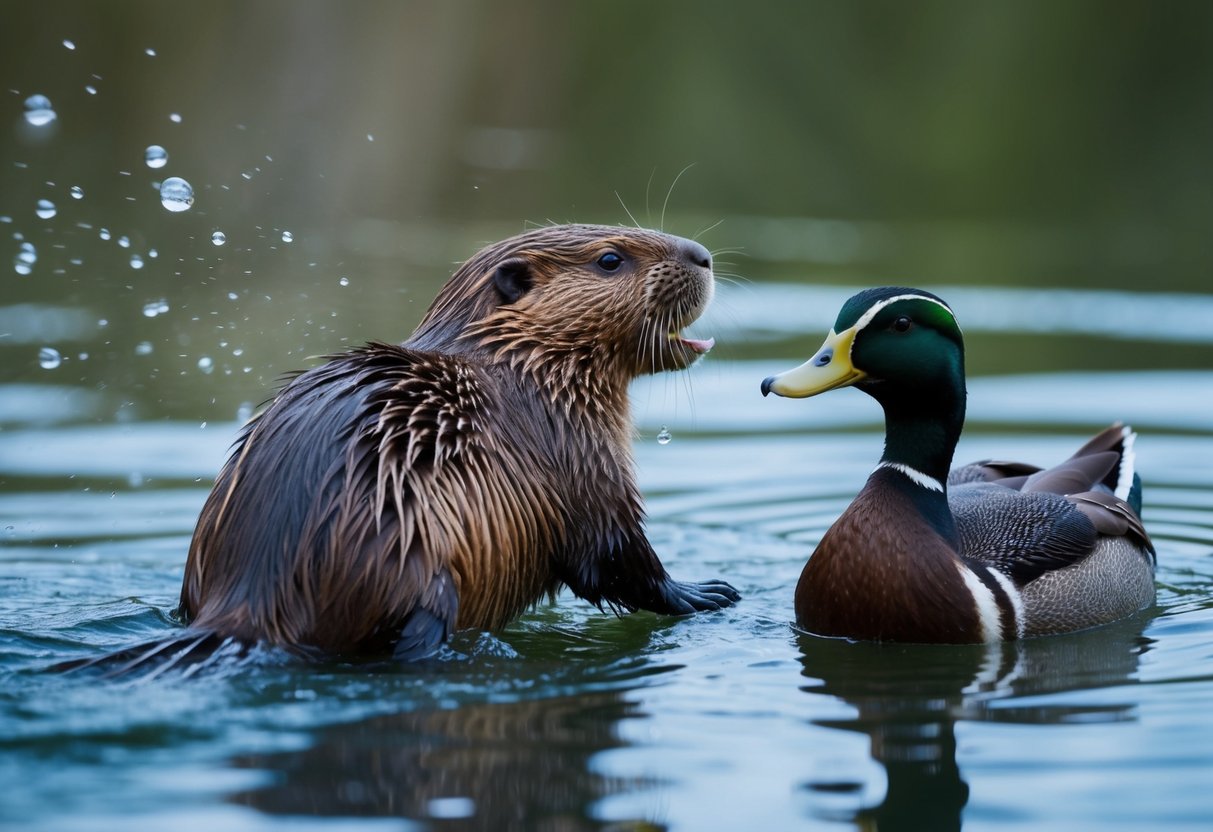
Beavers are social animals that communicate in various ways. They use vocalizations, body language, and scent markings to interact with each other and with other species.
When you observe beavers, you might notice their chatter. These sounds can signal alarm or help coordinate actions within their colony.
Their interactions extend beyond just their own species. Beavers often share their habitat with birds and fish.
For instance, fish benefit from the ponds created by beavers, while birds find nesting spots in the trees around these areas.
Mammals, like deer and otters, may also rely on environments shaped by beavers. These interactions show how beavers play a crucial role in supporting various species.
Even dogs can get curious about beavers. If you take your dog on a walk near a beaver pond, it might want to investigate those busy builders.
Insects, such as ants, can thrive around the damp areas created by beavers, benefiting from the rich ecosystem.
Beavers and these other creatures work together in a shared environment. Their communication aids not only their survival but also creates a thriving habitat for diverse wildlife.


