
Beavers play an essential role in our ecosystem. These remarkable creatures help create wetlands by building dams, which supports various plant and animal life. Understanding why some beaver populations went extinct can shed light on the health of our environment and the importance of preserving these animals.
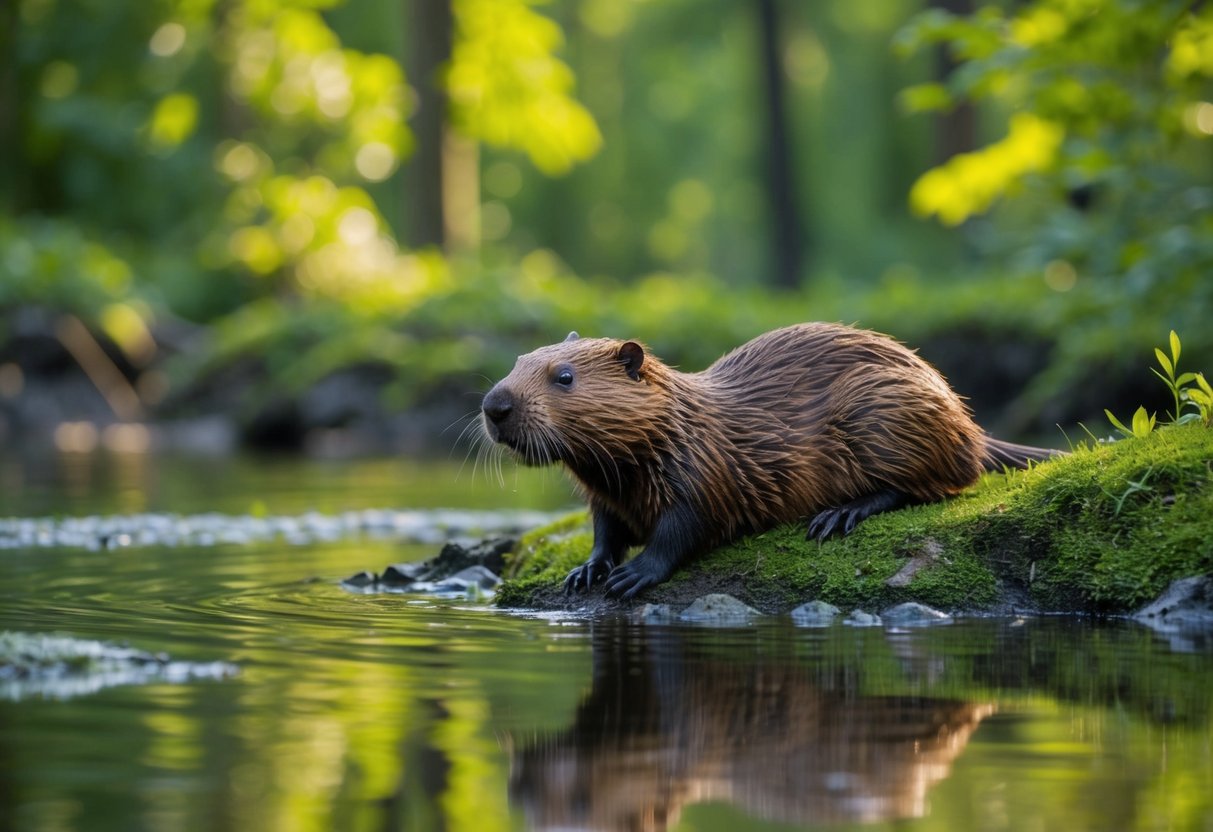
Beavers became extinct primarily due to overhunting and habitat loss. In many areas, human activities severely impacted their numbers. Factors such as fur trapping and the destruction of wetlands led to the decline of these important animals.
As you read on, you will discover more about the reasons behind their extinction and the steps being taken today to protect the beavers that remain. You may find that these efforts are crucial for maintaining the balance within our ecosystems.
The Role of Beavers as Ecosystem Engineers
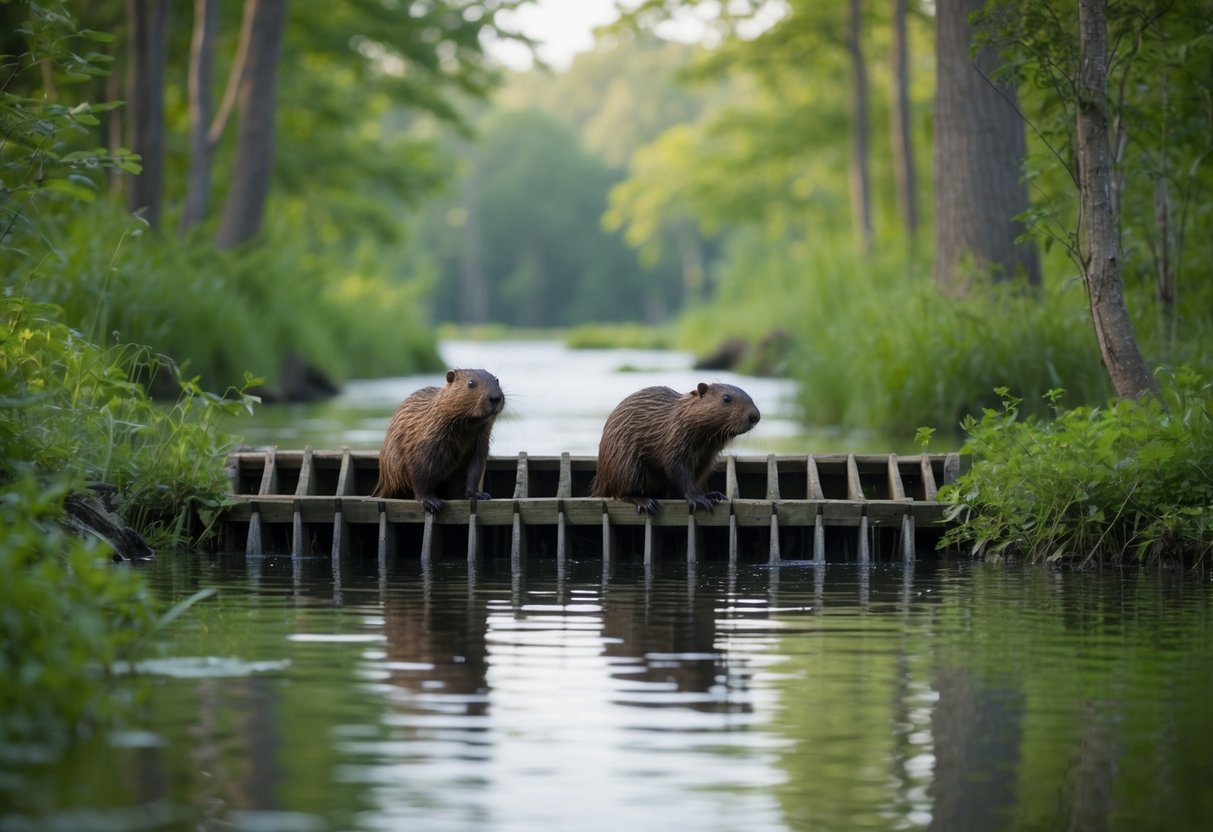
Beavers play a crucial role in shaping their environment. Their activities significantly affect wetland habitats and enhance biodiversity. Understanding how they create these changes helps appreciate their importance in ecosystems.
Beavers’ Impact on Wetlands
Beavers are often called ecosystem engineers. They build dams that slow down water flow, creating ponds. These ponds form vital wetland habitats. Wetlands are rich in life and provide essential resources for many species.
When beavers create these areas, they help store water, which can prevent flooding. This controlled water flow supports a variety of aquatic plants and serves as a food source for animals. Without beavers, many wetlands would shrink or dry up, leading to a loss of biodiversity.
Beaver Dams and Biodiversity
The dams built by beavers significantly boost biodiversity in the surrounding area. They create unique environments that attract different animals and plants. Many aquatic plants thrive in the still water of ponds. This rich plant life supports various insects, fish, and birds.
Moreover, beaver ponds provide safe habitats for many species, such as amphibians and waterfowl. These animals depend on the wetlands for breeding and feeding. By maintaining these habitats, beavers ensure that a wide array of life can flourish together.
Historical Perspectives on Beaver Populations
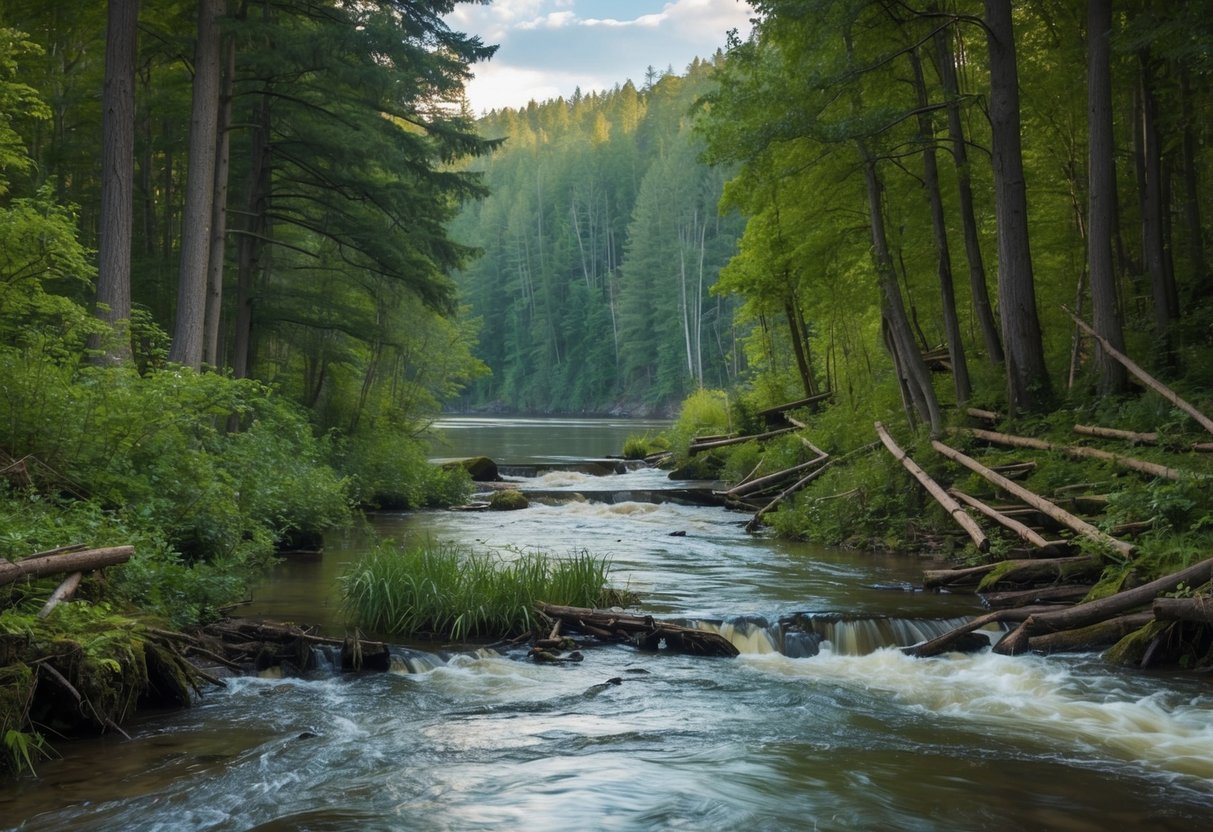
Throughout history, beaver populations have faced considerable challenges. Different eras brought unique circumstances that influenced their survival. Key events, such as the Ice Age and the fur trade, significantly impacted these remarkable creatures.
Giant Beavers and the Ice Age
During the Ice Age, giant beavers roamed across North America. They were much larger than modern beavers and could weigh up to 1,000 pounds. Fossil bones of these beavers have been found in places like the Yukon.
These ancient beavers lived in diverse environments, including forests and meadows. As climate changes occurred, many species struggled to survive. Around 10,000 years ago, giant beavers began to disappear. Their extinction marked a significant shift in beaver populations across the continent.
Beavers During the Fur Trade Era
The fur trade era dramatically reduced beaver populations. From the 16th to the 19th centuries, beavers were hunted for their pelts. Both the North American beaver and the Eurasian beaver were targeted.
The demand for beaver fur drove many hunters to the wilds. They used beavers not only for clothing but also for hats, which were highly fashionable in Europe. By the early 1900s, populations had dwindled. Many regions faced the possibility of local extinction due to extensive hunting efforts.
Factors Leading to Beaver Extinction
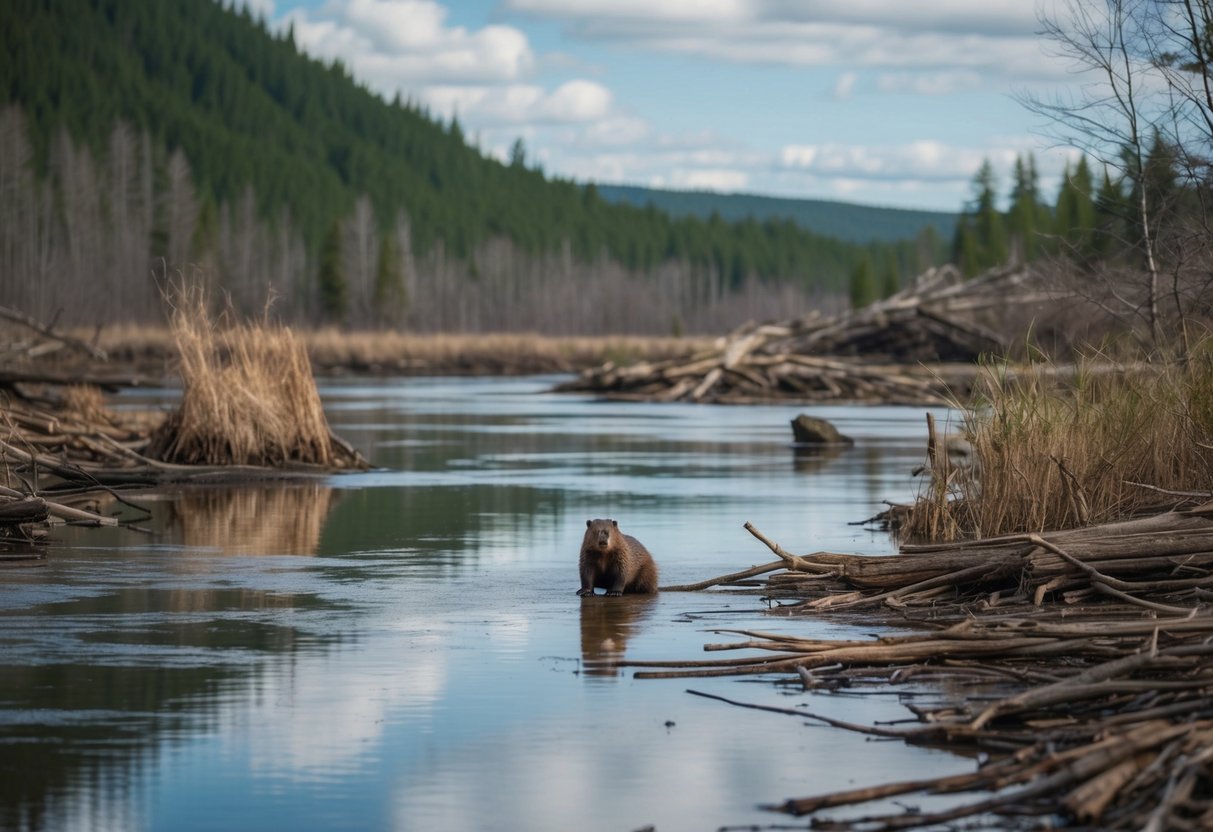
Beavers once thrived in many regions, but various factors have led to their decline. Two major influences are climate change and human impact. Let’s explore how these elements contributed to the challenges beavers faced.
Climate Change and Environmental Shifts
Climate change has drastically altered the environments in which beavers lived. As temperatures rise, many wetlands have become warmer and drier. These changes directly affect the availability of food and suitable habitats for beavers.
You may notice that beavers depend on wetlands for building dams and creating ponds. As these habitats shrink, it becomes harder for beavers to survive. The loss of ponds means fewer resources for other wildlife connected to these ecosystems. You can see how interconnected these systems are.
Human Impact and Habitat Destruction
Human activities have played a crucial role in beaver population decline. Deforestation, urban development, and agriculture often destroy the natural landscapes beavers require. As people expand into new areas, they remove trees and alter waterways, leading to habitat loss.
Additionally, hunting for beaver pelts during the fur trade nearly wiped out certain populations. The demand for these pelts created a severe decline in numbers. Remember, beavers are not only vital for their species but also for the overall health of their ecosystems.
The balance between beavers and other wildlife is delicate. When conditions change, or habitats are destroyed, it creates vulnerabilities that can be hard to overcome.
Conservation and Recovery Efforts
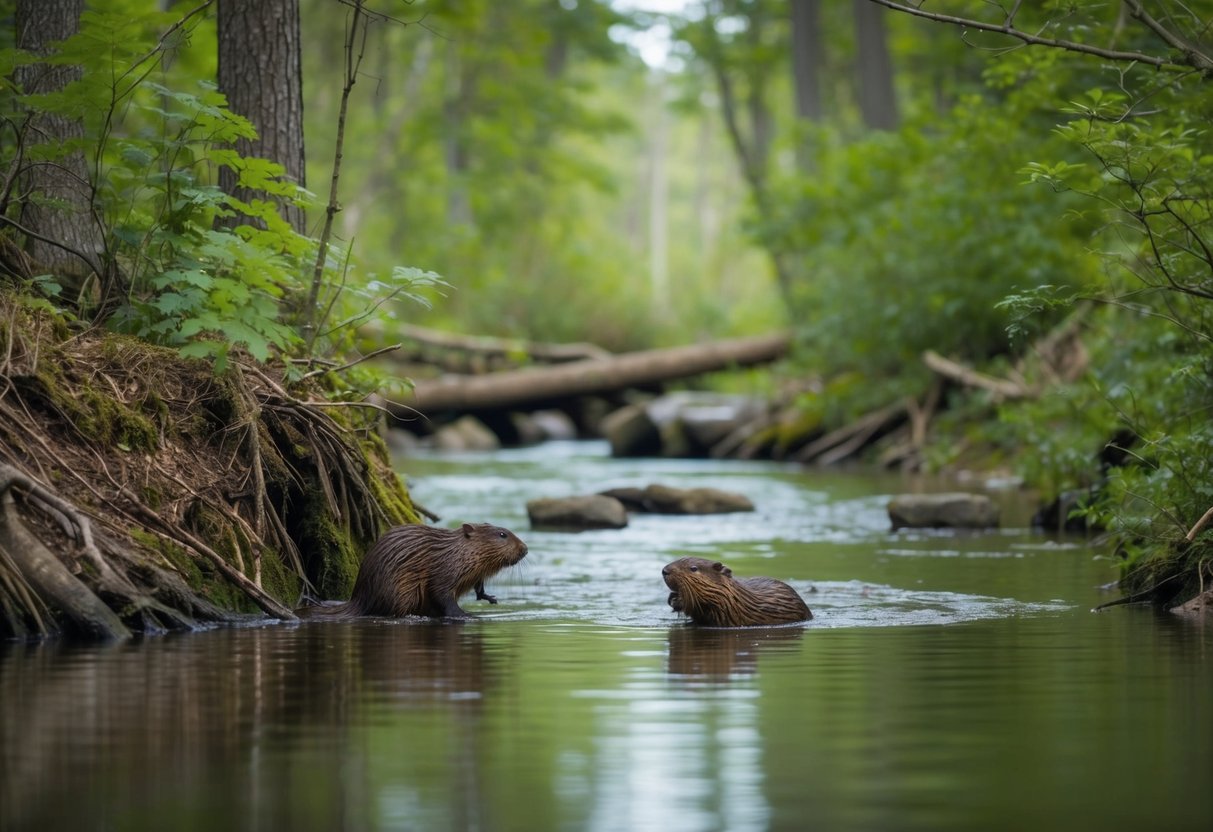
Efforts to conserve and recover beaver populations are crucial for restoring ecosystems. These activities include reintroduction projects and understanding the importance of beavers in today’s environments.
Reintroduction Projects and Beaver Management
Reintroduction projects have been vital for bringing modern beavers, or Castor canadensis, back to their natural habitats. These efforts often focus on areas where beavers were once abundant but disappeared, such as wetlands and riverbanks.
In many regions, conservationists track beaver populations and manage their habitats. They mitigate conflicts with humans, often by promoting understanding of how beavers contribute to the ecosystem. For instance, beavers build dams that create ponds essential for various species, like trumpeter swans and greater sage-grouse. Their presence boosts bird diversity and supports salmon streams crucial for fish populations.
The Importance of Beavers in Modern Ecosystems
Beavers play a significant role in maintaining healthy ecosystems. Their dam-building activities create wetlands that act like natural filters, improving water quality.
These wetlands not only provide habitat for numerous species, but they also help in flood control and water storage during dry spells. This is especially vital as climate change impacts weather patterns. Supporting beaver populations can help combat some effects of global megafauna extinction by promoting biodiversity.
Beavers sometimes share these habitats with other species like muskrats. Their presence benefits entire communities in nature. The paddle-shaped tail of a beaver is crucial, as it aids in swimming and helps them build and maintain dams effectively.


