
Beavers are fascinating creatures known for their impressive building skills and role as ecosystem engineers. However, predators like wolves, foxes, and hawks threaten their survival. In North America, the North American beaver, or Castor canadensis, faces various threats, while the Eurasian beaver has to contend more with wolves in its environment.
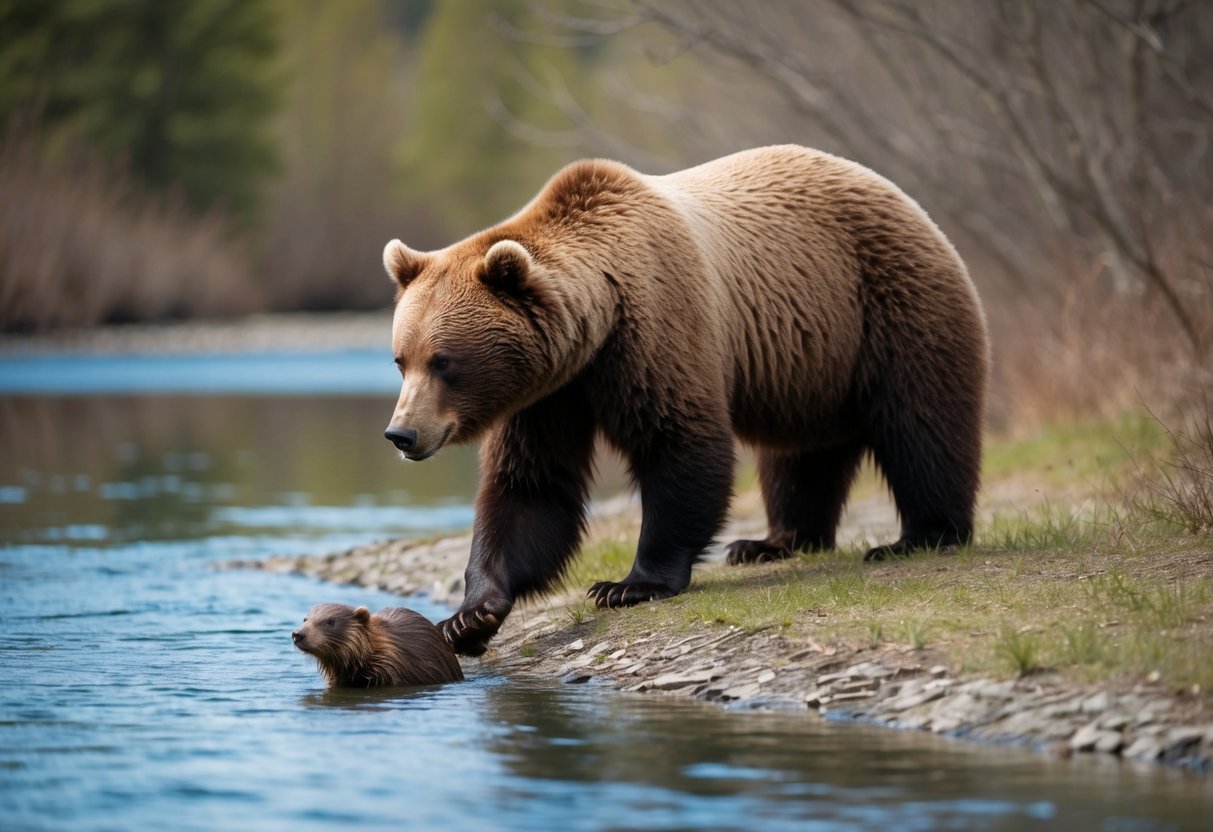
As you explore the world of beavers, you’ll see how these animals contribute to their ecosystems. They create wetlands that support diverse wildlife, demonstrating their importance as keystone species. Understanding the challenges they face from natural predators adds depth to your appreciation of these remarkable builders and their vital role in maintaining healthy ecosystems.
Natural Predators of Beavers
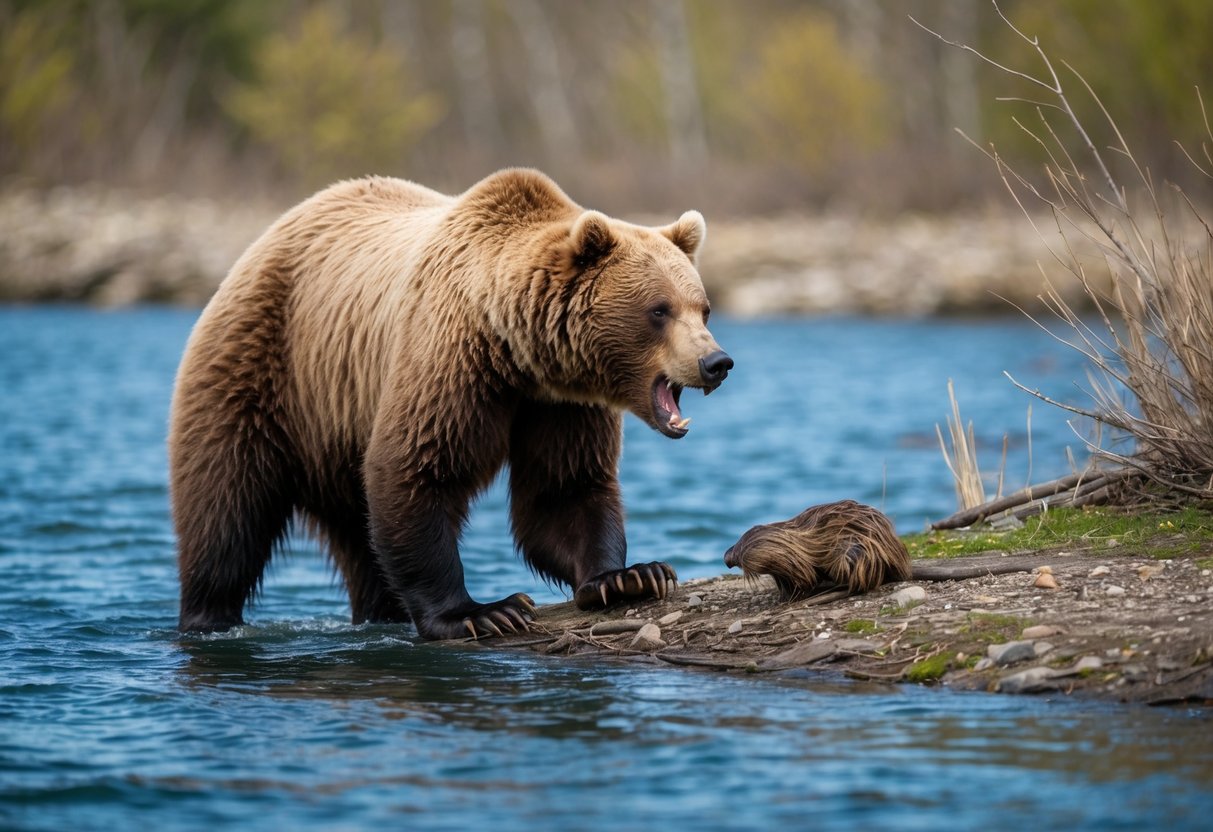
Beavers face various natural predators in their habitats. These animals can threaten beavers directly or impact their young. Understanding these dangers can help you appreciate the challenges beavers encounter.
Land-Based Predators
Many land-based predators pose a threat to beavers. Wolves and mountain lions are among the most significant dangers. They are strong and fast, often taking beavers when they venture onto land. Coyotes and foxes are also threats, especially to juvenile beavers.
Bears and bobcats can sometimes hunt beavers as well. These animals often stalk their prey in areas close to water, where beavers are most active. Lynx and wolverines are less common predators but still pose a risk, particularly in certain regions.
Aquatic Threats
In the water, beavers must be cautious of aquatic threats like otters. Otters are agile swimmers and can attack young or sick beavers. They often hunt in groups, making them a formidable enemy.
Large fish and alligators can also be threats, depending on the region. While alligators are not present everywhere, they can be a significant danger where they live. Beavers must frequently be on guard while navigating through their aquatic environments to avoid these predators.
Aerial Predators
Aerial predators like hawks, eagles, and owls are also a danger to beavers. These birds have sharp talons and excellent eyesight, allowing them to spot beavers from above.
Hawks can swoop down quickly, catching beavers off guard, while eagles may snatch young beavers near the water’s edge. Owls, particularly during the night, can also capture beavers that stray too far from their dens. It’s crucial for beavers to remain vigilant even when they think they are safe on land or in the water.
Human Impact on Beaver Survival
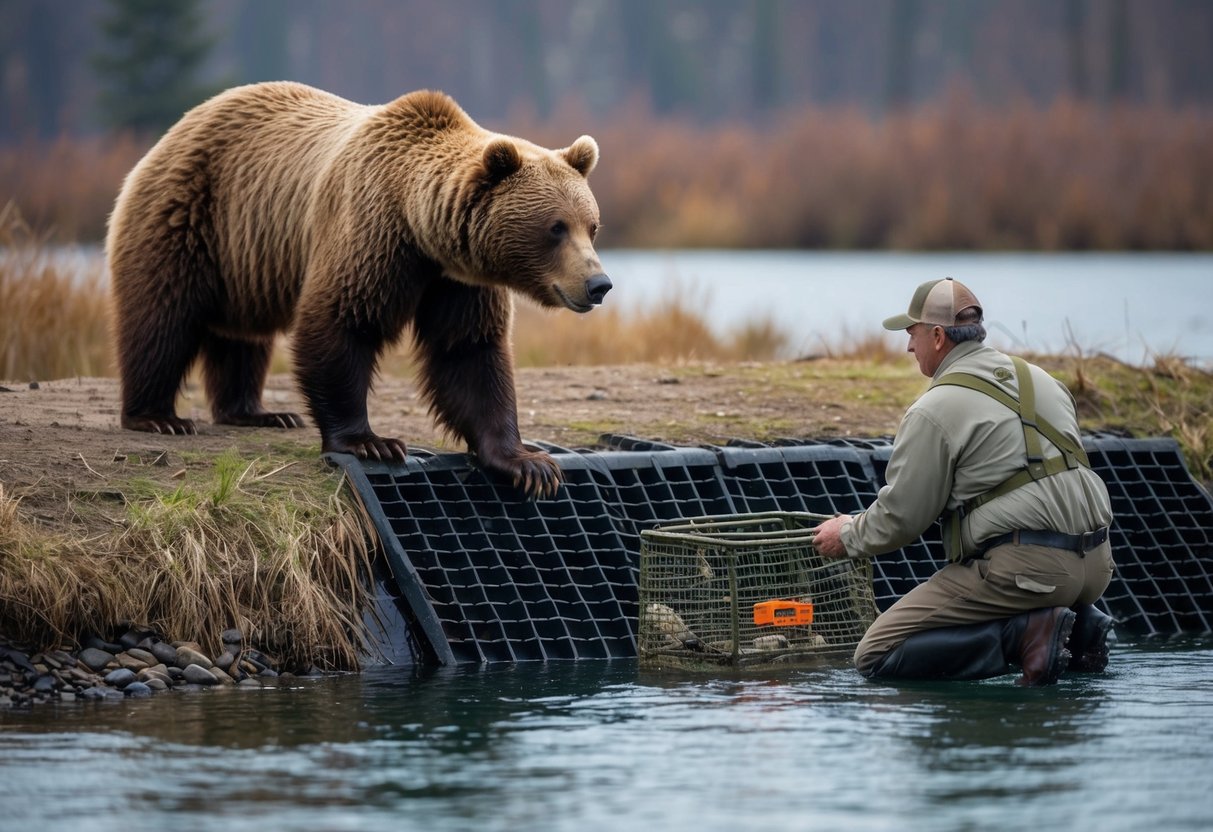
Humans play a significant role in the survival of beavers. Your actions can either threaten these animals or support their presence in ecosystems. Let’s look at how hunting, habitat issues, and conservation efforts affect beavers.
Hunting and Trapping
Beavers face threats from hunting and trapping. Many hunters seek beaver for their valuable fur, which can be used for clothing and other items. Trapping also poses a risk, as it can significantly reduce local beaver populations.
When hunters kill beavers, they disrupt family groups and decrease the chance for future generations. The demand for beaver products can lead to illegal hunting practices, making it harder for populations to recover. Your awareness of these activities can help promote responsible behaviors towards wildlife.
Habitat Loss and Degradation
Human activities are a major cause of habitat loss for beavers. Deforestation, urban development, and agriculture lead to the destruction of wetlands and riverbanks where beavers make their homes.
Without suitable habitats, beaver populations struggle. Erosion and flooding can also result from habitat loss. When trees are removed, soil becomes unstable. This can lead to increased flooding, which further affects both beavers and other wildlife. Protecting natural habitats is essential for beaver survival, so consider supporting local conservation initiatives.
Conservation Efforts
Many organizations are working to protect beavers and their habitats. These conservation efforts focus on restoring wetland areas and promoting sustainable land use.
You can help by participating in local projects that aim to improve water management and habitat quality. Education is also key. By sharing information about the importance of beavers, you can encourage others to value these animals. Your participation in community discussions about wildlife conservation can lead to better outcomes for beavers and ecosystems as a whole. Every little action counts!
Beaver Protection and Ecosystem Benefits
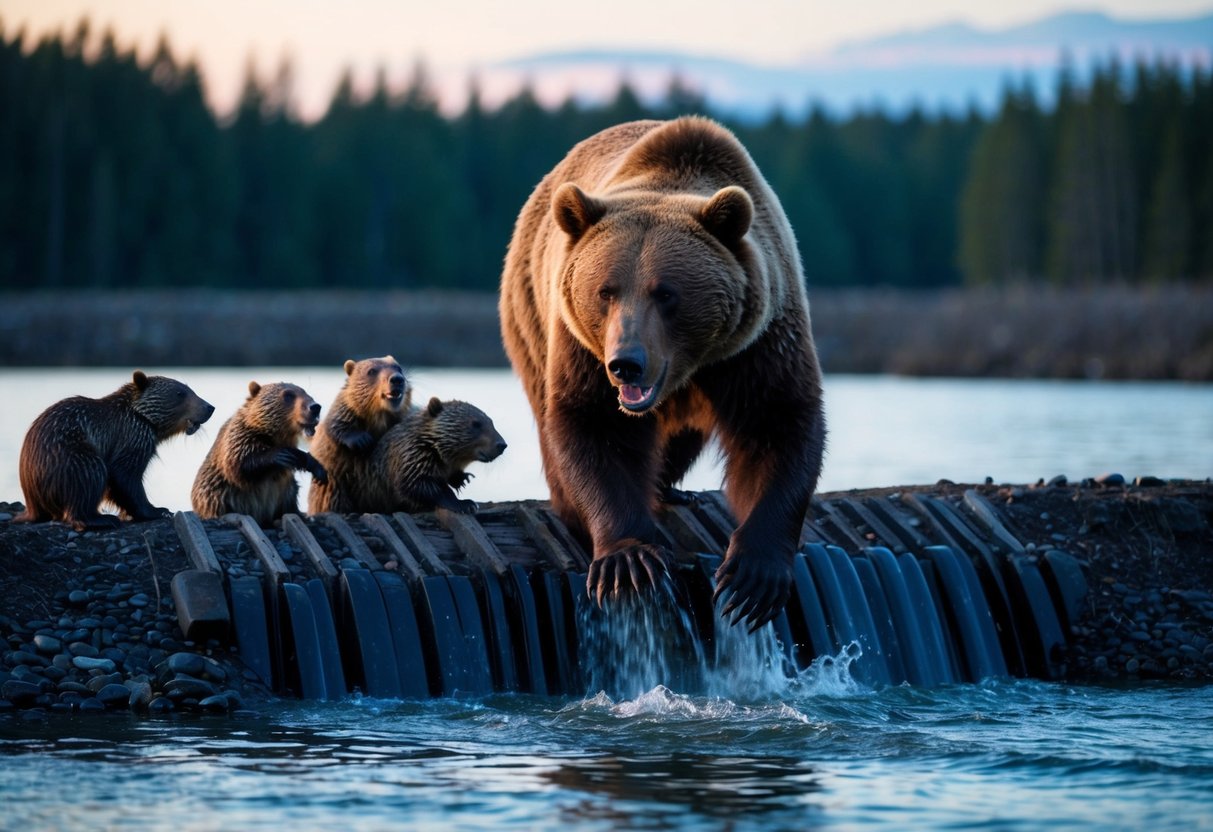
Beavers play a crucial role in maintaining healthy ecosystems. Their activities create rich habitats that support various species and enhance the landscape’s overall quality. Understanding these benefits helps you appreciate the importance of protecting beavers.
Beaver Habitats as Biodiversity Hotspots
Beavers are excellent at creating habitats that encourage biodiversity. Their dams form beaver ponds, which are rich in aquatic life. These ponds provide shelter and breeding grounds for species like amphibians, fish, and even migrating salmon.
Wetlands created by beaver activity offer various plants and animals a chance to thrive. This habitat promotes species diversity, which is essential for a balanced ecosystem. Additionally, the flooded areas can help filter water, improving the overall quality of the habitat.
By protecting beavers, you support the creation and maintenance of these crucial wetland habitats. This, in turn, benefits other wildlife that rely on these ecosystems for survival.
Beavers as Ecosystem Stabilizers
Beavers act as natural ecosystem stabilizers through their dam-building efforts. Their structures regulate water flow, which helps reduce erosion and maintains water levels during dry spells.
This function is vital in preventing habitat destruction, especially in times of climate change.
The presence of beaver ponds enhances habitat quality for various species. These wetlands not only support fish and amphibians but also provide a home for larger predators, like fishers.
Moreover, beaver activity contributes to nutrient cycling. This helps promote healthy plant growth and sustains the food web.
By valuing and protecting beavers, you ensure the stability and resilience of ecosystems for years to come.


