
If you’ve ever wondered about trying beaver meat, you’re not alone. Many people are curious about its taste and whether it’s worth the effort to cook. The good news is that beaver meat can actually be quite tasty! While it may sound unusual, those who have tried it often describe its flavor as mild, similar to grass-fed beef or pork. This unique meat offers an interesting alternative for adventurous eaters.
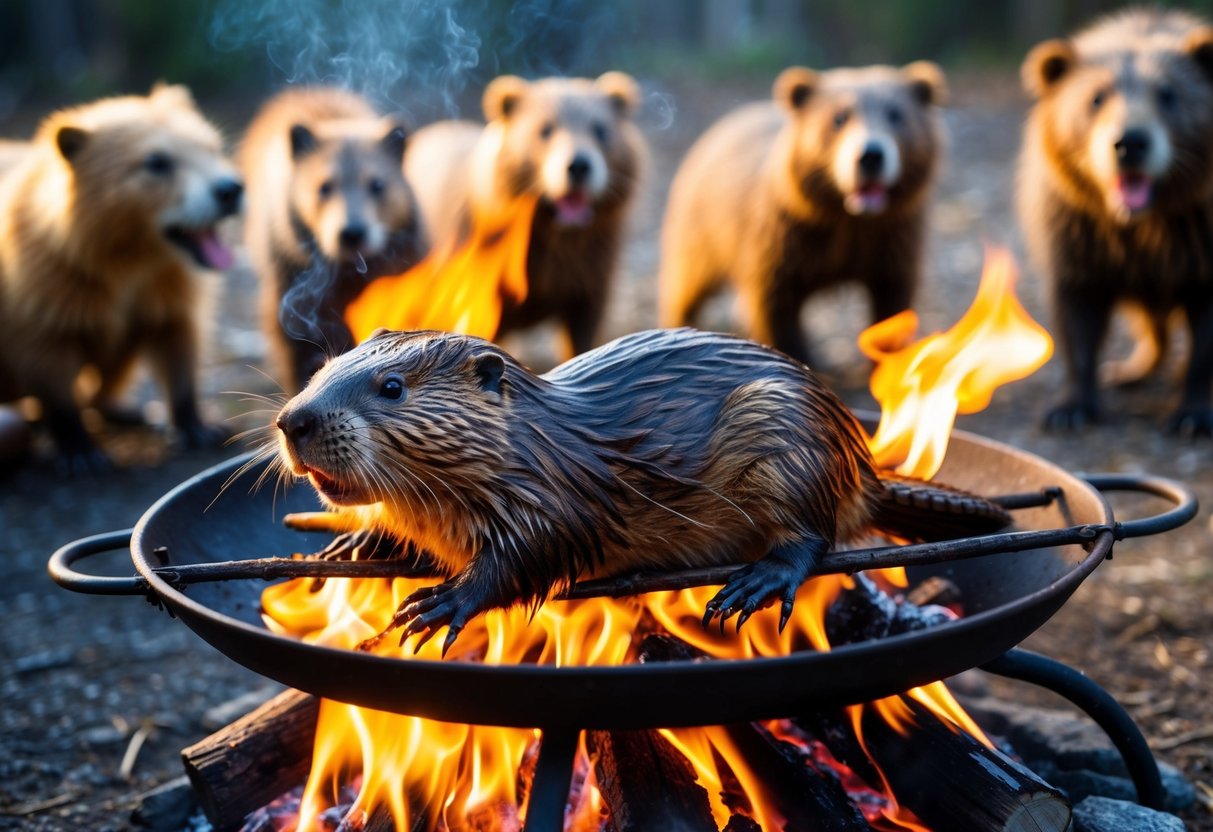
Eating beaver isn’t just about the novelty; it’s also about nutrition. Beaver meat is low in fat and provides a good source of protein, along with essential vitamins and minerals like vitamin B6 and phosphorus. These nutritional benefits make it a healthy option for those looking to diversify their diet.
As you explore this culinary experience, you might find yourself intrigued by how beaver meat can fit into your meals. Whether you’re a seasoned hunter or just someone looking to try something new, understanding the taste and nutrition of beaver meat could make it a worthwhile addition to your menu.
Understanding Beaver Meat

Beaver meat offers a unique culinary experience. It’s packed with nutrients and has its own set of safety considerations. Let’s take a closer look at what makes this meat special and what you need to know.
Nutritional Profile
Beaver meat is a good source of lean protein. A typical serving provides essential nutrients, including iron, vitamin B12, niacin, and zinc.
- Iron helps transport oxygen in your blood, boosting energy levels.
- Vitamin B12 supports nerve function and the formation of red blood cells.
- Niacin is important for metabolism and skin health.
- Zinc supports your immune system.
Additionally, beaver liver and tail can be very nutritious. They are especially rich in vitamin A and iron, enhancing the overall nutritional value of your meal. The combination of these nutrients makes beaver meat a healthy option if you’re exploring new flavors.
Safety Concerns
When considering whether to eat beaver meat, it’s important to emphasize safety. Like all wild game, beaver can carry parasites and diseases.
- Parasites: Proper cooking kills harmful organisms, so make sure the meat is cooked thoroughly.
- Heavy metals: Beaver can accumulate heavy metals from their environment, which may pose health risks. It’s wise to source meat from areas known to be free of environmental contamination.
Before diving into beaver meat, ensure it is processed safely. Fresh, properly handled beaver is generally safe to eat. Always check local guidelines and regulations when hunting or purchasing wild meat to ensure you’re consuming it safely.
Culinary Techniques

When cooking beaver, it’s important to focus on how to bring out its unique flavor and tenderness. Different cooking methods and preparation techniques can enhance the taste and overall experience of the dish.
Cooking Methods
Beaver meat can be prepared using various cooking methods. Each technique highlights its gamey flavor and enhances its tender texture.
-
Slow Cooking: This is one of the best ways to cook beaver. Methods like braising or using a crock pot allow the flavors to develop fully. Cooking for several hours with broth makes the meat much more tender.
-
Grilling: Grilling can add a delicious smoky flavor. It’s best to marinate the meat beforehand to keep it juicy.
-
Stewing: Cooking beaver in a stew with vegetables and spices can create a hearty meal. This method allows the meat to soak in flavors.
-
Roasting: Another option is roasting the meat. This can create a crispy outer layer while keeping the inside moist.
Preparing Beaver Meat
Proper preparation of beaver meat is key to enjoying its unique taste. Here are some tips to follow:
-
Marinating: Marinate your beaver meat for 24-48 hours. This enhances the flavor profile and helps tenderize the meat.
-
Cutting: Make sure to cut the meat into smaller pieces. This allows for even cooking and better absorption of spices.
-
Trimming: Trim away any tough or fatty sections of the meat. This will improve the overall eating experience.
-
Cooking Temperature: Always cook beaver meat to the right internal temperature. This ensures it’s safe to eat while maintaining its flavor.
With the right techniques, you can turn beaver meat into a dish that is both enjoyable and satisfying.
Taste Comparisons

When considering the taste of beaver meat, it can be helpful to compare it to familiar meats. You might find interesting similarities and unique qualities that make it stand out.
Similarities to Other Meats
Beaver meat shares some common tastes and textures with other types of meat. Many people note that it has a flavor profile somewhat similar to venison and grass-fed beef. This means you can expect a rich, gamey flavor that definitely sets it apart from more commonly eaten meats like pork and chicken.
The experience of eating beaver can be likened to enjoying wild game. If you’re accustomed to the taste of wild meats, you might recognize some familiar notes. Moreover, when cooked properly, beaver meat can acquire a unique flavor that makes it a delightful option for adventurous eaters.
Flavor and Texture
The texture of beaver meat is often described as tender yet slightly firmer than chicken or pork. Its meat can be very juicy, especially when it comes from a freshly caught beaver.
Some find it more flavorful than domesticated meats, offering a distinct and satisfying bite. The fat, particularly from the tail, has a different texture and can add richness to dishes.
You may also observe that while cooking, beaver meat can take on a savory quality that complements various seasonings well. This makes it suitable for many dishes, whether in stews or as a roasted entrée.
Experimenting with ingredients like garlic or rosemary can elevate the taste, which many enthusiasts recommend.


