
Beavers are fascinating creatures known for their incredible engineering skills and their impact on the environment. If you’ve ever wondered about how long they stay in a wetland, you’ll find the answer interesting. Beavers typically live in the same wetland until their food supply runs out, which can take several years or even decades, depending on the area.
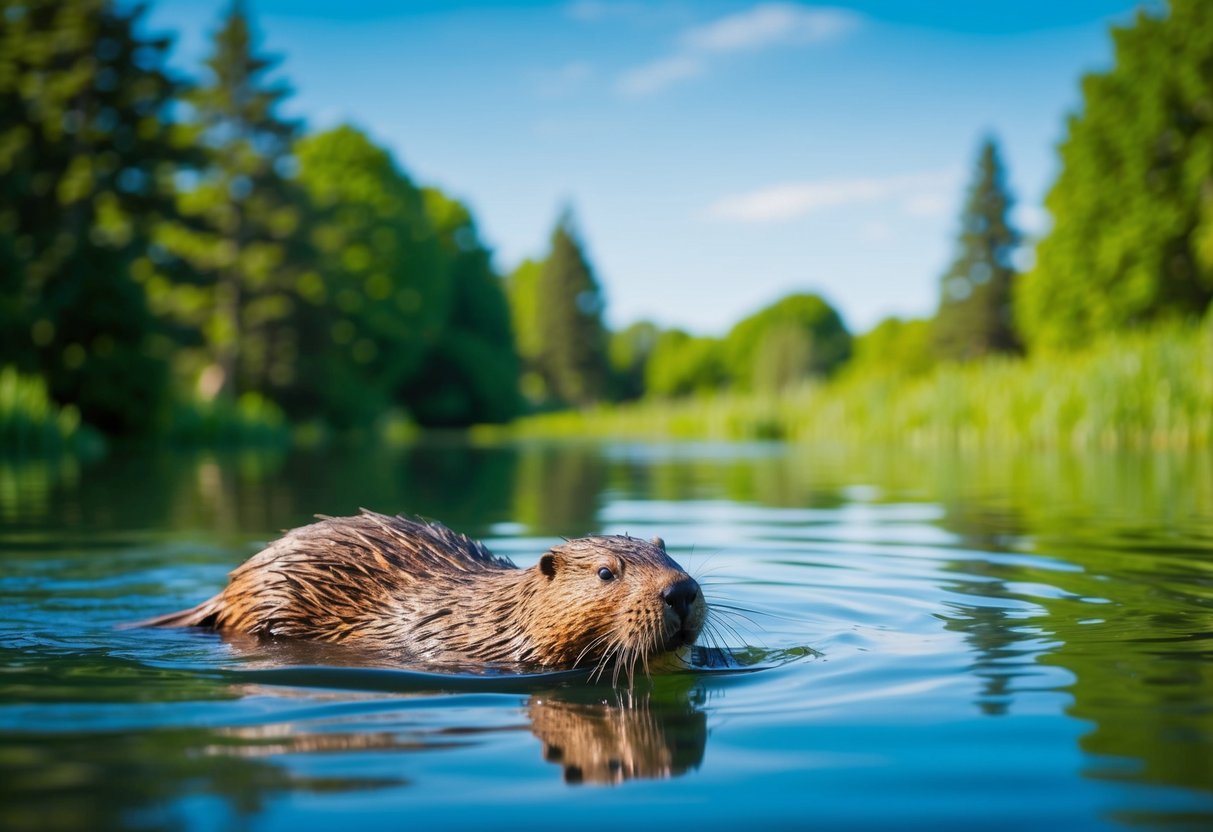
These animals can live for about 8 to 12 years in the wild, while some may reach ages up to 20 years in captivity. You might be surprised to learn how their living conditions and diet can influence their lifespan. Staying informed about these behaviors can enhance your appreciation for the important roles beavers play in ecosystems.
So, if you want to dive deeper into the world of beavers and learn more about their habitats and lifestyle, keep reading! You’ll discover how these remarkable animals adapt and thrive in their environments.
Understanding Beavers and Their Lifestyle
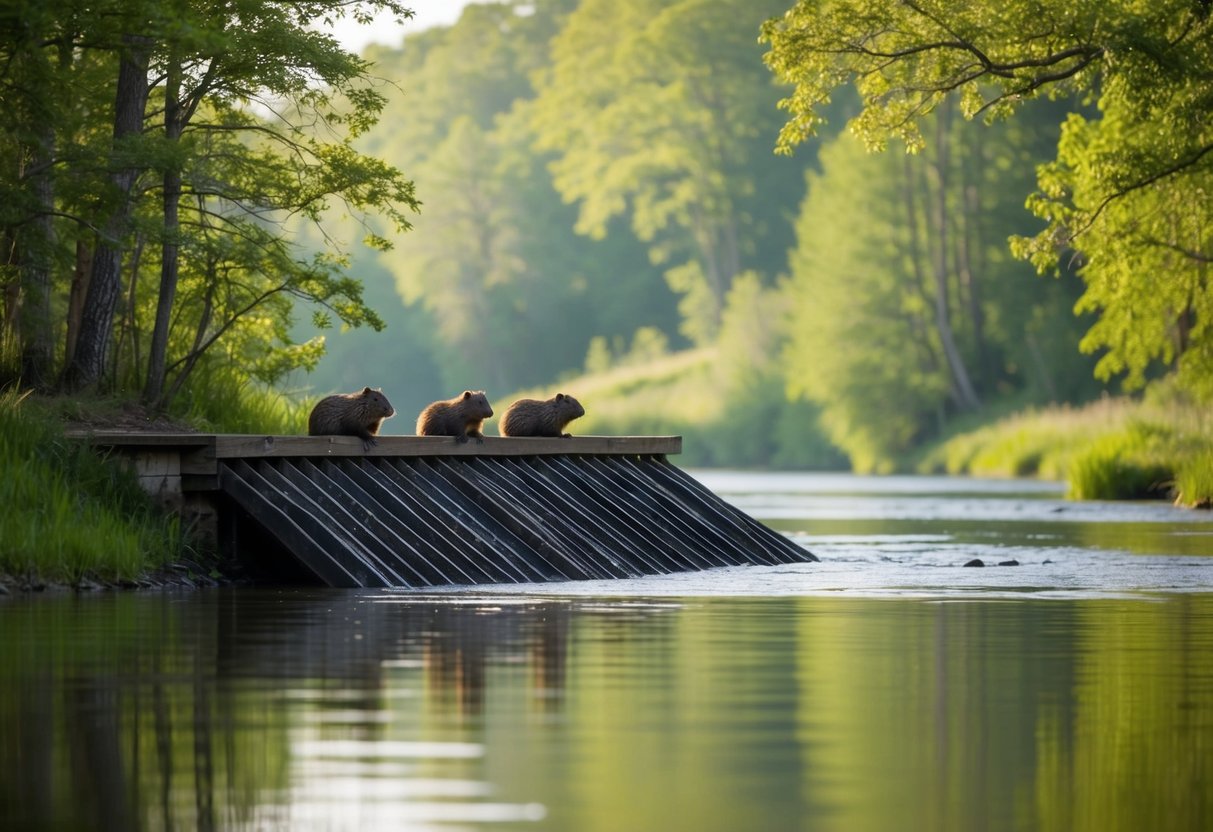
Beavers are fascinating creatures with unique physical traits and social behaviors. Their habitats and lifestyle choices play crucial roles in their survival and reproduction, making them important for their ecosystems.
Physical Characteristics and Behavior
Beavers are known for their distinctive features. They have a large, flat tail, webbed feet, and powerful teeth. Their fur is thick and waterproof, allowing them to stay warm in chilly waters.
Their behavior is intriguing. Beavers are excellent builders, creating dams to form ponds, which help protect them from predators. They are mostly nocturnal, being most active during the evening and night.
You will notice that beavers are territorial animals, often marking their territory with scents. They communicate using various sounds, including barks, grunts, and tail slaps on the water. This helps maintain order within groups and keeps rivals away.
Beaver Habitat Essentials
Beavers thrive in aquatic environments, commonly found in rivers, streams, and ponds. They prefer areas with abundant trees and plants to provide food and building materials.
The presence of running water is essential. Beavers construct dams from branches, mud, and stones to create a safe habitat. This not only protects them but also creates wetlands that support diverse wildlife.
It is important to note that beavers stay in their habitats year-round. They store food underwater during winter, allowing them to access it even when ice covers the surface. This preparation is vital for their survival.
Social Structure and Mating Habits
Beavers are social animals that often live in family groups called colonies. A typical colony includes a mated pair and their young beavers.
They are monogamous and usually mate for life. This strong bond contributes to successful parenting, as both parents are involved in caring for their kits. The young stay with their parents for about two years before venturing off to create their territories.
These family groups are not just about reproduction; they also work together to maintain their dam and lodge. By cooperating, they ensure the safety and well-being of the entire colony.
Life Cycle of Beavers
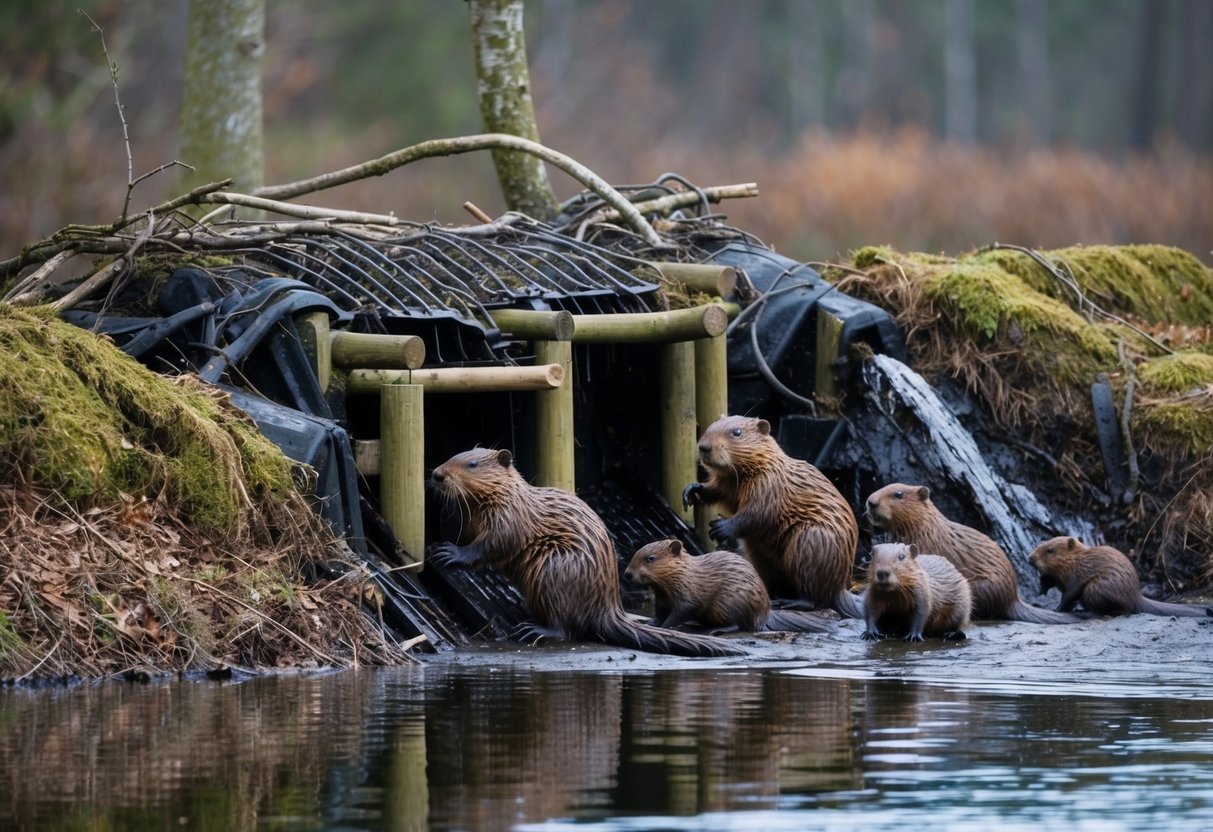
Beavers go through important stages in their lives, from their early days as kits to their roles as adults. Understanding this life cycle helps you appreciate their habits and behaviors.
From Birth to Independence
Beaver families typically give birth in the spring after a gestation period of about 105 to 128 days. A beaver mother can have one to four kits at a time, sometimes referred to as baby beavers. These kits weigh around 9 to 21 ounces at birth.
Newly born kits are quite helpless. They stay in the den for the first few weeks and are nursed by their mother. After about two weeks, they become weaned and start eating solid food. By the time they reach two months old, baby beavers are learning how to swim.
Kits will stay with their parents for about two years before leaving to establish their own territories. This time helps them learn essential skills for survival, such as building dams and finding food.
Yearly Cycle and Seasonal Behaviors
Beavers are active throughout the seasons, but their behaviors change with the weather. In late winter, they prepare for the mating season, which occurs during the early spring. After mating, beavers focus on constructing dams and lodges, providing safe homes for their young.
During the summer months, beavers are busy gathering food and repairing their dams. They enjoy swimming and foraging for various plants to eat. As winter approaches, beavers stockpile food near their lodges, ensuring they have enough to survive through the harsh months.
When ice covers bodies of water, beavers are well-prepared. They dig through the ice to reach their stored food. This ability to adapt to different environments helps beavers thrive in their habitats even when conditions become challenging.
Beavers as Ecosystem Engineers

Beavers play a vital role in their ecosystems by constructing lodges and creating ponds. Their engineering skills significantly affect the environment and surrounding habitats.
Lodge Construction and Maintenance
Beaver lodges are impressive structures made from sticks, mud, and stones. These lodges provide safe habitats for beavers and their young. You may find them in ponds, which beavers create by building dams across streams and rivers.
Beavers gather materials from their surroundings to construct these lodges. They often use nearby trees and branches. In addition, they maintain their lodges by repairing any damage and keeping them clean. This attention to detail helps provide a secure environment for their food cache and family.
Impact on Surrounding Environment
When beavers build dams, they create ponds that can transform the landscape. These ponds provide habitats for various species, including aquatic plants, fish, and birds. The increased water levels also support wetlands, which improve biodiversity in the area.
A beaver’s engineering creates essential habitats for many organisms. As their dams slow down water flow, sediments settle, enriching the soil. This helps plants and animals thrive. Additionally, beaver activities affect the health of surrounding water systems, positively impacting water quality. Your local ecosystem benefits tremendously from these busy engineers!
Conservation and Coexistence

Beavers play a crucial role in their ecosystems. They are considered a keystone species because they create wetlands that benefit many plants and animals. By preserving these habitats, you support the entire ecosystem.
In Canada, beaver populations are generally stable. However, they face threats from predators like wolves and humans. You can help maintain healthy populations by supporting local conservation efforts.
Beavers are herbivores and primarily eat bark, leaves, and aquatic plants. This diet helps control plant growth and maintain balanced ecosystems. Healthy beaver populations contribute to diverse plant and animal life.
When coexistence is prioritized, communities can implement non-lethal methods. These include installing flow devices that manage water levels without harming beavers. You can find more about these practices and support local organizations focused on coexistence.
Striking a balance between human needs and wildlife is vital. By understanding the importance of beavers, you can contribute to conservation and enjoy the benefits they bring to nature. Remember, peaceful coexistence can lead to thriving ecosystems for everyone.


