
Beavers play a vital role in our ecosystems, especially in wetland habitats where they create homes for many species. As a curious nature enthusiast, you may wonder about the health risks these fascinating creatures might pose. While beavers are not known to commonly carry bovine tuberculosis, there are other health concerns to be aware of.
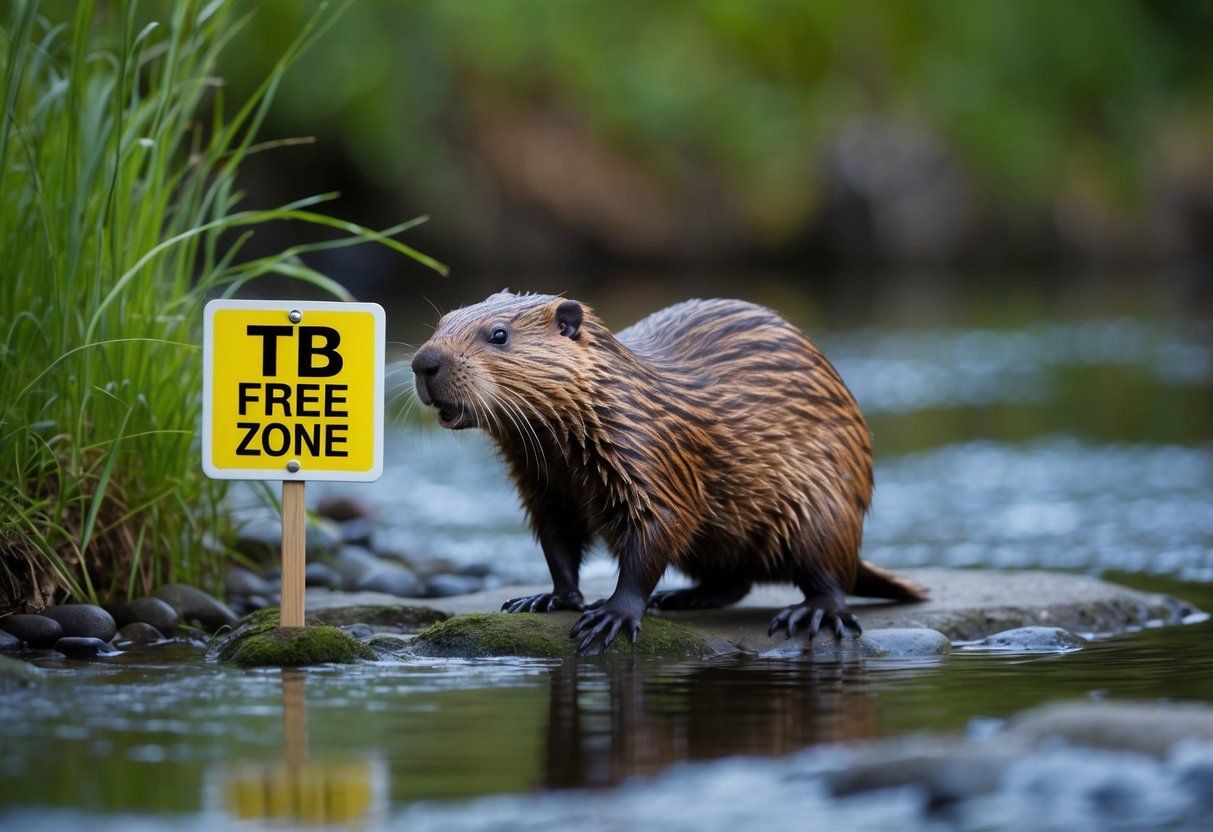
Encountering wildlife can lead to questions about diseases, especially concerning their potential effects on pets and humans. Beavers can carry certain diseases and parasites, making it essential for you to understand what risks might come with living near these animals.
With their remarkable abilities to shape landscapes and improve water quality, it’s worth exploring how to coexist safely with these industrious creatures.
With this in mind, let’s dive deeper into the facts about beavers and the possible health risks associated with them. Understanding the realities surrounding beavers will help you appreciate their role in the ecosystem while keeping safety in mind.
Understanding Beavers and Their Habitat
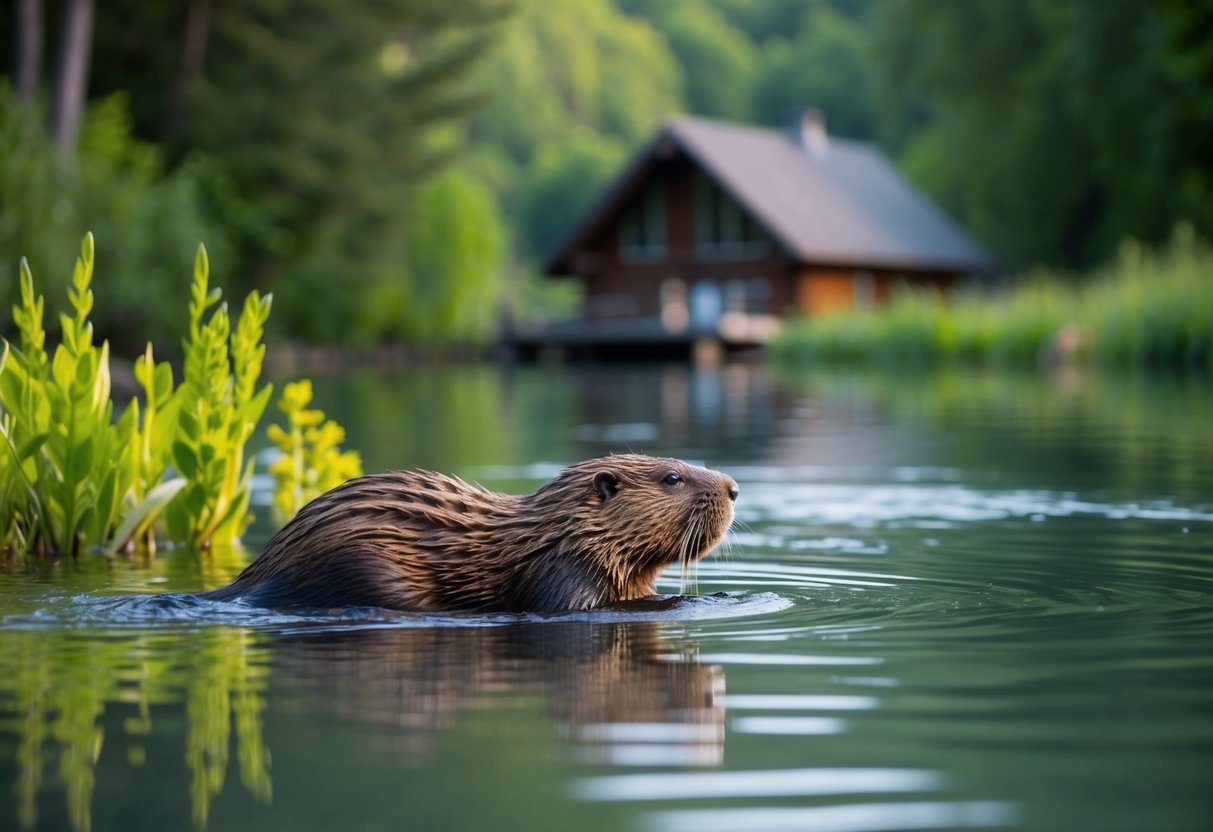
Beavers are remarkable animals that play a crucial role in their environments. They create unique habitats through their dam-building activities, which support a variety of ecosystems. It’s important to learn about these activities and the specific type of beaver that can be found in some regions.
Beaver Dams and Ecosystem Impact
Beaver dams are powerful structures made from branches, mud, and other natural materials. These dams create ponds that help store water, especially during dry spells. Here are some key benefits of beaver dams:
- Water Management: Dams slow down water flow, which reduces erosion and helps maintain water levels.
- Biodiversity: The ponds created attract different plants and animals. This includes fish, birds, and even insects.
- Coppicing: Beavers often gnaw on trees, promoting new growth. This process, called coppicing, makes the area richer in vegetation.
By altering their environment, beavers provide habitats for many species and help improve water quality in rivers and lakes.
The Eurasian Beaver: Castor Fiber
The Eurasian beaver, known scientifically as Castor fiber, is a fascinating species. It is larger than its North American relative and can weigh up to 60 pounds. Here are some interesting traits:
- Habitat: These beavers prefer rivers, streams, and ponds in forested areas.
- Diet: They primarily eat bark, leaves, and aquatic plants, making them vital for maintaining healthy ecosystems.
- Health: Eurasian beavers are regularly checked for diseases. They are known not to carry bovine tuberculosis (bTB), which ensures healthier populations.
Their habits and behaviors contribute significantly to the landscape, making them crucial for ecological balance.
Beavers and Disease Transmission

Beavers can carry certain diseases that affect both them and humans. Understanding these diseases and how they spread is important for anyone who interacts with these animals or their habitats.
Beaver Fever: Giardiasis
Giardiasis, commonly called “beaver fever,” is a gastrointestinal infection caused by the Giardia parasite. You can contract this illness by drinking contaminated water, often from areas where beavers live.
Symptoms include diarrhea, stomach cramps, and nausea. It is crucial to practice good hygiene, especially when hiking or camping near water sources inhabited by beavers.
Always boil or filter water before drinking to reduce your risk.
While beavers don’t always show signs of illness, they can still spread this disease through their feces. Be mindful of your surroundings and avoid direct contact with beaver waste to help protect yourself.
Assessment of Bovine Tuberculosis (BTB) in Beavers
Bovine tuberculosis (bTB) has raised concerns regarding wildlife health. Studies show that while some wild animals carry bTB, it is rare in beavers. In Europe, evidence suggests that Eurasian beavers do not significantly contribute to bTB transmission.
In tracking this disease, beavers are often health-checked before being relocated. These checks ensure they are free from infections such as bTB.
If you are involved in wildlife rehabilitation or monitoring, it’s essential to be aware of hygiene practices that prevent disease spread.
Health Risks and Prevention
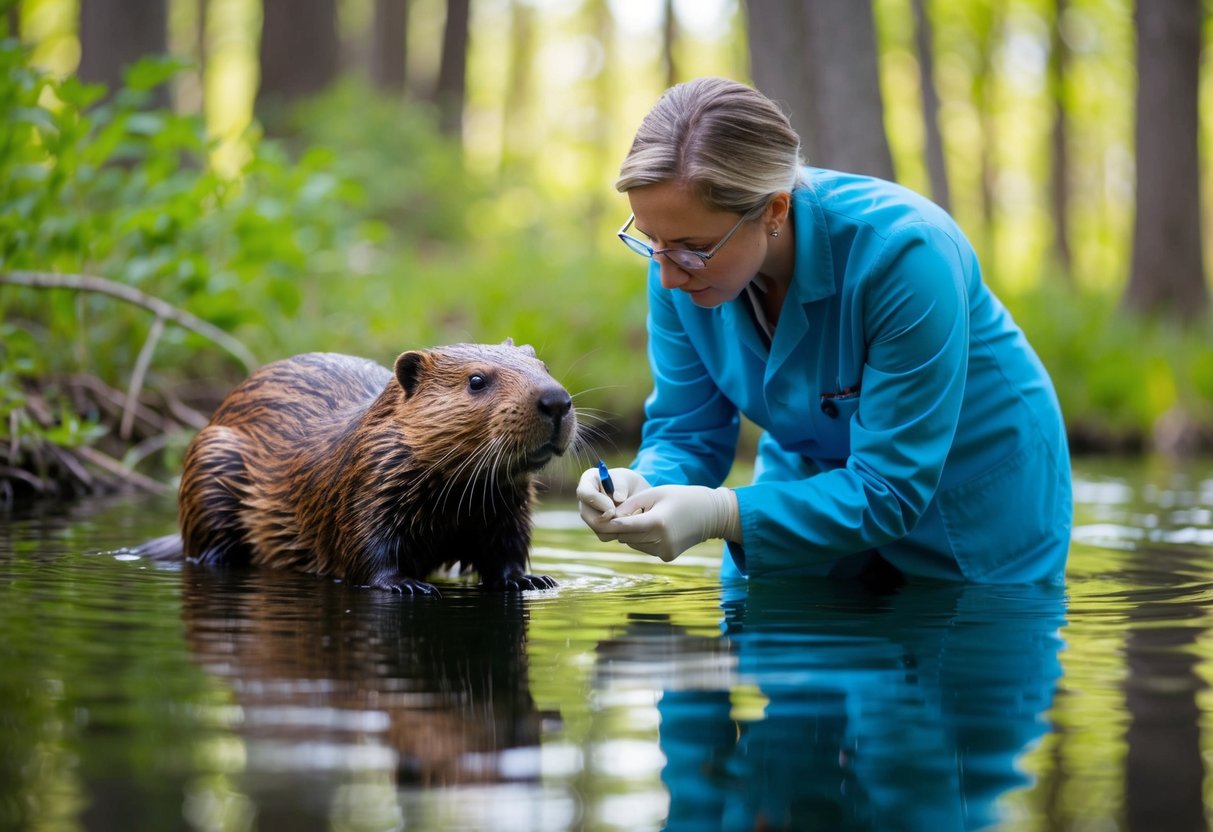
When it comes to beavers and health, understanding the risks is key. Beavers can carry various diseases that may affect humans, notably giardiasis. Knowing the symptoms and safe practices can help you stay healthy.
Symptoms of Giardia Infection in Humans
Giardia lamblia is a parasite that can cause giardiasis. If you come into contact with contaminated water or foods, you may experience several symptoms.
Common symptoms include:
- Diarrhea: This is often watery and may be frequent.
- Stomach cramps: You might feel discomfort or sharp pain in your abdomen.
- Nausea: This can lead to feelings of sickness or an urge to vomit.
- Dehydration: Losing a lot of fluids can make you feel weak or dizzy.
If you’re experiencing these symptoms, it’s essential to seek medical attention to get the right care.
Safe Water Practices and Treatment
To reduce the risk of giardiasis from water sources, it’s crucial to follow safe practices. This ensures you and your family stay protected.
Safe water practices include:
- Boiling water: Bring water to a full boil for at least one minute to kill parasites.
- Avoiding untreated water: Always stay away from lakes, rivers, or streams without treatment.
- Using filters: Invest in water filters that can remove giardia cysts for added safety.
By being mindful of where your water comes from and how you treat it, you can effectively minimize your risk of infection. Remember, clean water is key to your health!
Wildlife Conservation and Human Impact
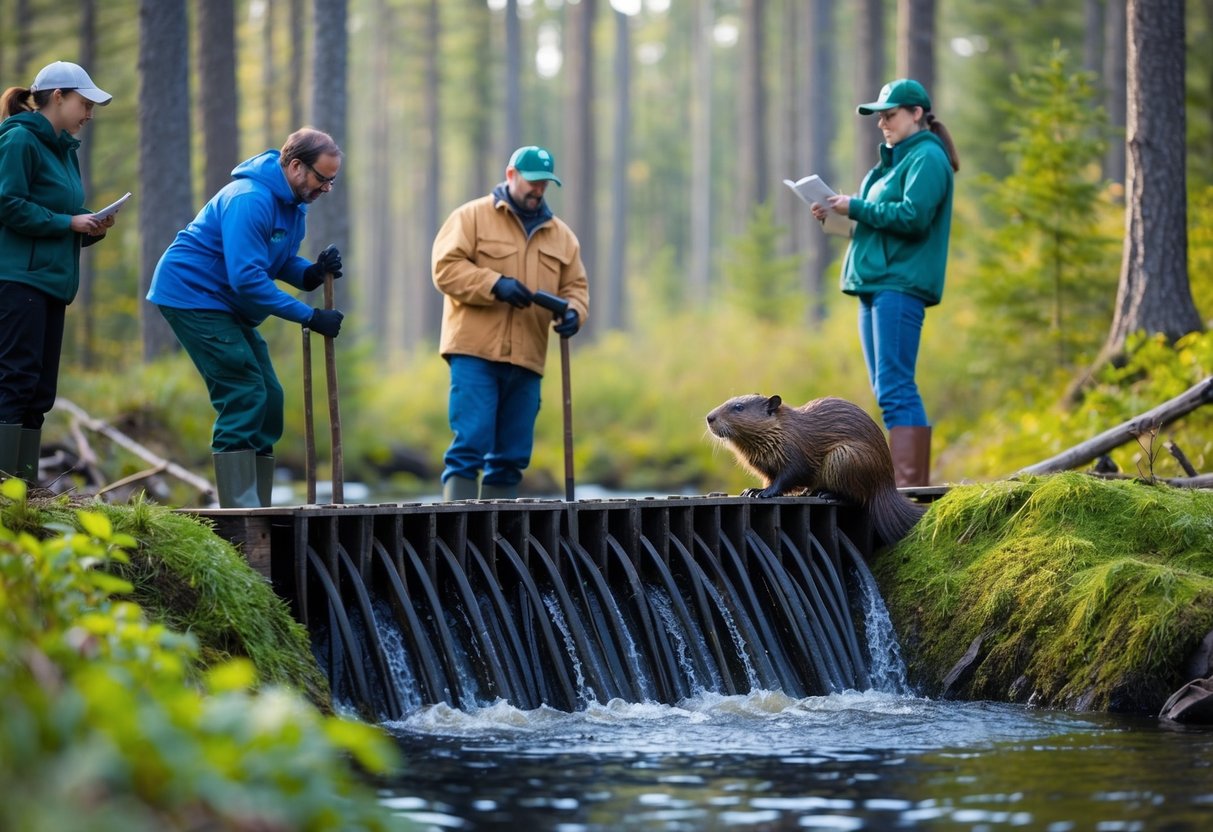
Your actions can greatly affect beaver populations and their habitats. Understanding how to coexist with these animals helps maintain ecological balance. You also need to consider how human activities impact their survival.
Coexisting with Beavers and Wildlife
Coexisting with beavers involves learning about their behavior and habitats. Beavers are known as ecosystem engineers because they create ponds that benefit other wildlife, such as muskrats and various bird species.
To encourage coexistence, you can implement strategies like building fences around valuable plants. Installing flow devices can help manage flooding caused by beaver dams. These devices allow water to flow while keeping beavers in the area. Remember, beavers contribute to a diverse ecosystem, supporting many herbivores and other species.
Impact of Human Activity on Beaver Populations
Human activities can lead to significant challenges for beavers. For example, when wetlands are drained for development or agriculture, beavers lose their homes.
Habitat destruction, pollution, and water management changes are major threats to their survival. Polluted water can also pose health risks. It may lead to infections or intestinal parasites affecting their health.
In some cases, beavers can carry diseases like tuberculosis. This is not very common, but care should be taken if you come into contact with wildlife.
By understanding these impacts, you can make informed choices to protect beavers and support wildlife conservation.


