
Have you ever wondered why beaver teeth are orange? Beaver teeth are orange due to a natural coating that contains iron. This makes them incredibly strong and sharp. These strong teeth are essential for beavers as they spend much of their time gnawing through wood and bark to build their dams and lodges.

The unique color of their teeth not only helps them stand out but also plays a crucial role in their survival. As these teeth are constantly growing, beavers must keep them in top shape by gnawing on tough materials. This constant action ensures their teeth remain sharp and effective for felling trees and gathering food.
Beavers are fascinating animals, and their orange teeth are just one of their remarkable traits. Understanding the reason behind their colorful chompers adds to the appreciation of these industrious creatures. So, let’s dive deeper into the world of beavers and explore more about their incredible teeth!
Unique Traits of Beaver Teeth

Beaver teeth have special features that help them thrive in their environment. Their unique adaptations allow them to gnaw efficiently, while their ever-growing incisors ensure they are always up for the task. Let’s explore these interesting traits.
Adaptations for Gnawing
Beaver teeth are designed for gnawing, making them ideal for consuming wood and bark. Their incisors are large and chisel-shaped, which helps them easily cut through tough materials.
The orange color of their teeth comes from iron in the enamel. This iron not only gives the teeth strength, allowing them to withstand a force of up to 150 pounds per square inch, but also adds resilience.
Beavers continually need to gnaw on wood to keep their teeth sharp and tidy. This consistent wear keeps the back of their incisors trimmed down, maintaining a sharp edge for efficient cutting.
Ever-Growing Incisors
Unlike human teeth, beaver teeth never stop growing. As a type of rodent, their incisors grow continuously throughout their lives.
To avoid having their teeth become too long, beavers must regularly chew on wood. This action files down their teeth naturally and helps maintain their perfect length.
The unique structure of beaver teeth allows the front, which is rich in iron, to remain strong, while the back wears down faster. This natural process ensures that their teeth stay effective for their daily activities, whether building dams or foraging for food.
The Science Behind the Orange Color

The orange color of beaver teeth comes from a combination of iron compounds that provide strength and durability. Understanding this unique feature involves looking closely at how these compounds affect the tooth structure compared to human teeth.
Iron Compounds and Enamel Strength
Beaver teeth contain a high amount of iron, giving them their distinct orange hue. This iron is found in specialized compounds like ferrihydrite, which are integrated into the enamel.
The presence of iron makes the teeth stronger against wear and tear. The enamel of beaver teeth is tougher, which helps them chew through wood effectively. In contrast to human teeth, which mostly consist of hydroxyapatite, beaver teeth have a unique tough layer that protects them.
This extra strength helps beavers compete for food and survive in nature. The combination of enamel and iron means their teeth can withstand a diet rich in hard materials.
Comparing Beaver Teeth to Human Teeth
When you look at human teeth, you find that they are mostly made up of dentin and enamel. Human enamel is strong but lacks the added iron found in beaver teeth. This difference is crucial when you consider that humans usually eat softer foods.
Beaver teeth are designed for constant growth due to their lifestyle and diet. Unlike human teeth, which can wear down from chewing softer foods, beaver teeth need to be durable and sharp to handle cutting through trees.
While your teeth might face challenges from sugary snacks, beaver teeth face the daily test of grinding wood. This comparison highlights the fascinating adaptations in nature that serve very different purposes.
Beavers in the Ecosystem

Beavers play a vital role in their ecosystems through their unique behaviors. Their dam-building techniques create habitats that support a variety of wildlife. This section will explore how they build dams and lodges, along with their impact on biodiversity.
Building Dams and Lodges
Beavers are known for their impressive engineering skills. They build dams using trees, branches, and mud. These dams create ponds that provide water sources. Lodges, which are their homes, are built near these ponds.
Inside lodges, beavers stay safe from predators. The lodges can be quite complex, often having multiple entrances. This design helps them quickly escape danger.
The ponds formed by these dams allow for diverse aquatic plants to thrive. The water stays deeper, even during dry seasons. This growth benefits not only beavers but also many other animals that rely on these plants.
Impacts on Biodiversity
Beaver activity significantly enhances biodiversity in their habitats. The wetlands they create can support many species, including fish, frogs, and birds.
As beavers modify landscapes, they also help improve water quality. The ponds filter sediments and pollutants. This process supports healthier ecosystems for all creatures living nearby.
Furthermore, when beavers fell trees, they create open spaces. These clearings encourage new plant growth, attracting different species. More plant variety means more food and shelter for wildlife.
Nutrition and Diet
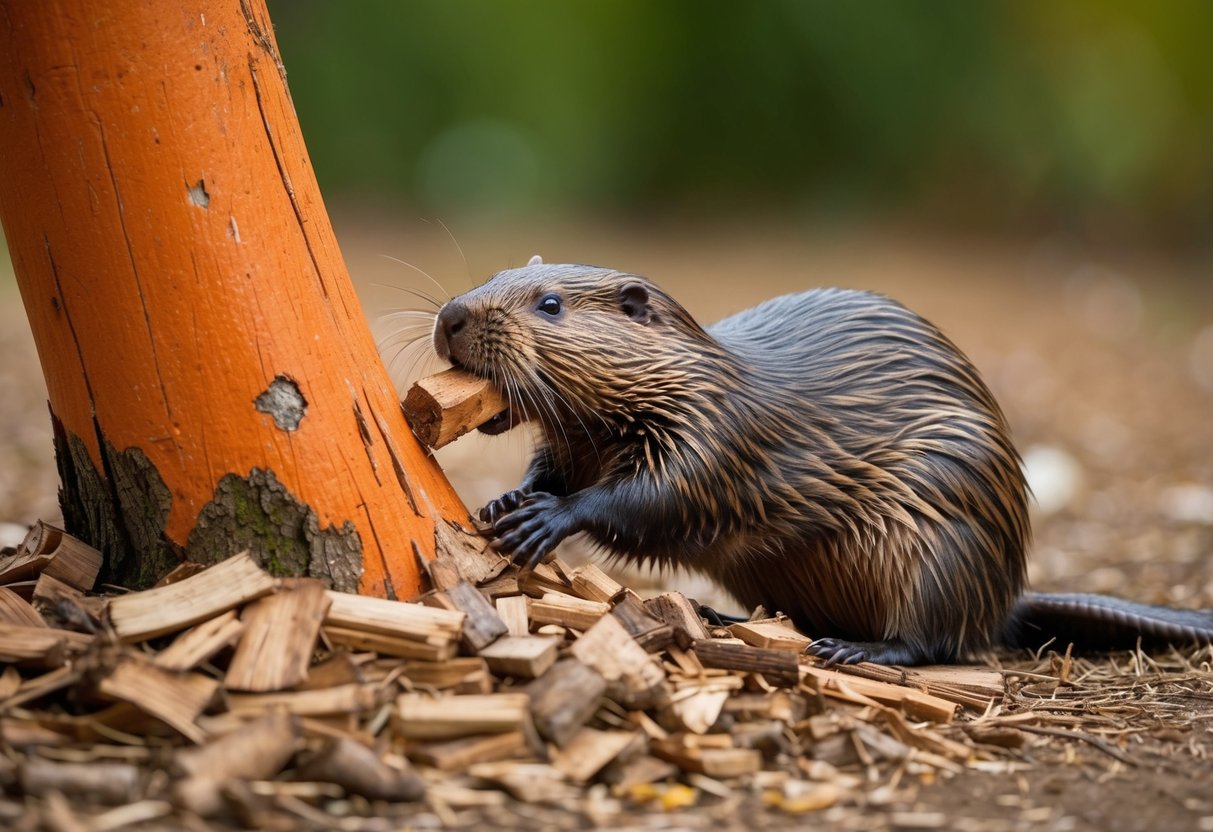
Beavers have a very specific diet. They are herbivores, which means they only eat plants. Their favorite foods include:
- Bark
- Twigs
- Leaves
- Roots
You will often find beavers munching on trees like aspen, willow, and birch. These trees provide them with a good source of nutrients.
Beavers also enjoy various aquatic plants. You might see them snack on:
- Water lilies
- Cattails
- Watercress
- Clover
This mix of bark, leaves, and water plants helps beavers maintain their energy levels and supports their unique needs.
The high iron content in their diet contributes to the orange color of their teeth. Their nutrition plays a key role in their health and the strength of their teeth.


