
Beavers might seem unassuming, but they play a vital role in nature. Many people wonder, are beavers great for the environment? They act as ecosystem engineers, creating habitats for various wildlife. By building dams, they create ponds that provide a home for many plants and animals, enhancing biodiversity in their surroundings.
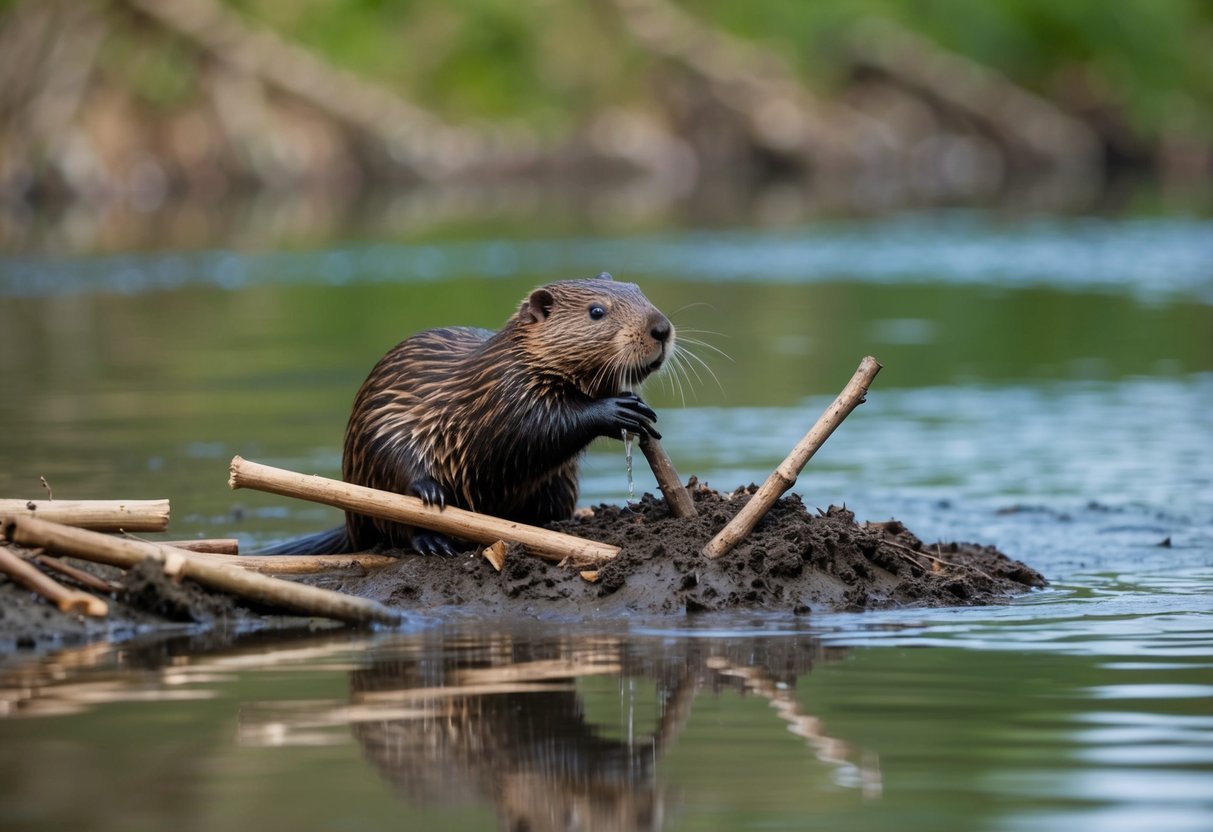
When beavers set to work, they transform landscapes, allowing water to spread and soak into the ground. This not only supports local plants but also helps maintain healthy water levels in streams during dry periods. Their presence can lead to cleaner water and more resilient ecosystems, which benefits everyone.
If you’re curious about how beavers contribute to our environment and why they are more than just furry animals, stick around. Discover the many ways these creatures enrich our world, and you might just develop a new appreciation for them.
Beavers as Ecosystem Engineers

Beavers play an important role in shaping ecosystems. Their activities create wetlands, which support a variety of life. These changes not only help the environment but also many species that depend on these habitats.
Wetland Creation and Maintenance
Beavers are known for building dams. These structures create ponds that form wetlands. Wetlands are critical because they filter water and store floodwater. This helps control erosion and protects nearby areas from flooding.
The ponds also provide a habitat for many aquatic plants. These plants are essential for water quality and serve as food for various animals. Additionally, the wetlands created by beaver dams provide a refuge for wildlife. Animals can find food, shelter, and breeding grounds in these thriving environments.
Biodiversity and Habitat Support
By creating wetlands, beavers support biodiversity. Their dams promote a mix of habitats that benefit numerous species. You may find fish, amphibians, birds, and insects living in or around these areas.
The variety of plants in beaver wetlands attracts different wildlife. For example, the rich vegetation provides food for herbivores, which then become prey for larger predators. This balance helps maintain a stable food chain. Beavers’ influence ensures a healthier ecosystem, making them true ecosystem engineers.
Beavers’ Impact on Water Management

Beavers play a crucial role in managing water in their environments. Their natural behaviors help improve water quality and provide effective flood control. Understanding these impacts can help you appreciate why beavers are often called “nature’s engineers.”
Improving Water Quality
Beavers create dams that form ponds. These ponds act as natural filters for water. As water flows into a beaver pond, sediment and pollutants settle at the bottom, leading to cleaner water downstream. This process can help improve the quality of drinking water aquifers.
Additionally, the vegetation around beaver ponds can absorb excess nutrients. This absorption helps prevent issues like algal blooms, which can be harmful to fish and other wildlife. Overall, beavers help you enjoy cleaner, better-quality water in your local ecosystems.
Flood Control and Water Table Regulation
Beaver dams are effective in flood control. They slow down the flow of water during heavy rain, reducing the risk of serious flooding. By retaining water, beavers create natural water storage systems, which can benefit surrounding vegetation and wildlife.
These ponds maintain a steady water supply, ensuring the water table remains stable, especially during dry periods. The ability to regulate water levels is essential for ecosystems and agricultural areas, making beavers critical for sustainable land management. Their work allows you to enjoy a balanced environment, even in changing weather conditions.
Challenges and Coexistence
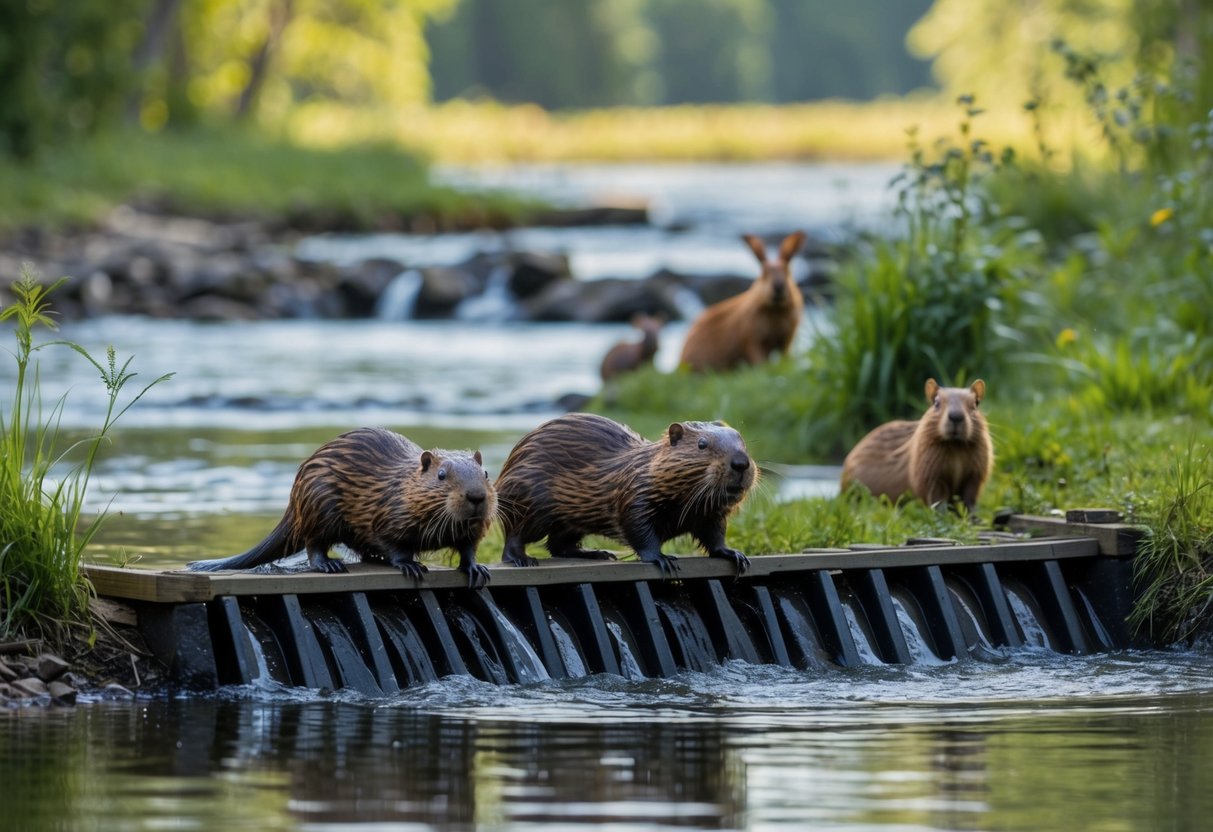
Living alongside beavers can come with its own set of challenges. As you learn to manage these furry neighbors, understanding the nature of conflicts and how to mitigate them is key.
Mitigating Beaver-Human Conflicts
Beavers can lead to tree damage and flooding when they build dams and create ponds. This can impact your property and local ecosystem.
To protect your trees, consider using trunk guards or fencing to shield saplings and mature trees. These barriers can keep beavers from gnawing through your prized plants.
In areas where beavers are active, a combination of flow devices can help manage water levels. These tools regulate how much water builds up in ponds, reducing flooding and keeping your landscape safe.
Adaptive Management Strategies
To create a peaceful coexistence with beavers, you can adopt adaptive management strategies. This means being flexible and open to changing methods as needed.
For instance, if a dam is causing problems, you might need to reassess the situation. Flow devices not only help control water but can also help preserve natural habitats while making it easier for you to manage water levels around your property.
With careful planning and the right tools, you can encourage a balance. By using these strategies, you facilitate a healthy environment for both you and the beavers, ensuring that your interests are respected while they thrive in their natural habitat.
Conservation and Environmental Significance

Beavers play a vital role in maintaining healthy ecosystems and can help combat climate change effects. Their activities significantly influence biodiversity, water quality, and habitat availability, making them essential for conservation efforts.
Keystone Species Role in Ecosystems
As a keystone species, beavers have a powerful effect on their environment. Their dam-building creates beaver ponds, which serve as habitats for many plants and animals. These ponds can increase biodiversity by providing homes for fish, amphibians, and birds.
In North America, beaver ponds are crucial for salmon habitat, supporting species that rely on these rich ecosystems. Their presence in wetlands leads to improved water quality. By slowing down water flow and trapping sediments, beavers enhance the health of their surroundings.
Climate Change and Beavers
Beavers are important in the fight against climate change. Their ponds help store water, which can be vital during dry periods. This can increase the availability of open water by up to 160% in drought conditions.
In addition, the wetlands created by beavers act as natural carbon sinks. They absorb carbon dioxide from the atmosphere, significantly helping with climate regulation. Both the North American and Eurasian beaver contribute positively to these processes, showcasing their significance to climate resilience.


