
Beavers are often seen as simple creatures, but they are much more than that. These fascinating animals showcase a level of intelligence that places them among the more capable species in the animal kingdom.
As a rodent, beavers possess unique skills that allow them to thrive and adapt in their environments.
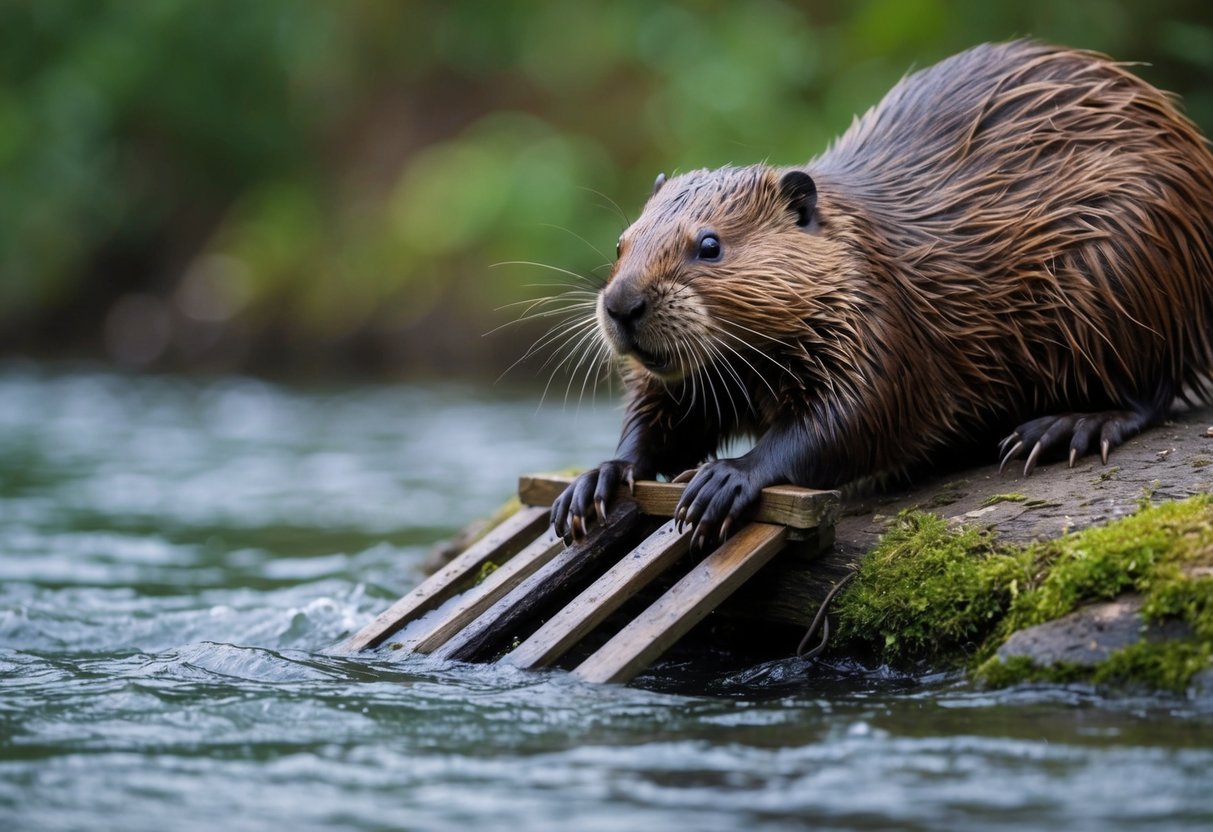
You might be surprised to learn how their problem-solving abilities influence their behavior. From building intricate dams to ensuring their homes remain safe and dry, beavers demonstrate remarkable engineering skills.
Their awareness of sound and their ability to fix leaks are just a couple of examples that highlight their intelligence.
As you read on, you will discover more about what makes beavers such intelligent animals. You’ll find insights into their social structures, their impact on ecosystems, and why they are often studied by researchers interested in animal behavior. Understanding these traits can help you appreciate the role beavers play in nature and why they are considered highly intelligent creatures.
Beaver Behavior and Social Structures
Beavers are fascinating animals with unique social habits and behaviors. They live in family groups and have strong communication skills that help them maintain their social structures. Their nocturnal habits also add an interesting layer to their lifestyle.
Social Habits and Monogamous Nature
Beavers tend to be very social creatures. They usually live in family units made up of a mated pair and their offspring. This family group works together to build and maintain their lodges, which serve as safe homes and protection from predators.
Beavers are often monogamous, meaning they typically stay with one partner for life. This strong bond helps them work more effectively as a team.
The parents teach their young essential skills, such as how to build dams and find food. These lessons are vital for the young beavers to thrive as they grow.
Nocturnal Activities
Beavers are primarily nocturnal, meaning they are most active at night. During these hours, they engage in various activities such as foraging for food and repairing their lodges. Their diet mainly consists of tree bark, aquatic plants, and leaves.
Being nocturnal helps them avoid many predators that hunt during the day. They have adapted to this schedule, allowing them to gather food and keep their territory safe.
The night-time activity also reduces competition with other daytime animals for resources.
Communication Skills
Communication among beavers is crucial for maintaining their social structure. They use a variety of sounds, body language, and even scents to interact with one another. Whistles, grunts, and tail slaps are common ways they signal alerts or communicate intentions.
In addition to vocal signals, beavers mark their territory with scent. This helps them communicate boundaries to other beavers.
Learning these signals is an important part of growing up for young beavers, helping them develop essential social skills necessary for group living.
Beavers as Ecosystem Engineers

Beavers play a significant role as ecosystem engineers, impacting biodiversity and developing unique wetlands. Their activities shape the environment, benefiting various species and contributing to the health of ecosystems.
Impact on Biodiversity and Wetlands
Beavers create wetlands by building dams. These wetland areas increase biodiversity by providing habitats for various plants and animals.
When a beaver dam is built, it traps water, forming ponds that support fish, birds, and insects. This habitat helps plants thrive, contributing to a rich ecosystem.
These wetlands also filter water, improving its quality as it flows downstream. By promoting diversity, beavers help maintain ecological balance.
Their presence can reduce the effects of flooding, ensuring a healthier environment for all species involved.
Building Dams and Their Functions
Beavers are known for their dam-building skills. They construct watertight dams using branches, mud, and vegetation.
Dams help control water levels, reducing flooding risk. They slow down water flow, enabling the surrounding area to absorb more moisture. This action aids in drought conditions, providing stability in the environment.
By building dams, beavers also alter their habitat, making it more suitable for their survival while benefiting other wildlife as well.
Their ability to maintain and modify their surroundings showcases their intelligence and importance to the ecosystem.
Intelligence and Problem-Solving Abilities

Beavers demonstrate remarkable intelligence through their adaptation and engineering skills. Their problem-solving abilities shine in their ability to construct intricate dams and work as a team. Let’s look more closely at these impressive traits.
Adaptation and Engineering Skills
Beavers are known for their impressive engineering skills. They adapt to their environments by building dams that create ponds, which help them escape from predators and find food.
These structures require careful planning and execution. Beavers gather materials like sticks, mud, and stones to create strong dams. Each dam is unique, designed specifically for the local environment.
Their ability to modify their surroundings shows advanced cognitive skills. Beavers recognize the resources available to them and use them effectively to create a safe habitat. This adaptation is essential for their survival.
Collaboration in Dam Construction
Teamwork is vital when it comes to building dams. Beavers work together, using their communication skills to coordinate efforts. They know which tasks each member should handle, from gathering materials to shaping the dam.
During this process, beavers display problem-solving abilities. If one part of a dam is weak or damaged, they quickly come together to fix it.
This ability to collaborate and adapt improves the strength and security of their homes. Each dam is not just a shelter; it’s a product of their collective intelligence and skills.
Beaver Habits and Diet

Beavers have interesting habits and a unique diet that make them remarkable animals. Their strong teeth allow them to gnaw on trees and other plants. They also use these teeth to build their homes and dams.


