
Beavers are fascinating creatures that play a vital role in their ecosystem. They mainly eat soft and woody plants, especially tree bark, leaves, and twigs. This herbivorous diet helps maintain the health of their habitats by promoting the growth of new plants.
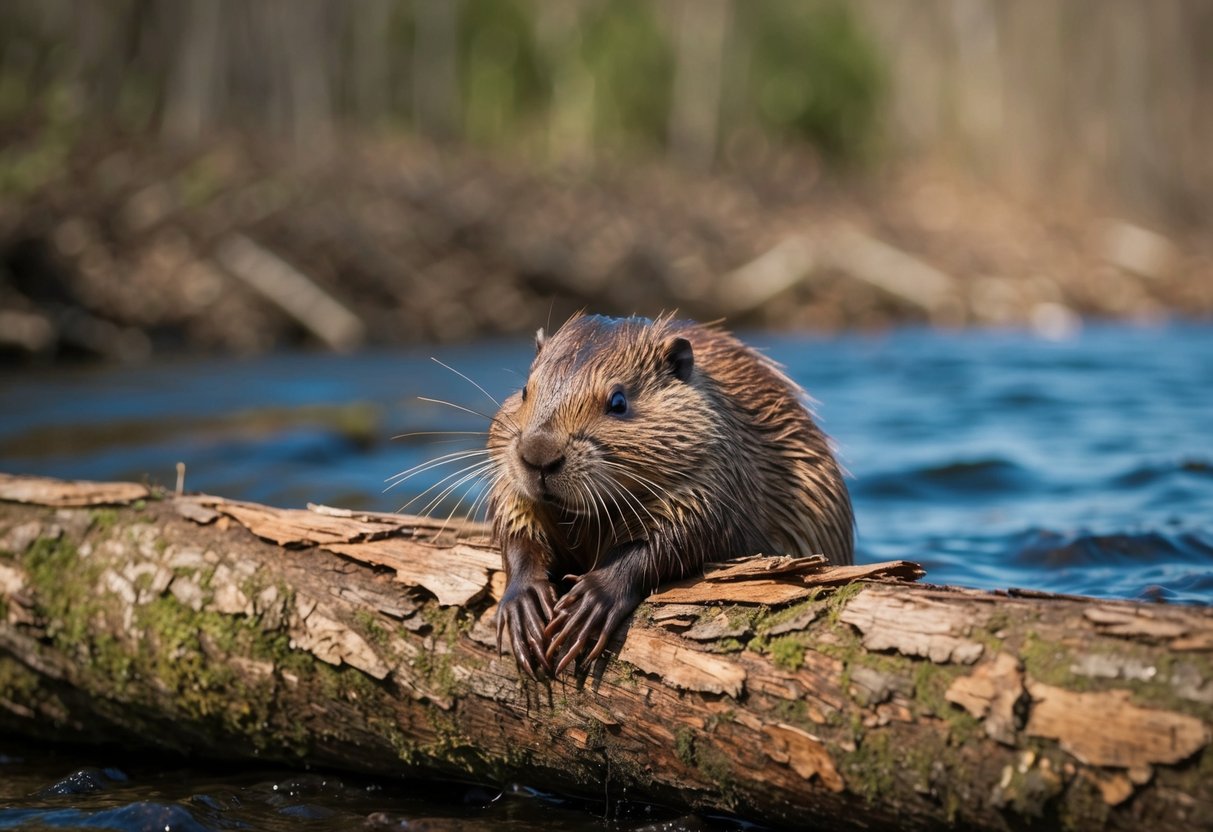
As you explore what beavers eat, you’ll discover how they adapt their diet based on the seasons. In winter, they store food underwater, giving them access to their preferred bark even when the surface is frozen. Understanding the beaver diet not only explains their behaviors but also highlights their importance in wildlife conservation.
These industrious animals impact landscapes by creating wetlands, which support numerous other species. Knowing what beavers eat can deepen your appreciation for these unique mammals and their contribution to the environment.
Beaver Dietary Staples

Beavers have a varied diet that mainly consists of plant materials. As herbivores, they thrive on both woody plants and softer vegetation. Their dietary choices are essential for their health and play a significant role in their ecosystem.
Preferred Tree Varieties
Beavers love to eat a variety of trees. Their favorites include willow, birch, cottonwood, aspen, and poplar. These trees are softwood species, which means they are easier for beavers to gnaw on.
The bark and cambium (the layer just under the bark) are particularly tasty for beavers. In colder months, they rely heavily on these trees for nutrients. Beavers often cut down branches and smaller trees for food, making them experts in managing their natural surroundings. Selecting the right tree species is crucial for beavers, as it impacts their health and habitat.
Aquatic and Herbaceous Plants
In addition to trees, beavers enjoy a wide range of aquatic and herbaceous plants. They often eat cattails, water lilies, and pondweed. These plants offer hydration, especially when food sources are limited.
Grass and clover are also part of their diet and help provide essential nutrients. Beavers have been known to munch on other soft vegetation like ragweed, corn, and beans when available. These options vary with the seasons, so beavers adapt based on what they can find in their environment.
Additional Food Sources
Beavers don’t strictly stick to just trees and aquatic plants. They also eat mushrooms, fruits, and vegetables found near their habitats. Although not a major part of their diet, fruits such as apples and grapes can provide additional hydration and nutrients.
This flexibility in their diet ensures beavers can survive in different conditions. Their ability to consume a wide range of vegetation reflects their role as ecosystem engineers, influencing their local environments through their eating habits.
Feeding Behaviors and Food Storage
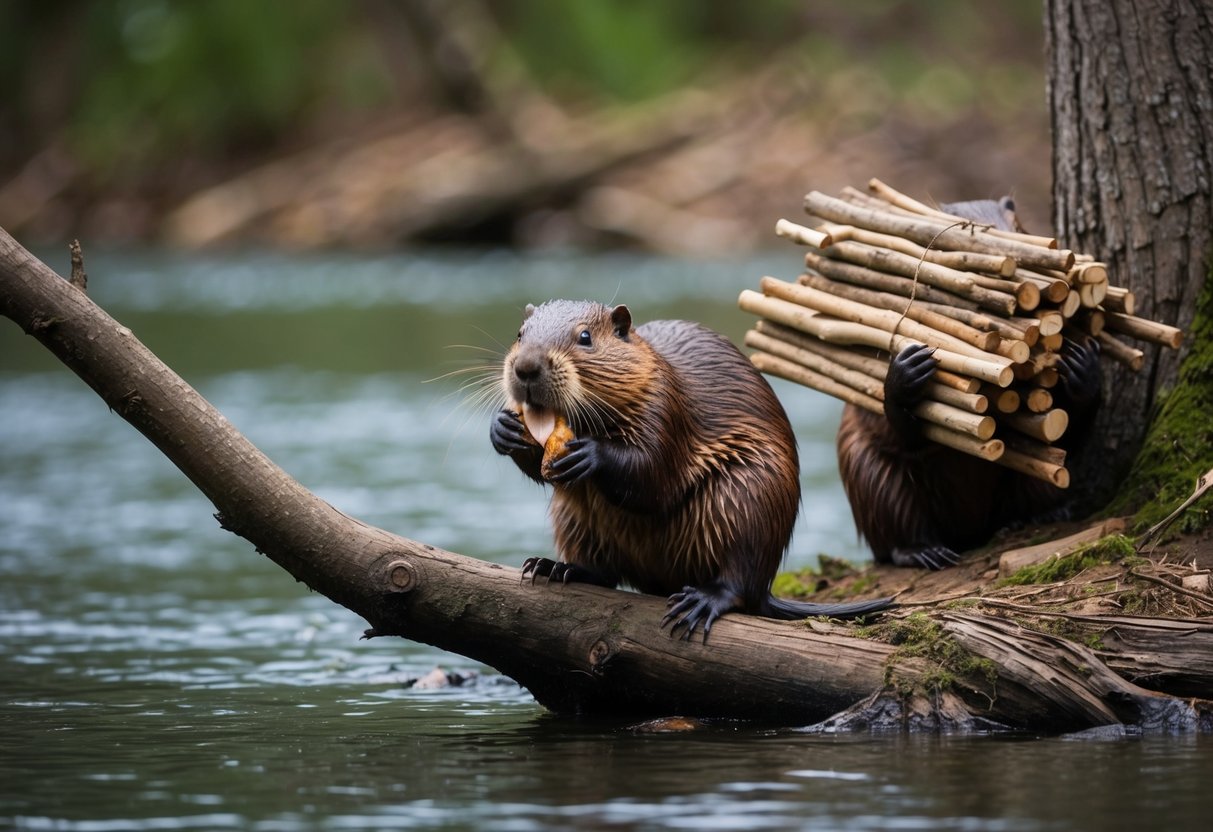
Beavers have unique ways of finding and storing food that help them thrive in their environments. Understanding these behaviors can give you insight into their daily lives and survival strategies.
Foraging Techniques
When you observe beavers, you’ll notice their strong foraging skills. They mainly search for woody plants and tree bark. Some of their favorites include aspen, willow, and birch. You might see them gnawing on tree trunks, which is a key part of their diet.
Beavers are primarily nocturnal. This means they like to gather food during the night when it is quieter. Their sharp teeth help them easily chop through wood. This is essential for their feeding habits, especially in cooler months when other food may be scarce.
In spring and summer, they also eat leaves, twigs, and buds. When these non-woody plants aren’t available, beavers rely more on their preferred trees. Their keen sense of smell helps them locate food efficiently.
Creating and Using a Food Cache
Beavers are resourceful animals that create food caches to survive winter. They gather branches and logs and submerge them near their lodges. This clever behavior ensures that they have access to food even when the water is frozen.
When you learn about beaver food storage, you’ll find that they are quite smart. Beavers pile logs and branches underwater. This prevents the food from freezing solid. When hungry, they swim to their cache, retrieving the bark and branches they need.
By storing food, beavers keep their energy up during harsh months. This practice not only shows their foresight but also plays a crucial role in their survival.
Nutritional Needs and Seasonal Changes
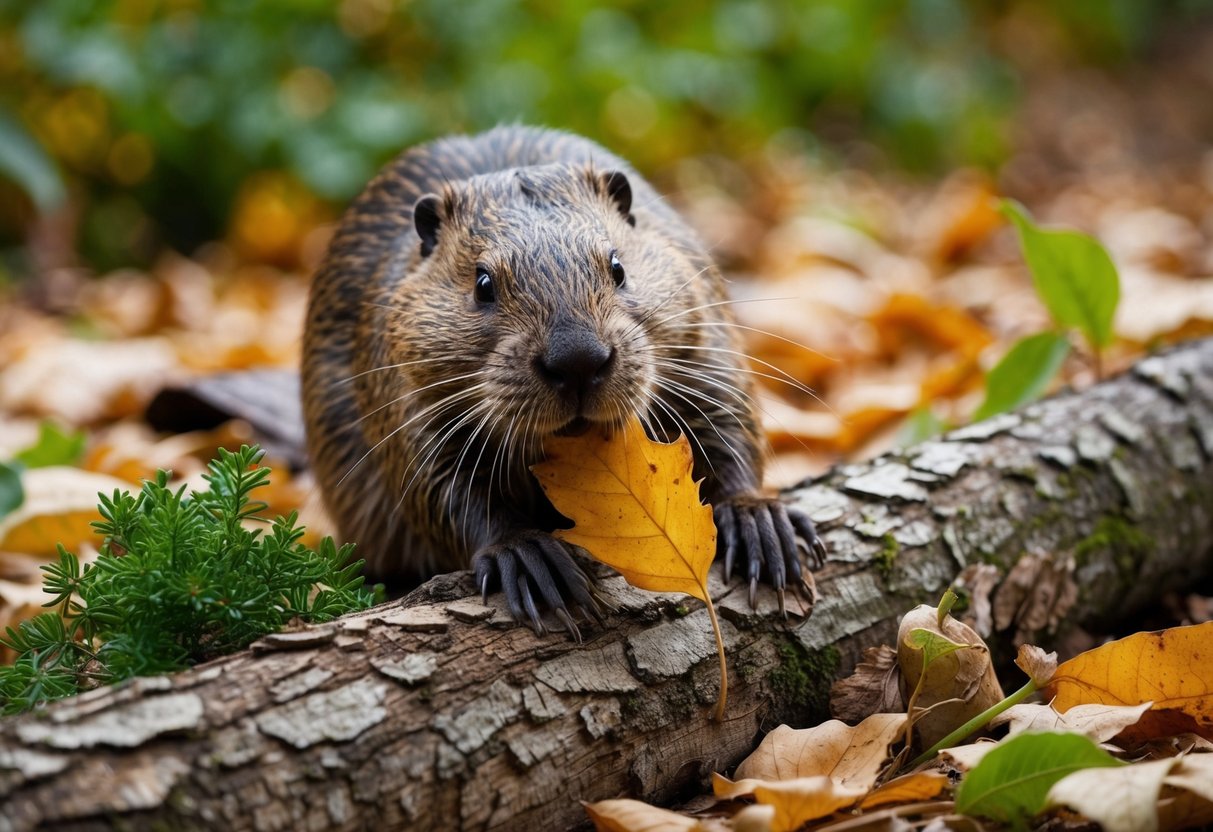
Understanding beavers’ nutritional needs helps you appreciate how they survive in different seasons. Their diet changes based on what is available, which allows them to meet their energy requirements throughout the year.
Dietary Habits Throughout the Year
Beavers primarily eat a variety of woody plants and tree bark, with specific preferences for species such as aspen, birch, and willow. In spring and summer, they enjoy fresh vegetation, including herbs and aquatic plants, which provide essential nutrients.
During summer, an adult beaver eats about 3.5 to 4.5 pounds of food daily. As temperatures drop, their intake decreases to around 2 pounds a day in winter. They store food in underwater caches for winter, ensuring that they have enough bark available, even when their ponds are frozen.
Special Considerations for Kits
Baby beavers, known as kits, have different dietary needs as they grow. In their early weeks, they rely on milk from their mothers, which is rich in fats and nutrients crucial for their development.
As they start to eat solid food, kits gradually learn to consume bark and other plant materials. Their diet must support healthy growth, so the focus shifts to softer, nutrient-rich foods that are easier to digest. By late summer, they begin to eat more like adults, adapting to the beaver diet suitable for their age.
Beavers’ Role in the Ecosystem

Beavers play a crucial part in maintaining their ecosystems. As keystone species, they shape their habitats and support a diverse range of wildlife.
Ecosystem Engineers at Work
Beavers are known as ecosystem engineers. They create and maintain beaver dams in rivers and streams, which can hold back water and form wetlands. These wetlands provide a home for many plants and animals, increasing biodiversity.
In North America and Europe, the North American beaver and Eurasian beaver have distinct roles in their environments. Their dam-building creates ponds that are critical for fish, amphibians, and aquatic plants. Over time, these areas can transform into rich ecosystems, providing habitat for various wildlife species.
When beavers build dams, they help improve water quality by filtering pollutants. This action promotes healthy ecosystems, allowing flora and fauna to thrive.
Conservation and Biodiversity
Beavers also contribute to conservation efforts. Their activities support regional variations in flora and fauna, creating diverse habitats. These habitats are essential for many other species, demonstrating the connection between beavers and wildlife health.
Many conservation programs focus on maintaining beaver populations to sustain these benefits. Protecting beaver habitats is vital for biodiversity and the overall health of ecosystems. Healthy beaver populations often indicate a well-functioning environment, providing a beneficial cycle for wildlife and plant life alike.
Engaging with local conservation initiatives can help support beavers and their important role in nature. When you understand their impact, you appreciate how integral they are to sustaining life in their environments.


