
Beavers are fascinating creatures, known as some of the largest rodents in the world. They play a vital role in their ecosystems. You might wonder, who eats beavers? It turns out these iconic animals are preyed upon by a range of natural predators.

In North America, animals like wolves, bears, and mountain lions prey on beavers. In Eurasia, they must contend with similar dangers, although wolves are often considered their top predators. These predators are essential to balancing the ecosystem, proving that even the mighty beaver has its place in the food chain.
As you dive deeper into the world of beavers, you’ll discover more about their habits, habitats, and the predators that keep their populations in check. Understanding this dynamic helps you appreciate the natural world and the role every creature plays.
Beaver Biology and Lifestyle

Beavers are fascinating creatures with unique adaptations for their environment. They have a distinct diet and social structure that play vital roles in their survival. Understanding these aspects helps you appreciate how beavers interact with their habitats.
Habitat and Diet
Beavers thrive in freshwater habitats, such as rivers, ponds, and wetlands. They often surround themselves with dense woodlands, which provide essential resources. Their diet consists mainly of herbivorous foods. You’ll find them eating woody plants like willow, birch, and cottonwood. They also munch on aquatic plants, grasses, and herbs.
During autumn, beavers gather and store food in their food cache for winter. This behavior ensures they have enough to eat when resources are scarce. Their strong teeth allow them to chew through trees to access leaves and bark, which makes up the bulk of their diet.
Social Structure and Dams
Beavers live in family groups known as colonies, typically consisting of parents and their young, called kits. These colonies are territorial, protecting their area from other groups.
Building dams is a major part of their lifestyle. They use sticks, mud, and stones to create barriers in water bodies. This not only creates ponds for safety but also helps maintain their habitat. Their dams provide environments for various species, including river otters, which enjoy the ponds made by beavers.
Understanding beaver behavior helps you see their importance in creating and maintaining wetland ecosystems.
Predators of Beavers and Survival Strategies

Beavers face various challenges from natural predators and human activities. Understanding these threats helps you appreciate beavers’ unique adaptations for survival.
Natural Predators
Beavers have several natural predators in their ecosystems. Some of the most common include:
- Coyotes
- Wolves
- Lynxes
- Bobcats
- Foxes (including red foxes)
- Owls (notably great horned owls)
- Eagles and Hawks
These carnivorous animals attack beavers, especially when they are away from their lodges. For example, eagles and hawks often swoop down on beavers swimming or near the water. Young beavers, or kits, are particularly vulnerable. Predator birds can notice them even from 100 meters high. Bears and mountain lions are also a threat, preying on beavers when they leave their safe areas.
Human Impact and Hunting
Humans significantly affect beaver populations. Historically, beaver hunting was popular for their valuable fur. Regions like Russia saw intense hunting, which greatly reduced their numbers.
Today, habitat loss due to urban development and agriculture is a serious issue. This destruction leaves beavers with fewer places to build their dams or lodges. As habitats shrink, beavers struggle to survive against remaining predators.
In some areas, hunting is regulated, but illegal poaching can still happen. You should be aware of these impacts. They highlight the importance of protecting beaver habitats to support their survival.
The Role of Beavers in Ecosystems
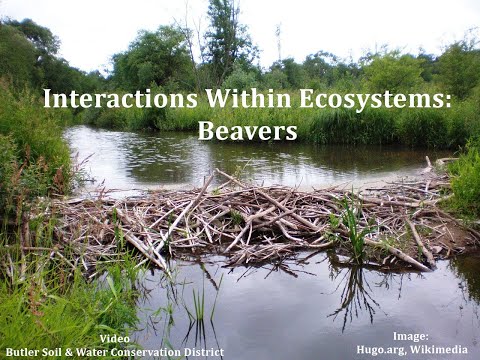
Beavers play an essential role in shaping their environments. Their activities create habitats that support a variety of wildlife, thus maintaining ecological balance. By building dams and lodges, beavers influence both aquatic and terrestrial ecosystems.
Engineering the Environment
Beavers are known as nature’s engineers. Their dam-building activities create ponds and wetlands, which provide vital habitats for many species. These wetlands store water, help recharge aquifers, and reduce flooding. The ponds formed by beaver dams help slow down water flow, filtering pollutants and supporting diverse plant life.
In addition to providing homes for many animals, including northern river otters, these aquatic habitats create a more stable ecosystem. The constant presence of water supports various plant species, which in turn create a richer habitat for insects and other creatures. This engineering ensures that water is available even during dry seasons.
Influence on Other Species
When beavers build dams, they do more than just create a home for themselves. Their activities significantly affect other wildlife.
The wetlands formed by the dams attract various birds and insects. This biodiversity is crucial for a healthy ecosystem.
Predatory species, such as Eurasian wolves, may also benefit from these habitats. The increased availability of prey, such as fish and small mammals, creates a rich food source.
The presence of a variety of species helps maintain ecological balance. It’s clear that beavers play a vital role, not only through their construction efforts but also by supporting an array of other wildlife.


