
Beavers play an important role in their ecosystems. These semi-aquatic mammals are the largest rodents in North America and are known for their impressive ability to create dam structures. Beavers are primarily attracted to the scents of certain plants and trees, especially those like aspen and willow.
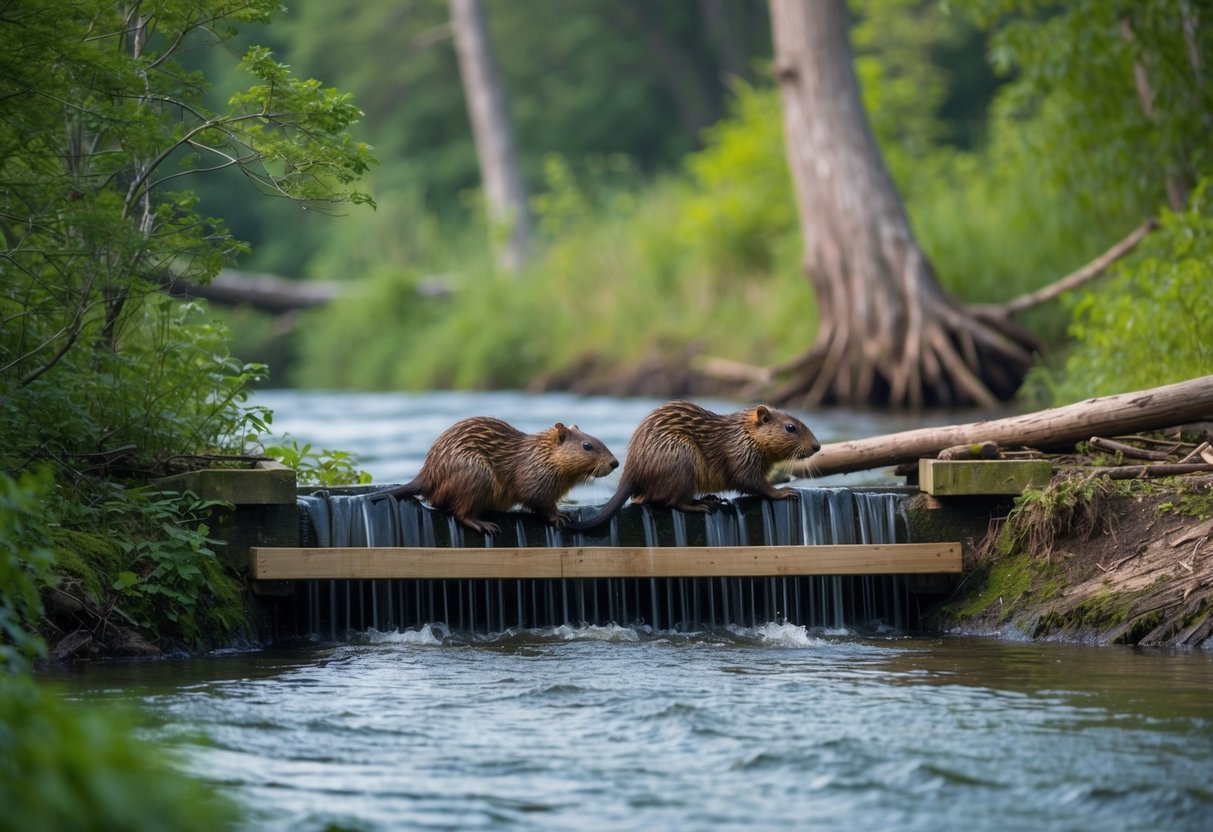
In addition to specific foods, beavers also enjoy habitats that provide plenty of water and nearby vegetation. They communicate using scents, particularly the castor from their glands, which helps them mark their territory and attract mates.
If you’re curious about how to attract beavers to your area or simply want to learn more about their habits, you’re in the right place! Explore the world of beavers and discover what you can do to support these incredible animals.
Understanding Beaver Biology and Behavior
Beavers are fascinating animals known for their unique behaviors and important roles in their ecosystems. They are herbivores and play a vital part in shaping their habitats. This section will explore their diet, reproductive habits, and social structure.
Diet and Ecosystem Impact
Beavers primarily eat tree bark, leaves, and aquatic plants. They favor softwood trees like aspen and willow for their high nutrient content. By feeding on these plants, beavers not only meet their energy needs but also contribute to the health of their ecosystem.
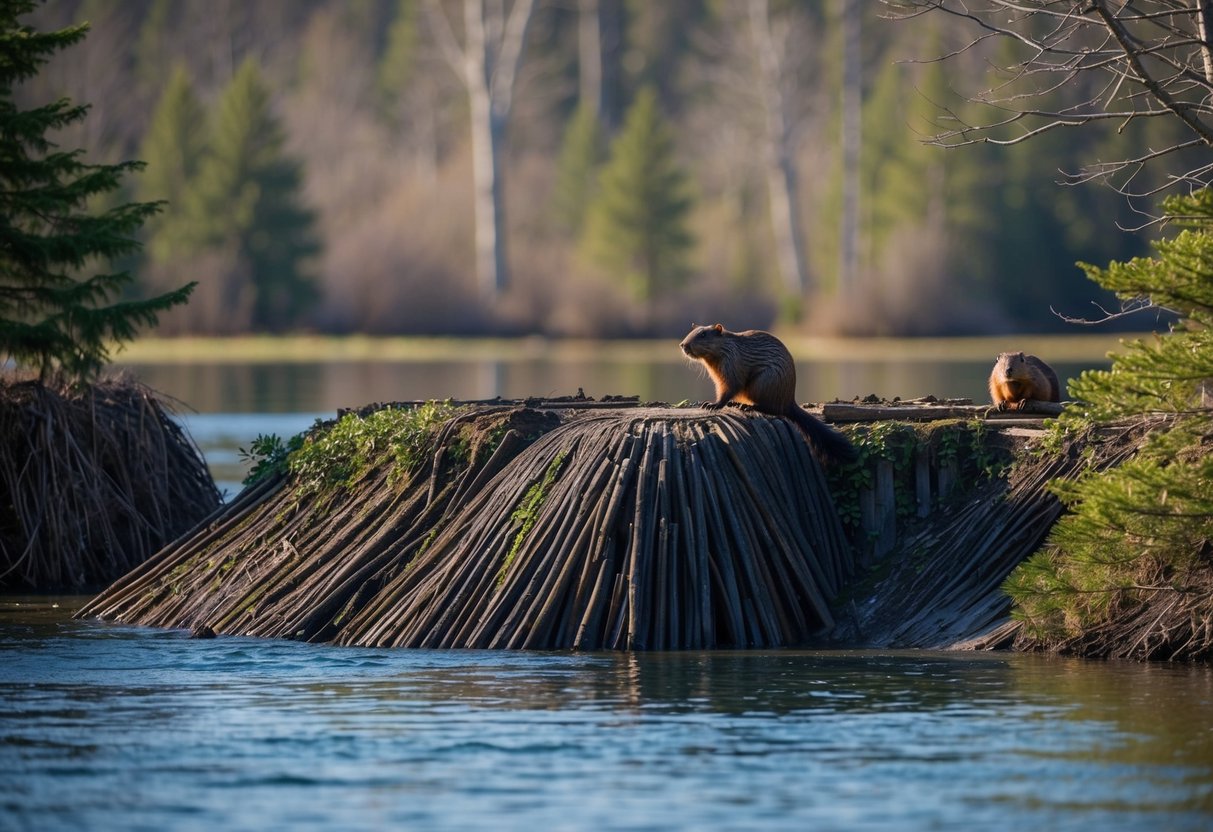
As ecosystem engineers, beavers create wetlands by building dams. These structures help control water flow and promote biodiversity. The ponds formed provide habitats for many species, including fish and amphibians.
Reproductive Habits
Beavers typically mate for life and have a breeding season in late winter or early spring. After a gestation period of about 3 months, female beavers give birth to a litter of 2 to 4 kits. These baby beavers are born fully furred and can swim soon after they are born.
The parents care for the kits for about a year. During this time, the young learn essential skills for survival, including how to build dams and find food. This strong parental investment is crucial for ensuring that the next generation is well-prepared to thrive in their environment.
Social Structure
Beaver families are usually made up of a monogamous pair and their offspring. Family groups are important for raising young kits and protecting their territory. The adults work together to maintain their dam and lodge, showing how teamwork is vital for their survival.
Beavers communicate using vocalizations, scent markings, and tail slaps on the water’s surface. These behaviors help establish territory and warn others of potential threats. By living in a social structure, beavers can effectively manage their resources and enhance their chances of survival.
Beaver Habitats and Their Engineering Works
Beavers create unique habitats through their engineering skills. These habitats offer shelter and a rich environment for various species. Their work helps shape streams, rivers, and lakes, enhancing the ecosystem’s complexity.
Natural Habitats and Lodges
Beavers prefer areas close to water bodies like streams, rivers, and lakes. They build lodges using branches, mud, and reeds. These lodges serve as protection from predators and provide a cozy spot for raising their young.
Inside, lodges have submerged entrances, which keep out unwanted guests like predators. The location of the lodge is critical; beavers choose spots with easy access to building materials and food sources like aspen, willow, and birch.
In addition, beaver habitats are often rich in biodiversity. The presence of a lodge can support various plants and animals, increasing habitat complexity.
Dam Building and Habitat Modification
Beaver dams are impressive structures that significantly affect their surroundings. When beavers build dams, they create ponds that can alter water flow and improve water quality.
These ponds support various aquatic plants and provide habitat for fish and other wildlife. The water in these areas is often calmer, which encourages the growth of a diverse ecosystem.
Moreover, the areas around these dams become more lush, promoting new plant growth. This new habitat is essential for other species, like birds and amphibians. Beavers act as ecosystem engineers, and their modifications enhance the environment in many positive ways.
Human and Beaver Coexistence
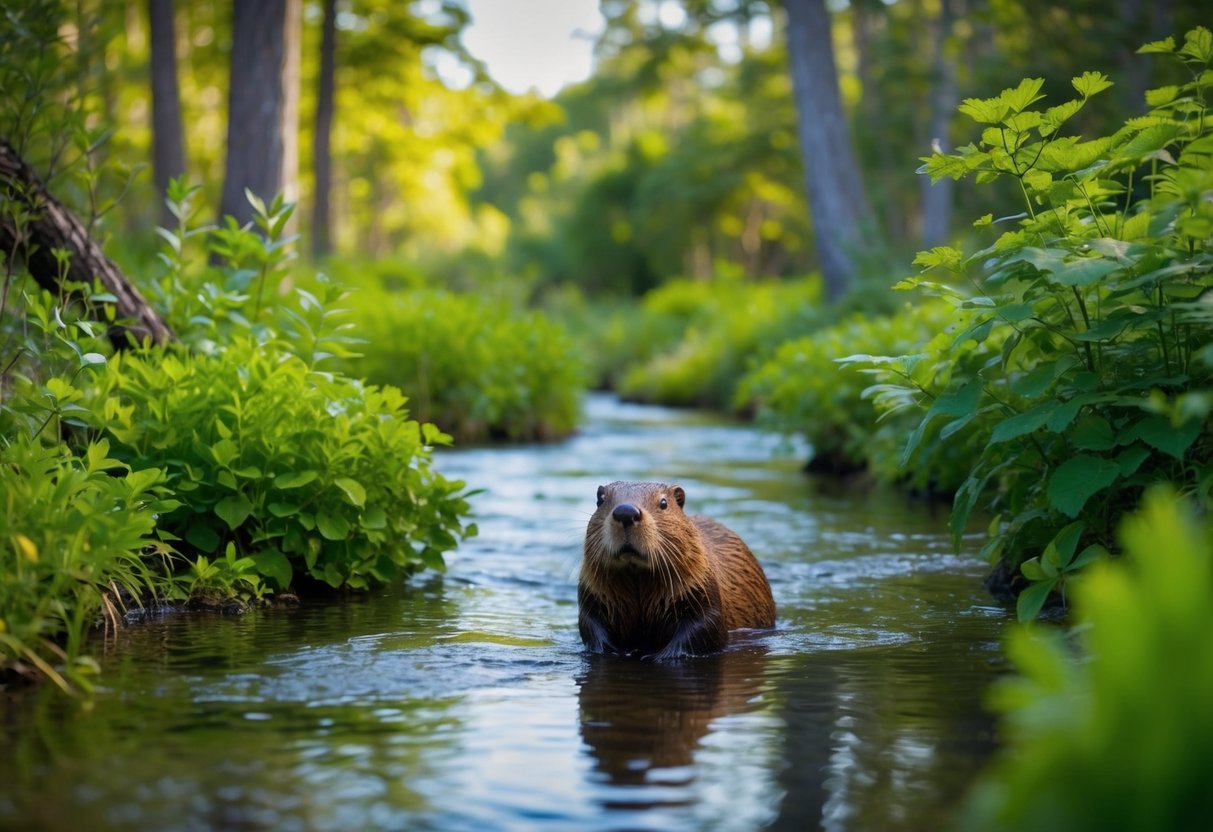
Creating a balance between human activities and beaver populations is vital for both wildlife and landowner needs. You can implement various strategies to manage conflicts and support habitat restoration, making your land more compatible with these industrious animals.
Managing Wildlife Conflict
When beavers build dams, they can cause flooding and other issues for landowners. It’s important for you to be aware of effective methods to address these problems.
Consider techniques like culvert fencing or tree protectors to prevent damage to crops and other vegetation. These solutions can help keep your property safe while allowing beavers to thrive.
If you face a more significant conflict, consult with local wildlife management authorities for support. They can offer advice tailored to your situation, helping you understand how to coexist with beavers while minimizing the impact on your land.
Habitat Restoration and Conservation
Restoration efforts can enhance habitats for beavers, benefiting local ecosystems as well.
You might think about creating beaver dam analogs to promote natural flooding patterns without causing harm to your property. These artificial structures can help beaver populations thrive while preventing excessive damage.
As a land manager or owner, you can also focus on planting native vegetation that beavers prefer, such as willow or aspen. This not only supports beavers but can improve biodiversity on your land. By taking these steps, you contribute to a more balanced environment, encouraging both wildlife conservation and agricultural productivity.
Attracting Beavers to an Area
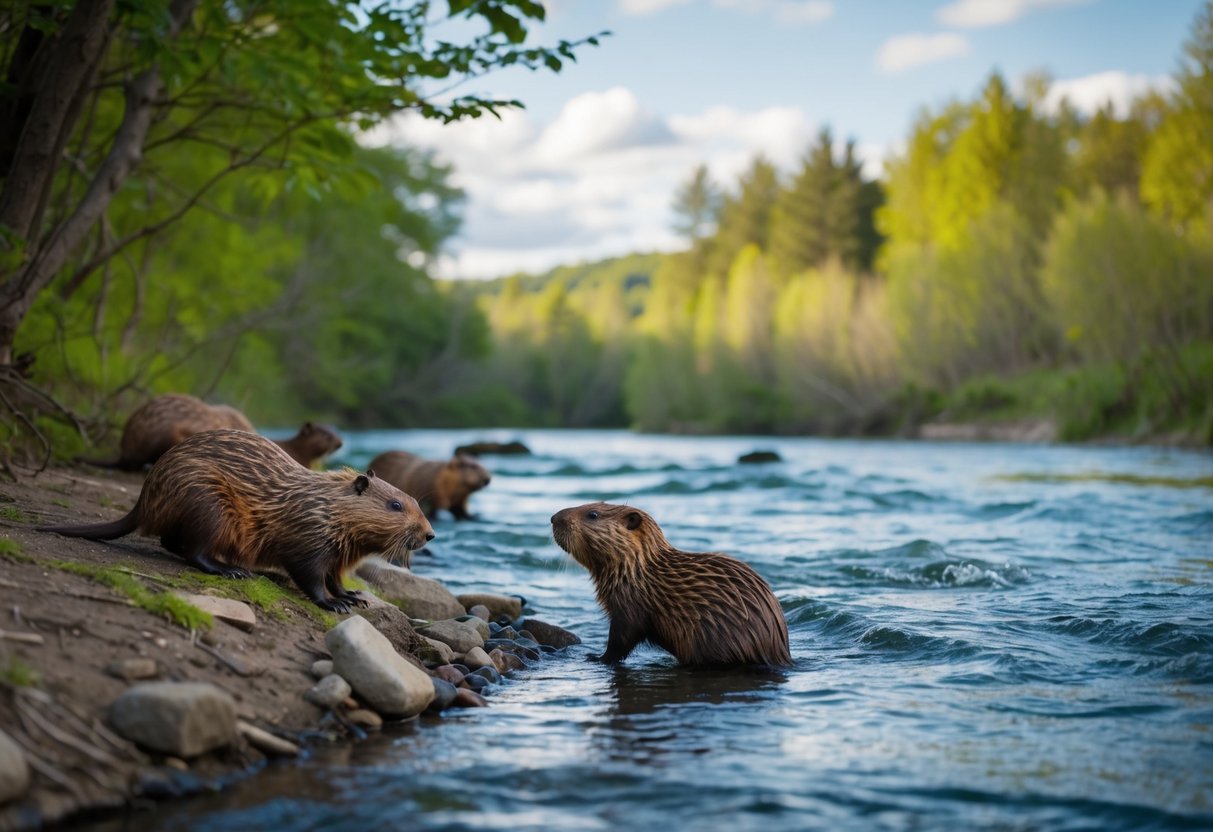
To attract beavers, it’s important to assess the environment and provide the right attractants. Beavers look for food, shelter, and the right conditions to make a home. Here’s how you can create a welcoming space for them.
Assessing the Suitability of Environments
Start by evaluating your area for water sources like rivers, ponds, or lakes. Beavers prefer locations with still or slow-moving water, as they create their ponds to help with food storage and safety.
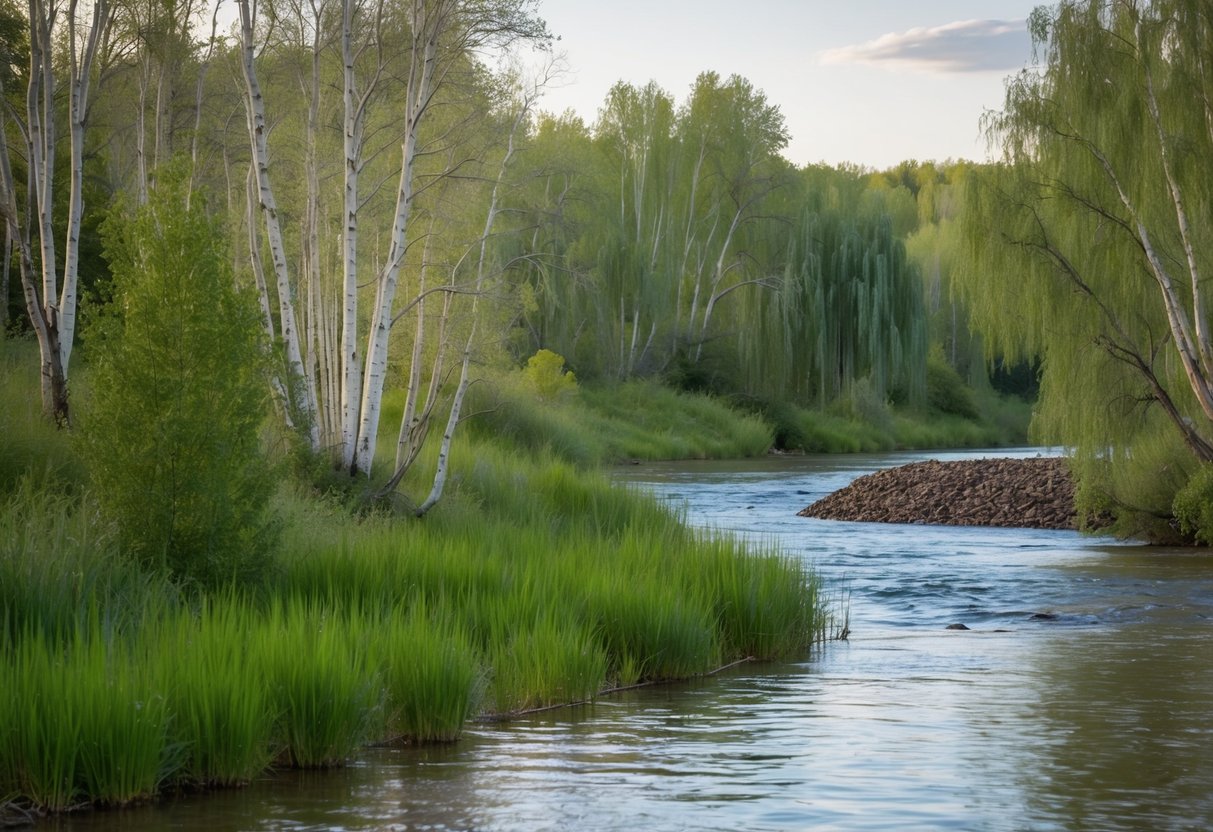
Look for existing riparian vegetation. This includes areas with plants close to water, which provide food and materials for dam building.
Make sure there are no disturbances from humans or pets. A quiet environment helps beavers feel safe to venture into new areas. Increased water quality from nearby vegetation can also attract them. They thrive in ecosystems rich with nutrients and clean water.
Natural Attractants and Plantings
To draw beavers in, focus on planting trees they love, especially willow trees. Willows are a top choice because they provide food and building materials.
Consider adding other preferred plants such as alder, maple, and poplar. These trees offer bark and leaves that beavers eat.
Select a diverse range of plants to create a balanced diet. This ensures there is something available in different seasons.
Creating a beaver pond can further entice them. Flooded areas promote growth of aquatic plants, which beavers enjoy.
By enhancing the habitat with these trees and plants, you increase the chance of beavers coming to settle in your area.


