
When you think of British wildlife, you might picture majestic deer or playful otters. However, the Eurasian beaver, known for its remarkable ability to shape habitats, is making a comeback in the UK. British beavers can grow up to 1 meter long and weigh between 20 to 30 kilograms, making them the largest rodent in the country. Their presence is vital, as they are considered a keystone species that helps maintain healthy ecosystems.
These fascinating creatures are not just about size. Through their natural behaviors, beavers create wetlands that provide habitats for many other species.
With successful conservation efforts and reintroduction plans in place, you can learn how these animals are thriving in British landscapes once again.
Understanding how big British beavers are opens the door to appreciating their important role in wildlife and conservation. As you read on, you’ll discover more about their impact, habitat preferences, and the ongoing efforts to protect these incredible animals.
The Biology of British Beavers
British beavers, specifically the Eurasian beaver (Castor fiber), are fascinating creatures. Their unique characteristics and behaviors make them an essential part of the ecosystem. Let’s explore their physical traits, diet, and reproductive habits.
Physical Characteristics
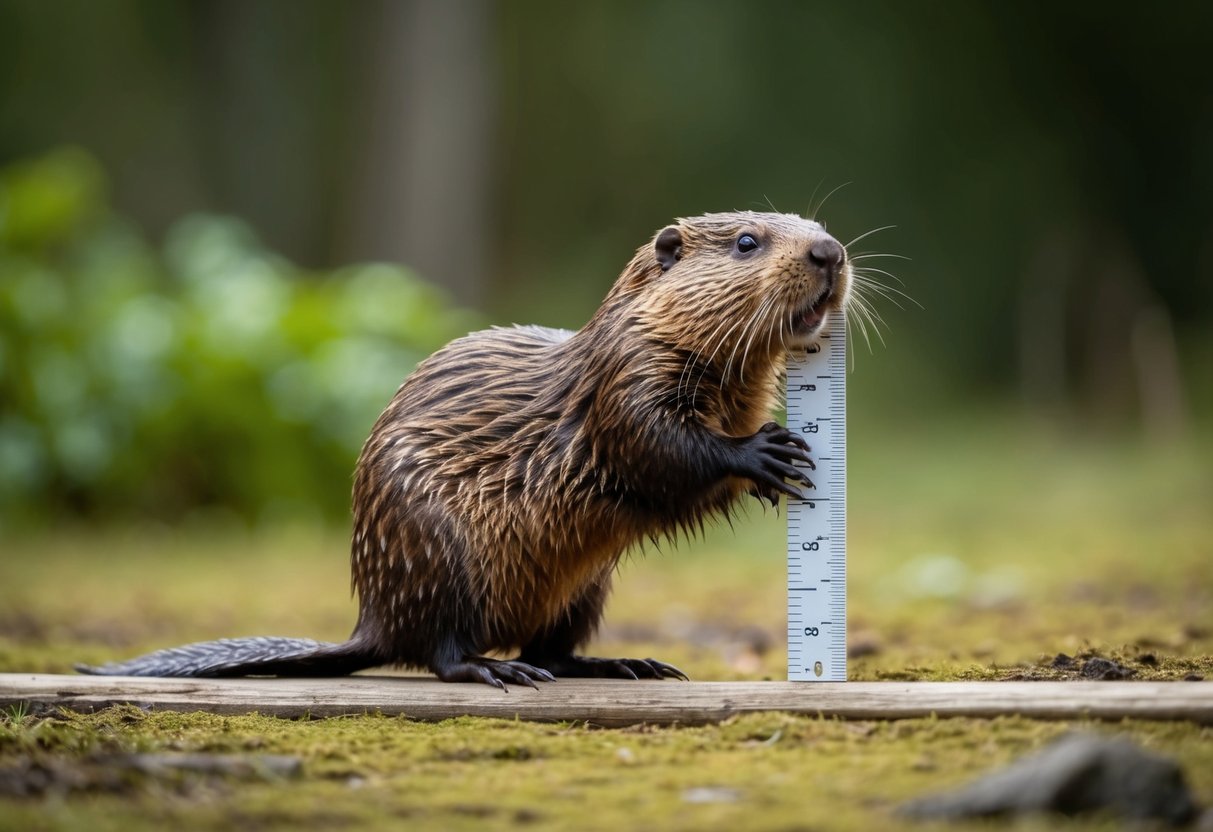
You might notice that British beavers are large rodents with stocky bodies. They can weigh between 50 to 110 pounds and measure about 3 to 4 feet long, excluding the tail.
Their tails are flat and scaly, which helps them steer while swimming.
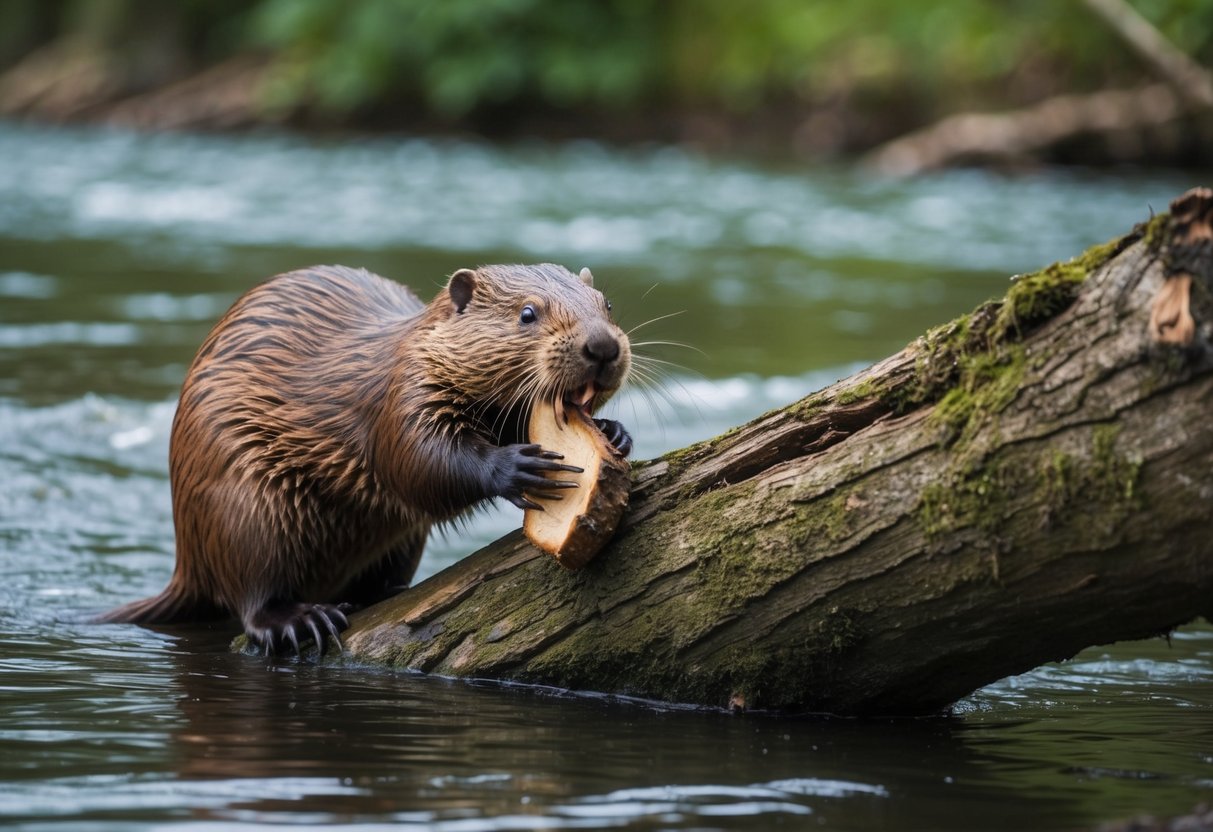
Beavers have dense fur that is usually brown or black. This fur keeps them warm in cold water. Additionally, they have webbed hind feet which make them excellent swimmers. Their teeth are sharp and strong, perfect for gnawing through wood. This ability helps them build and maintain their dams and lodges.
Diet and Feeding Habits
As herbivores, British beavers have a diet based on various plant materials. They mainly consume woody debris, such as the bark of trees.
Common trees they prefer include:
- Poplars
- Willows
- Aspens
- Alders
In addition to tree bark, they eat pond weeds, aquatic plants, grasses, leaves, and ferns.
Beavers are known for their gnawing habits, which help keep their teeth healthy and trim. They need to consume a significant amount of food daily, often gathering and storing it for winter months when food is scarce.
Reproductive Behavior
When it comes to breeding, beavers are monogamous and typically form small family groups.
A female beaver usually gives birth to a litter of 1 to 5 kits after a pregnancy lasting about 105 days.
These kits are born with their eyes open and can swim within 24 hours. They stay with their parents for around two years, learning vital skills and helping with the family’s building and maintenance tasks.
Beavers reach sexual maturity at about 2 to 3 years of age. This process ensures that the family group can continue to thrive and contribute to their environment.
Beavers as Ecosystem Engineers
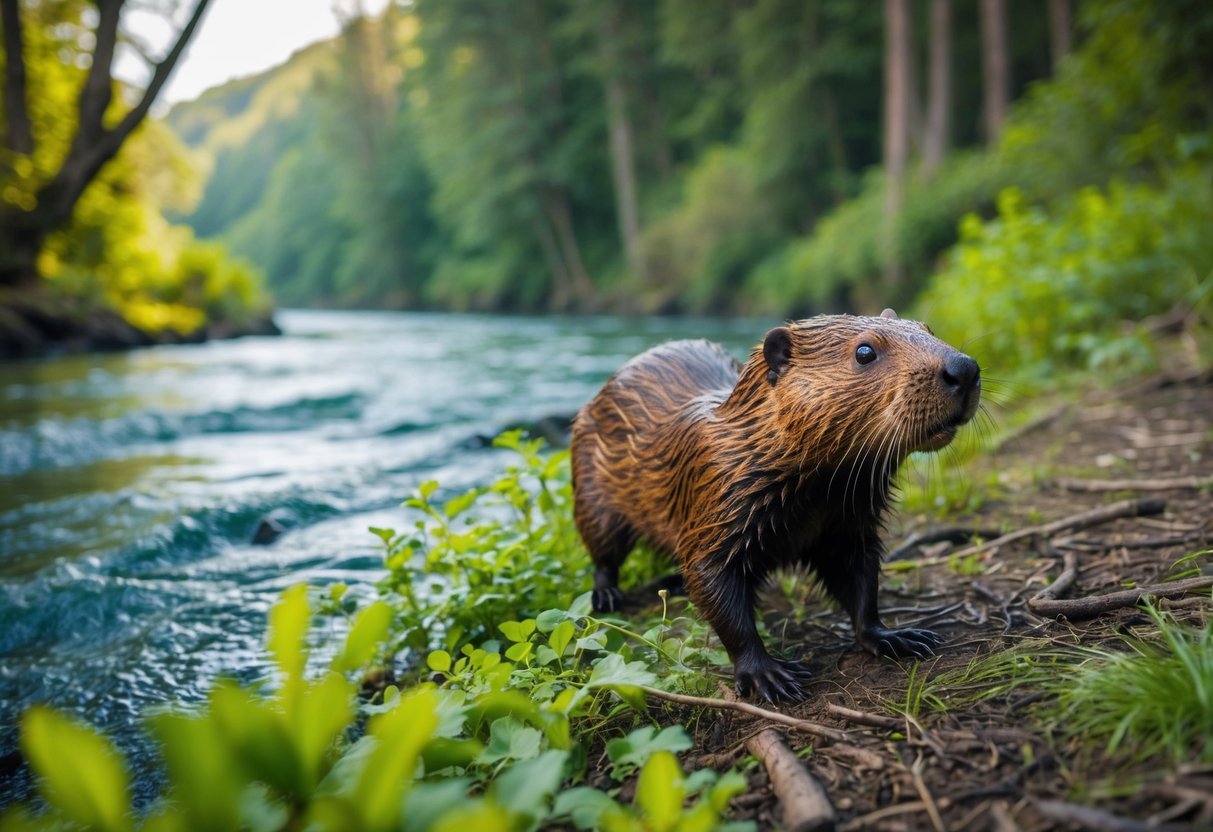
Beavers play a crucial role in shaping their environments. As ecosystem engineers, their actions create habitats that benefit many other species. Their activities, such as building dams and creating ponds, increase biodiversity and enhance wetland habitats.
Habitat and Lodgings
Beavers build unique structures called lodges. These can be found in ponds, rivers, and other freshwater habitats. A typical beaver lodge consists of mud, sticks, and plant material, providing a safe home for the family.
Beavers can create different types of lodges, such as bank lodges built into riverbanks or free-standing lodges in ponds. They also dig burrows for additional shelter. These structures help keep beavers safe from predators, while also offering essential habitats for other wildlife, supporting thriving ecosystems.
Impact on the Environment
By building dams, beavers slow down water flow, which creates ponds and wetlands. This not only prevents flooding but also maintains water levels during dry periods. The creation of these wetland habitats provides essential resources for many native species and increases biodiversity.
The ponds formed by beavers serve as vital ecosystems. They support various plants, insects, fish, and birds. The habitats they create also improve water quality by filtering out pollutants. Conservation charities often highlight the importance of beavers in maintaining healthy ecosystems.
Conservation Efforts and Reintroduction

British beavers have faced many challenges, but efforts to conserve and reintroduce them have made great strides. Understanding their history and current projects helps highlight their importance to the ecosystem.
History and Decline
Beavers were once widespread in Britain, but they were hunted to extinction by the 16th century. Their fur and meat made them valuable, leading to significant population decline.
In response to declining numbers, hunting bans were put in place during the 20th century. This shift allowed for a renewed focus on conservation efforts. Despite these efforts, beavers remained absent from the British landscape for centuries.
Today, scientists and conservationists recognize the critical role beavers play in ecosystems. They improve water quality and increase biodiversity. Beavers are now listed as a species of least concern by the IUCN, highlighting their importance in wildlife conservation.
Current Reintroduction Projects
Beavers are gradually being reintroduced to various parts of Britain, especially in Scotland. One significant project began in Knapdale in 2009. This marked the first official reintroduction of Eurasian beavers.
Since then, population density has steadily increased. More than 400 beavers now inhabit England, with many living in enclosed protected areas.
Current projects focus on balancing beaver conservation with agriculture. Some farmers have expressed concerns about land impacts. However, solutions like creating buffer zones and employing translocation strategies help address these conflicts.
As beaver populations grow, they play a vital role in combating climate change. They help create wetland habitats that store carbon and enhance local biodiversity.


