
Beavers are known for their incredible ability to build dams and chew through trees. You might wonder just how powerful their teeth really are.
Beaver teeth are exceptionally strong. They can withstand a force of up to 150 pounds per square inch. This makes them perfect for gnawing through tough wood and bark.

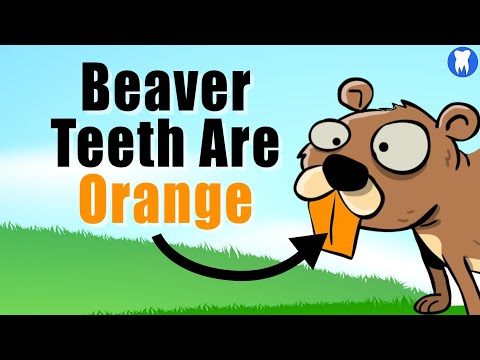
What makes their teeth so unique is their tough enamel, which contains iron. This not only gives their teeth an orange color but also enhances their strength and resistance to wear. As a result, beavers can keep gnawing away at trees for hours without damaging their teeth.
Understanding the strength of beaver teeth can help you appreciate these remarkable animals even more. Their powerful jaws and teeth play a crucial role in their environment and survival, and they are truly designed for the tasks they need to accomplish.
Anatomy of Beaver Teeth

Beaver teeth are specially designed to help them thrive in their environment. Two key types of teeth play crucial roles in their ability to gnaw on wood and maintain their dental health: incisor teeth and molars. Understanding these teeth’s structures will reveal how beavers manage to keep their teeth sharp and effective.
Incisor Teeth and Their Unique Structure
Beavers have four large incisor teeth that are vital for their survival. These teeth are front and center, perfect for gnawing on tough wood.
The incisors have a unique layered structure composed of dentin and enamel. The outer layer is rich in iron, giving their teeth a strong yellow-orange color. This iron-enriched tooth enamel is much thicker than that of humans and helps protect against wear and tear.
A fascinating aspect of these incisors is their ability to stay sharp. The design allows the teeth to self-sharpen as beavers gnaw on bark and wood. Shavings wear down the outer enamel, but the inner layers remain intact, maintaining sharp edges. This sharpness enables them to cut through tough materials quickly.
Molars: The Power Behind the Bite
In addition to incisor teeth, beavers have molars that are essential for grinding down food. These teeth have a broader surface area and a complex surface texture that makes them perfect for mashing leafy plants and softer materials.
The molars also have a layered structure, combining hydroxylapatite and nanowires in their enamel. This composition enhances durability and strength, allowing beavers to use their molars effectively for different tasks.
When beavers chew on wood, both the molars and incisors work together. The incisors chip away at the wood while the molars crush and grind any fibrous material. This combination helps beavers maintain their diet and thrive in their natural habitats.
Biochemistry of Tooth Strength
Beaver teeth are remarkable for their chemical makeup, which gives them strength and durability. Key components like iron and magnesium play vital roles in how these teeth are built and how they perform.
Iron Compounds and Pigmented Enamel
The pigmented enamel of beaver teeth gets its rusty red color from iron compounds. This iron not only adds color but also significantly increases the mechanical strength of the teeth. With the addition of iron, beaver enamel becomes more acid-resistant, making it less likely to decay.
Research shows that iron enhances the hardness of the enamel, allowing beavers to chew through tough materials like wood. This adaptation is crucial for their survival, as they rely on their strong teeth for building dams and gathering food. The unique composition of their enamel sets beavers apart from other animals, making their teeth exceptionally tough.
The Role of Magnesium and Fluoride
While iron is important for tooth strength, magnesium also plays a critical role in dental health. In beavers, magnesium is found in their enamel structure, contributing to flexibility and toughness. This balance makes their teeth resilient against the stresses of biting and chewing.
Fluoride, often linked to added strength in human teeth, is less significant in beaver teeth. Studies suggest that while fluoride can enhance enamel, beaver teeth’s unique structure relies more on natural elements like magnesium and iron. This natural combination ensures that beaver teeth stay strong and resistant to wear, allowing them to thrive in their environment.
Beavers and Tooth Decay Prevention

Beavers have unique adaptations that help them avoid cavities and tooth decay. Their strong teeth and natural compounds provide them with an edge over many other animals. Understanding these features can give insight into dental health.
Natural Defense Against Cavities
Beaver teeth are remarkable for their strength and durability. The enamel on their teeth contains iron, which helps make them resistant to decay. This iron gives their teeth a reddish hue and also enhances their hardness compared to normal enamel.
Their diet of tough wood and bark naturally wears down their teeth, which keeps them sharp. Plus, the high mineral content protects against harmful bacteria that cause cavities. Beavers have a natural built-in system to keep their teeth healthy and functional, effectively preventing tooth decay.
Comparative Aspects with Human Dental Services
When you think of dental services, you might consider regular check-ups, cleanings, and treatments for cavities. Beavers, on the other hand, rely on their natural defenses rather than dental care.
Unlike humans, who need fluoride and fillings to combat cavities, beavers thrive without these interventions. Their diet and unique tooth structure create a strong barrier against decay. Understanding beaver teeth facts highlights how nature provides effective solutions for dental health, sparking interest in potential innovations for human teeth.
While you may need to visit the dentist, beavers naturally maintain strong dental health without assistance.
Evolutionary Insights

Understanding the evolution of beaver teeth can tell you a lot about their strength and purpose. By looking at ancient species and the characteristics of modern beavers, you can appreciate how their dental features have adapted over time.
Castoroides: The Giant Beavers of the Past
Castoroides, often called the giant beaver, lived during the Pleistocene epoch. These impressive creatures could grow up to 8 feet long.
Their teeth were robust and adapted for cutting through tough vegetation. The size and strength of their teeth allowed them to fell large trees. Castoroides had similar dental structures to modern beavers, showing a long lineage of evolution.
Fossils found indicate they had pigmented enamel, similar to today’s beaver teeth. This trait helped them maintain strong dental health, even as they faced changing environments. The study of Castoroides provides insight into the exceptional adaptations of beaver teeth through time.
Understanding Modern Beavers Through Their Ancestors
When we examine modern beavers, we notice they share vital traits with their ancestors. Your common beaver has orange-colored teeth. Iron in the enamel causes this color, and it enhances strength.
This adaptation makes their teeth not only tough but resistant to decay. Research suggests that beaver teeth evolved to handle a diet rich in wood and bark. Their ability to process this tough food has been crucial for survival.
Looking back at species like Castoroides helps you understand how these adaptations developed. Modern beavers’ teeth are a result of millions of years of evolution, showcasing nature’s incredible design for strength and utility.


