
Beavers are fascinating creatures known for their impressive building skills and unique lifestyle. The North American beaver thrives in Canada, where the country is most famously associated with beavers. These industrious animals are not only a symbol of Canada, but they can also be found throughout the United States and northern Mexico.

Additionally, the Eurasian beaver is widespread across Europe and parts of Asia. While you may think of beavers primarily in the context of North America, they have a rich history and presence in Eurasia as well.
This blog post will explore the habitats, habits, and significance of beavers in these regions, as well as fun facts that make them so special.
Beavers as Ecosystem Engineers
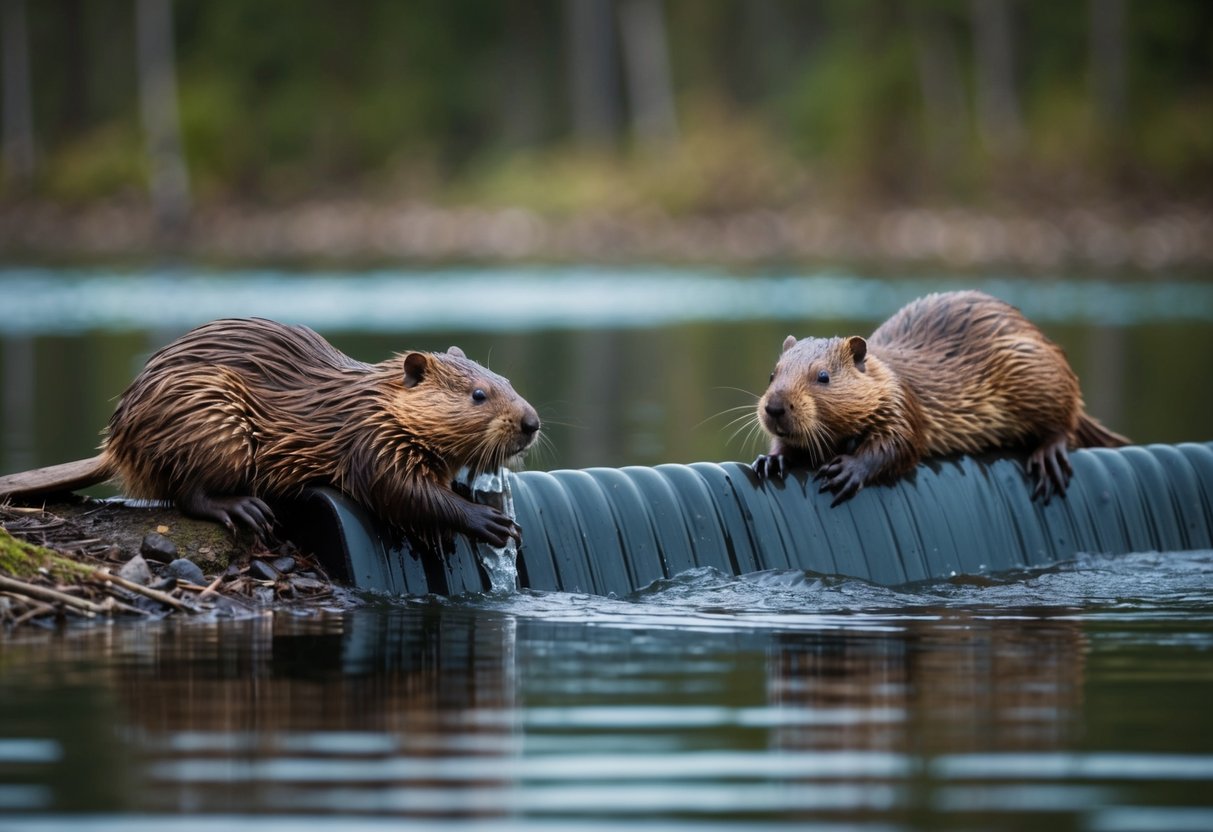
Beavers play a crucial role in their environment, acting as natural builders and shaping their habitats. Their unique behaviors and adaptations create rich ecosystems that support many other species.
Habitat Creation and Maintenance
Beavers are known as keystone species because their activities greatly influence their surroundings. When beavers build dams, they create ponds that serve as important freshwater habitats. These ponds help retain water, which can prevent droughts and support surrounding wetlands.
As water levels rise, it floods adjacent areas, creating diverse riparian habitats. This process allows various plants and animals to thrive. The new ponds also provide shelter and breeding grounds for fish and amphibians. Without beavers, many areas would lack these vital water features.
Impact on Other Species and Biodiversity
The presence of beaver-made ponds enhances biodiversity. Their dams support a variety of species that rely on wetlands, such as birds, insects, and mammals.
By slowing down water flow, beavers filter pollutants and sediments, improving water quality for other wildlife.
Moreover, dead trees from flooded areas become habitats for insects and birds. These natural changes create a flourishing ecosystem. By fostering greater diversity, beavers help ensure the health of the environment, benefiting both local wildlife and humans.
Species and Distribution
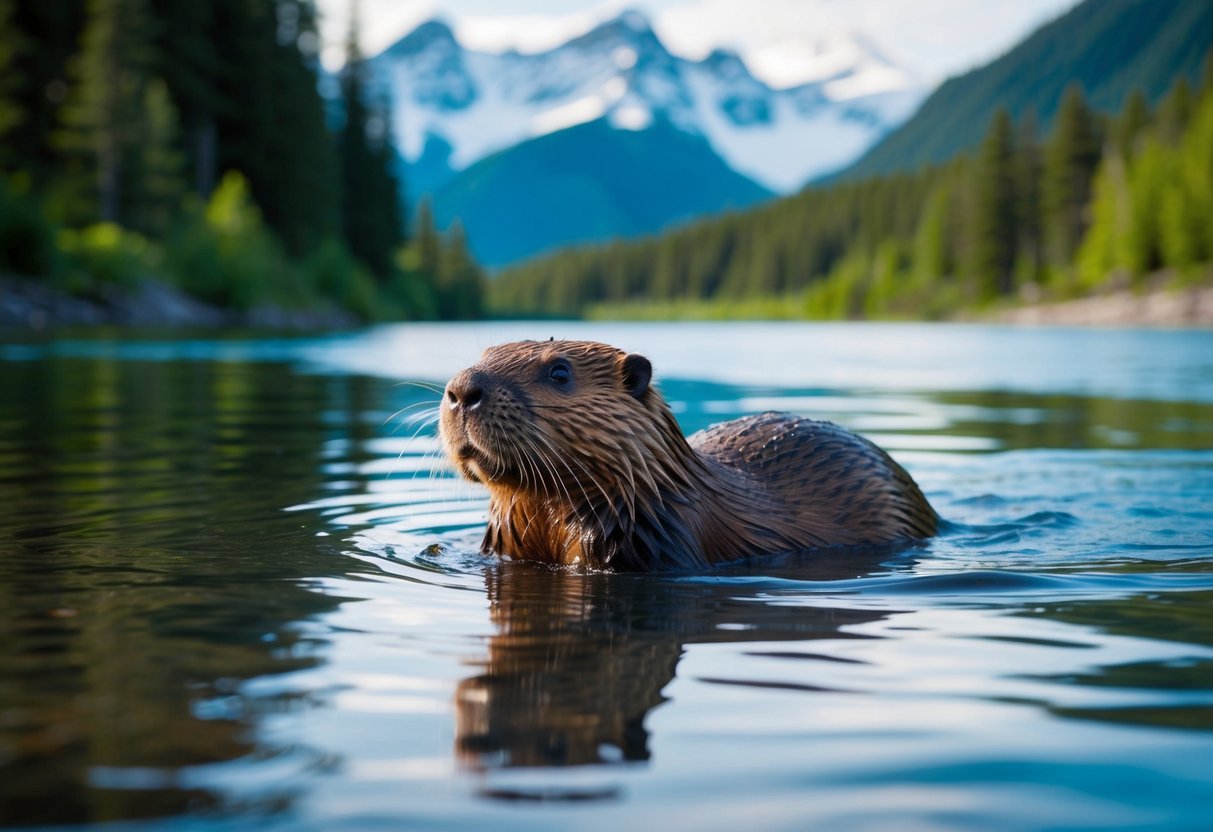
Beavers belong to two main species, each with unique habitats and characteristics. Understanding where these animals live helps appreciate their role in different ecosystems.
American Beavers
The North American beaver (Castor canadensis) is widely found across the United States, Canada, and northern Mexico. This species thrives in freshwater habitats like rivers, lakes, and wetlands.
They are known for their incredible ability to build dams, which create ponds that benefit many other species.
American beavers have adapted well, leading to a stable population in many regions. They have also been introduced in places like Finland, where they have established new populations since their introduction in 1937. In addition, they have been seen in areas of Kazakhstan as well, showcasing their adaptable nature.
Eurasian Beavers
The Eurasian beaver (Castor fiber) is mainly found in Europe and parts of Asia. Their habitats include rivers, streams, and forests, where they construct similar dams.
This species once faced serious population declines due to hunting and habitat loss. However, conservation efforts have helped their numbers rebound in many areas, including England and other parts of Europe.
Eurasian beavers are also moving into new areas, with some populations now established in northern Russia and spreading further. Both species play critical roles in their ecosystems, promoting biodiversity through their activities.
Beaver Biology and Behavior
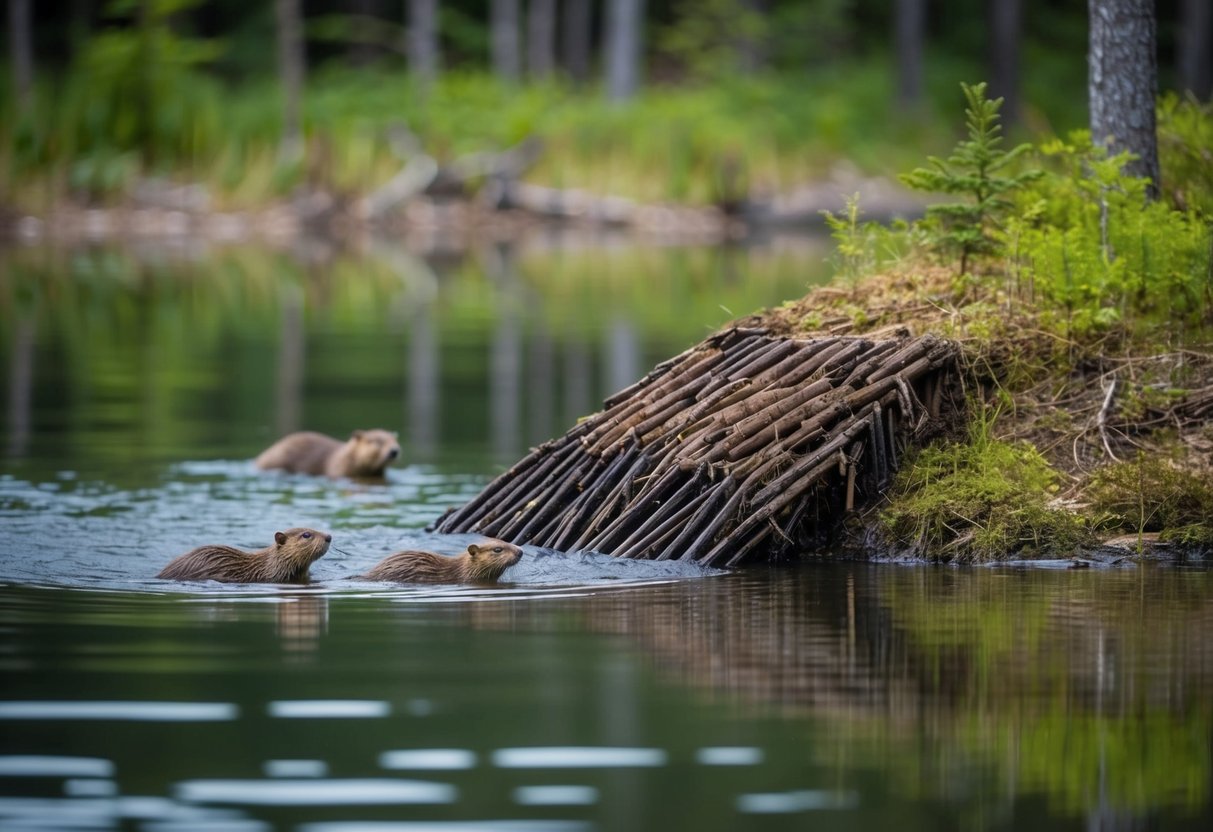
Beavers are fascinating creatures with unique adaptations that help them thrive in their environment. Their physical traits support a semi-aquatic lifestyle, while their social structures and communication methods are vital for colony survival.
Physical Characteristics and Adaptations
Beavers belong to the family Castoridae and are part of the order Rodentia. They are the largest rodents in North America and Eurasia.
Adult beavers typically weigh between 35 to 100 pounds and can grow up to 31 inches long.
One striking physical feature is the webbed hind feet, which make them excellent swimmers. They also have
Conservation and Human Interactions
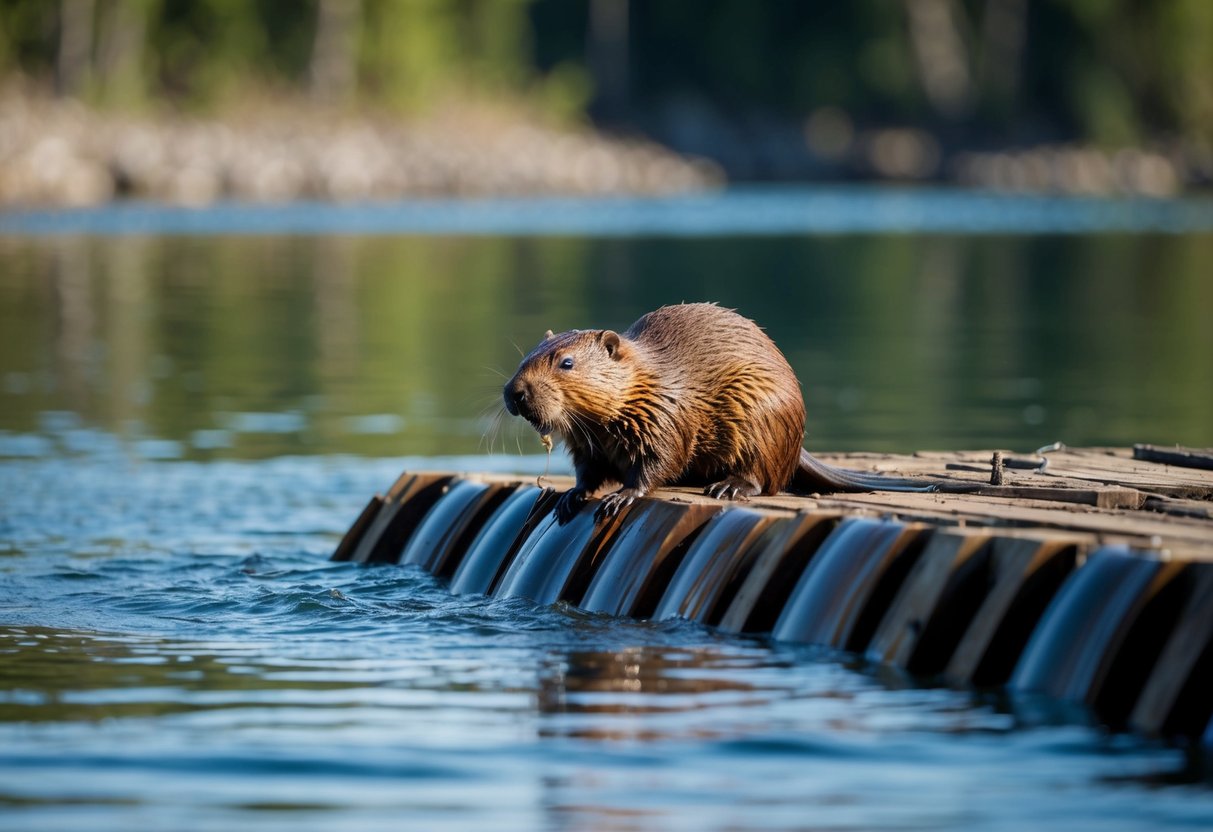
Understanding the relationship between conservation and human interactions can help you appreciate the importance of beavers in their ecosystems. You will see how historical events shaped their populations and how modern efforts aim to protect them.
Historical Significance and the Fur Trade
Beavers played a crucial role in the fur trade, especially in North America during the colonial period. Their fur was highly valued for making hats and other clothing. As a result, extensive hunting occurred, leading to a drastic decline in their population.
By the early 19th century, beavers faced near extinction. This situation changed dramatically due to conservation efforts. Today, beavers are classified as “Least Concern” on the IUCN Red List, indicating a stable population. However, the effects of climate change and habitat loss remain pressing concerns that can affect their future survival.
Modern Conservation Efforts
Modern conservation efforts focus on reintroduction and habitat protection for beavers. Various organizations work to create safe environments where beavers can thrive.
These initiatives often involve educating communities about beaver behavior and their benefits to ecosystems. For example, they improve water quality and increase biodiversity.
Some regions have developed regulations around hunting and trapping beavers to maintain population stability. Continued efforts are necessary to ensure their long-term survival amidst environmental changes.
Through these actions, you can see how humans and beavers can coexist and contribute positively to their shared habitats.


