
Beavers play a crucial role in our ecosystems, often referred to as “ecosystem engineers.” Their activities create wetlands that support various wildlife species. You might wonder if these important creatures are facing extinction.
The good news is that beavers are not close to extinction. Ongoing conservation efforts have helped their populations recover.
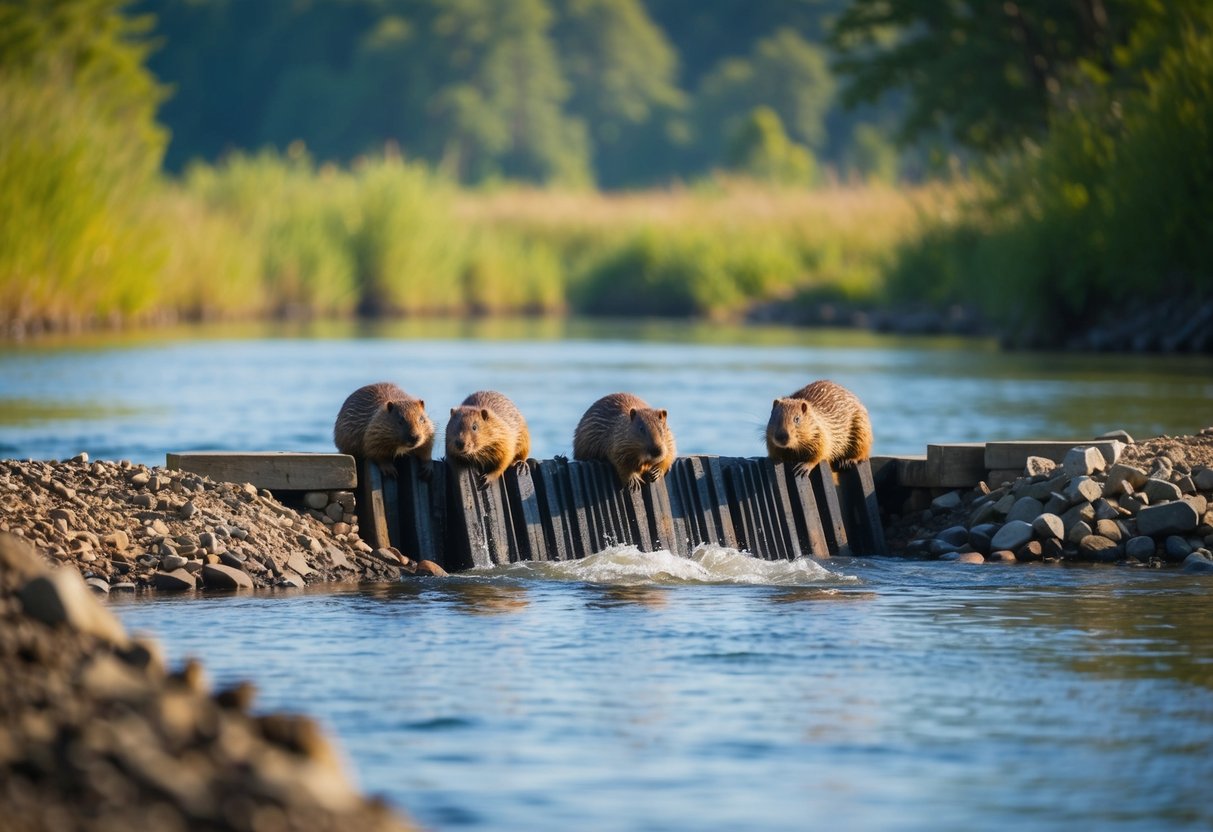
Understanding the history of beavers can help you appreciate their current status. In the past, overtrapping for fur nearly wiped them out in North America and Europe. Today, their populations are improving in many areas, though threats like habitat loss still exist.
As you read on, you will discover more about the steps being taken to protect beavers and their essential role in maintaining healthy ecosystems. Their comeback story is not just about survival; it’s also an inspiring example of what conservation can achieve.
Beaver Biology and Ecosystem Impact
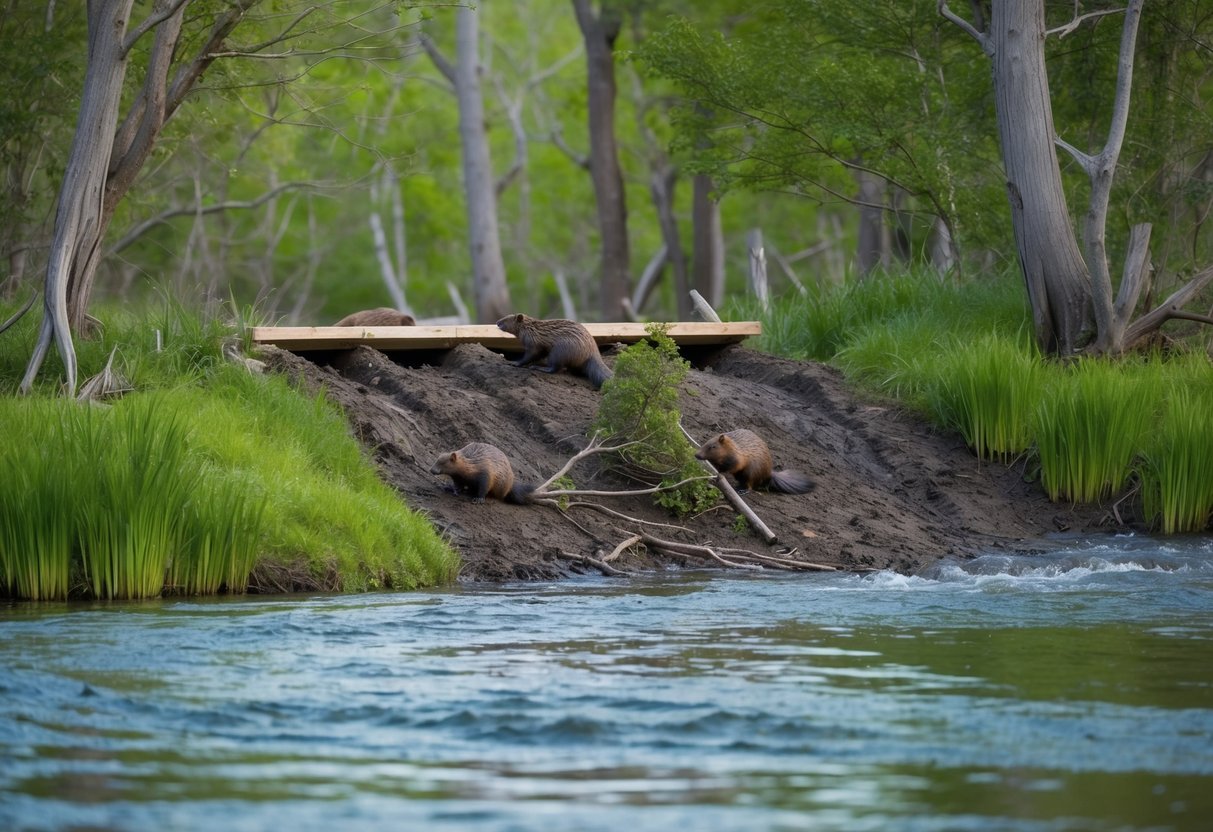
Beavers play a critical role in shaping their environments. Their unique biology and behaviors significantly influence ecosystems, particularly wetlands. Understanding these aspects helps you see their importance and how they affect other species.
Keystone Species and Ecosystem Engineers
Beavers are known as keystone species because their activities have a major impact on their habitats. As ecosystem engineers, they build dams that create ponds. These ponds help to slow down water, allowing it to seep into the ground. This process replenishes groundwater and helps maintain the health of nearby streams and rivers.
Their dam-building behavior benefits many other species. Fish, amphibians, and waterfowl find ideal habitats in these wetlands. The increased biodiversity attracts various plants and animals, enhancing the overall ecosystem. Without beavers, these habitats could dry up, leading to loss of wildlife.
Beaver Habitats and Wetland Ecosystems
Beavers thrive in various wetland ecosystems, such as marshes, swamps, and flooded forests. These environments provide essential resources, including food and shelter. Beavers primarily eat the bark and leaves of trees, along with aquatic plants.
When they build their dams, beavers create a unique habitat. Wetlands filter water, improve water quality, and provide a home for numerous species. The standing water also supports plant growth, which further enriches the ecosystem.
Moreover, these ecosystems act as natural buffers against flooding. Healthy wetlands help protect areas from heavy rain by soaking up excess water.
Threats to Beaver Populations

Beavers face a number of significant threats that impact their survival. Two key areas of concern are habitat loss and climate change, as well as the historical fur trade that nearly led to their extinction. Understanding these threats can help in the conservation efforts aimed at protecting beaver populations.
Habitat Loss and Climate Change
Beavers thrive in freshwater environments, but their habitats are increasingly facing challenges.
Habitat loss occurs due to urban development, agriculture, and deforestation, which remove the wetlands they need.
Wetlands are crucial for beavers as they provide food and shelter. When these areas disappear, so do the beavers.
Climate change also affects water levels and quality, which can further threaten beaver habitats. Changes in climate patterns may lead to drier conditions, making it harder for beavers to build and maintain their lodges.
These factors combined pose a serious threat to current beaver populations.
Historical Fur Trade and Near-Extinction
In the past, excessive trapping for fur trade almost wiped out beaver populations. During the fur boom, beavers were hunted extensively for their pelts, which were highly valued in fashion.
Near the early 20th century, beavers were nearly gone from many regions due to heavy hunting.
Recent conservation efforts have led to a comeback in some areas. Laws now protect beavers, allowing their populations to slowly recover.
Understanding this history helps emphasize the importance of ongoing conservation efforts to ensure beavers remain part of our ecosystems.
Conservation and Reintroduction Efforts

Efforts to conserve and reintroduce beavers are essential for their survival and the health of our ecosystems. Various projects across the globe aim to restore beaver populations and highlight their importance in nature.
Reintroduction Projects Across the Globe
In several regions, reintroduction projects are making significant strides.
In Scotland, the Eurasian Beaver is being reintroduced to restore wetlands. This project has shown promising results in creating habitats for various species.
Germany has also embraced beaver reintroduction. Here, beavers are helping to manage water levels and reduce flooding by building dams.
In Norway, efforts focus on balancing the needs of agriculture and beaver habitats. Farmers are encouraged to work with conservationists to find solutions that benefit both.
These projects emphasize cooperation among communities and conservationists, which is vital for success.
Impact on Biodiversity and Ecosystem Recovery
Beavers play a crucial role in enhancing biodiversity and promoting ecosystem recovery.
By constructing dams, they create ponds that serve as habitats for many species.
Their activities improve water quality by filtering pollutants and reducing erosion. This helps to promote healthier aquatic ecosystems.
In places like England, restoring beaver populations has led to the revival of plant and animal life. The presence of North American Beavers and their structures supports ecosystems that were once struggling.
Working with local communities ensures that these benefits are understood and appreciated. This teamwork can help create balanced environments where beavers and other species thrive together.
Benefits and Challenges of Coexistence

Living alongside beavers comes with both benefits and challenges that can affect your land, water, and local wildlife. Understanding these factors can help you manage your environment better.
Human and Beaver Interactions
Coexistence with beavers often means finding a balance between your needs and theirs.
You might notice beavers creating dams that can lead to flooding of agricultural land. This can be frustrating when crops are at risk.
However, these dams also provide important ecosystem services. They create wetlands that offer habitat for various wildlife and improve biodiversity. Reducing erosion is another benefit; beaver ponds can trap sediment and improve soil quality.
Effective coexistence strategies include using non-lethal methods to manage beaver populations. This can help reduce conflicts and promote healthier ecosystems. Understanding beaver behavior can also help you develop preventative measures.
Flood Control and Water Quality
Beaver dams play a crucial role in flood control and improving water quality. When beavers create ponds, they store water and release it slowly during dry periods. This helps maintain river flows and reduces the likelihood of flooding during heavy rains.
The presence of beaver dams can also enhance water quality. They filter pollutants and sediments, resulting in cleaner water for local streams and rivers. This benefits not just the ecosystem but also surrounding communities that rely on these water sources.
Managing beaver activity wisely can help you enjoy the benefits of their work without compromising your land. Finding solutions together can lead to a healthier environment for everyone.


