
Beavers play a vital role in their ecosystems. These herbivores have a diverse diet, mainly consisting of various plants found around water bodies.
Beavers’ favorite foods include the inner bark of certain trees, especially aspen and poplar, along with aquatic plants and other woody plants.
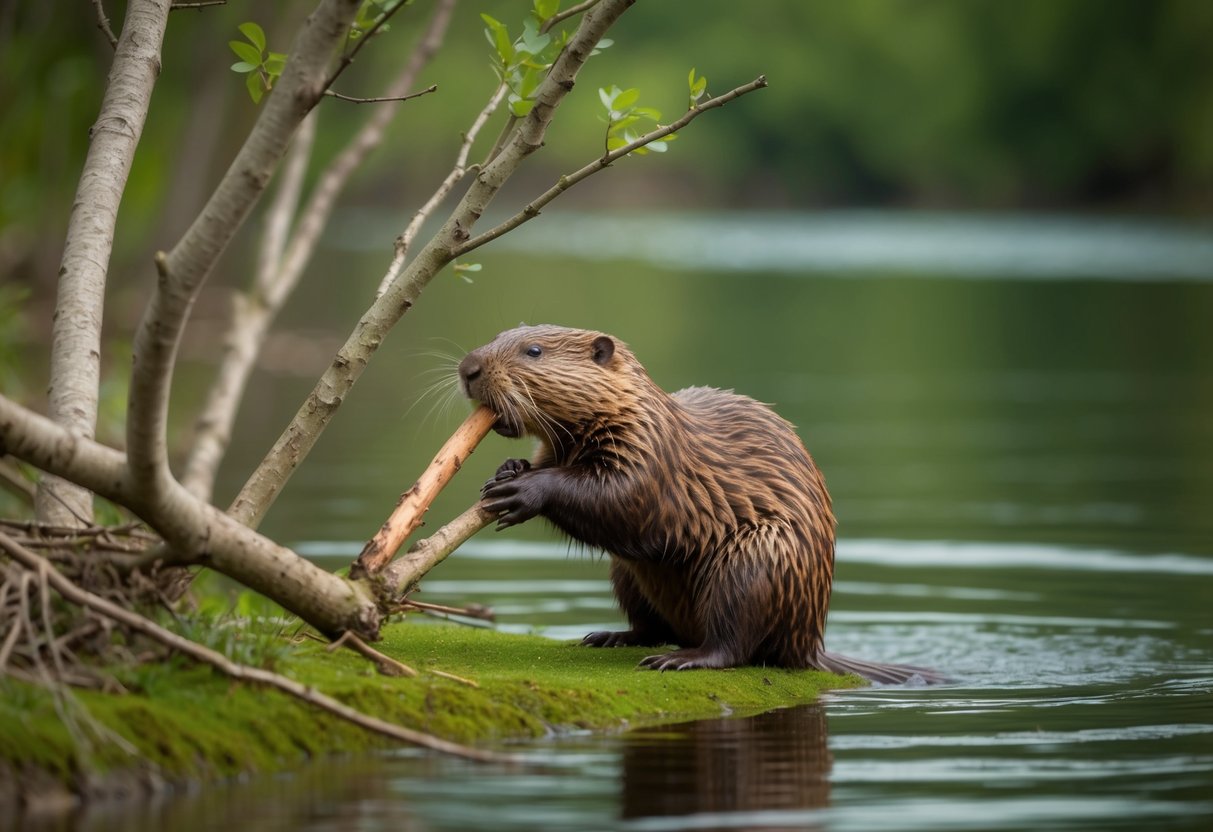
When you think about beavers, you might picture them gnawing on tree trunks, but their menu is much more varied. They enjoy tender leaves and stems of grasses, as well as crops like corn and beans, which can sometimes cause problems for farmers.
Understanding what beavers eat gives you a clearer picture of their habits and how they interact with their environment.
Knowing more about their diet can help you appreciate these animals even more. They not only affect the plant life around them but also create habitats for other wildlife, showing just how important their feeding habits are in nature.
Beavers as Herbivores

Beavers are interesting creatures with a specific diet that mostly includes plants. As herbivores, they rely on various vegetation, including trees, leaves, and aquatic plants.
Understanding Beaver Diet
You should know that beavers primarily eat plant materials. They enjoy a diverse diet, mainly consisting of aquatic plants and the inner bark of trees.
Their meals can include water lilies, cattails, and grasses. While they are not picky eaters, their favorite food sources are certain types of trees, particularly deciduous ones. The cambium layer beneath the bark is especially nutritious, making it a sought-after treat for these industrious animals.
Favorite Woody Plants and Trees
Beavers have some favorite trees that they prefer over others. They are particularly fond of aspen, willow, birch, and cottonwood. These trees not only provide food but also materials for building their dams.
When you see a felled tree, it’s often these species that beavers have chosen. They strip the bark and consume the inner parts, enjoying the tender twigs and leaves as well. This selective eating helps them gather energy for their busy lives.
Beavers and Deciduous Trees
Deciduous trees play a vital role in a beaver’s diet. This category includes species like maple, oak, and cherry. These trees shed their leaves in autumn, making them a valuable food source for beavers.
You’ll find that beavers often target the more tender parts of these trees, focusing on their branches and twigs. The bark of these trees is not just food; it also helps beavers maintain a balanced diet essential for their health and energy.
Key Elements in Beavers’ Diet

Beavers have varied diets that change with the seasons. Understanding what they eat during different times of the year helps you appreciate their role in the ecosystem. They forage for a mix of aquatic plants, tree bark, and various fruits.
Summer Versus Winter Diets
In summer, beavers enjoy a rich variety of food. Aquatic plants play a big part in their meals. You’ll find them munching on water lilies, cattails, and other greens. They also like tender leaves and shrubs, which are abundant during the warmer months. Fruits such as apples and berries can be occasional treats.
As temperatures drop, their diet shifts. Beavers rely more on woody plants and the inner bark of trees. Softwood trees like aspen and willow become essentials.
The winter diet is crucial for their survival as it provides necessary nutrients to last through the colder months.
Foraging for Food
Beavers are skilled foragers. They often use their strong teeth to strip bark from trees and shrubs. This bark is packed with nutrients that keep them healthy.
You might see them working hard to collect branches and twigs to build their lodges. They also store food underwater for leaner times. These food caches include roots, fruits, and even some aquatic vegetation.
This method ensures they have enough nutrition during winter when fresh food is scarce.
Beaver Habitats and Foraging Behavior
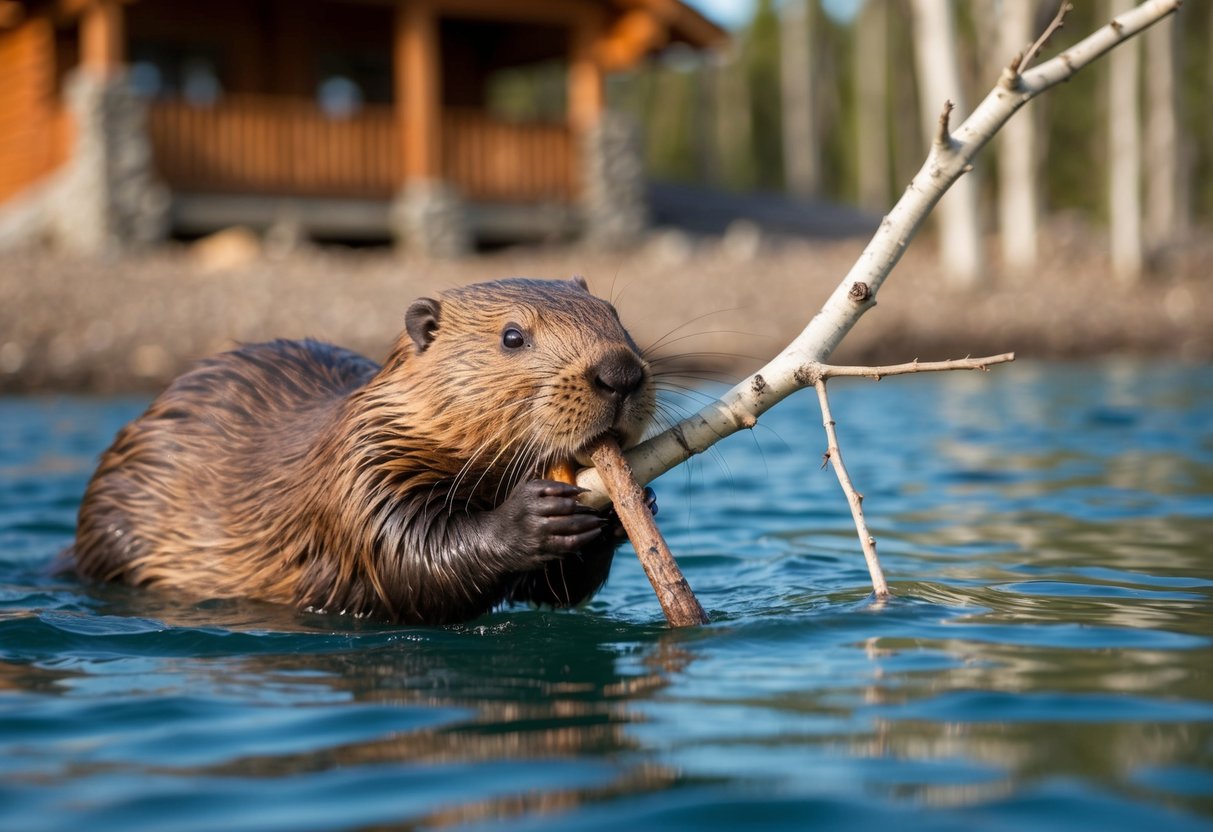
Beavers are skilled foragers that adapt their eating habits based on their environment. Their habitats play a crucial role in the foods they choose and how they gather them.
Adaptations for Foraging
Beavers have unique adaptations that help them forage effectively. Their strong incisors can easily cut through tough wood and bark. This allows them to consume various trees, including poplar and willow, which are their favorites.
They also have a remarkable sense of smell and taste. This helps them find the best plants.
Foraging is not just about eating; it’s also about preparing for winter. Beavers often gather and store branches underwater near their lodges. This ensures they have food available when it is scarce.
Their behavior includes chewing through twigs and vines. They can even eat pondweed and watercress found near their homes. This varied diet helps them stay healthy and strong.
Habitat Influence on Diet
The habitat greatly affects what beavers eat. They thrive in areas with plenty of water, wood, and vegetation. Beavers prefer locations near rivers or ponds, where they can build dams and create lagoons.
These habitats provide essential resources for foraging. In the summer, beavers enjoy a diverse menu. They take advantage of fresh leaves and soft bark. During winter, their stored food is critical, making their foraging habits all the more important.
Different environments can lead to different diets. For example, beavers in wetter areas might find more aquatic plants than those in drier regions. The adaptability of beavers helps them survive and thrive in various habitats.


