
If you’ve ever wondered about the diets of beavers and whether they can safely munch on carrots, you’re not alone. Beavers are known for their unique eating habits, primarily focusing on tree bark and aquatic plants.
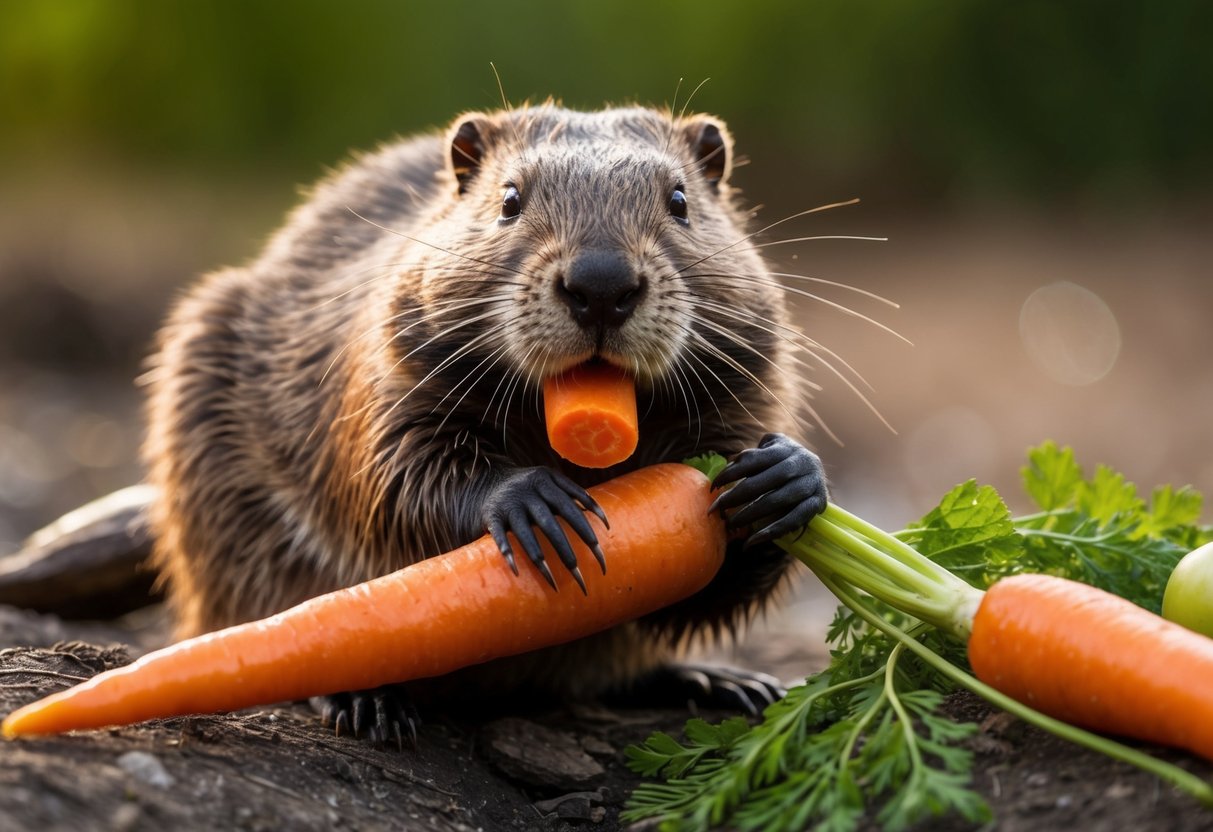
Yes, beavers can eat carrots, and these vegetables can be a tasty treat in their diet. Carrots provide some nutritional value, making them a fun addition to what these industrious animals enjoy.
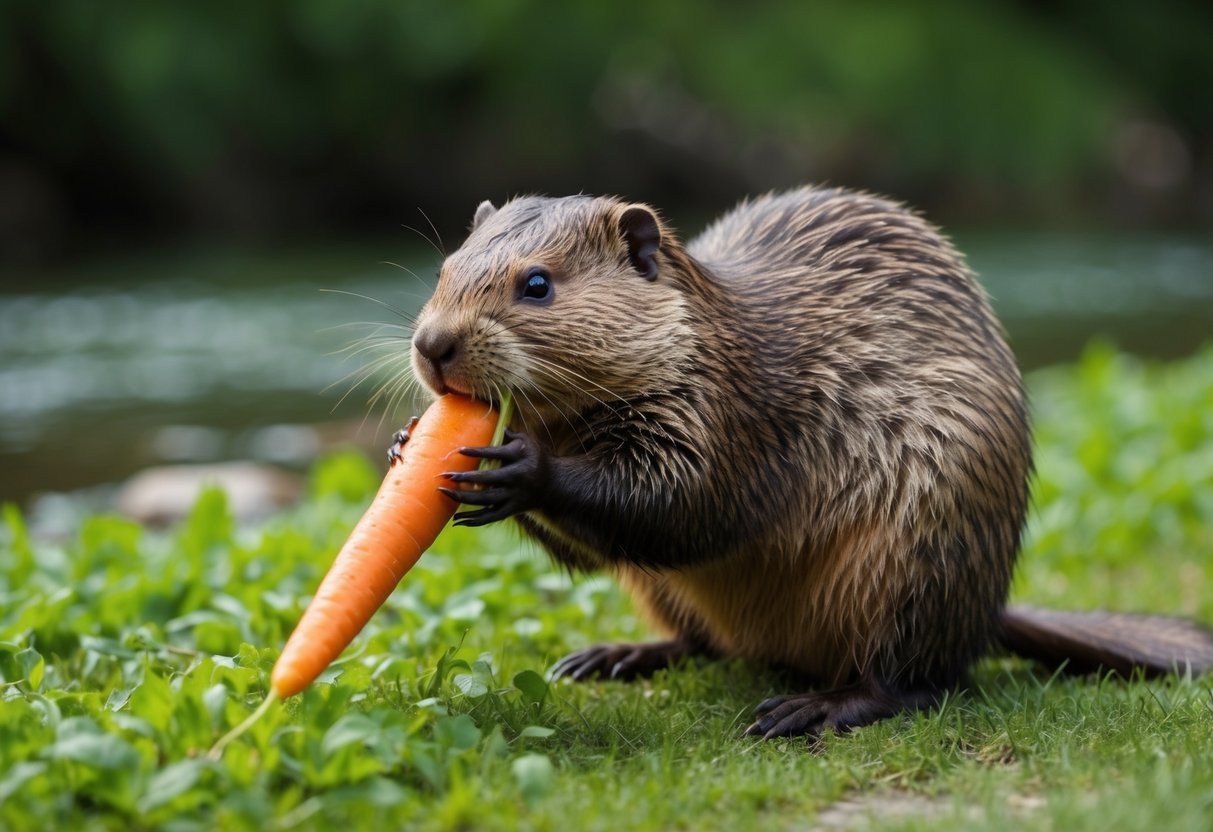
Beavers are herbivores and thrive on a variety of plant-based foods. Alongside carrots, they enjoy other vegetables like yams and lettuce.
Including these nutritious options can help supplement their mainly woody diet. While carrots are not a staple for beavers, they can be a great snack when available.
Thinking about how to care for beavers? Understanding their dietary needs can help you provide a balanced menu that keeps them happy and healthy. So, if you have access to carrots, feel free to share them as a treat for these fascinating creatures!
Understanding Beaver Diets
Beavers have a unique diet that consists mostly of plant materials. They are herbivores and primarily consume various types of vegetation. Knowing the components of their diet helps you understand how they thrive in their environments.
Natural Foods in Beaver Diets
Beavers mainly eat woody plants and aquatic vegetation. Their diet includes trees like willow, aspen, cottonwood, birch, and alder. They enjoy munching on the inner bark of these trees, which is rich in nutrients.
In addition to trees, beavers consume herbaceous plants and fresh vegetation. This includes water lilies and other aquatic plants, especially during the warmer months.
Their adaptable eating habits allow them to thrive in different habitats, which contributes to their survival.
The Role of Vegetation and Trees
Vegetation plays a vital role in the beaver’s diet. They tend to focus on soft vegetation, such as the leaves and twigs of certain trees. Deciduous trees are particularly favored because they provide more nutrients compared to evergreens.
Beavers also use their strong teeth to strip the bark from trees. This not only provides food but also helps them build their dams. The nutritional value of the food they gather helps support their health, especially during winter when food is scarce.
Do Beavers Have a Sweet Tooth?
While beavers are primarily known for their love of woody plants, they do enjoy fruits and sweet options as well. They often eat apples and may occasionally nibble on other sweet fruits when they can find them.
Carrots are not a staple in their diet, but beavers in captivity will munch on them. This means that while they may not seek out carrots in the wild, they will happily eat them if offered. This flexibility shows that beavers are opportunistic feeders that adapt to available food sources.
Beaver Eating Habits Beyond Trees

Beavers have diverse diets that go beyond just trees. They enjoy various fruits and vegetables, making their eating habits quite interesting. Understanding what else they like to eat helps appreciate their adaptability.
Beavers and Fruits
Beavers can eat fruits such as apples. These are not a major part of their wild diet, but they enjoy them when available. Apples provide hydration and nutrition, making them a nice treat.
Beavers have also been known to nibble on grapes. While fruits are sometimes overlooked, they can be an important part of a beaver’s diet during specific seasons when other food sources are scarce.
Other Vegetables in the Beaver Diet
In addition to fruits, beavers like a variety of vegetables. Common choices include carrots, yams, and lettuce.
While they might not always search for these foods actively, they will eat them when found. Some beavers enjoy clover and giant ragweed as well. They also consume roots and tubers. This variety ensures beavers get essential nutrients, keeping them healthy and energetic throughout the year.
Adaptations in Captivity
When beavers are in captivity, their diets can change based on availability. In zoos or animal sanctuaries, beavers eat specially designed rodent chow, which offers balanced nutrition.
They also enjoy fresh vegetables like broccoli, corn, and squash. Keeper-provided treats, such as carrots and yams, can help mimic their natural foraging behavior.
This flexibility in their diet showcases how adaptable beavers can be in different environments, ensuring their health and well-being.
Beavers and Their Role in Ecosystems
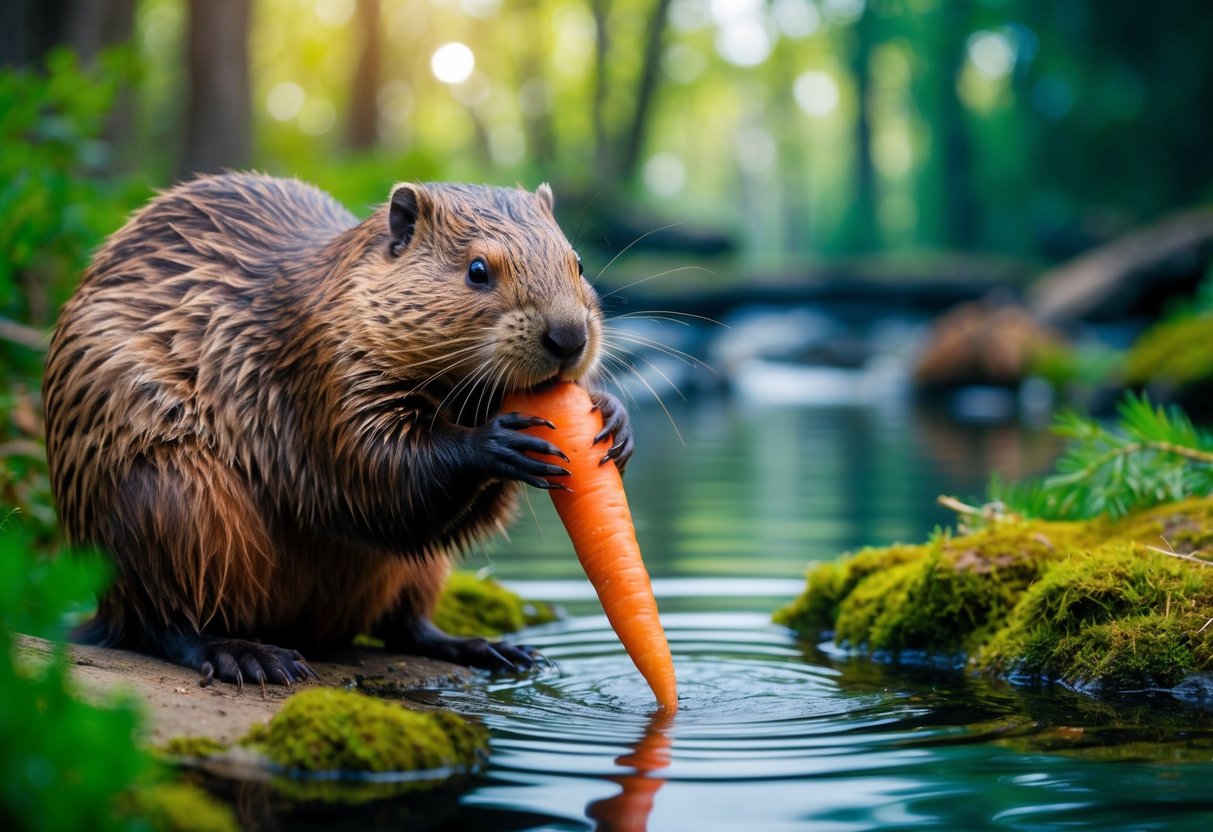
Beavers play a vital part in shaping healthy ecosystems. Their activities, from building dams to creating ponds, impact not just their own species but also a wide array of wildlife and the environment around them.
Beaver Lodges and Dams
American beavers, or Castor canadensis, are renowned for their remarkable ability to build dams. These structures are made from fallen trees, branches, and mud, creating ponds that serve multiple purposes. The ponds help regulate water levels, prevent flooding, and create wetlands.
Inside these ponds, beavers construct lodges using sticks and mud. These lodges are home to their families and offer protection from predators.
You might find them gnawing on trees to gather materials for their lodges while also feeding at the same time. Their behavior promotes a diverse habitat for other species to thrive.
The Impact on Surrounding Wildlife
By creating ponds and wetlands, beavers significantly enhance their environment. These areas provide critical habitats for various plants, birds, fish, and other mammals. The increased water availability supports both native flora and fauna.
Many animals rely on these wetlands for survival. For example, fish benefit from calmer water, and birds may find nesting sites in the lush vegetation that thrives in wet conditions. The activities of beavers help maintain biodiversity and promote a robust ecosystem.
Beavers as Environmental Engineers
Beavers are often called “ecosystem engineers” for good reason. Their actions can transform landscapes and significantly affect local hydrology.
Through their dam-building behavior, they slow down water flow and create ponds that recharge groundwater.
These changes can lead to healthier wetlands, which are essential for filtering pollutants. Beavers also promote the growth of the cambium layer in trees, a food source for themselves and other wildlife.
Their foraging habits play roles in nutrient cycling, contributing positively to the ecosystems they inhabit.
By maintaining their environment, beavers ensure various species can thrive alongside them. Their presence is crucial for sustaining healthy ecosystems and creating a balance in nature.


