
Beavers play a crucial role in their ecosystems. As the largest rodents in North America, they are known for their remarkable ability to construct dams and create ponds. These semi-aquatic animals have a unique lifestyle that blends both land and water. Adult beavers can weigh between 35 to 77 pounds and measure up to 4.3 feet long, including their tail.
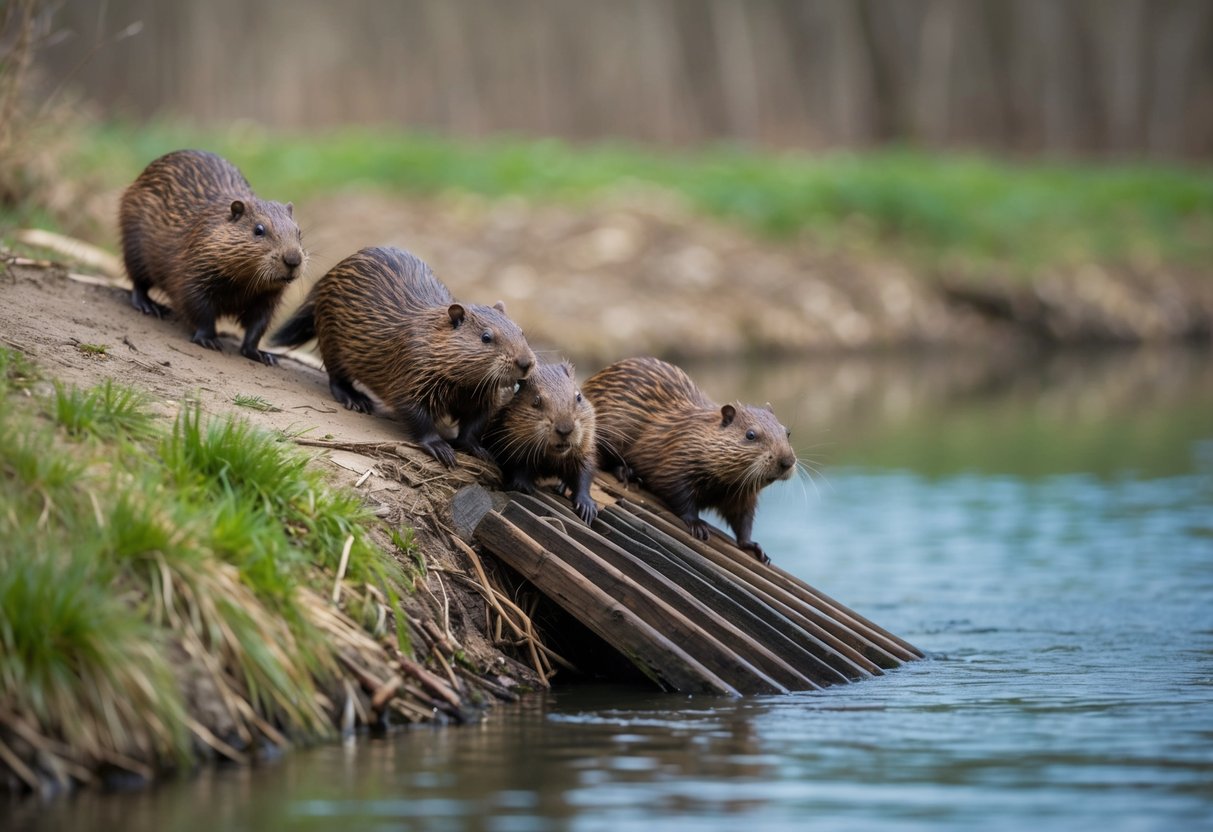
When you spot a beaver, you might be surprised at their size. Their strong bodies are perfectly designed for swimming and building with wood. Understanding how big beavers get can help you appreciate these amazing builders and their impact on the environment.
Whether you’re curious about their growth or how they compare to other animals, you’ll find that beavers are much more interesting than they seem at first glance. Get ready to dive deeper into the world of these remarkable rodents!
Beaver Basics

Beavers are fascinating creatures known for their unique traits and adaptations. They belong to the rodent family and play a significant role in their ecosystems.
Species and Distribution
There are two primary species of beavers: the American beaver (Castor canadensis) and the Eurasian beaver (Castor fiber).
- American Beaver: Found mainly in North America, this species is the more common one. They thrive in various habitats, including rivers, lakes, and wetlands.
- Eurasian Beaver: This species is native to Europe and parts of Asia. Historically, they faced near extinction due to fur trading but are now making a comeback.
You might find beavers living in family groups known as colonies. These colonies can range from 1 to 10 individuals, typically including a breeding pair, their young, and yearlings.
Physical Characteristics
Beavers are impressive animals, known as the largest rodents in North America and Europe.
- Size: Adult American beavers can grow between 25 to 39 inches long and weigh from 24 to 71 pounds. In some cases, individuals have been recorded at weights up to 110 pounds.
- Appearance: They have thick, waterproof fur that helps keep them warm in cold waters and scaly tails used for balance and signaling.
Their distinct orange-colored teeth are strong, allowing them to cut through tree trunks and branches. This adaptation is crucial for building dams and lodges, which provide a safe environment for their families.
Beaver Habitats and Lodges
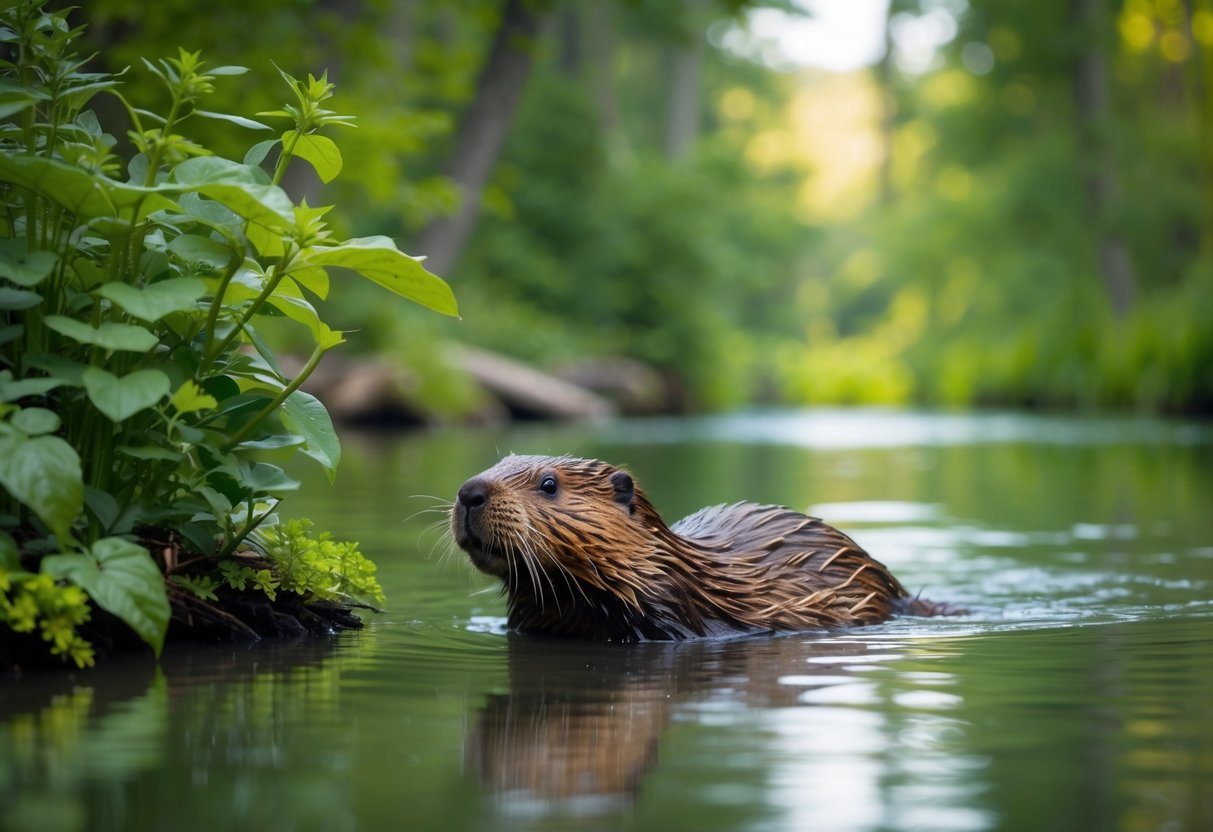
Beavers thrive in specific environments that support their lifestyle and survival. Understanding how they choose their habitats and build lodges can give you insight into their fascinating lives.
Choosing a Location
Beavers prefer freshwater habitats like rivers, lakes, ponds, and wetlands. These areas provide the resources they need, such as food and building materials. The ideal habitat includes slow-moving water, wooded valleys, and a gradient of 1-2%.
When selecting a site, beavers look for locations where they can create a pond. This damp environment helps deter predators and provides a safe haven for raising their young. They also examine the availability of nearby trees and plants, which are essential for both their diet and construction needs.
Construction and Maintenance
Beavers are known for their impressive construction skills. They build lodges using sticks, logs, mud, and rocks. A typical beaver lodge can reach about 10 feet in diameter and 6 feet tall, creating a cozy home in the water.
Beavers often construct dams to raise water levels around their lodges. These dams trap water and help maintain a steady habitat. A well-maintained lodge will have underwater entrances, which keep them safe from predators.
Regular maintenance is key. Beavers will often repair their lodges and dams, ensuring they remain secure and functional. This constant building and fixing play a critical role in shaping their environment and supporting local ecosystems.
Diet and Foraging Behavior

Beavers have a distinct diet and unique foraging habits that play a key role in their survival. By focusing on specific types of vegetation, they provide a fascinating insight into their lifestyle.
Feeding Habits
As herbivores, beavers’ diet consists mainly of tree bark, leaves, and twigs. They often favor softwood trees like willow and aspen, which are easier to gnaw on. During summer, they feast on fresh leaves and tender vegetation found near water, while in winter, they rely heavily on bark from trees that they’ve stored.
Beavers can consume a large amount of food daily. An adult beaver might eat up to 15% of its body weight in vegetation. This means they might find themselves cutting down around 200 to 300 trees annually! Their strong teeth are perfect for gnawing through tough bark, giving them access to the tasty inner layers.
Effects on the Ecosystem
Beavers’ foraging behavior has a significant impact on the environment. By cutting down trees, they create openings in the forest, allowing sunlight to reach the ground. This promotes the growth of new plants and increases biodiversity in the area.
Additionally, when they build their dams and lodges, they create wetland habitats. These areas are vital for various animal species and help filter water. By storing food underwater, they ensure that their food supply is available, even during harsh winters. Their actions as foragers make them an important player in maintaining healthy ecosystems.
Reproduction and Social Dynamics
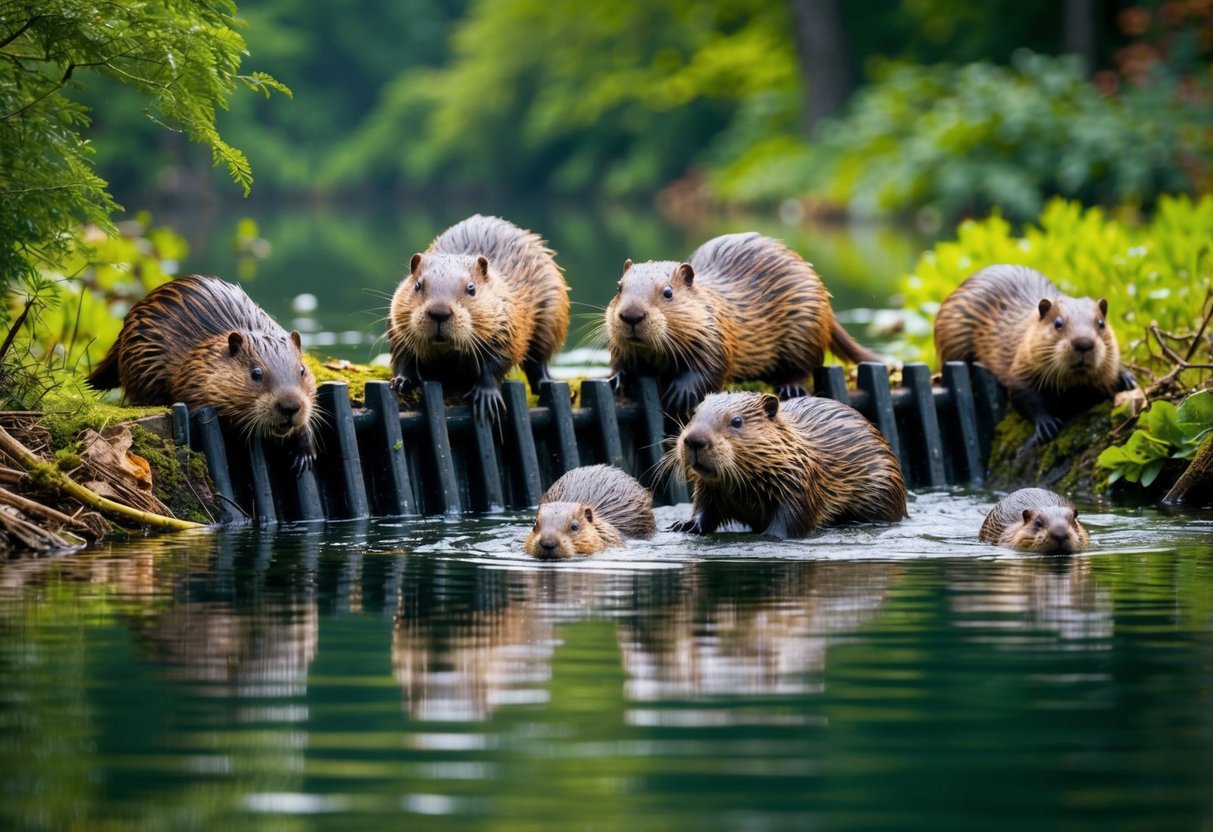
Beavers are fascinating creatures with unique social structures. Their reproduction and group living arrangements play important roles in their survival. Let’s explore how beavers reproduce and how they interact within their family units.
Lifecycle of Beavers
Beavers are monogamous animals, forming lifelong bonds with their mates. They typically have one litter per year, consisting of 2 to 4 kits. The kits are born in the spring, after a gestation period of about 105 days. At birth, they weigh around a pound and are covered in fur.
As they grow, beaver kits start to learn essential skills from their parents. They stay with the family group for about two years, learning how to build dams and find food. During this time, they also develop social skills that help them thrive in their colonies.
The lifespan of a beaver is generally around 10 to 15 years in the wild, although some can live longer in protected environments.
Group Living and Territory
Beavers live in family groups called colonies. A typical colony consists of two adults and their young, which can include siblings from previous litters.
This social structure allows for better protection and resource sharing.
Territory is important for beavers. They establish and defend their areas to ensure enough food and space for their family. The male and female beaver work together to maintain their territory. They use scent marking to communicate boundaries to other beavers.
Living in groups also helps in building and maintaining dams and lodges. By cooperating, beavers can create a stable habitat that benefits all members of the colony.


