
When you join Beavers, you step into a world full of fun activities and adventures. Beavers is a youth organization that encourages kids to explore and learn through hands-on experiences. At Beavers, you will participate in games, crafts, and outdoor adventures, all while making new friends and earning badges for your achievements.

As you dive deeper into the Beaver experience, you’ll discover the importance of teamwork and community. You’ll learn about nature’s engineers, the beavers, who are known for their impressive skills in building dams and creating habitats. These incredible creatures, such as the North American beaver (Castor canadensis), play a vital role in their ecosystems as keystone species, supporting various other wildlife.
Your Beavers experience is not just about fun; it also involves learning about wildlife and the environment. Engaging in discussions about beavers helps you understand adaptations necessary for survival and the role they play in sustaining ecosystems. All of this provides a unique opportunity for growth and discovery, leaving you excited for every meeting you attend.
Physical Characteristics of Beavers

Beavers have unique traits that help them thrive in their habitats. Their physical features play a crucial role in their survival and daily activities, making them fascinating creatures to observe.
Adaptations for Survival
Beavers are specially built for life in water. Their webbed hind feet allow them to swim efficiently. These feet act like paddles, enabling smooth navigation through rivers and ponds.
Their flat tails serve multiple purposes. Primarily, they help with swimming and steering. Additionally, beavers use their tails for balance when standing. They can also slap the water with their tails to signal danger to other beavers.
One key adaptation is their transparent eyelids, which protect their eyes while swimming. This unique feature allows them to see clearly underwater. Their strong incisor teeth are essential for chewing wood and building dams. These teeth grow continuously, ensuring they are always sharp.
Distinguishing Features
Recognizing a beaver is easy due to their specific characteristics. Their bodies are covered with thick fur that keeps them warm and dry in cold water. This fur is highly waterproof, thanks to natural oils that beavers produce.
Beavers have a distinct head shape with prominent incisor teeth that are bright orange. Their front paws are dexterous and help them manipulate objects, like branches and mud, for building structures.
They also have a strong sense of smell, which assists in detecting predators and finding food. Underwater entrances to their lodges allow quick escape from danger. All these features combine to make beavers well-adapted to their environments.
Beaver Habitats and Social Behavior

Beavers create habitats that significantly impact their environment. They build structures like dams and lodges, which play a vital role in their social behavior and community life. Understanding how beavers establish their homes and interact within their colony can provide insights into their fascinating world.
Establishing and Defending Territory
Beavers are territorial animals, and they use dams to create their homes. A dam allows them to form a pond, which offers safety from predators. When beavers establish a territory, they work hard to defend it.
They mark their territory using scent from their anal glands. This scent tells other beavers that the area is occupied. If another group enters, it can lead to aggressive encounters. Inside their territory, beavers build a lodge, a safe space for the family. Lodges are constructed with branches, mud, and leaves, providing shelter and warmth.
Colony Life
Beaver colonies typically consist of a breeding pair and their offspring. These families work together to maintain their lodge and dam. Each member contributes to gathering food and making repairs.
Beavers store food in a food cache near their lodge for winter. They primarily eat bark, leaves, and aquatic plants. This teamwork strengthens their family bond and ensures survival.
Life in a beaver colony is active and cooperative, with members socializing and helping one another. The beaver family is crucial for their success in the wild, making their habitats rich and vibrant.
Beavers’ Roles in the Ecosystem
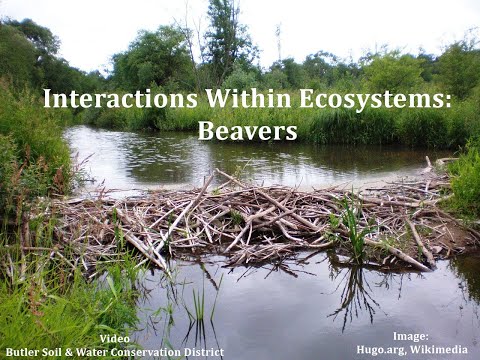
Beavers play a crucial role in shaping their environments. They affect wetlands, wildlife, and the overall health of their ecosystems. Their activities create habitats and provide various benefits to many species.
Impact on Wetlands and Wildlife
Beaver dams create wetlands that support a wide range of plants and animals. These areas are rich in biodiversity, making them crucial for local ecosystems. Through their damming, beavers flood areas, which allows aquatic plants to thrive.
These flooded regions become home to various wildlife, including fish, amphibians, and birds. The increase in aquatic vegetation also provides food and shelter for many species. In times of drought, beavers’ ponds help retain water, creating a vital resource in challenging conditions.
Natural Contributions to the Environment
Beavers are known as ecosystem engineers. They shape their habitats by building dams with sticks, mud, and stones. These structures regulate water flow, enhance water quality, and help control erosion.
In addition to creating wetlands, beavers promote diverse habitats. Their underwater entrances protect them from predators while attracting other species. The beaver colony fosters a natural balance, which benefits the entire ecosystem.
Diet and Foraging Behaviors of Beavers

Beavers have specific diets and unique foraging behaviors that allow them to thrive in their environments. Understanding what they eat and how they gather their food can enhance your knowledge of these fascinating creatures.
Preferred Food Sources
Beavers are strict herbivores, meaning they only eat plant-based food. Their diet primarily consists of leaves, bark, and twigs. They particularly enjoy the tender cambium layer found under the bark of deciduous trees like aspen, birch, and willow.
In the summer, beavers consume many leaves and tender plant materials. During the colder months, their diet shifts more toward bark, which provides essential nutrients.
To keep a steady food supply, beavers also gather building materials while foraging. They often maintain their food caches by collecting branches and logs to store underwater, ensuring they have access even in winter.
Foraging Techniques and Storage
Beavers use their strong teeth to fell trees and strip bark. Their impressive ability to cut through tough wood is well-known. Typically, beavers work at night. They venture out to forage for food.
When they gather food, they create caches by piling branches and logs underwater near their lodges. This method helps protect their food from other animals and keeps it fresh until needed.
The submerged food is accessible even when the water freezes. This reflects their cleverness in meal preparation. This storage technique is essential for their survival during harsh winter months when foraging is tough.


