
Beavers are known for their impressive ability to gnaw through tough wood, but have you ever wondered about the strength of their teeth compared to yours? Beaver teeth are indeed stronger than human teeth, thanks to their unique structure enriched with iron compounds. This strength allows them to fell trees and chew through hard materials without harming their chompers.

Your teeth, while important for eating and speaking, don’t have the same durability as a beaver’s incisors. Beavers have fewer teeth, but their specialized enamel makes them extremely resistant to wear and tear.
This difference highlights how nature equips these furry creatures for their specific lifestyle.
Discovering more about beaver teeth can give you a new appreciation for these industrious animals. Let’s dive deeper into what makes their teeth so powerful and how they compare to our own!
The Anatomy of Beaver Teeth
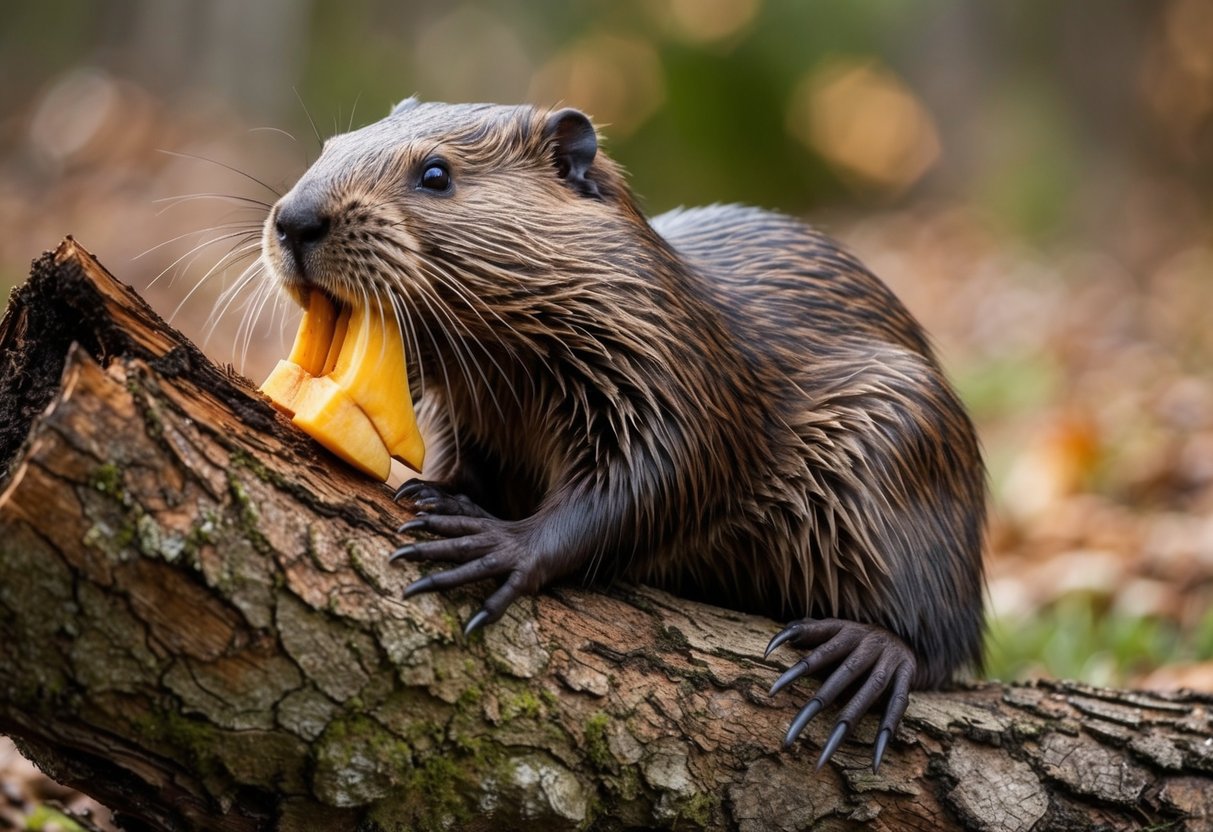
Beaver teeth have fascinating features that set them apart from human teeth. Their structure and unique materials contribute to their strength and durability, which are essential for their lifestyle.
Unique Properties of Beaver Tooth Enamel
The enamel on beaver teeth is unlike that of humans. It contains a high level of iron, which gives their teeth a distinctive orange color. This iron-rich enamel makes their teeth incredibly hard and resistant to wear.
The thickness of their enamel provides additional strength. This helps beavers gnaw through tough wood and bark easily.
In fact, they can fell trees, making their teeth essential tools for survival. The layers within the enamel also contribute to its durability against mechanical stress.
Comparative Structure of Incisor Teeth
Beavers have four front incisor teeth, which are their primary tools for gnawing. These incisors are large and continuously grow throughout their lives.
The unique structure allows beavers to keep their teeth sharp as they chew on hard materials.
In comparison to human teeth, beaver incisors are more robust due to their layered composition. This gives them the ability to handle the intense pressure from biting into wood. The sharp edge helps in efficiently cutting through tough materials that other rodents may struggle with.
The Durability and Strength of Teeth
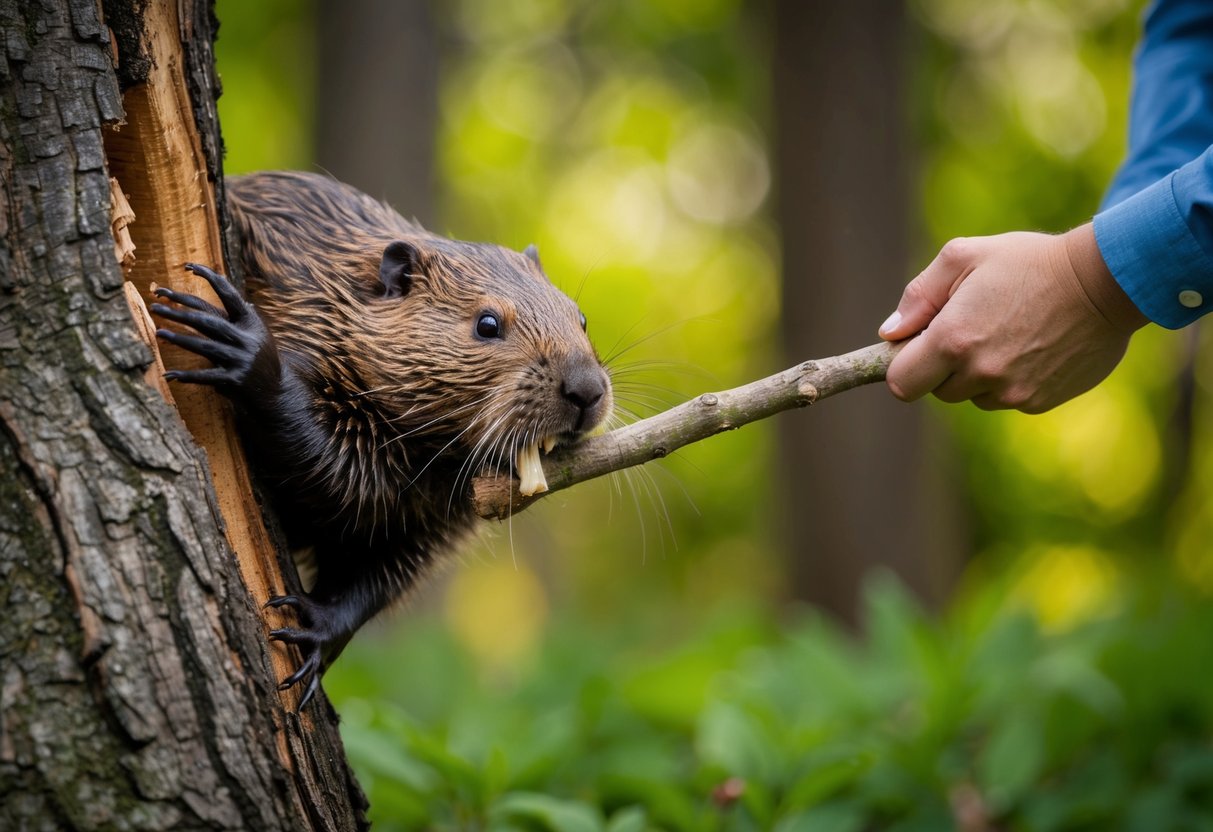
Teeth play a vital role in how you eat and interact with your environment. Understanding the differences in strength and durability between beaver and human teeth can give you insight into their unique features.
Analysis of Strength in Beaver Teeth
Beaver teeth are designed for heavy-duty chewing. Their incisors have a tough outer layer made of enamel that contains iron compounds. This gives them a distinct orange color and enhances their strength.
-
Strength and Resilience: Beaver teeth can withstand a lot of mechanical stress. They can gnaw through tough wood and even fell trees in minutes.
-
Durability: Unlike human teeth, beaver teeth continuously grow. This growth ensures they always have sharp edges for gnawing. The iron content in their enamel also helps resist decay, keeping their teeth strong longer.
Human Teeth Resilience and Composition
Human teeth are built differently. They consist of several layers, including enamel, dentin, and pulp.
-
Enamel: This outer layer is the hardest part of your teeth but is more susceptible to wear and damage compared to beaver teeth.
-
Dentin and Pulp: Dentin provides some strength but is softer than enamel. Pulp contains nerves and blood vessels but does not contribute to strength.
Human teeth can suffer from tooth decay and damage due to wear or accidents. It’s important to maintain oral hygiene to protect them from these issues. This helps keep your teeth strong and resilient for daily activities.
Self-Sharpening Mechanisms and Dietary Implications
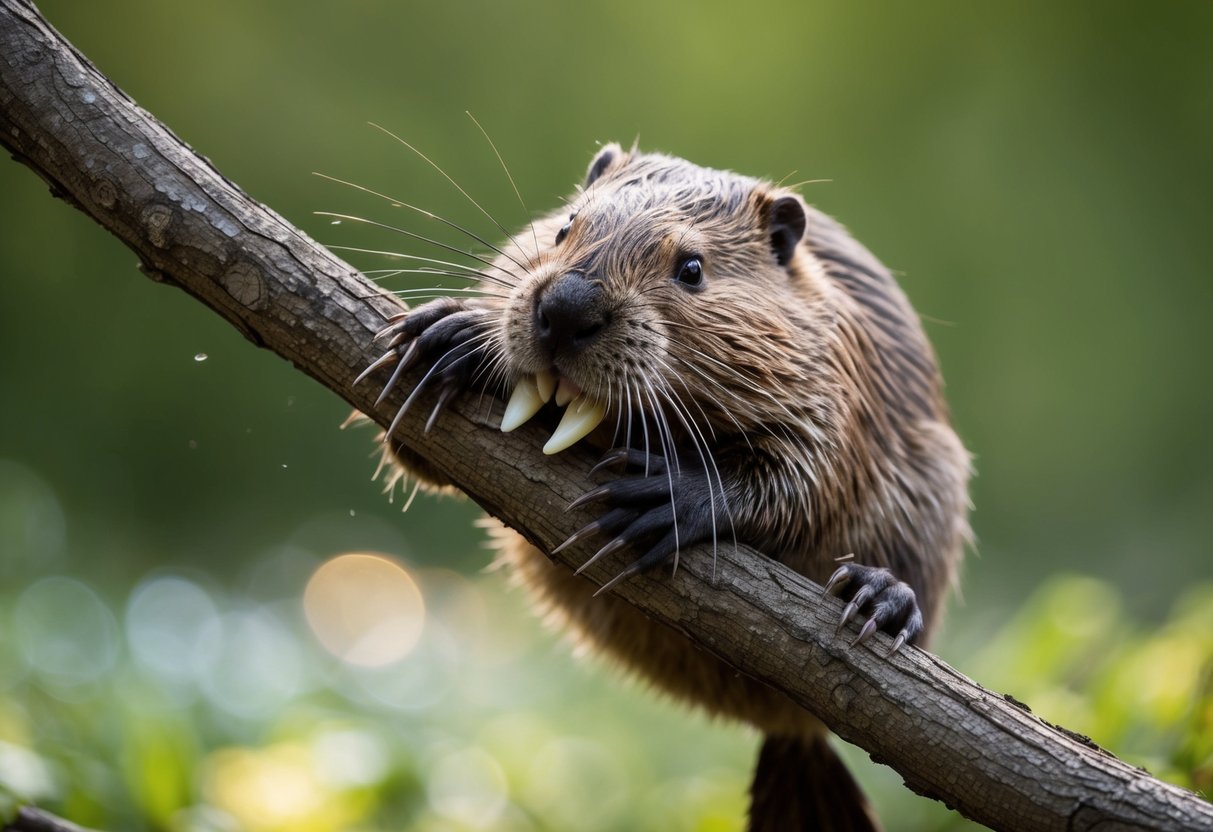
Beavers have unique teeth that play a crucial role in their ability to thrive in their environment. Their self-sharpening mechanisms and specific diet offer fascinating insights into how beaver teeth maintain their strength and effectiveness.
Role of Gnawing on Wood in Tooth Maintenance
Beavers gnaw on wood regularly, which is essential for keeping their teeth sharp. Their incisors grow continuously, about 0.75 to 1.06 mm a day.
When they chew on tough materials like tree bark and wood, the outer enamel wears evenly, while the softer dentin beneath erodes faster.
This wear creates a sharp, chiseled edge that is perfect for cutting through tough plant material.
You can see how this self-sharpening ability sets them apart from human teeth, which do not have the same continuous growth or sharpening process. The ability to maintain sharpness is vital for their survival, allowing beavers to fell trees and access their food sources.
Consequences of Diet on Beaver and Human Teeth
The diet of beavers mainly consists of woody plants and tree bark. This fibrous food requires strong, sharp teeth to process effectively.
In comparison, humans eat a varied diet that includes soft foods. This diet leads to different wear patterns on human teeth.
Due to the differences in diet, human teeth require dental care to prevent cavities and decay. On the other hand, beavers naturally maintain their teeth through gnawing. Their diet not only defines their self-sharpening mechanism but also influences the overall health and longevity of their teeth.
Historical and Biological Insights
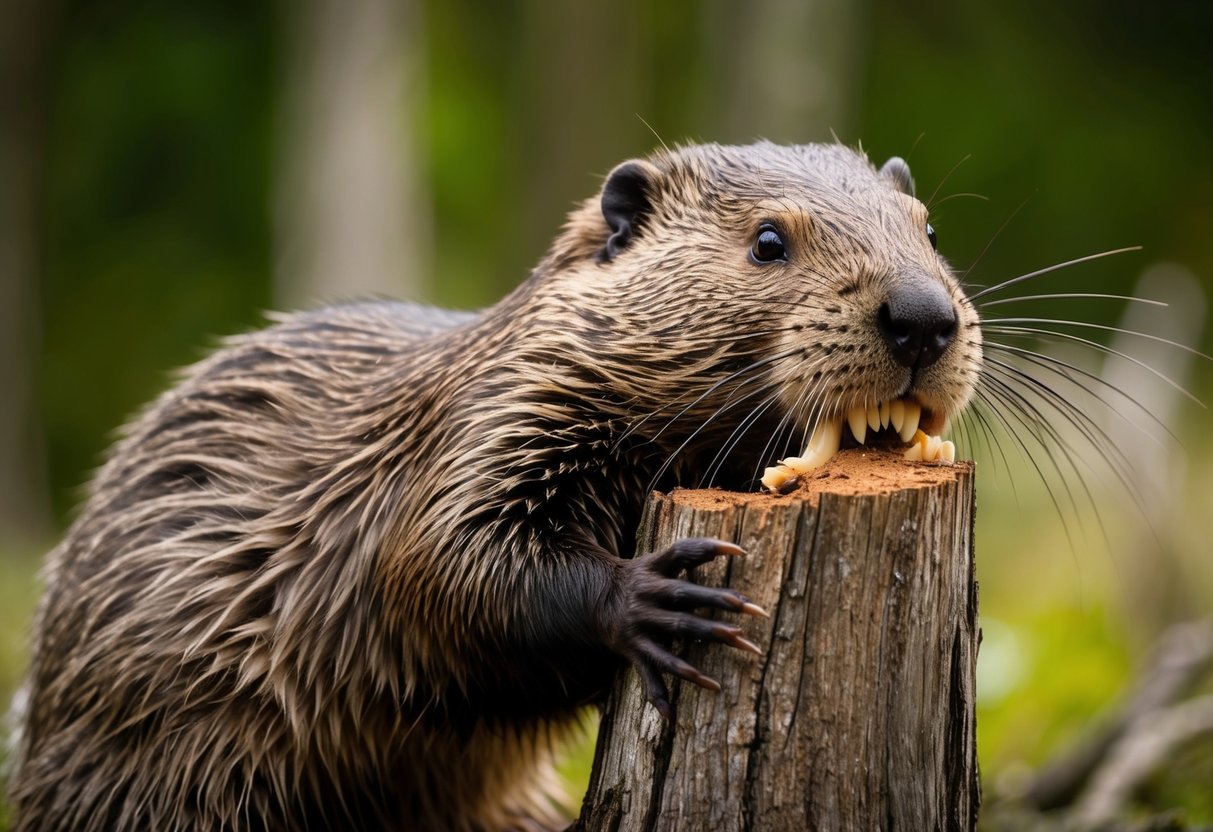
Understanding beaver teeth goes beyond their strength. You’ll find that their development tells a fascinating story about evolution, and even prehistoric creatures like the giant beaver provide insights into their unique biology.
Evolutionary Perspective on Beaver Teeth
Beavers have developed strong teeth over millions of years. Their teeth are specially designed for gnawing wood. The iron-enriched enamel makes beaver teeth incredibly durable.
This adaptation is crucial for their survival. By constantly chewing on tough materials, they maintain their tooth structure.
Unlike human teeth, which are more suited for a varied diet, beaver teeth are specialized tools for their environment.
Their continuous growth helps replace any wear from their hard diet. This ability keeps their teeth strong throughout their lives. These evolutionary traits demonstrate how beavers have adapted perfectly to their role in ecosystems.
The Prehistoric Giant Beaver – Castoroides
Castoroides, the giant beaver, lived during the Ice Age and was much larger than today’s beavers. These creatures had robust teeth designed for similar tasks.
Fossil evidence shows they could weigh over 200 pounds. Their teeth were likely just as strong, allowing them to tackle massive trees and other obstacles.
The giant beaver’s size suggests that powerful teeth were essential for their survival. They played a significant role in their ecosystem, influencing vegetation and landscape.
Studying Castoroides provides a glimpse into the past. It helps you appreciate how beaver teeth have evolved while remaining strong and effective tools for survival.


