
When you think about wildlife, beavers might not come to mind as aggressive animals. However, most encounters with these creatures are safe, as they usually prefer to avoid humans. They often patrol their territory or create loud noises with their tails to warn off intruders.
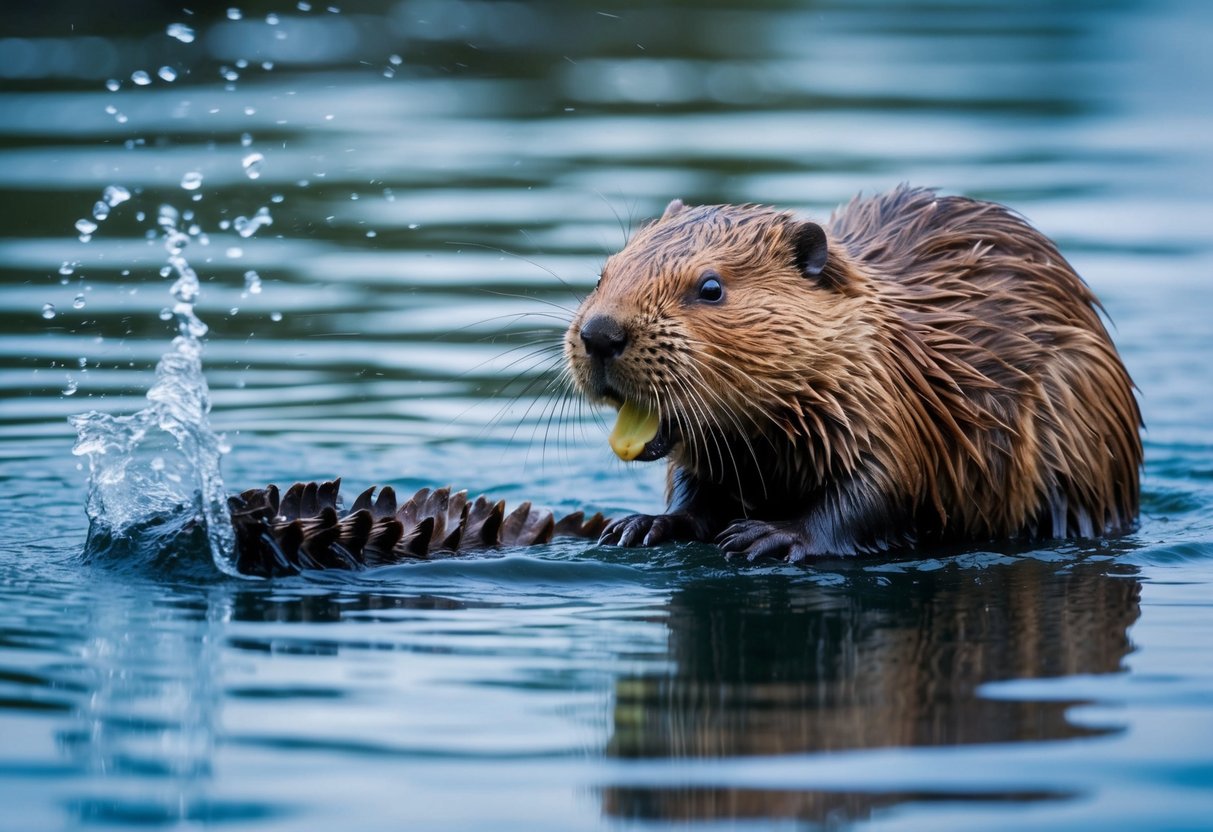
However, there can be rare cases where beavers show aggression, especially if they feel cornered. They are protective of their homes and families, and some situations, like interacting with dogs, can lead to conflict. Understanding how beavers behave in the wild can help you appreciate these fascinating creatures while also keeping your distance when necessary.
You may wonder how to ensure a safe experience around these animals. Learning about when beavers might become aggressive will help you enjoy nature without worry. As you explore this topic, you’ll gain valuable insights into their behavior and how to coexist peacefully with these remarkable wild animals.
Understanding Beaver Behavior
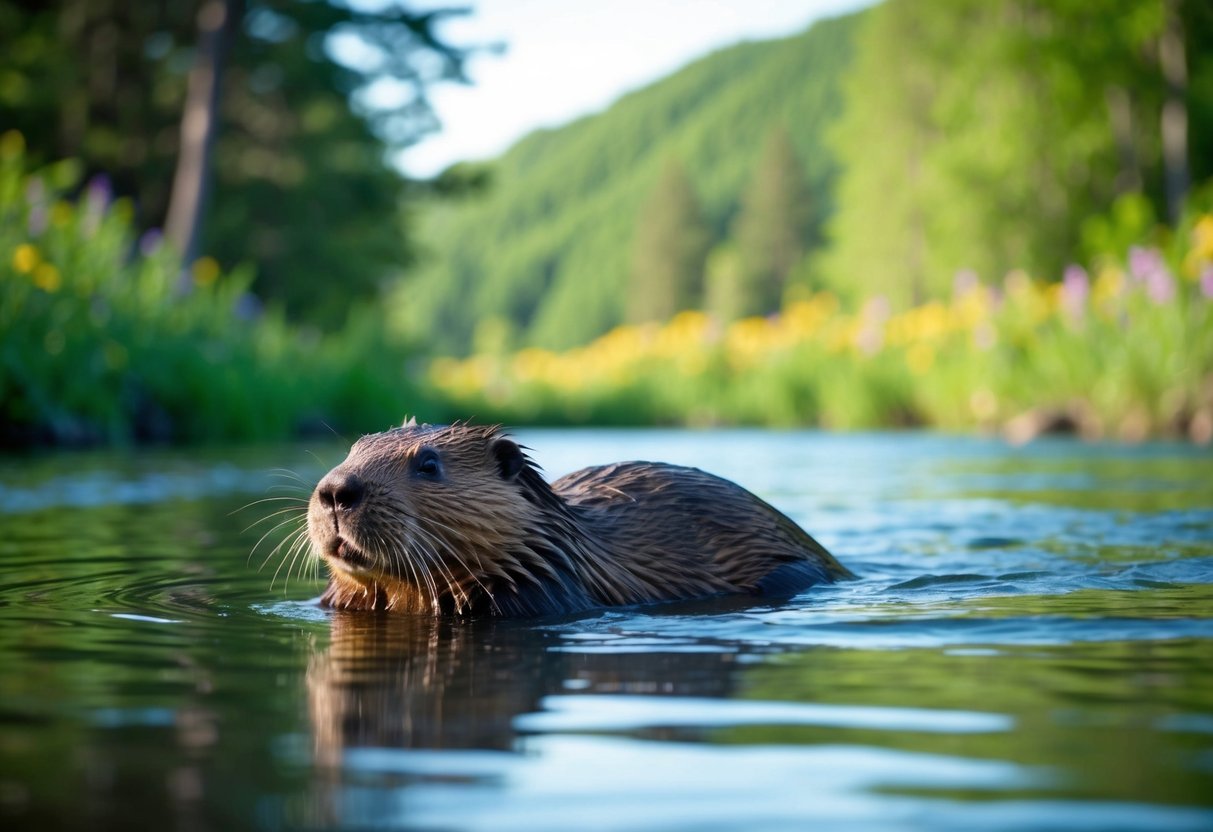
Beavers are fascinating animals with unique behaviors that help them adapt to their environments. Knowing these behaviors will help you understand how they interact with their habitats and humans.
Territorial Characteristics
Beavers are territorial animals. They establish their homes in ponds created by their dams. These dams provide safety and resources, making them crucial for beaver survival. Beavers mark their territory using scent from glands located near their tails.
They often create signs, such as gnawed tree stumps and mud mounds. These marks notify other beavers to stay away. If a beaver feels its territory is threatened, it may act defensively.
Typical Interactions with Humans
Most of the time, beavers are peaceful creatures. They prefer to avoid humans and will often flee when approached. Generally, you can watch beavers from a distance without any trouble.
However, if disturbed or threatened, beavers may respond differently. They can slap their tails on the water to signal danger. This loud noise acts as a warning to other wildlife and humans.
It’s important to respect their space, especially during their breeding season when they are more protective of their young.
Signs of Aggression
Although beavers are not usually aggressive, you might notice certain behaviors when they feel threatened. Signs include tail slapping, growling, or bared teeth.
If you encounter a beaver that seems defensive, it’s best to keep your distance. Aggressive actions can happen if a beaver feels trapped or cornered. For example, beavers may bite if they perceive a person as a threat.
Recognizing these signs can help you avoid any negative encounters. Always give beavers plenty of space to ensure your safety and theirs.
Beavers and Ecosystem Impact
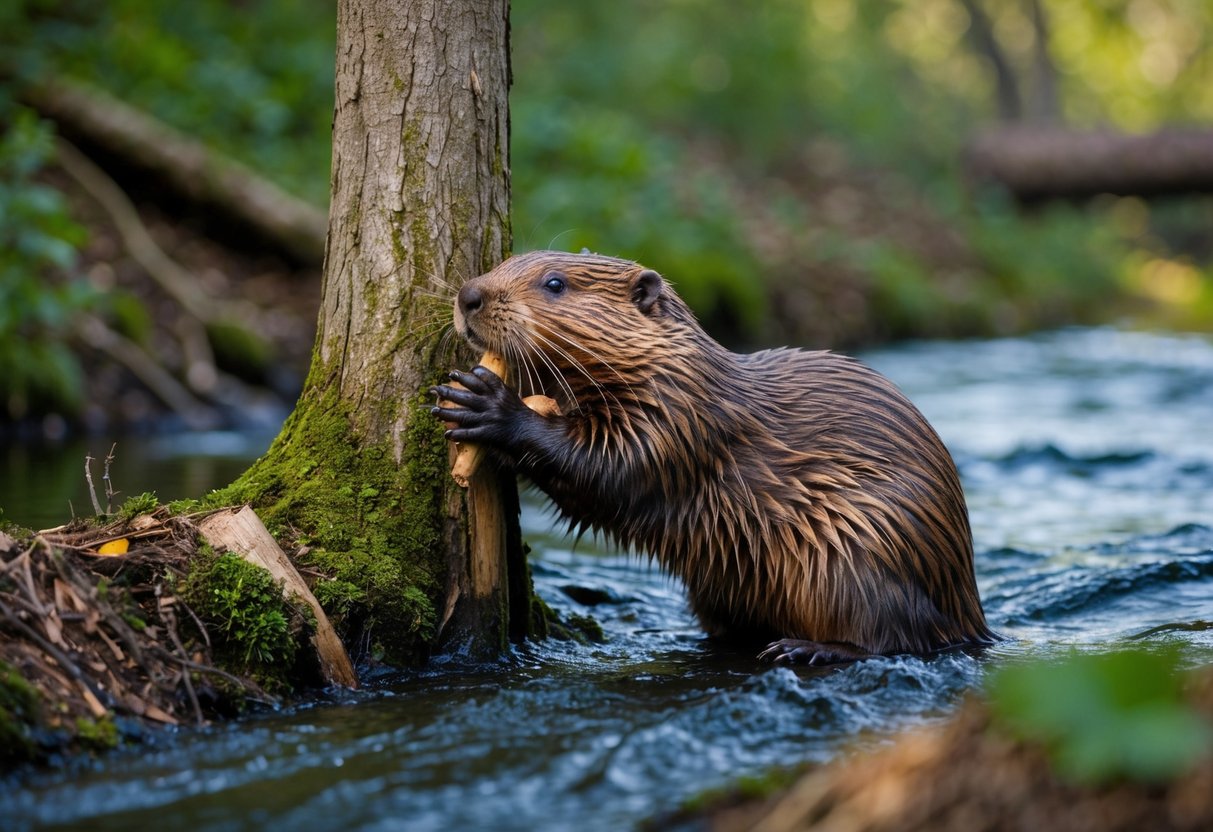
Beavers play a critical role in shaping their environments. Their activities help create diverse habitats that benefit various species, including fish like salmon. Understanding how beavers affect ecosystems can give you insight into their importance in nature.
Beavers as Ecosystem Engineers
Beavers are known as ecosystem engineers. By building dams, they create ponds and wetlands. These wetlands provide habitat for many species, promoting high levels of biodiversity.
When a beaver dam blocks a stream, water backs up, forming a pond. This pond supports fish, birds, and plants, creating a thriving ecosystem. For example, salmon benefit from the cool, slow waters found in these ponds during their migration.
The wetlands formed by beavers also filter water. They help improve water quality by trapping sediments and pollutants. This leads to healthier waterways and better habitats for aquatic life.
Beaver-Induced Changes to Water Bodies
The changes beavers make to water bodies can be dramatic. Their dam-building can lead to flooding of surrounding areas, altering the landscape.
While flooding may seem negative, it creates new habitats. These areas can support various plant species that thrive in wet conditions. The increase in plant life provides food and shelter for numerous animals.
Moreover, beaver ponds act as nurseries for young fish, including salmon. These fish find protection from predators, helping to increase populations. The balance beavers maintain in ecosystems shows their vital role in nature’s cycles.
Health Risks and Beaver-Related Diseases
It’s important to be aware of the health risks associated with beavers. While they are generally not aggressive, certain situations can lead to bites. Beavers can also carry diseases that pose risks to humans.
Risk of Infection from Bites
If a beaver feels threatened, it may bite in self-defense. A beaver bite can be painful and may lead to infection.
You should clean any bite wound thoroughly and seek medical attention if it’s serious. Rabies is a concern if a beaver is acting strangely, as rabid animals can be dangerous. Look out for symptoms like excessive drooling or aggression.
Infection can also result from bacteria present in a beaver’s mouth. Tularemia is one such bacterium that can be transmitted through bites. If you see a beaver acting aggressively, maintain a safe distance to avoid any risk.
Waterborne Illnesses
Beavers affect water quality due to their dam-building activities. This can lead to conditions that harbor waterborne diseases.
Two common illnesses associated with contaminated water are giardiasis and salmonella.
Giardiasis, often called “beaver fever,” is caused by a parasite that can be found in water contaminated by animal waste.
Symptoms include diarrhea and stomach cramps.
Salmonella can also be present in beaver habitats. This bacteria can cause food poisoning if ingested.
Make sure to boil or filter water from areas where beavers live to reduce the risk of illness.
Being cautious around water sources near beaver habitats helps keep you safe from these potential health risks.


