
Have you ever wondered about the existence of beavers today? The good news is that beavers do still exist and are actually thriving in various habitats across North America and Eurasia. These remarkable creatures play a vital role in their ecosystems, shaping landscapes and creating wetlands that benefit countless species of wildlife.
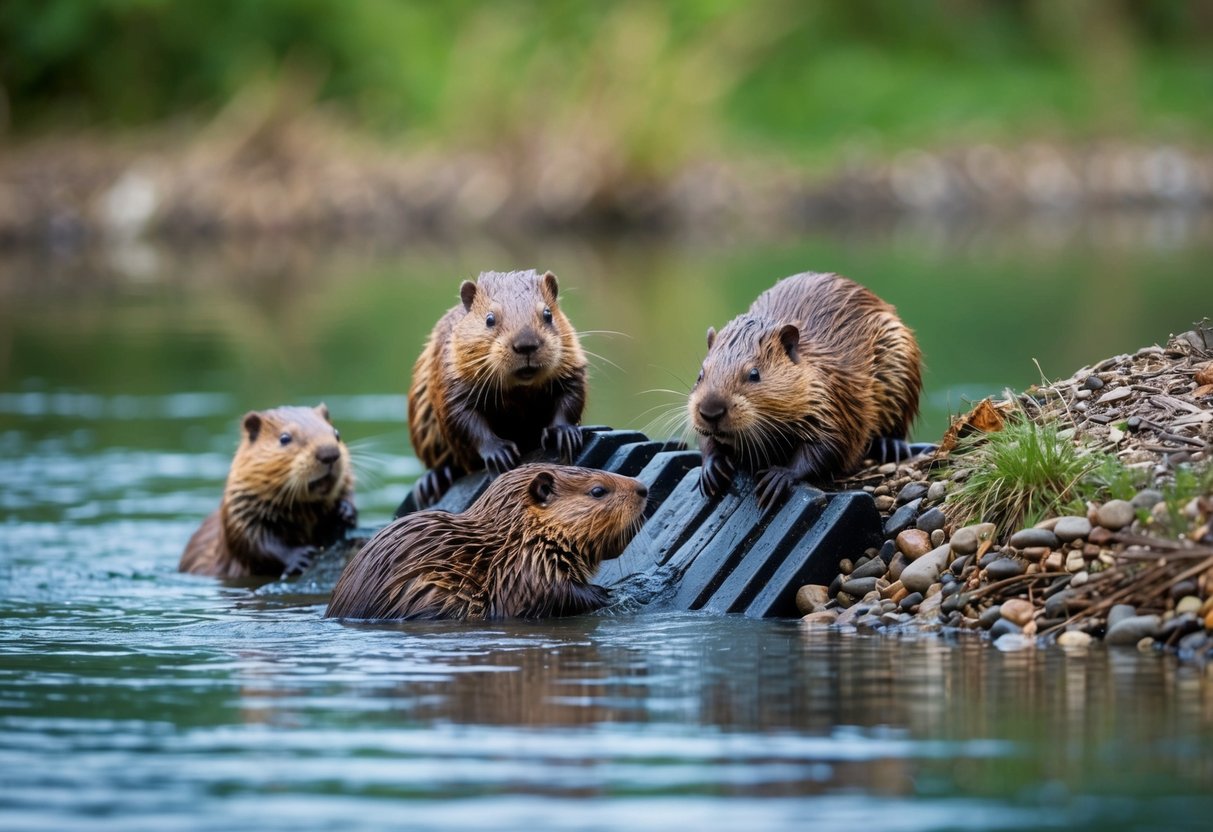
Beavers, known for their unique building skills, are fascinating animals that belong to the rodent family.
As you explore this topic, you’ll discover how they have adapted and survived despite historical challenges, including hunting and habitat loss. Their ability to alter environments not only helps them but also supports a diverse range of species that rely on healthy waterways.
Join us as we dive into the world of beavers, exploring their behavior, the challenges they face, and the important role they play in preserving wildlife and ecosystems. You might be surprised at the impact these creatures have on the natural world around you!
Beaver Species and Distribution
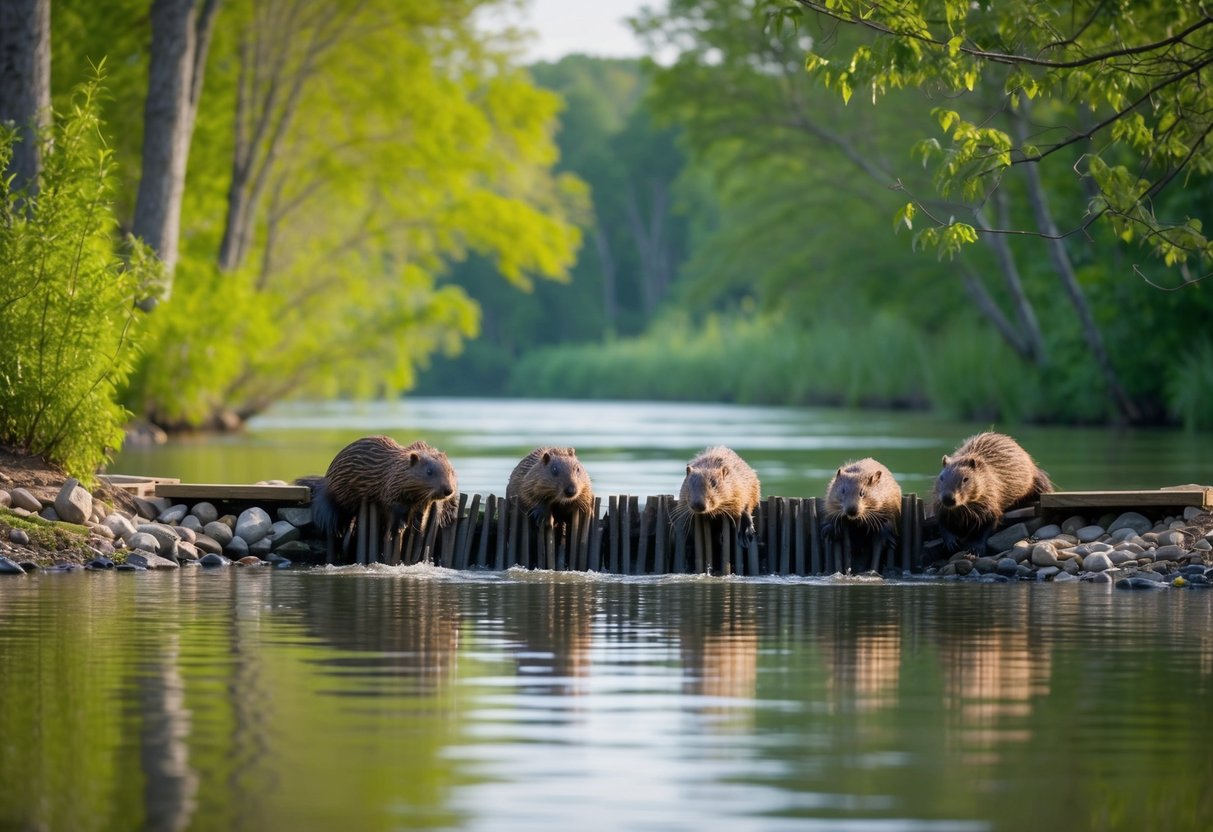
Beavers play a vital role in their ecosystems and can be found in different regions around the world. Understanding the two main species and their habitats helps you appreciate these fascinating animals.
North American Beaver
The North American beaver, known scientifically as Castor canadensis, is primarily found in the United States, Canada, and northern Mexico. These beavers thrive in various freshwater habitats, including rivers, lakes, and marshes.
They are recognized for their impressive dam-building skills, which create ponds that provide safety from predators. You might weigh them up to around 50 kg (110 lb). Their brown fur helps them blend into their natural environments.
These beavers are essential for maintaining healthy ecosystems, as their dams can improve water quality and support diverse wildlife.
Eurasian Beaver
The Eurasian beaver, or Castor fiber, occupies areas across Europe and parts of Asia. This species is slightly less common than its North American counterpart. Originally facing near extinction, conservation efforts have helped their populations recover.
Eurasian beavers are similar in size to North American beavers, with stout bodies and powerful tail muscles. Their habitats include forests near rivers and wetlands. They are also important for wetland restoration, benefiting many plants and animals.
You will find that Eurasian beavers are known to build dams and lodges, much like their North American relatives. Their ecological impact is significant, promoting biodiversity wherever they reside.
Extinct Species and Fossils
In addition to the existing species, there were once giant beavers during the Pleistocene era. The giant beaver, Castoroides ohioensis, could reach up to 7 feet long and weighed as much as a black bear. Sadly, they are now extinct.
Fossils of these ancient beavers help scientists learn about their lives and environments. The history of beavers shows how adaptive they are and their importance in ecology.
Understanding these extinct species adds to the rich history of the genus Castor and the Castoridae family, highlighting the changes in our planet’s ecosystems over time.
Beavers as Ecosystem Engineers

Beavers play a critical role in shaping their habitats and supporting diverse ecosystems. Their activities, particularly in building dams, create and enhance various freshwater environments, leading to significant benefits for many species.
Habitat Construction
Beavers are known for their impressive dam-building skills. By constructing dams in rivers and streams, they create ponds and wetlands. These beaver ponds serve as important habitats for a variety of plants and animals.
The dams slow down water flow, which allows lakes to form. This process helps in maintaining water levels, especially during dry seasons, creating a reliable source of water. The newly formed wetlands support diverse wildlife, providing food and shelter.
As beavers continue to build and maintain these structures, they contribute to the development of healthy ecosystems. Their efforts result in rich habitats that enhance the quality of life for many species, including fish and birds.
Environmental Impact
The presence of beavers has a positive impact on overall ecosystem health. Beaver dams improve water quality by trapping sediments and filtering pollutants. This process results in cleaner waterways that support vibrant aquatic life.
Additionally, beaver activity can aid in preventing flooding. By creating natural reservoirs, they help in controlling water levels during heavy rainfall and can mitigate the effects of wildfires by maintaining moisture in surrounding areas.
Their role as ecosystem engineers promotes biodiversity. With their dams creating a variety of freshwater habitats, beavers support numerous species. This interconnectedness emphasizes the importance of maintaining healthy beaver populations for the well-being of their ecosystems.
Beaver Behavior and Biology
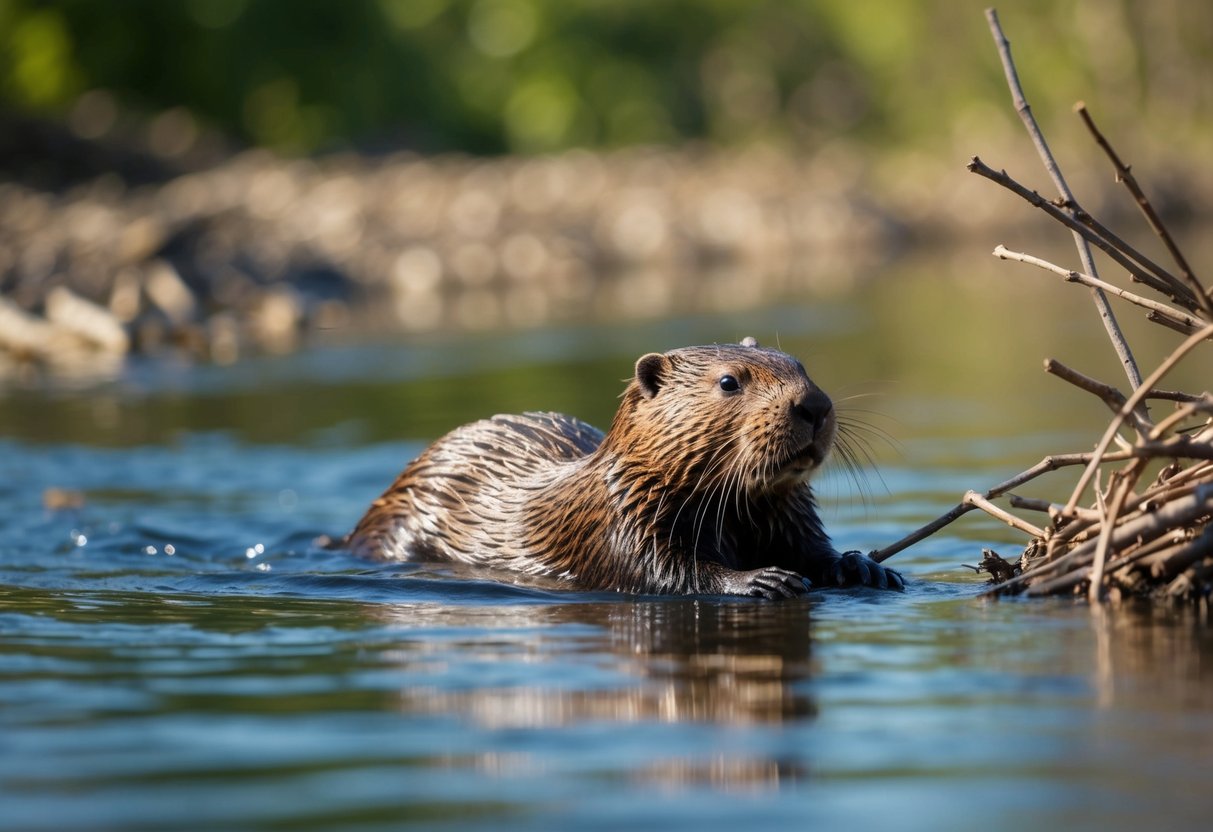
Beavers are fascinating creatures with unique habits and family dynamics. Understanding their behavior and biology can help you appreciate their role in nature.
Diet and Foraging
Beavers are herbivores, mainly eating aquatic plants, bark, and twigs. They prefer softwood species like willow, aspen, and cottonwood. Their strong teeth allow them to easily chew through wood.
Beavers are known as nocturnal foragers. They often gather food during the night. This behavior helps them avoid predators. When foraging, they might carry branches back to their lodges, which can weigh up to 15 pounds.
They are also clever in storing food for the winter. Beavers create underwater food caches near their lodges by placing branches and logs in the water. This ensures they have access to food even when it’s cold outside.
Reproduction and Family Life
Beavers are generally monogamous, often forming long-term bonds with a mate. After a gestation period of about 105 to 107 days, female beavers give birth to a litter of one to four baby beavers, known as kits.
These kits are born with fur and are able to swim shortly after birth. Family life is important for beavers. Both parents care for the kits, teaching them essential skills.
As the kits grow, they stay with their parents for about two years, learning how to build dams and find food. This close family structure helps ensure their survival and strengthens social bonds among beavers.
Conservation and Human Interaction
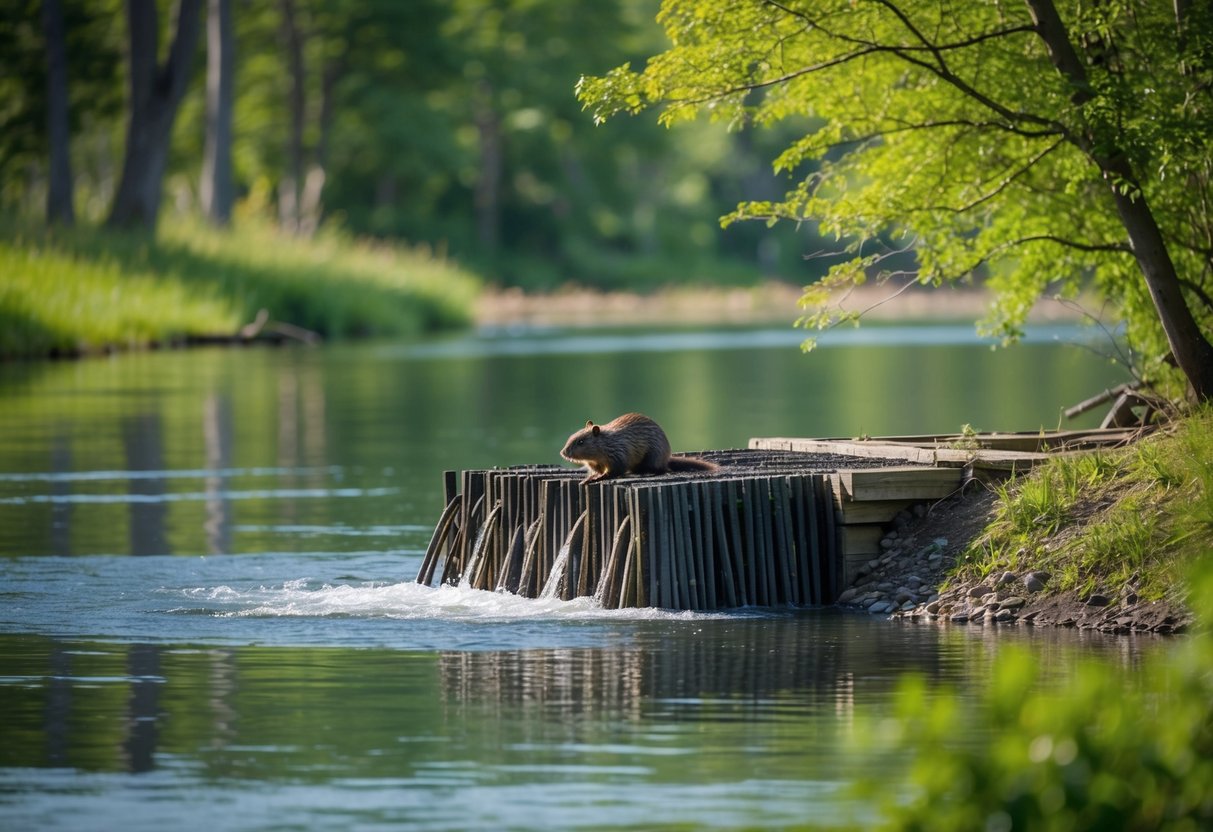
Beavers play an important role in ecosystems, but they face many challenges. Understanding the threats they face, the efforts to protect and reintroduce them, and their significance in culture can help you appreciate these fascinating animals.
Threats to Beaver Population
Beavers face several threats that impact their populations. Habitat loss from urban development, agriculture, and deforestation reduces their living space. When wetlands are drained, disappearing ponds limit their access to food and shelter.
Conflict with humans often arises when beavers build dams that flood agricultural land or damage property. This can lead to beavers being trapped and relocated or even euthanized. The growing demand for beaver fur, used in clothing and accessories, also contributes to their decline. The International Union for Conservation of Nature (IUCN) Red List categorizes some beaver species as vulnerable, highlighting the need for conservation efforts.
Efforts in Reintroduction and Protection
Successful reintroduction efforts have occurred in various places, particularly in Europe and North America. In the UK, the Scottish Beaver Trial set out to monitor beaver populations after their return to the wild.
Many regions promote non-lethal coexistence strategies to manage conflicts between beavers and humans. For instance, using wire fencing to protect trees and flood gates in areas where beaver dams cause issues can be effective. Moreover, countries like Norway and Sweden have policies in place to protect beaver habitats through conservation programs.
Education about the benefits beavers provide, like improving biodiversity and water quality, further supports their protection efforts.
Beavers in Culture and Commerce
Beavers have significant cultural relevance. They represent industriousness and resourcefulness. In literature and art, they are often depicted as symbols of hard work and community.
In commerce, beaver fur has historically been a highly valued trade item. The impact remains considerable, from the early fur trade in North America to modern markets in Europe and Asia.
Moreover, castoreum, a substance made from beavers, has been used in food and perfumes. While this industry is not as prominent today, it highlights how beavers continue to play a role in human culture and the economy. Understanding this relationship can foster greater appreciation for their conservation.


