
Beavers are fascinating creatures known for their impressive building skills and distinct diets. As herbivores, they primarily eat bark, leaves, and aquatic plants. Yes, beavers do eat apples! These fruits are a tasty treat for them, especially when other food sources are limited.
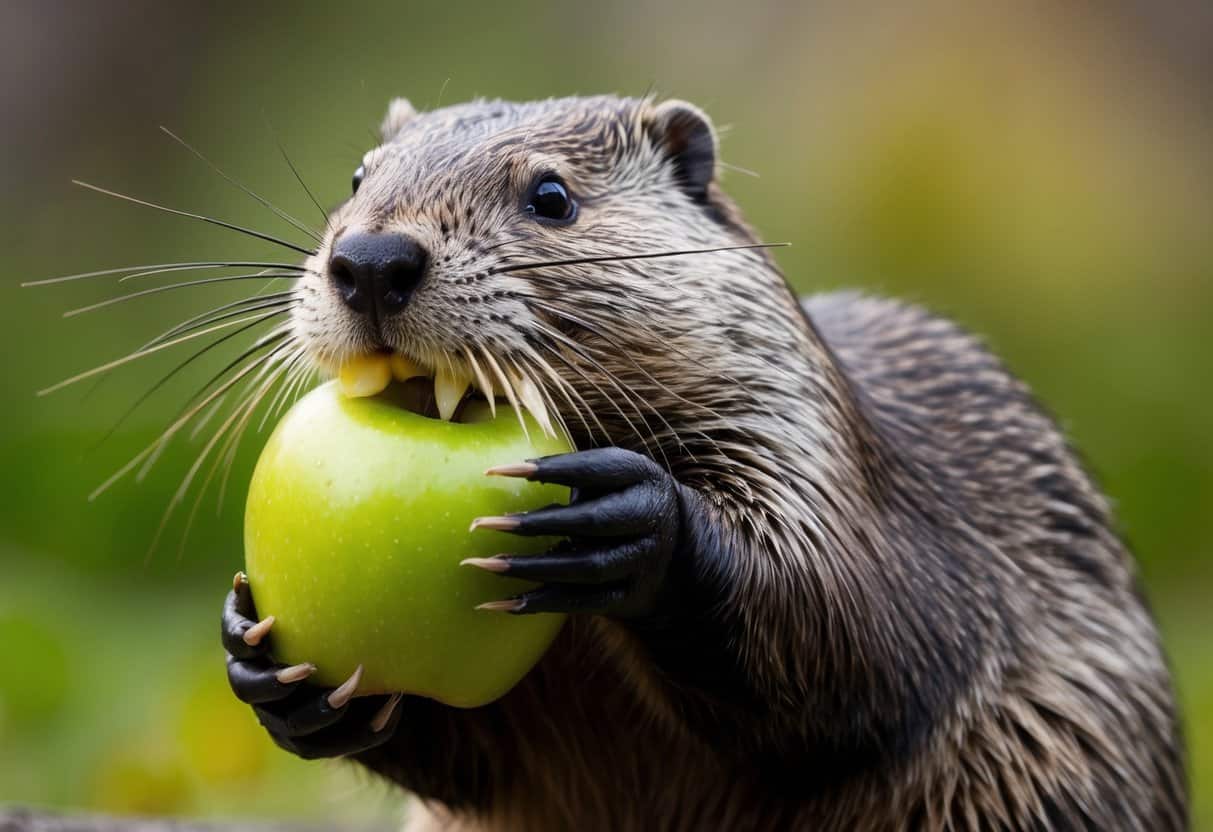
When you think of beavers, you might picture them gnawing on tree trunks or munching on water plants, but their diet is quite varied. Apples, along with other fruits like cherries, can be found in their meals. This adds a bit of sweetness to their otherwise woody diet and shows how adaptable their feeding habits can be.
If you have an orchard near a beaver habitat, you may notice some missing apples and damage to trees. Beavers not only enjoy the fruit but also chew on the bark of apple trees. Understanding their feeding habits helps you appreciate these animals even more and ensures that you can take measures to protect your garden if needed.
Understanding Beaver Diets
Beavers are herbivores, and their diets play a crucial role in their health and the environment. Knowing what they eat can help you appreciate these fascinating animals and their impact on nature.
Natural Food Sources
Beavers have a varied diet that includes many types of plants. They love to eat the bark of trees such as willow, aspen, and cottonwood. In addition, they munch on leaves, twigs, and shrubs.
These animals also seek out aquatic plants like cattails and ferns. Grass and other green vegetation are great sources of food for them, especially in warmer months.
The cambium, which is the soft layer of wood just under the bark, is a favorite treat. Overall, their natural food sources provide essential nutrients and fiber.
The Nutritional Needs of Beavers
Beavers need a balanced diet rich in fiber to stay healthy. They require various vitamins and minerals to support their growth and fur health. Foods like alder, birch, and maple give them the energy they need.
When beavers eat, they obtain vital nutrients that help their bodies function properly. This includes elements that support their strong teeth, which are essential for chewing tough bark and wood.
In the wild, a mix of different plants provides beavers with the nutrients they need to thrive. They consume large amounts of vegetation to meet their daily energy demands and maintain their health.
Beavers and Human Foods
Beavers often interact with human foods and cultivated crops, leading to fascinating and sometimes problematic behaviors. Their preferences can affect local agriculture and gardens, especially when it comes to certain fruits.
Interaction with Cultivated Crops
Beavers are known to raid orchards and gardens. They are interested in a variety of human crops, including corn and other vegetables. These foods can attract beavers due to their tasty and nutritious qualities.
When searching for food, beavers may chew on apple tree wood and bark as well. This behavior can damage trees and impact farmers’ yields, particularly in areas near beaver habitats. If you have an orchard, it’s important to be aware of these creatures and their appetite for your crops.
Do Beavers Eat Apples?
Yes, beavers do eat apples when they have access to them. While apples are not a major part of their diet, they enjoy munching on the fruit when available.
The sweet taste and smell of apples can attract beavers to nearby orchards. In addition to eating the fruit, beavers may also chew on the apple tree’s bark. This can lead to noticeable damage, as they strip the tree for nourishment.
If you have beavers nearby, consider protective measures for your trees to keep them safe from these hungry animals.
Beavers in the Wild vs. In Captivity
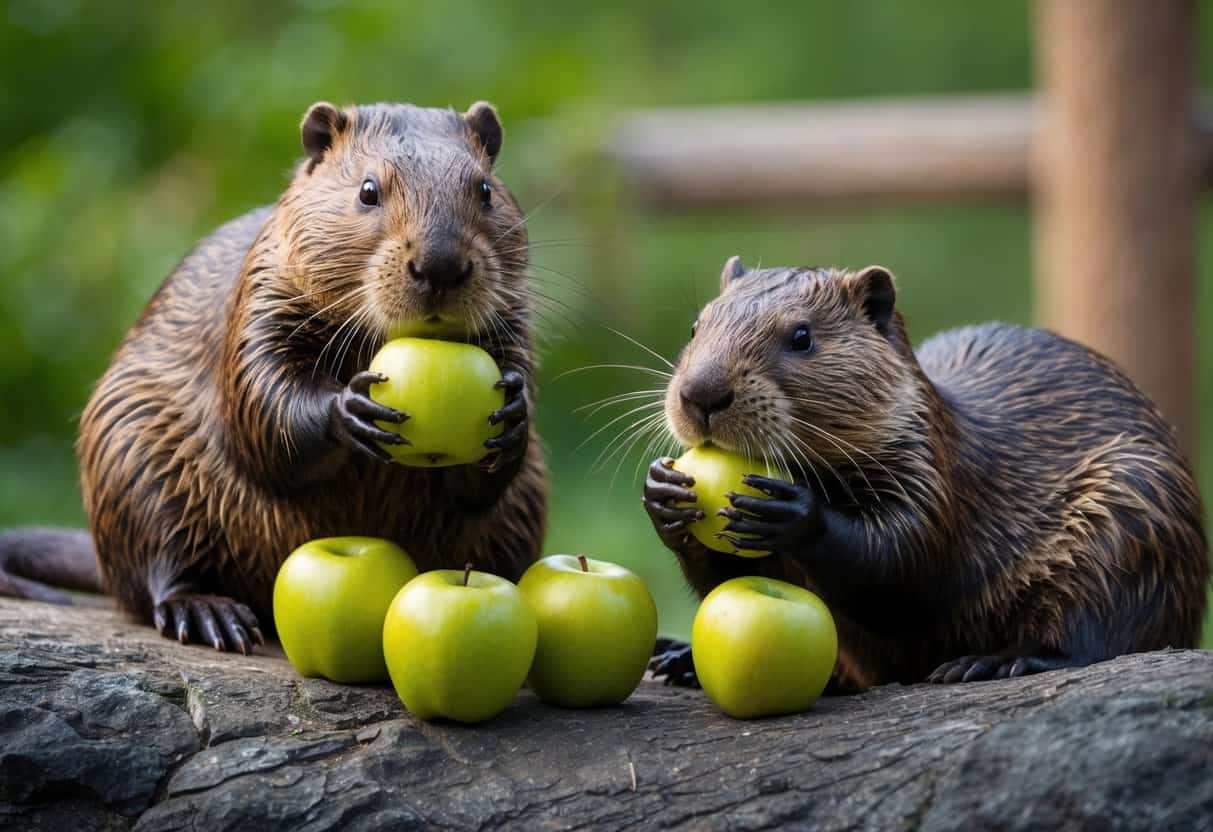
The diet of beavers varies depending on their environment. Beavers in the wild primarily feed on natural vegetation, while those in captivity may have a more varied diet that includes human-provided foods.
Variations in Beaver Diet
In the wild, beavers are herbivores that focus on a variety of plant materials. They predominantly eat the inner bark of deciduous trees like willow and poplar. Their diet also includes twigs, leaves, and aquatic plants. During summer, you might find them munching on clover and sedges. This natural diet helps them obtain important nutrients like vitamin C and potassium.
In captivity, the diet can expand to include things such as carrots, corn, and even beans. Caretakers provide these foods to ensure pet beavers get a balanced diet. However, wild beavers rarely eat fruits or vegetables as their main food source. They rely more on food caches made from branches and aquatic plants for energy, especially during winter.
Uncommon Foods and Predation Myths
Beavers are known to be primarily vegetarians. While you might wonder, “Do beavers eat other animals?”—the answer is no. They have no interest in snakes or similar creatures. Their diet consists solely of plant materials.
Some myths suggest that beavers might forage for uncommon items, but they largely stay within their herbivorous diet. In captivity, they might sample various foods, but their natural preference remains focused on wood and tubers. Young beavers, or baby beavers, are taught to nibble on the same plants their parents prefer.
The Habitat and Ecosystem Impact of Beavers
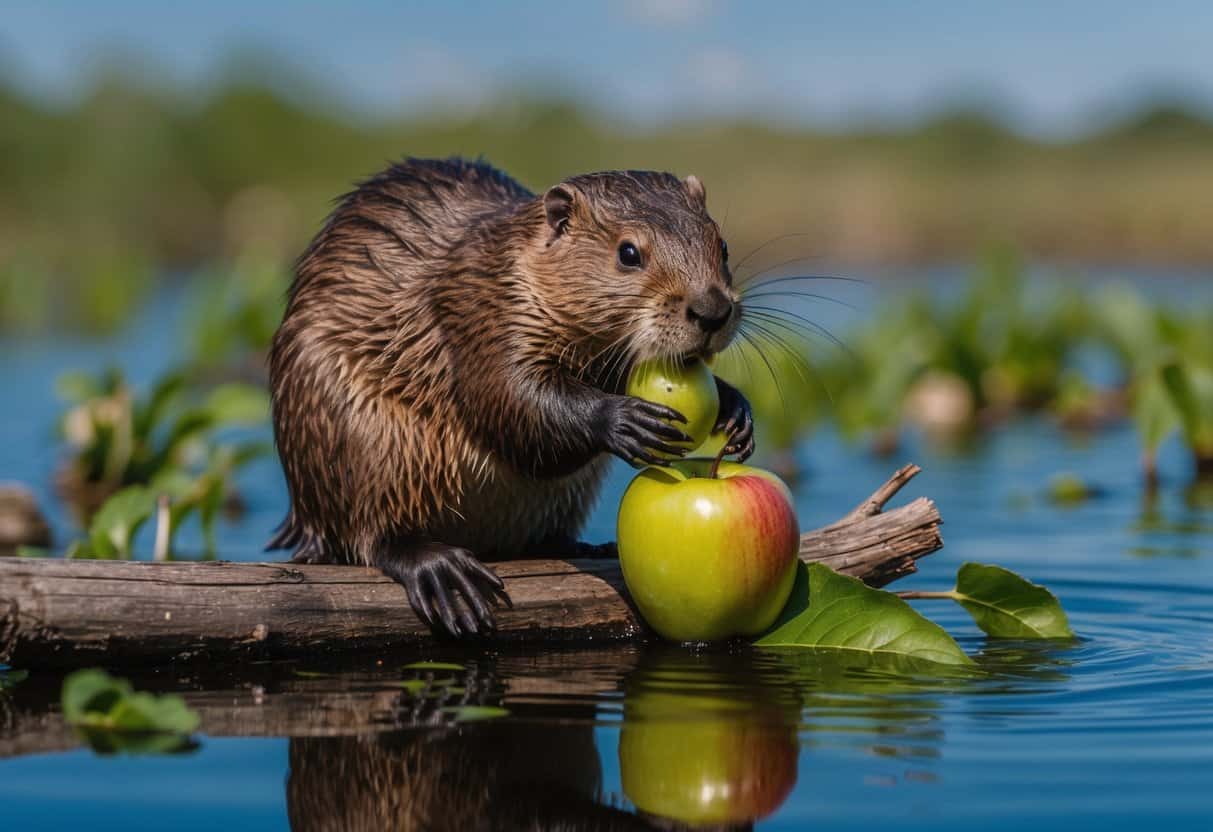
Beavers play a vital role in shaping their habitats and influencing local ecosystems. Their unique behaviors, like building dams and lodges, help create diverse environments that benefit many other creatures.
Beaver Lodges and Dams
Beaver lodges are made from branches, mud, and grass. These structures provide safety and shelter. You’ll often find them in ponds created by beaver dams. Dams slow down water flow, leading to the formation of wetlands.
These wetlands support a variety of life. The standing water creates homes for fish, amphibians, and birds. Additionally, as beavers store food caches made up of leaves, bark, and aquatic plants, they also contribute to soil health. This natural water management helps in drought resistance and protects against floods.
Beavers as Ecosystem Engineers
Beavers are considered ecosystem engineers because their activities directly affect biodiversity. By dam-building, they create new aquatic habitats. These areas attract many species of plants and animals. For example, water lily tubers and soft-fiber plants thrive in beaver ponds.
Beavers primarily eat woody plants, such as conifers, and enjoy a variety of leaves and bark. Their herbivorous feeding habits help maintain plant diversity, ensuring a balanced ecosystem. In this way, they not only support their own needs but also strengthen food chains for many other species in the area.


