
If you’re intrigued by the world of beavers and want to catch a glimpse of these fascinating animals, timing is everything. The best times to see beavers are during dawn and dusk. These periods mark when they are most active, searching for food and building their homes.
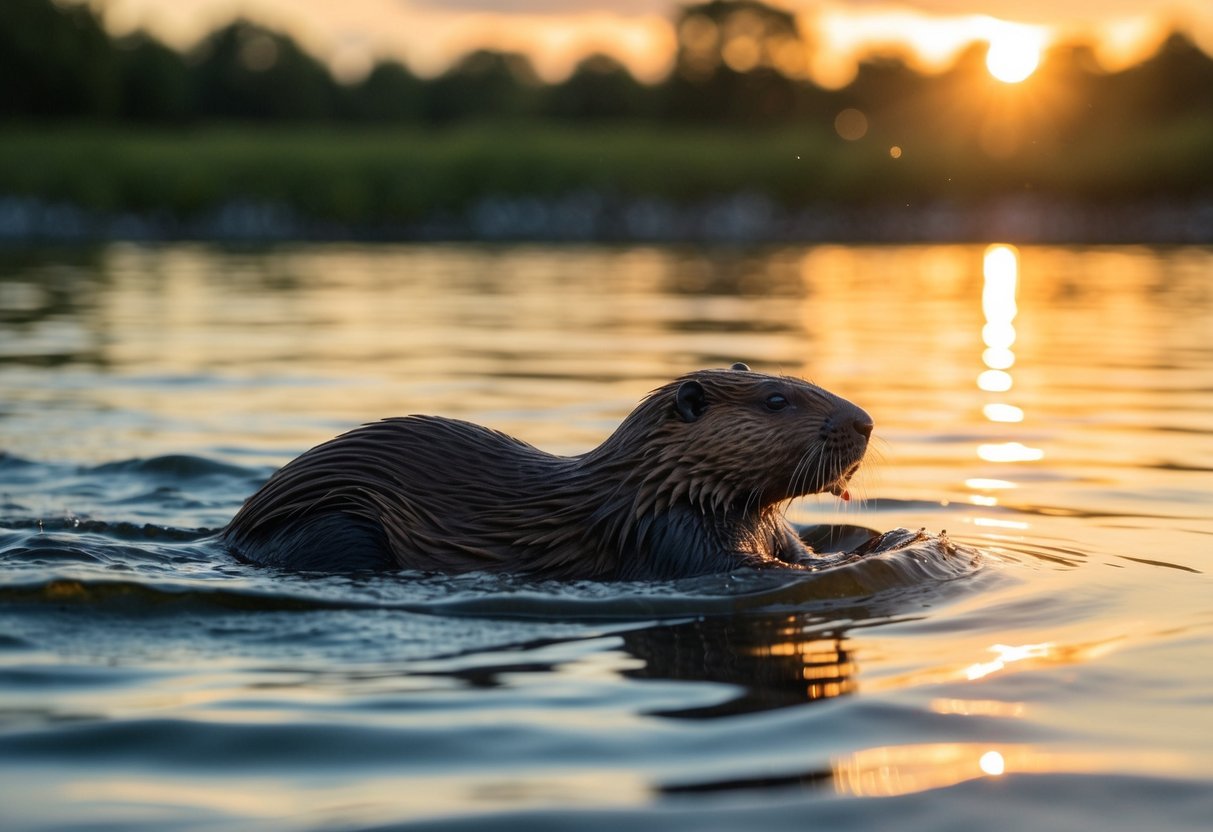
As crepuscular animals, beavers thrive at twilight, making early mornings and late evenings the prime moments for observation. While they can sometimes be spotted during the day, your chances increase significantly if you plan your visit around these key times.
Whether you’re an avid wildlife watcher or just curious about nature, knowing when beavers are out and about can enhance your experience.
Grab your binoculars and prepare for an exciting adventure!
Understanding Beaver Behavior
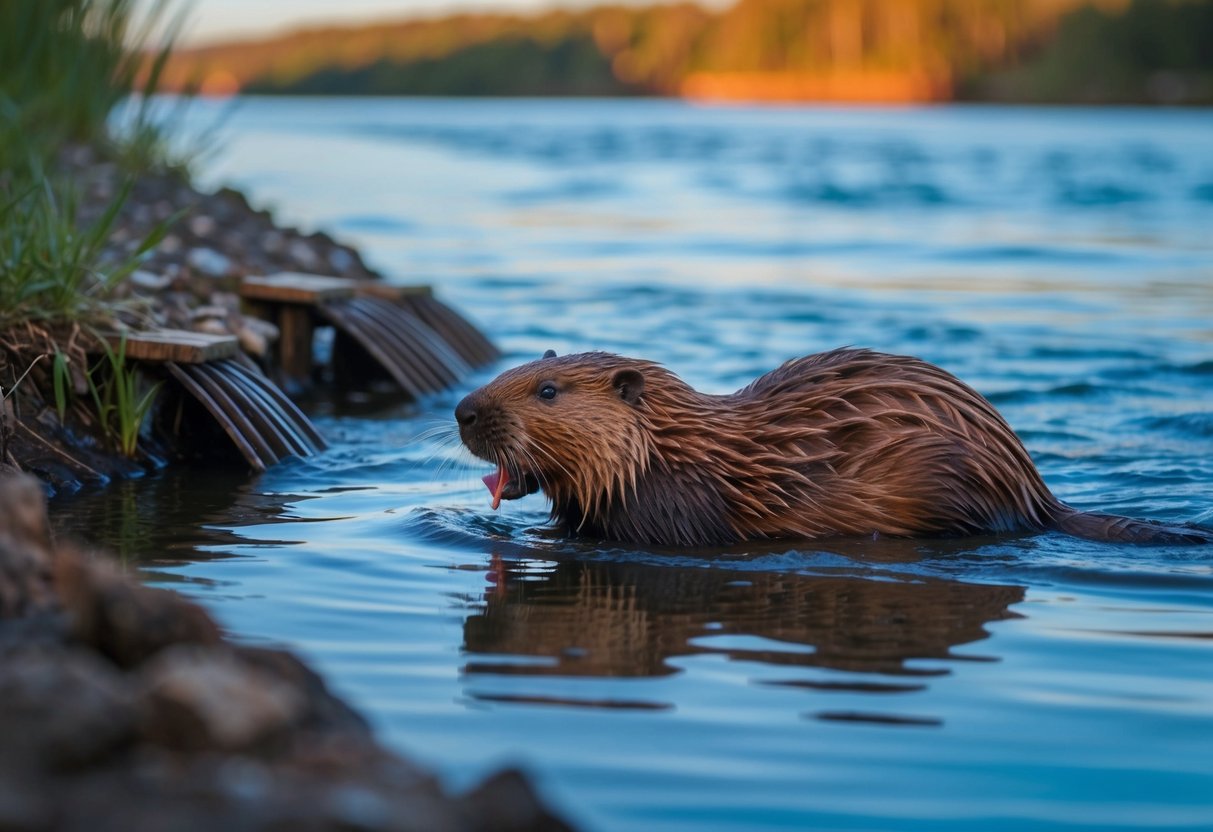
Beavers are fascinating creatures with unique habits and adaptations that help them thrive in different environments. By observing their activity patterns and behaviors, you can gain insight into when and how these animals operate throughout the day.
Beaver Activity Patterns
Beavers are primarily nocturnal and crepuscular animals. This means they are often most active during the night and twilight hours. You are likely to see them at dusk or dawn, which are ideal times for watching their behavior.
While many people think beavers only come out at night, they can also be active during the daytime, especially in areas where they feel safe.
For example, during late spring and summer, young beavers may be seen swimming and foraging more broadly.
Beavers spend a significant amount of time building and maintaining their lodges and dams. This construction work contributes to their busy schedules, so keep an eye out around those times.
Adaptations to Environment
Beavers have developed various adaptations that allow them to thrive in their habitats. Their semi-aquatic lifestyle means they are well-suited for both water and land. They have webbed feet for swimming and strong teeth to chew through wood.
These adaptations help them build secure homes and gather food efficiently. Their thick fur keeps them warm in cold water, making them comfortable during different seasons.
When they feel threatened, beavers quickly return to the safety of the water. Staying close to their dams and lodges helps to protect them from predators.
Understanding these behaviors can enhance your observations and appreciation of beaver life.
Habitats and Seasonal Rhythms

Beavers are fascinating creatures that thrive in specific habitats throughout the year. Understanding how seasonal changes affect their activity and the importance of wetland habitats can enhance your observations.
Seasonal Changes in Beaver Activity
Beaver activity varies with the seasons. In spring, they become very busy as the ice melts. They start repairing dams and lodges, preparing for warmer months. This is a prime time for you to see them working hard.
During summer, beavers are active at dawn and dusk. They spend time gathering food and maintaining their homes. With longer days, you may spot them more frequently.
As autumn approaches, beavers focus on stockpiling food for the winter. They gather branches and twigs to store near their lodges. During this time, the cooler temperatures can influence their feeding and activity times.
In winter, beavers retreat to their lodges. They rely on stored food. You might see signs of their activity from tracks in the snow or chew marks on trees.
The Significance of Wetland Habitats
Wetland habitats are essential for beavers. They provide the right conditions to build their lodges. Beavers require deep water to protect themselves from predators.
Wetlands create a rich ecosystem. They help in water management and improve water quality. By building dams, beavers create ponds that support various plant and animal species.
Beaver lodges are often constructed in the middle of these habitats. They use sticks, mud, and other materials to create a safe space. The location of the lodge affects their access to food and safety from threats.
When you explore these habitats, watch for signs of beaver activity like freshly gnawed trees. Observing them in these environments can be quite rewarding!
How to Observe Beavers in the Wild

Watching beavers in their natural habitat can be an exciting experience. Knowing the right times and signs can help you spot them more easily. Let’s dive into the best moments to see beavers and how to identify their presence in the wild.
Best Viewing Times and Conditions
To catch a glimpse of beavers, aim for early morning or late evening. These times, known as dawn and dusk, are when beavers are most active. During these periods, they venture out to forage for food and work on their dams.
Be aware of the weather too. Beavers do not shy away from light rain. In fact, overcast days can be great since they like to be out and about even when it’s cloudy. If you want to maximize your chances, try visiting during their breeding season, which typically occurs in winter and early spring.
Keep your noise level down. Beavers are sensitive to sound, so approach quietly.
Identifying Signs of Beaver Presence
Look for signs to indicate beavers are nearby. Chewed trees are a common sight. The tree bark will often be stripped away, showing their distinct teeth marks.
You might also hear tail slapping, which is a warning signal they use to alert other beavers of danger. This sound can travel quite far, so pay attention while you’re nearby.
Another sign is gnaw marks on branches and logs. Beavers cut down trees and gather sticks for their lodges. You might even see old dams and lodges if you explore areas near water sources.
Be observant, and take note of the surrounding biodiversity. Many animals live in harmony with beavers, so spotting other wildlife can enhance your experience.
Beaver’s Role in the Ecosystem
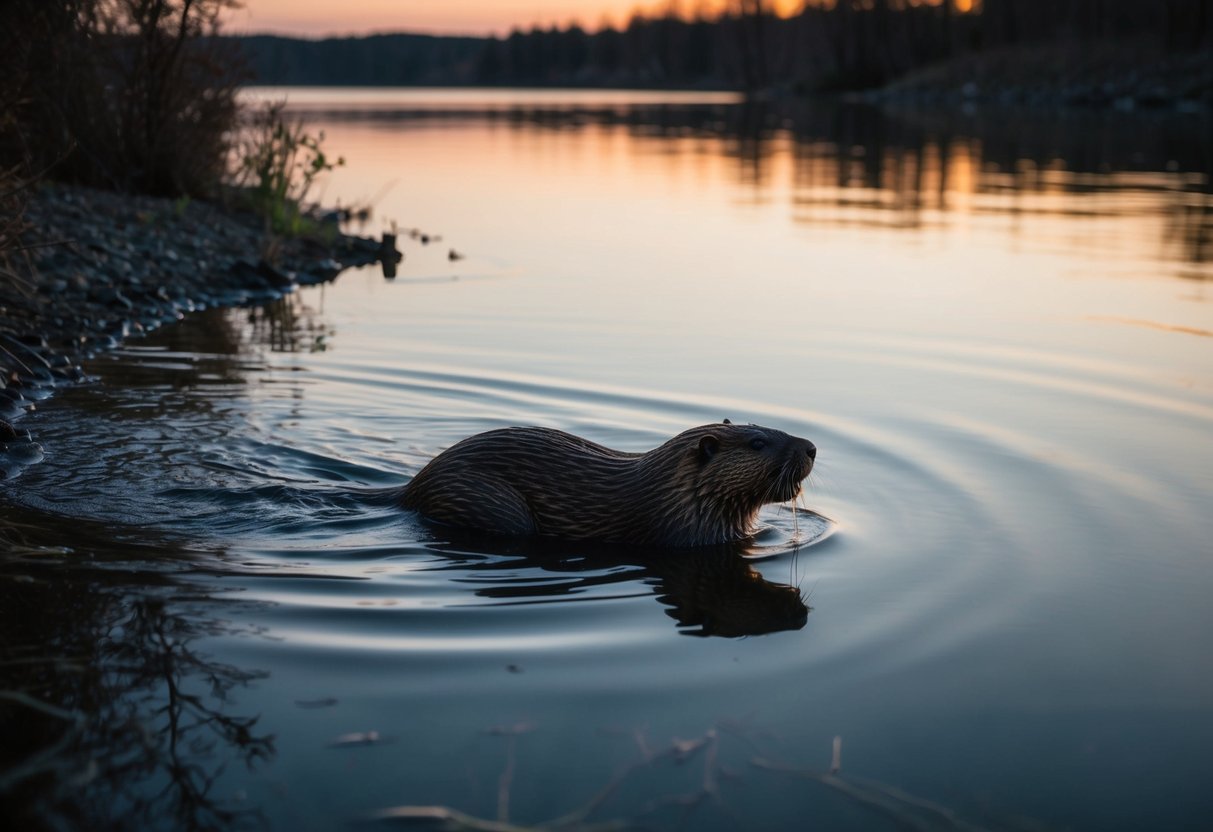
Beavers play a crucial role in maintaining the health of their habitats. They not only support various species but also shape the environment around them. Their activities help boost biodiversity and create rich ecosystems.
Impact on Biodiversity and Ecosystems
Beavers positively affect biodiversity in their surroundings. By building dams, they create ponds that provide essential habitats for many plants and animals. The waterlogged areas generated by these dams can support diverse species, including fish, amphibians, and birds. As a result, beaver families become key players in sustaining various ecosystems.
These ponds also enhance the growth of wetland vegetation. This growth supports a range of animal life, as these plants act as shelter and food sources. The presence of beavers leads to increased biodiversity, allowing for a vibrant and balanced ecosystem. Their activities contribute to the food chain as well, emphasizing their importance in the natural world.
Beavers as Ecosystem Engineers
Beavers can modify landscapes, so they are often referred to as ecosystem engineers. Their dam-building activities often create new ponds and wetlands. These changes can transform an area, leading to flourishing plant and animal communities.
Their dams not only store water but also help in groundwater recharge. This process can improve water quality and reduce flooding. Moreover, beavers’ feeding habits help in the growth of certain tree and plant species, influencing forest dynamics.
By creating and maintaining their habitats, beavers influence the entire ecosystem. Their role in nature highlights how interconnected life is. Each beaver contributes significantly to the health and balance of their environment.


