
If you’re curious about beavers and the laws surrounding their release in the UK, it’s important to know the rules. A proper license is necessary to release beavers into the wild in the UK. This regulation is in place to protect both the species and the environment.

Beavers were once nearly extinct in the UK but are now making a comeback thanks to conservation efforts. While their return can benefit ecosystems, releasing them without permission can lead to unwanted consequences. If you want to help beavers or learn more about their role in nature, there are legal ways to support their habitat.
Understanding the legal protection of beavers is essential, especially if you are considering their management on your property. Knowing what you can and cannot do regarding these animals keeps you informed and helps protect that valuable part of the ecosystem.
Beaver Reintroduction and Legal Framework
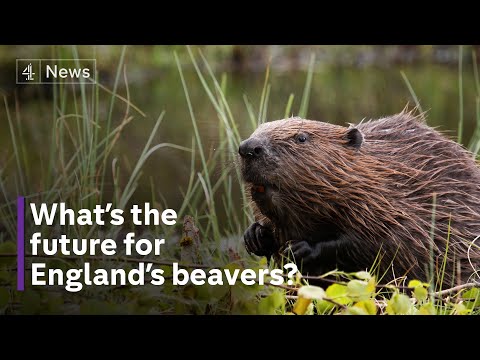
When it comes to reintroducing beavers in the UK, especially the Eurasian beaver, understanding the legal framework is essential. Various laws and regulations guide the processes and protections for these animals, which are considered European protected species.
The Conservation of Habitats and Species Regulations
The Conservation of Habitats and Species Regulations provide significant legal protection to species like the Eurasian beaver. Under these regulations, beavers are recognized as protected species. This means that any activity that might harm them, such as releasing beavers into the wild, requires careful planning.
This set of regulations is closely tied to the Habitats Directive from the European Union. It ensures that habitats for protected species are maintained and that their populations can thrive. The legal framework also includes provisions for assessing the impact of human activities on these species.
Licensing by Natural England
To release beavers in the UK, you will need a licence from Natural England. This is crucial for ensuring the responsible management of beaver populations. The licensing process assesses various factors, including the potential effects on local ecosystems.
The Beavers (England) Order is a key part of this process, along with the Wildlife and Countryside Act 1981. Before any release, it’s essential to demonstrate that the action will not negatively impact existing wildlife and habitats. Obtaining a licence involves submitting a detailed application that outlines your plans for reintroduction, monitoring, and any necessary protections to help the beavers settle in their new environment.
Environmental Impact of Beavers

Beavers play a significant role in shaping their environment, especially through their unique behaviors. Their activities help create habitats that can positively affect water management and biodiversity.
Flood Control and Water Management
Beavers are natural engineers, creating structures like dams and lodges. These dams help slow down water flow, which can prevent flooding in surrounding areas. By retaining water, beaver dams create wetlands that can absorb excess rain and runoff.
This flood control method is crucial, especially in light of climate change, which can lead to unpredictable weather patterns. You will find that these systems also improve water quality. When water slows down, sediments settle, leading to cleaner water entering rivers and streams.
Biodiversity and Wildlife
The presence of beavers like Castor fiber can significantly increase local biodiversity. Their dams create ponds that provide habitats for a wide range of plants and animals. You’ll notice more aquatic life, such as fish and amphibians, thriving in these newly formed wetlands.
Beaver activities enrich the ecosystem. As the water levels change, diverse plant species grow, attracting different wildlife. This increase in biodiversity not only supports animal populations but also enhances the overall health of the environment. With beavers around, ecosystems can flourish in ways that benefit both nature and human communities.
Challenges and Management of Beaver Populations

Managing beaver populations can present unique challenges, especially for landowners and agricultural sectors. Understanding these issues is important for finding effective solutions while promoting coexistence with wildlife.
Impact on Landowners and Agriculture
Beavers can significantly affect landowners and farms. Their activities lead to the creation of dams and channels, which may flood surrounding areas. This flooding can damage crops and disrupt land management activities.
Landowners might also face the construction of burrows near their properties, which can compromise soil integrity. Some farmers use tree guards as a preventive measure, protecting young trees from beaver activity.
In certain cases, landowners may feel the need to take action against beavers to protect their investment. However, any management efforts must comply with legal protections in the UK.
Beaver Management Strategies
Effective beaver management strategies help reduce conflicts while supporting native species. You can consider several options to manage beaver populations responsibly.
Fencing around vulnerable areas is one approach. It can deter beavers from accessing specific sites, such as crop fields.
Utilizing scarers, like noise-makers or reflective materials, may also help keep beavers at bay. Additionally, installing beaver structures can guide their activity to less disruptive areas.
Finally, understanding beaver breeding sites can inform management plans. By creating a balance, you enable coexistence between agricultural needs and wildlife protection, allowing for sustainable land management.
Conservation Efforts and Future Strategies

Conservation efforts focus on maintaining healthy beaver populations while managing their impacts on the environment. Strategies aim to create suitable habitats for beavers to thrive, protecting wetlands and supporting biodiversity.
Beaver Conservation Projects
Various organizations work together on beaver conservation projects to ensure the species can thrive without causing excess damage to agriculture or local ecosystems. The Devon Wildlife Trust and the Beaver Trust lead initiatives to promote sustainable beaver management.
In areas like the River Otter, these projects involve habitat restoration, which provides natural spaces for beavers. This allows them to contribute to resilient landscapes. Local beaver management groups play a crucial role, working closely with landowners to balance beaver activity with agricultural needs.
National Perspective on Beavers
Defra leads the National Beaver Strategy. This strategy highlights the government’s approach to managing beaver populations across the UK. It aims to prevent extinction while ensuring beavers can roam freely where they’re beneficial.
The strategy encourages beaver populations to expand into areas they once inhabited. It does this through regulated reintroductions. Also, the strategy emphasizes the need for support from Wildlife Trusts. They are vital in creating awareness and providing guidance on best practices for coexistence with beavers.
This national perspective emphasizes the need for collaboration among stakeholders. It aims to maximize the ecological benefits of beavers while minimizing conflicts with agriculture.


