
If you’ve ever wondered about the eating habits of beavers, you might be surprised to learn that they consume a variety of plants. Yes, beavers do eat Japanese knotweed, a non-native plant species that can cause problems in local ecosystems. These herbivorous animals play an important role in their habitats, and their eating habits can impact the growth of invasive plants like knotweed.
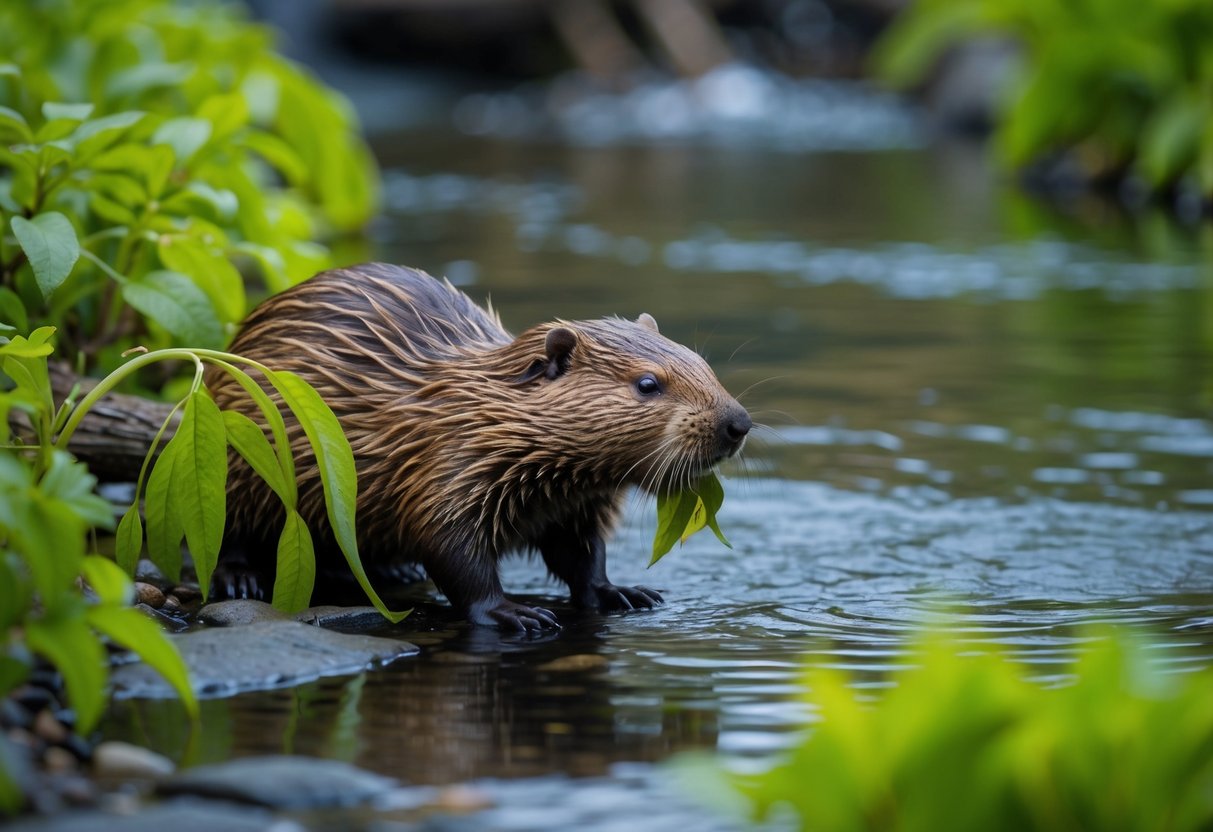
Beavers are often seen as ecosystem engineers because of how they alter their environment. By eating Japanese knotweed, they help manage its spread along riverbanks and wetlands. This can be beneficial for local wildlife, as controlling these invasive plants allows native species to thrive.
So, if you’re curious about the relationship between beavers and Japanese knotweed, you’re in the right place. Understanding this dynamic is essential for appreciating how wildlife interacts with their surroundings and the balance of local ecosystems.
Beavers as a Species
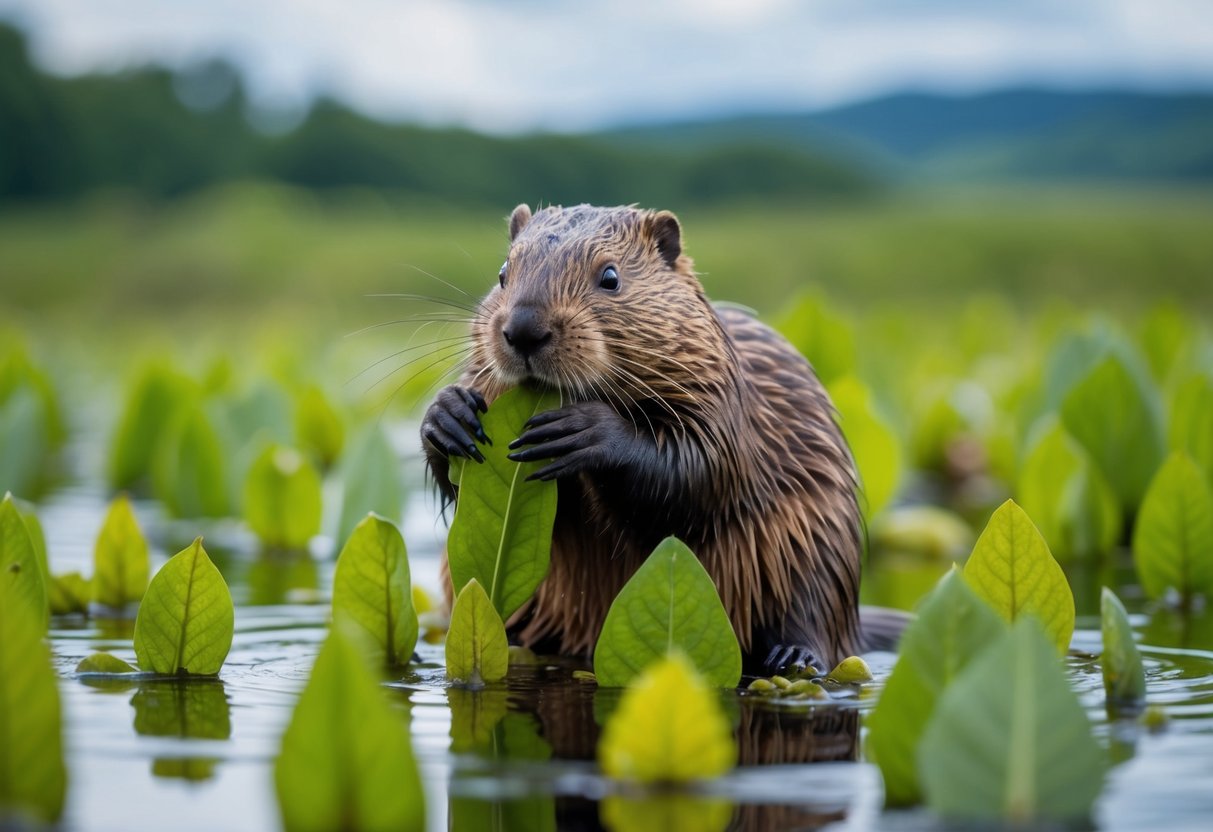
Beavers are fascinating creatures known for their strong builds and unique behaviors. Understanding their physical traits, habitat influences, and dietary preferences can help you appreciate their role in ecosystems.
Physical Characteristics and Behavior
Beavers belong to the genus Castor, which includes the Eurasian beaver (Castor fiber) and North American beaver (Castor canadensis). They have strong, stocky bodies that can weigh between 40 to 100 pounds. Their length can reach up to three and a half feet, including a distinctive flat tail that helps them swim.
With their webbed feet, they are excellent swimmers. Beavers can hold their breath underwater for up to 15 minutes while diving for food. They are mostly nocturnal, meaning they are most active during the night. This behavior helps them evade predators.
Habitat and Keystone Species Impact
Beavers are often called “keystone species” because of their significant impact on the environment. They create habitats by building dams in rivers and streams. These dams help form wetlands, which support diverse plants and animals.
Beaver lodges are made of sticks, mud, and stones, providing safe havens for them and other creatures. The wetlands formed by their dams can improve water quality and help control flooding. In this way, beavers contribute positively to their ecosystems and promote biodiversity.
Diet and Foraging Habits
Beavers are herbivores, primarily feeding on bark, leaves, and aquatic plants. They especially enjoy species like willows, aspens, and cottonwoods. Interestingly, beavers are also known to eat non-native plants such as Japanese knotweed.
Their foraging habits play a role in shaping their environment. When beavers cut down trees to access food, they create openings in the forest. This activity may allow more sunlight to reach the ground, helping new plants grow.
By helping manage plant life, beavers maintain balance in their habitats, showcasing their importance in nature while also enjoying a varied diet.
Beavers and Their Ecosystem
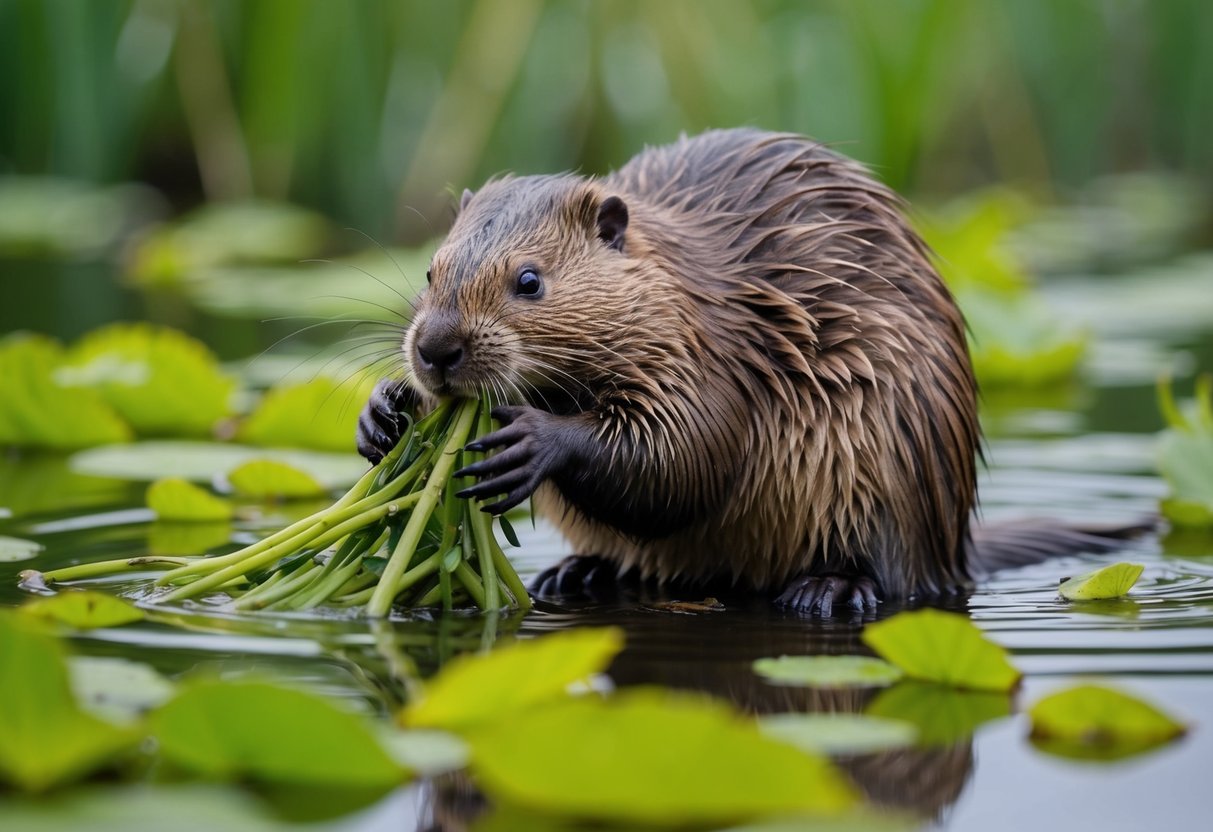
Beavers play a crucial role in their environments. They influence biodiversity, affect plant life and wildlife, and have unique adaptations. Understanding these aspects can help you appreciate their importance in maintaining ecological balance.
Beavers’ Role in Biodiversity
Beavers are often called “ecosystem engineers” because of their ability to alter landscapes. Their dam-building activities create ponds that provide habitat for various species. These ponds can support aquatic plants and animals, enhancing biodiversity.
By flooding areas, beavers convert dry land into wetlands. This change supports species like frogs, birds, and fish, which thrive in wetland environments. When beavers eat plants like Japanese knotweed, they help control its spread. This approach benefits other native species while maintaining ecological balance.
Effects on Plant Life and Wildlife
Beavers have a significant impact on plant life in their territories. They primarily consume tree bark, leaves, and aquatic vegetation. This feeding behavior can open up areas for new plant growth and control invasive species like Japanese knotweed.
Their ponds also create important habitats for various aquatic plants, which serve as food and shelter for wildlife. The diverse plant life attracts insects, birds, and other animals, promoting a healthy ecosystem. As beavers build and maintain their dams, they continue to shape the environment, maximizing habitat diversity.
Beaver’s Adaptation to Environmental Change
Beavers are highly adaptable creatures. They thrive in various climates, adjusting their dam-building behaviors to meet environmental changes. For example, in times of drought, beavers may construct smaller dams to conserve water.
Climate change poses challenges for beavers, as shifting weather patterns can affect water availability. However, these animals help create carbon sinks in their wetlands, storing carbon and fighting climate change. Their ability to adapt and modify environments plays an essential role in preserving biodiversity and stabilizing ecosystems.
Japanese Knotweed: An Overview

Japanese knotweed is a non-native plant species that can be both fascinating and problematic. Understanding its characteristics, environmental impact, and control measures can help you manage this plant better.
Characteristics of Japanese Knotweed
Japanese knotweed is known for its distinctive green shoots and hollow stems. It can grow rapidly, reaching heights of up to 10 feet within a single season. The leaves are large and shaped like a heart, while its stems resemble bamboo. This plant spreads primarily through underground rhizomes, making it tough to control once established.
Its striking appearance can initially attract attention, but its growth pattern can lead to issues for gardens and natural landscapes. In early spring, you might spot the tender shoots popping up, which some people even consider edible.
Environmental Impact and Spread
As a non-native plant species, Japanese knotweed poses significant challenges to local ecosystems. It can outcompete native plants for resources, leading to reduced biodiversity in the area. This aggressive growth can disrupt habitats and interfere with water drainage.
Once it takes hold, the plant can spread quickly, thanks to its extensive root system. Even a small piece of rhizome can give rise to a new plant, making eradication efforts challenging. It’s important to be vigilant if you notice Japanese knotweed in your vicinity, as it can become a widespread problem.
Control Measures and Management
Managing Japanese knotweed requires a combination of approaches. Physical removal can be effective, but it’s essential to dig deep to eliminate the rhizomes. Cutting the plant back, a process known as coppicing, may help reduce its spread temporarily.
Chemical treatments are another option, but they must be used carefully to avoid harming surrounding plants. Regular monitoring of affected areas is crucial for successful management. If you’re unsure about how to proceed, consider consulting local experts for advice tailored to your situation.
Dietary Preferences of Beavers

Beavers have specific dietary habits that reflect their status as herbivores. They enjoy a variety of vegetation, and their food choices can change with the seasons. Understanding what they eat and how this might include plants like Japanese knotweed can help you appreciate these fascinating creatures.
Common Foods and Seasonal Variations
Beavers typically enjoy a diverse diet. Their favorites include willow, birch, and ferns. In the warmer months, these plants are abundant, providing essential nutrition.
During the spring and summer, beavers often forage for tender shoots and leaves. These seasonal delicacies are crucial for the health of beaver kits.
In fall and winter, beavers turn to tree bark and twigs. They create food caches by storing branches underwater, ensuring they have access to food when it’s hard to find.
Using trail cameras, you might see these industrious rodents collecting their meals along main creeks or other water bodies.
Potential for Japanese Knotweed in Beavers’ Diet
A beaver might find Japanese knotweed an interesting addition to its diet. This plant is often found in various habitats and is known for its dense growth.
Beavers may consume knotweed when it’s available, especially in regions where it thrives. While not a primary food source, it can supplement their diet alongside other plants.
Beavers are opportunistic feeders. They adapt to the available options around them.
If you’re observing beavers near areas with knotweed, you might notice them foraging on this plant. Understanding this behavior adds to your knowledge about these adaptable creatures.


