
Beavers, known scientifically as Castor canadensis, play a significant role in their ecosystems. While people often admire their ability to build dams and create wetlands, their presence can also lead to several problems.
The main issues associated with beavers include flooding of residential areas, damage to trees, and disruption of local infrastructure.

These busy builders can cause water levels to rise, affecting roads and properties. Additionally, their habit of gnawing on trees can lead to the loss of valuable woodlands, especially in urban areas.
You might find yourself wondering how to balance the benefits of beavers with the challenges they bring to your community.
Understanding the impact of beavers is important for managing their presence in your area. You’ll learn that while they contribute to a healthy ecosystem, their activities can create conflicts that need addressing.
Understanding Beaver Behavior and Ecology

Beavers are fascinating creatures with unique habitats, social structures, and communication methods. Learning about their behavior and ecology helps in understanding their role in the ecosystem.
Habitat and Diet Preferences
Beavers thrive in wetland areas, including rivers, ponds, and marshes. They prefer habitats rich in aquatic plants, as these are a key part of their diet.
Preferred foods include water lily, aspen, and willow. They also enjoy tree bark and softwood.
When beavers cut trees, they do this not only for food but also to create dams. These dams form beaver ponds, which provide safe homes and resources. The ponds help to maintain the wetlands where countless other species live.
Social Structure and Reproduction
Beavers are social animals and live in family groups typically composed of parents and their young. The family structure is known as a clan. They mate for life, which strengthens their bond and enhances the care for their offspring.
During the breeding season, females give birth to kits, usually around 2 to 4 in a litter. The young stay with their parents for about two years, learning essential survival skills like food gathering and building.
Communication and Territorial Signs
Beavers are not shy about expressing themselves. They use a variety of vocalizations to communicate, including grunts and tail slaps, signaling warnings to others nearby.
They also mark their territory through scent marking. By applying scent from their castor glands on trees or around their lodges, they alert other beavers that an area is claimed. This helps prevent conflicts and ensures they have enough space to thrive.
Understanding these behaviors and ecological needs shows how important beavers are to their environment.
Impact of Beaver Activity on the Environment
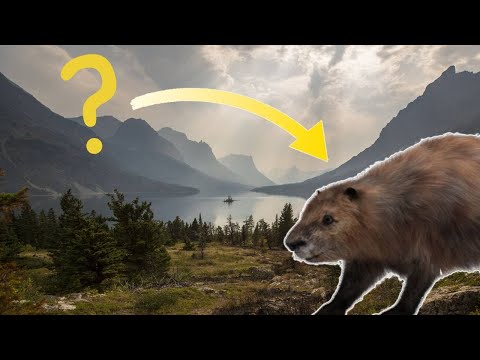
Beaver activity plays a significant role in shaping various environments. While their presence can enhance certain ecosystems, it can also lead to challenges for human interests and other wildlife. Here are the main points regarding how beavers affect their surroundings.
Beaver Dams and Wetland Creation
Beaver dams are vital in creating wetlands. When beavers build their dams, they form ponds. These ponds collect water, which can prevent flooding in some areas. Wetlands are important for filtering water and providing habitats for many species.
The creation of wetlands supports a variety of plants and animals. They offer shelter for birds, insects, and fish. This biodiversity can help maintain a healthy ecosystem. However, if beaver populations grow too large, their dams can lead to excess water that may disrupt local areas.
Effects on Wildlife and Plant Diversity
Beavers contribute to wildlife diversity. Their activities promote habitat changes that benefit different species.
With more standing water, aquatic plants flourish, providing food and shelter. New habitats attract various animals, including fish and birds. For instance, as beaver ponds teem with life, you might see increased numbers of migratory birds.
The mix of wet and dry areas also allows different plant species to thrive, enhancing the ecosystem.
Yet, there can be too much of a good thing. An overpopulation of beavers might lead to competition for resources among wildlife. This can affect the balance within the ecosystem.
Interaction with Migrating Fish and Aquatic Life
Beaver dams influence fish populations significantly. While some fish may thrive in the calm waters of ponds, others rely on swift currents.
Dams can create barriers for migrating fish, making it harder for them to reach spawning grounds. During spawning seasons, it’s essential for fish to access specific upstream areas. If dams block these routes, fish populations may decline. However, the ponds created can also foster an environment rich in food for juvenile fish, providing a mixed effect.
The balance between these outcomes is delicate. Your local aquatic life interactions depend on how beaver populations manage their dams and habitats. Keeping an eye on these dynamics can offer insight into the health of your local ecosystem.
Challenges and Conflicts with Beavers

Beavers can create several challenges that affect your property and the surrounding environment. Understanding these issues will help you manage them effectively and protect your land.
Property Damage and Flooding Concerns
Beavers often build dams that can lead to significant flooding. This can cause water to pool in unwanted areas, flooding roads and damaging properties. The increased water levels may compromise the structural integrity of your land.
To mitigate these problems, many people consider installing a flow device. These devices help manage water levels and minimize flooding. Regular inspection of nearby waterways can also help catch potential issues early.
Tree Damage and Management Techniques
Beavers are known for their tree-cutting habits, which can result in severe damage to your landscape. They use trees for food and to build their dams, often taking down valuable or cherished trees in the process.
To protect your trees, consider using hardware cloth or welded wire around the bases. This non-lethal management technique keeps beavers from gnawing on the trunks.
Installing a Beaver Deceiver in strategic locations can also help keep their activities at bay, while allowing water flow.
Health Risks and Zoonotic Diseases
While beavers generally don’t pose a direct health threat, they can carry diseases such as giardiasis and tularemia.
Giardiasis is a parasitic infection that can affect humans through contaminated water. Tularemia, spread by wild animals, can cause flu-like symptoms if contracted.
To reduce your risk, ensure that water sources near beaver activity are treated or monitored. Avoid direct contact with beaver habitats and educate your family about these potential risks.
Being aware of these health concerns will help you enjoy your outdoor space safely.
Conservation and Management Solutions
Managing beaver populations is essential for balancing their ecological benefits and potential conflicts with human activities. Various conservation and management strategies can help you achieve this balance while supporting the health of local ecosystems.
Non-lethal Management Strategies
Non-lethal methods are great ways to manage beaver populations while minimizing harm.
Flow devices can control water levels to prevent flooding without harming beavers. These devices allow you to keep water at a desired level while still providing a habitat for the animals.
Using tree guards can protect young trees from beaver damage. These guards stop beavers from foraging on valuable trees in your area.
Additionally, repellents can deter beavers from specific areas, reducing conflicts in sensitive zones.
These methods help maintain your landscape and its biodiversity while allowing beavers to continue their important role in the ecosystem as natural dam builders.
Evaluating Relocation and Population Control
When beaver populations become too high, relocation may be a viable option.
It is important to consult with local wildlife experts before considering relocation, as it can disrupt both the beavers and their new environment. This option should be considered only when other management strategies are ineffective.
Sometimes, controlled population management through selective culling may be necessary. However, this requires careful planning and should follow local laws and regulations.
Understanding the breeding season is crucial, as removing beavers during this time can affect their populations more significantly.
In any case, working with wildlife professionals will help you make informed decisions that respect both your needs and those of the beavers.
Educational Outreach and Community Involvement
Engaging your community is vital for successful management strategies. Providing educational materials, such as a detailed Beaver Fact Sheet, can help neighbors understand beavers’ role in ecosystems. This knowledge can foster appreciation rather than fear of these animals.
Encouraging community involvement through workshops or volunteer programs can also be effective. You and your neighbors can participate in habitat enhancement projects that benefit both beavers and local wildlife.
Sharing resources and information can create a more harmonious relationship between humans and beavers. This will lead to better management solutions and community satisfaction.


