
The River Wye, known for its beautiful scenery and rich wildlife, is home to a surprising species making a comeback. Yes, there are beavers in the River Wye. After being absent from the area for around 400 years, sightings suggest they have returned, creating excitement among nature enthusiasts and conservationists alike.

As you explore the River Wye, you might catch a glimpse of these fascinating creatures and their dams. Beavers are essential for nature conservation, as they help improve ecosystems by creating ponds that support various wildlife.
Their presence can lead to increased biodiversity and even help reduce flooding in the region.
The River Wye and Its Significance

The River Wye is not just a beautiful waterway; it plays an important role in supporting an array of wildlife and ecosystems. Understanding its significance helps appreciate why protecting this natural resource is essential.
Ecosystem and Biodiversity
The River Wye and its surrounding areas are rich in biodiversity. The river flows through the stunning Wye Valley, which is a designated Site of Special Scientific Interest (SSSI) and a Special Area of Conservation.
You can find a variety of habitats along the banks, from wetlands to woodlands. This variety supports many species, including fish, birds, and plants.
The water crowfoot is one notable aquatic plant, vital for maintaining water quality and providing habitat.
In areas like Herefordshire, the river serves as a corridor for wildlife. The diverse ecosystems along the Wye support species that depend on clean water, like otters and even the returning populations of beavers.
Conservation Efforts
Conservation efforts for the River Wye focus on maintaining its health and the numerous species it supports. Local organizations and community groups work together to tackle pollution and habitat loss.
These groups monitor water quality and promote sustainable practices.
Events such as river clean-ups help keep the river free of litter and pollutants. Initiatives to reintroduce beavers are also underway, which can improve local ecosystems through their natural behaviors.
Engaging the community is key. Educational programs inform visitors and residents about the importance of preserving the river’s natural beauty and biodiversity. Your involvement and awareness can make a difference in maintaining the health of the River Wye for future generations.
Beavers as Ecosystem Engineers

Beavers are fascinating creatures that play a crucial role in shaping their environment. As ecosystem engineers, they create habitats that benefit many other species. Their activities, especially dam building, have significant impacts on water quality and flood management.
Beaver Habitats and Dams
Beavers build dams using wood, mud, and stones. These structures create ponds, which serve as critical habitats for various plants and animals.
The ponds help increase biodiversity by providing shelter and breeding grounds for fish, amphibians, and birds.
The presence of ponds also influences local vegetation. As water levels rise, different plant species thrive in these wet areas.
This diversity is vital for maintaining healthy ecosystems. By altering their environment, beavers support a range of life forms, making them a key player in their habitats.
Impact on Water Quality and Flooding
Beaver dams help improve water quality in rivers and streams. As water flows through these structures, sediments settle out, leading to cleaner water.
This natural filtration is especially important for nearby communities that rely on clean drinking water.
Additionally, beaver ponds can mitigate flooding. During heavy rainfall, dams hold excess water, reducing the risk of downstream flooding.
This can protect homes and infrastructure, showcasing how beavers act as a natural flood control system. Their role as a keystone species highlights the interconnectedness of ecosystems and the benefits they provide.
Rewilding Efforts and Beaver Reintroduction

Efforts to rewild areas and reintroduce beavers play a vital role in restoring ecosystems. These initiatives can bring significant ecological and economic benefits to regions like the River Wye.
Beaver Trust and Conservation Projects
The Beaver Trust is actively involved in promoting the reintroduction of the Eurasian beaver, a species native to Britain. This organization works on various conservation projects across the UK, including areas in Devon and Cornwall.
Through controlled beaver releases, the trust aims to establish resident populations in suitable habitats.
Beavers improve biodiversity by creating wetlands that support various wildlife species. These projects have already seen success in places like Devon, where beaver sightings have increased.
Furthermore, local communities often benefit economically from ecotourism associated with these conservation efforts. Seeing beavers in their natural habitat can attract visitors, supporting your local economy and promoting wildlife appreciation.
Challenges and Opportunities
While reintroducing beavers offers great potential, there are challenges. Some landowners worry about flooding and tree damage caused by beaver activity.
Effective communication and engagement with the community are critical in addressing these concerns.
Education is key to fostering positive relationships between beavers and local residents. By showcasing the ecological benefits that beavers bring, such as improved water quality and flood management, you can help gain public support.
The opportunity exists for beaver populations to thrive in areas like the River Wye. Successful projects can lead to a healthy, balanced ecosystem that benefits both humans and wildlife.
Wildlife Coexisting with Beavers
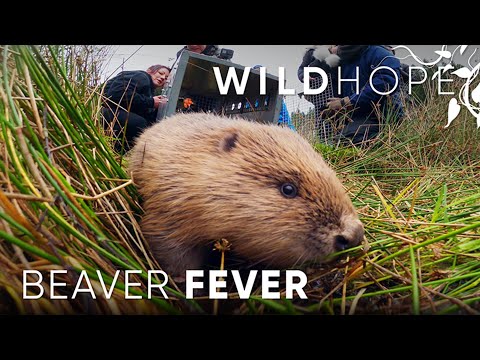
Beavers play an important role in their ecosystems, and many native species benefit from their presence. The unique habitats created by beavers, such as ponds and wetlands, support various wildlife in the River Wye area.
Otters, Deer, and Lesser Horseshoe Bats
Otters thrive in areas where beavers are present. The ponds created by beavers provide excellent hunting grounds for otters, as these spaces are rich in fish and other aquatic life.
You might catch a glimpse of them playing or foraging near the water.
Deer also benefit from wetlands. These lush environments offer food and shelter, allowing deer to flourish. You’ll find them grazing along the edges of beaver ponds, enjoying the variety of vegetation.
Lesser horseshoe bats are fascinating creatures that roost in nearby woodlands. They rely on the insects attracted to the moist habitat created by beaver ponds.
This connection makes your observation of bats flying around these areas more likely.
The Role of Tributaries and Ponds
Tributaries are essential to the beaver’s ability to shape their environment. They create the flow needed to form ponds, which are crucial for many species.
These waterways allow fish, such as kingfishers, to find the food they need to thrive. The ponds also recharge groundwater, helping to prevent drought and maintain healthy ecosystems.
With beavers around, the area becomes a network of habitats that benefit diverse wildlife, including native species. In the Forest of Dean, beaver-created habitats help maintain the balance of local ecosystems.
The interplay between beavers and their environment invites many species to coexist, enriching the biodiversity you can experience in this beautiful area.


